
Side-by-Side IQ Profile: Pug vs. Cardigan Welsh Corgi
The Cosmic Pet Pet IQ Lab assesses canine intelligence across five key dimensions, offering a nuanced view of each breed's cognitive architecture. For the Pug, a Toy group dog with a Coren rank of #57, the profile presents a clear picture of a companion-centric intellect. Their Problem Solving is rated at 2/5, indicating a preference for human guidance over independent strategizing. Training Speed also scores 2/5, suggesting they absorb new commands at a leisurely pace, often requiring patient repetition. However, their Social Intelligence shines at a perfect 5/5, reflecting an exceptional ability to read and respond to human emotions. Instinctive Drive is low at 2/5, with minimal inherent urges for tasks like hunting or herding, while Memory stands at a moderate 3/5, sufficient for recalling familiar routines and beloved faces.
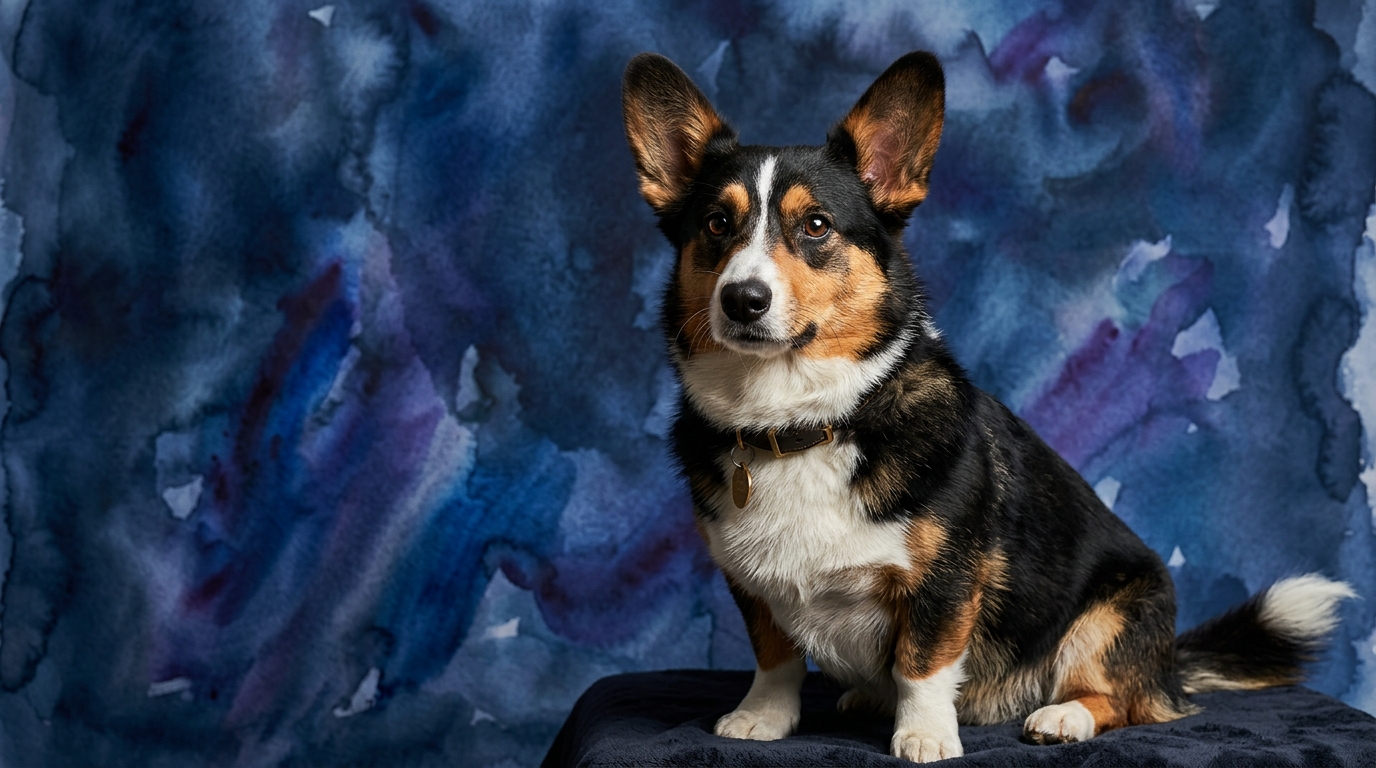
In contrast, the Cardigan Welsh Corgi, a Herding group dog with a Coren rank of #26, showcases a more task-oriented and independent mind. Their Problem Solving capability is a robust 4/5, demonstrating an aptitude for figuring out challenges and navigating complex situations. Training Speed matches this at 4/5, signifying a quick grasp of new commands and a keenness to learn. Social Intelligence is rated 3/5, indicating good awareness of social cues, though perhaps less emphasis on emotional nuance compared to the Pug. Instinctive Drive is a solid 3/5, reflecting their inherent herding tendencies and a desire for purpose. Memory is strong at 4/5, allowing them to retain a wide array of commands, routes, and learned behaviors over time.
Where the Pug Wins Cognitively: The Art of Connection
The Pug's undisputed cognitive strength lies in their remarkable Social Intelligence, scoring a perfect 5 out of 5. This isn't merely about recognizing their owner; it's about an profound capacity to attune to human emotional states. Pugs possess an almost intuitive ability to sense a shift in mood, offering comfort or playful distraction precisely when needed. They excel at reading subtle facial expressions, vocal tones, and body language, making them extraordinarily empathetic companions. Their cognitive prowess here means they are masters of companionship, understanding the intricate dance of human-dog bonding on a deeply emotional level. This high social acuity allows them to integrate seamlessly into a family's emotional landscape, often becoming the household's resident emotional barometer and furry confidant.
Where the Cardigan Welsh Corgi Wins Cognitively: Practicality and Purpose
The Cardigan Welsh Corgi's cognitive profile highlights a practical, purpose-driven intelligence. Their 4/5 scores in Problem Solving, Training Speed, and Memory converge to create a highly capable and adaptable canine. Their problem-solving skills mean they can independently assess situations, whether it's figuring out how to retrieve a dropped toy from under furniture or navigating a new environment. This isn't just about simple tasks; it extends to understanding sequences and cause-and-effect. Their quick training speed allows them to rapidly acquire a broad repertoire of commands and tricks, making them excellent candidates for obedience, agility, and other dog sports. Coupled with a strong memory, they retain these learned behaviors and complex information, demonstrating a lasting understanding of their world and their role within it. This cognitive suite speaks to their heritage as working dogs, capable of independent thought and action.
Training Dynamics: Pug's Patience vs. Corgi's Promptness
When it comes to ease of training, the data clearly favors the Cardigan Welsh Corgi. With a Training Speed of 4/5, Corgis typically pick up new commands with enthusiasm and impressive speed. Their problem-solving ability also aids in training, as they are more likely to understand the 'why' behind a command, rather than just the action. They thrive on mental engagement and respond well to consistent, positive reinforcement, often eager to please and learn new things, which stems from their herding instinct to work in partnership. Their focus and drive make training sessions productive and rewarding for both dog and owner.
Pugs, on the other hand, with a Training Speed of 2/5, require a different approach. While they are certainly capable of learning, their pace is more measured, and their attention span can be shorter. Training a Pug often demands extra patience, creativity, and a generous supply of positive reinforcement, particularly treats. Their high social intelligence means they respond well to praise and a desire to connect with their owner, but their lower instinctive drive means they might not always see the 'point' of a task beyond pleasing their human. Successful Pug training often involves short, fun sessions that feel like a game, capitalizing on their desire for interaction rather than expecting rigorous focus on a task.
Matching Lifestyles: Active Engagement vs. Relaxed Companionship
The cognitive profiles of these two breeds offer clear guidance for potential owners regarding lifestyle compatibility. The Cardigan Welsh Corgi, with its higher scores in problem-solving, training speed, and instinctive drive, is an excellent match for active owners who enjoy engaging their dogs in various activities. These dogs thrive when given a 'job'—whether it's participating in dog sports like agility, herding, or obedience, or simply enjoying long, stimulating walks and puzzle toys. They need consistent physical exercise and mental challenges to prevent boredom and channel their inherent intelligence constructively. An owner who embraces an active lifestyle and is prepared to invest time in training and enrichment will find a dedicated and enthusiastic partner in a Cardigan Welsh Corgi.
Conversely, the Pug, with its peak social intelligence and lower scores in problem-solving and instinctive drive, is perfectly suited for more relaxed owners seeking an emotionally attuned, low-maintenance companion. Pugs are content with shorter strolls and prioritize extensive cuddle sessions on the sofa. Their primary need is close human connection and affection, rather than strenuous physical or mental tasks. They are excellent apartment dwellers and thrive in environments where they can be an integral, beloved part of daily family life, often content to simply observe and offer quiet companionship. An owner who values a devoted, affectionate presence and a more sedentary lifestyle will find the Pug an ideal furry family member.
The Verdict
Choose a Pug if you desire an exceptionally empathetic, devoted companion who thrives on emotional connection and a relaxed pace of life, prioritizing cuddles over complex tasks.
Opt for a Cardigan Welsh Corgi if you seek an intelligent, trainable partner eager for mental and physical challenges, enjoying activities and a structured role within the family.
🧠 Find Your Pet's IQ Score
Our Pet IQ Lab assessment covers 25+ tests across 5 cognitive dimensions — personalized to your breed.
Take the Full IQ Test →Frequently Asked Questions
Do Pugs truly understand human emotions better than Cardigan Welsh Corgis?
Based on The Cosmic Pet Pet IQ Lab's Social Intelligence rating of 5/5 for Pugs versus 3/5 for Corgis, Pugs indeed show a superior capacity for reading and responding to human emotional cues. Their cognitive strength lies in their ability to tune into subtle shifts in mood, making them exceptionally empathetic companions.
Can a Pug be trained for complex tasks like a Cardigan Welsh Corgi?
While Pugs can learn, their lower Problem Solving (2/5) and Training Speed (2/5) scores suggest they won't typically reach the same level of complexity or speed in task acquisition as a Corgi (4/5 in both). Training Pugs requires more patience and a focus on fun, simplified tasks, whereas Corgis often relish intricate challenges.
Is the Cardigan Welsh Corgi always 'working' or can it be a relaxed pet?
Cardigan Welsh Corgis possess an inherent instinctive drive (3/5) and enjoy having a purpose, but they can certainly be relaxed pets indoors once their needs for physical exercise and mental stimulation are met. Providing them with regular activities and training outlets helps them settle contentedly into family life.