Side-by-Side IQ Profile: Pug vs. Chow Chow
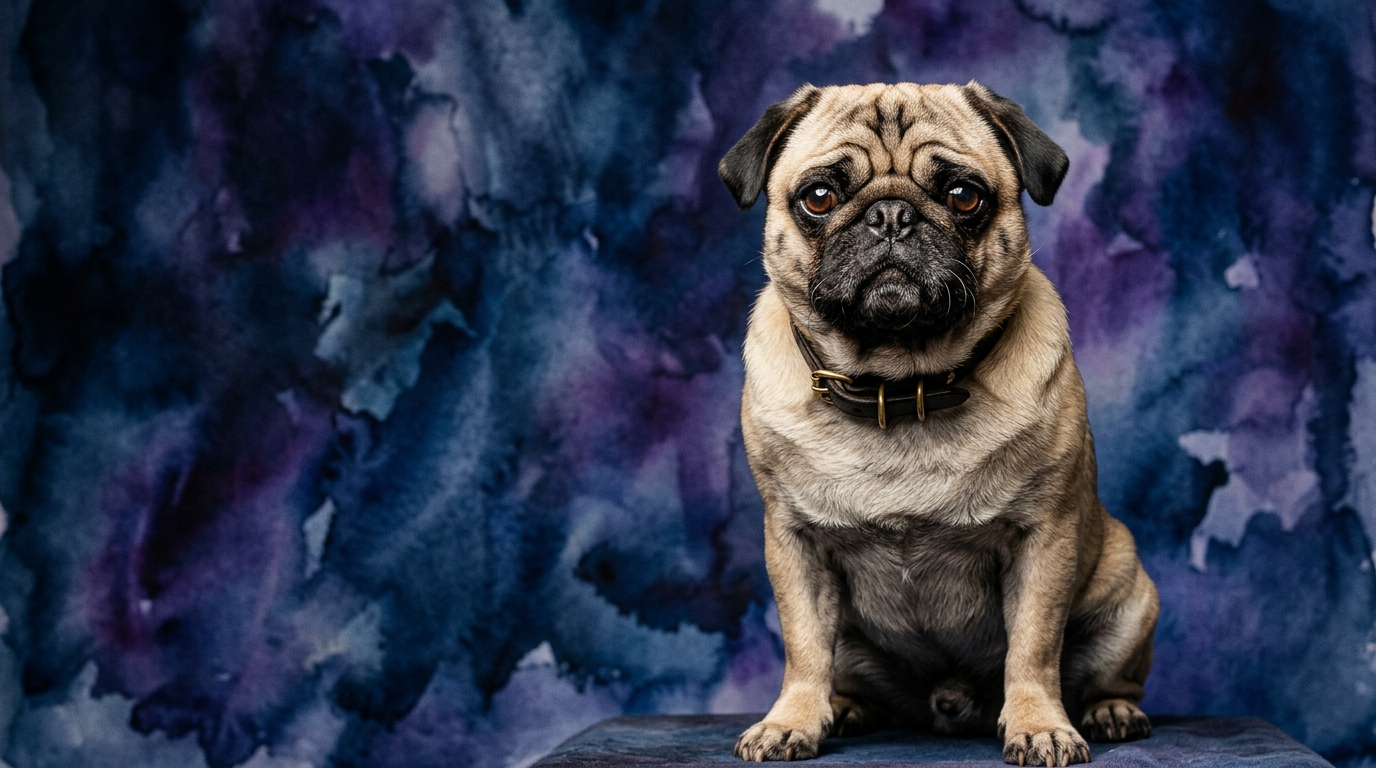
The Cosmic Pet Pet IQ Lab employs a multi-dimensional approach to canine intelligence, assessing five key cognitive areas for a comprehensive understanding of each breed. For the Pug, ranked #57 by Coren, its profile shows specific strengths and challenges: Problem Solving 2/5, Training Speed 2/5, Social Intelligence 5/5, Instinctive Drive 2/5, and Memory 3/5. This profile paints a picture of a dog that thrives on connection rather than complex tasks.
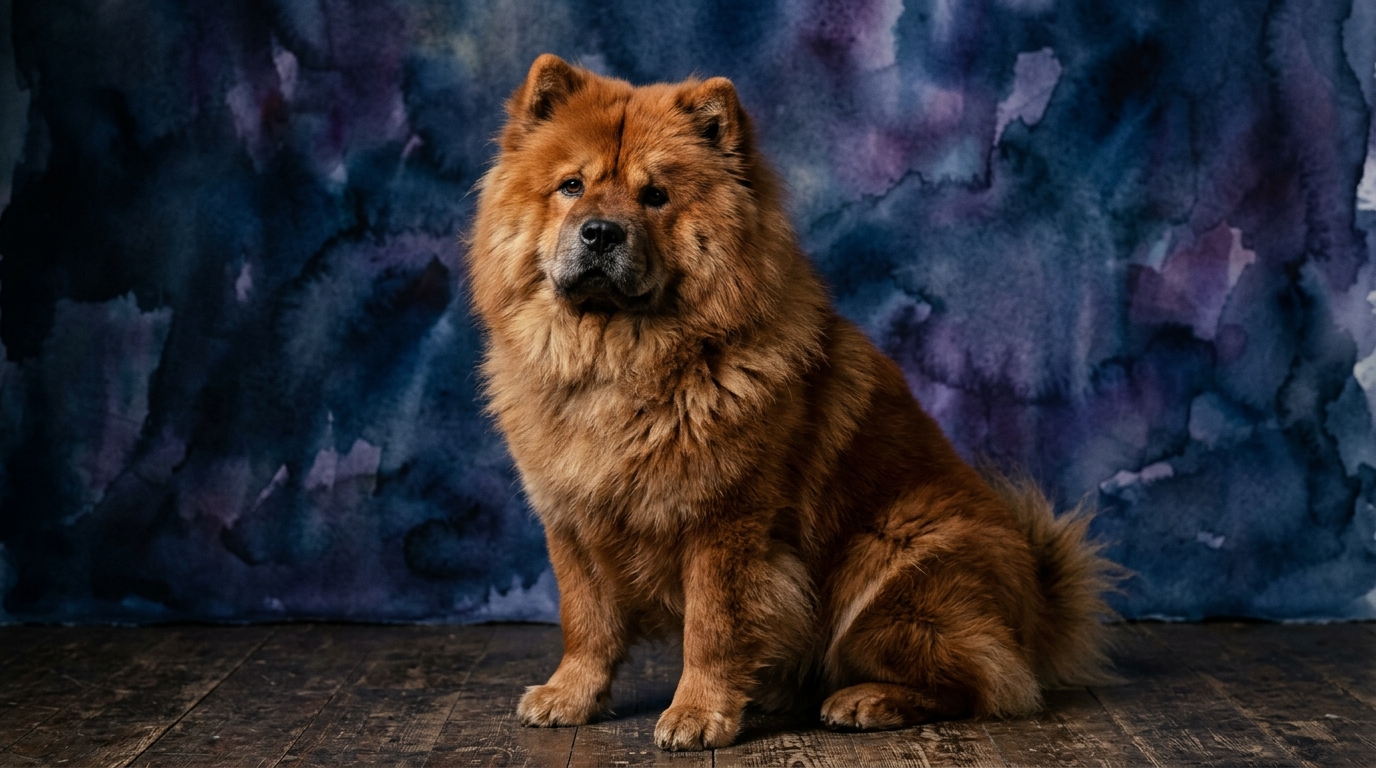
In contrast, the Chow Chow, with a Coren rank of #76, presents a more balanced, albeit often misunderstood, cognitive blueprint: Problem Solving 3/5, Training Speed 3/5, Social Intelligence 3/5, Instinctive Drive 3/5, and Memory 3/5. This suggests a dog with a moderate capacity across the board, leaning towards independent thought rather than overt social compliance. Understanding these scores is crucial for appreciating their unique approaches to the world.
Where the Pug Wins Cognitively
The Pug’s standout cognitive strength lies in its exceptional Social Intelligence, scoring a perfect 5/5. This means Pugs possess an unparalleled ability to read human emotions, understand social cues, and adapt their behavior to fit human expectations. They are masters of emotional reciprocity, quickly learning which actions elicit positive responses from their human companions. This high social acumen makes them incredibly responsive to their owners' moods and desires, often anticipating needs before they are explicitly communicated.
While their Problem Solving and Training Speed scores are modest, the Pug's robust social intelligence often compensates by making them eager to engage in activities that strengthen their bond with people. Their Memory score of 3/5, coupled with their social drive, means they readily recall routines, familiar faces, and the specific ways to elicit affection or attention. They might not solve a complex puzzle box quickly, but they will remember the exact sequence of events that leads to a comforting lap cuddle or a favorite treat, especially when initiated by a beloved human.
Where the Chow Chow Wins Cognitively
The Chow Chow demonstrates a more consistent cognitive profile across the board, with its 3/5 scores in Problem Solving, Training Speed, Instinctive Drive, and Memory often surpassing the Pug’s in these specific areas. Their 3/5 in Problem Solving indicates a greater capacity for independent thought and navigating novel situations without direct human guidance. They are more likely to assess a situation and devise their own solution, even if it's not the one their owner had in mind. This self-reliance is a hallmark of the breed's historical role.
The Chow Chow's 3/5 Training Speed, while not exceptionally fast, indicates a steady learning pace for commands and tasks, provided the motivation aligns with their independent nature. Their 3/5 Instinctive Drive suggests a more pronounced inner motivation, often tied to guarding or territory, which can be channeled through specific training. Their Memory score of 3/5 means they retain learned behaviors and routines effectively, contributing to their predictable and dignified demeanor once established. They remember what is expected and what is theirs, contributing to their independent and sometimes aloof nature.
Which is Easier to Train and Why?
When considering ease of training, the Pug and Chow Chow present contrasting experiences. The Pug, despite its lower Training Speed (2/5), often appears easier to train for basic obedience and house manners due to its exceptional Social Intelligence (5/5). Pugs are deeply motivated by human approval and connection, making them highly responsive to praise, affection, and positive reinforcement from their owners. They learn through social cues and the desire to please, readily engaging in repetitive training sessions if it means strengthening their bond. Their eagerness to participate and their ability to read human intentions can make training feel intuitive, even if the actual acquisition of a command takes more repetitions.
The Chow Chow, with a higher Training Speed (3/5) and Problem Solving (3/5), possesses the cognitive capacity to learn commands efficiently. However, their moderate Social Intelligence (3/5) means they are less driven by human praise alone and more by their own internal motivations or a clear, consistent reward system. They can be independent thinkers, sometimes appearing stubborn if a command doesn't seem logical or beneficial to them. Successful Chow Chow training requires patience, consistency, and a deep understanding of their dignified, self-reliant temperament. They learn quickly but need a reason that resonates with them, rather than just the desire to please.
Which Suits Active Owners vs. Relaxed Owners?
The Pug's cognitive profile and physical attributes make it an ideal companion for relaxed owners seeking an emotionally attuned, low-maintenance dog. Their lower Instinctive Drive (2/5) and modest Problem Solving (2/5) mean they are generally content with shorter walks, indoor play, and extensive cuddle sessions. Their high Social Intelligence (5/5) means they thrive on close human companionship and are incredibly responsive to the nuances of home life, making them excellent lap dogs and emotional support companions. Owners who appreciate a dog that is deeply integrated into their daily emotional landscape will find the Pug a perfect fit.
The Chow Chow, while not an endurance athlete, suits owners who appreciate a more independent and dignified presence and are prepared for a dog with a moderate, yet distinct, set of needs. Their balanced scores across Problem Solving, Instinctive Drive, and Memory suggest a dog that benefits from consistent routine, clear boundaries, and activities that engage their mind without demanding constant interaction. They are generally content with moderate daily exercise and prefer to observe rather than actively participate in every human endeavor. Owners who value a loyal, self-possessed companion that doesn't constantly demand attention, but still requires thoughtful engagement, will find the Chow Chow rewarding.
The Verdict: When to Choose Each
Ultimately, the choice between a Pug and a Chow Chow hinges on an owner’s lifestyle and what they seek in a canine companion. The Pug is an excellent choice for individuals or families who desire a highly affectionate, socially intelligent dog that thrives on close emotional connection and requires less physical exertion. They are perfect for those who want a constant, responsive shadow and are prepared to provide ample emotional reassurance.
The Chow Chow is better suited for owners who appreciate a more independent, dignified, and self-reliant dog that offers quiet companionship rather than constant effusive affection. They fit well with those who value a dog with a strong, predictable routine and are capable of consistent, patient training tailored to a dog with its own distinct motivations and a keen sense of self-preservation.
The Verdict
Choose a Pug if you prioritize a deeply affectionate, highly socially intelligent companion who thrives on emotional connection and requires moderate physical activity.
Choose a Chow Chow if you appreciate a dignified, independent dog with a moderate need for physical activity, capable of thoughtful problem-solving, and offering loyal, quiet companionship.
🧠 Find Your Pet's IQ Score
Our Pet IQ Lab assessment covers 25+ tests across 5 cognitive dimensions — personalized to your breed.
Take the Full IQ Test →Frequently Asked Questions
Are Pugs difficult to train?
Pugs have a moderate training speed (2/5) but their high social intelligence (5/5) means they are eager to please their owners. While they may require more repetitions for commands, their motivation to connect makes them generally receptive to positive, consistent training methods, especially when centered around praise and affection.
Do Chow Chows enjoy cuddling and constant attention?
Chow Chows have a moderate social intelligence (3/5) and are known for their dignified, somewhat aloof nature. While they form strong bonds with their families, they are typically not overly demonstrative or demanding of constant attention, preferring to observe and offer quiet companionship rather than seeking constant physical affection.
Which breed is better with children, based on their IQ profile?
The Pug's high social intelligence (5/5) generally makes them more adaptable and understanding of children's unpredictable behavior, often seeking to engage playfully. The Chow Chow's more independent nature and moderate social intelligence (3/5) mean they require careful socialization and supervision with children, as they may prefer a more predictable and respectful interaction style.