Side-by-Side Cognitive Profiles
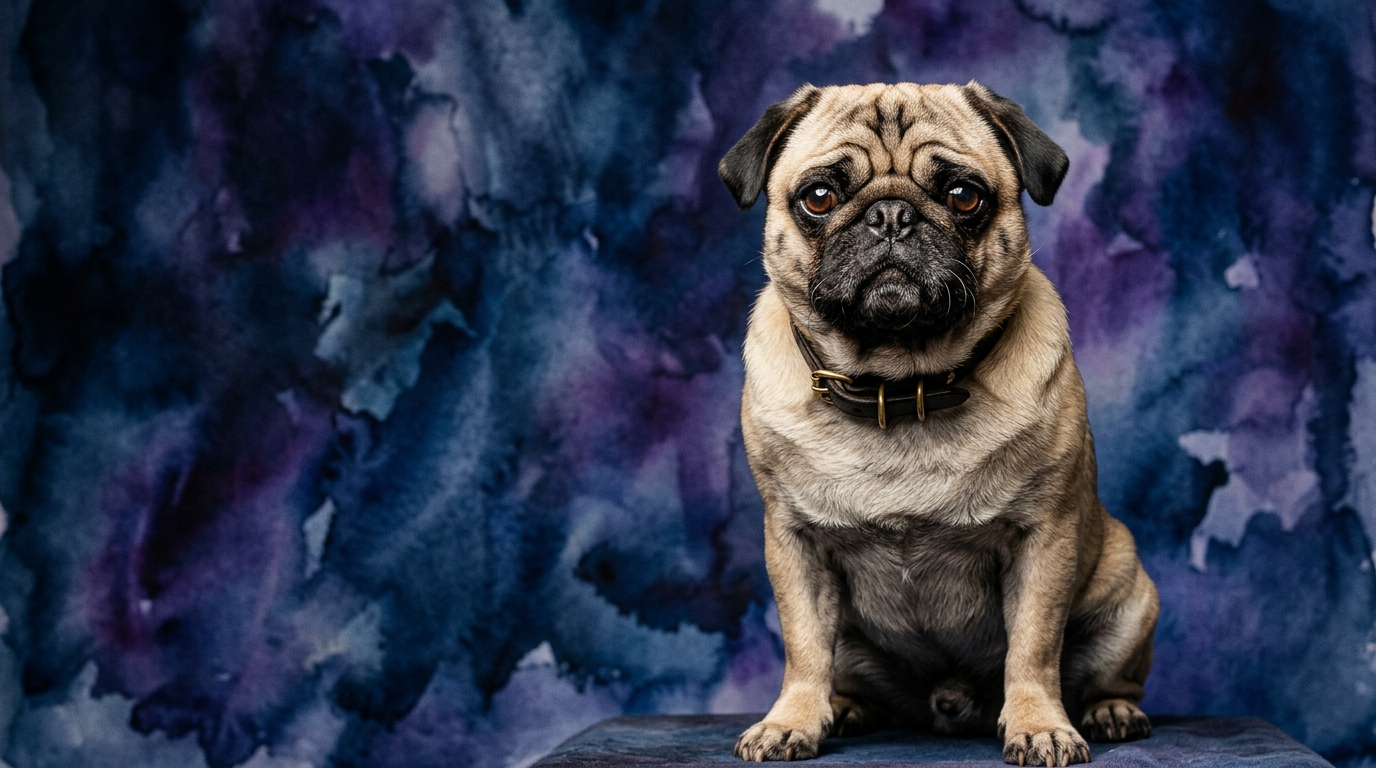
The Pug, with a Coren rank of #57, holds a respectable position for working and obedience intelligence, yet its specific IQ dimensions paint a nuanced picture of its cognitive makeup. Its Problem Solving at 2/5 suggests a preference for simpler, direct solutions rather than intricate cognitive puzzles, often relying on learned patterns or human intervention. Training Speed, also 2/5, indicates that Pugs may require more patience and repetition to master new commands, potentially finding less inherent motivation in the training process itself. However, the Pug shines brilliantly in Social Intelligence with a perfect 5/5, demonstrating an exceptional capacity to understand human emotions, intentions, and social cues, making them highly attuned and empathetic companions. Their Instinctive Drive is a modest 2/5, reflecting their primary role as companions rather than working dogs, meaning they typically lack a strong urge for hunting, herding, or guarding tasks. Memory stands at 3/5, suggesting a solid ability to recall learned behaviors and routines, especially those associated with positive social interactions.
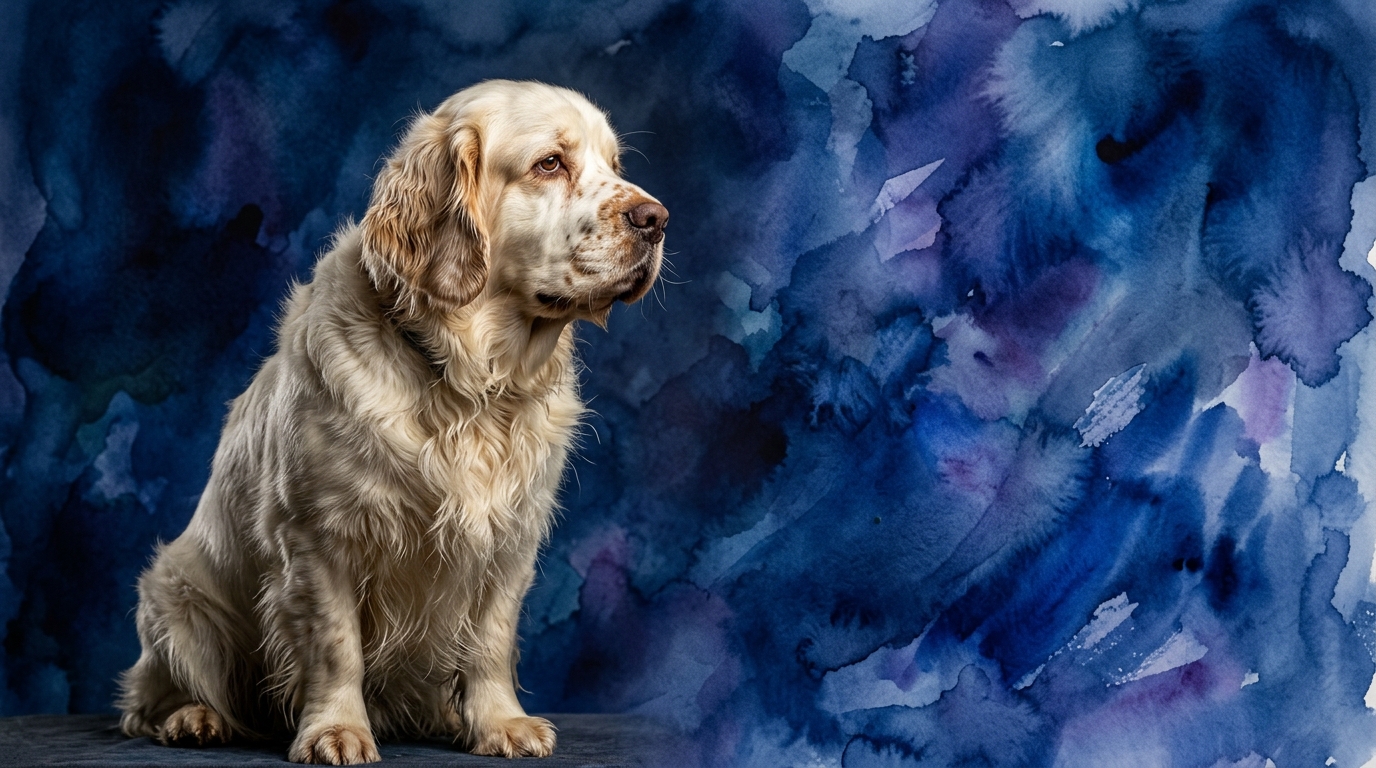
The Clumber Spaniel, ranked #55 by Coren, sits just above the Pug, hinting at a slightly different overall cognitive makeup, which is borne out by its balanced IQ profile. Its Problem Solving scores 3/5, indicating a moderate ability to navigate novel situations and figure out solutions, often leveraging observation and trial-and-error. Training Speed, also 3/5, means Clumbers tend to learn new commands and routines at a steady, average pace, responding well to consistent, positive reinforcement. Social Intelligence for the Clumber is 3/5, signifying a good understanding of human interactions and social dynamics, though perhaps not with the same intense, empathetic focus as the Pug; they are affectionate but often more reserved. Instinctive Drive is rated 3/5, reflecting their heritage as a sporting breed with a moderate desire to engage in scent work, retrieving, or other purpose-driven activities, albeit often with a calm and deliberate approach. Memory, like the Pug, scores 3/5, suggesting a reliable capacity to retain learned information and recall past experiences.
Where the Pug Cognitively Excels
The Pug's preeminent cognitive strength lies unequivocally in its Social Intelligence, scoring a rare 5 out of 5. This exceptional capacity allows Pugs to forge incredibly deep and intuitive bonds with their human families, making them masters of emotional connection. They possess an uncanny ability to read subtle shifts in human mood, often responding with comforting nudges, playful antics, or quiet companionship precisely when needed. This isn't just about affection; it's a sophisticated understanding of social dynamics, enabling them to adapt their behavior to fit the emotional climate of a household. For instance, a Pug might learn to offer a gentle lick to a crying owner or quietly settle beside someone feeling unwell, demonstrating a profound empathetic response. Their entire world revolves around their human companions, and their cognitive resources are largely dedicated to understanding and interacting within this social sphere, making them unparalleled in their role as dedicated, emotionally responsive companions.
Where the Clumber Spaniel Cognitively Excels
The Clumber Spaniel demonstrates a more balanced and practical cognitive advantage, particularly in areas related to purposeful work and adaptable learning. With a 3/5 in Problem Solving and Training Speed, the Clumber can more readily grasp and execute multi-step commands and navigate environmental challenges independently. Unlike the Pug, whose problem-solving often leans on human assistance, the Clumber's moderate drive allows it to methodically work through tasks, such as figuring out how to retrieve a toy from under furniture or learning complex scent discrimination exercises. Their 3/5 Instinctive Drive, rooted in their sporting heritage, means they possess a natural inclination for activities like tracking or retrieving, providing an intrinsic motivation for learning and performing tasks that align with these drives. This makes them more adept at structured activities and capable of applying learned skills in varied, real-world scenarios, a cognitive edge when tasks require more than just social understanding.
Which is Easier to Train and Why
When considering ease of training, the Clumber Spaniel generally presents a more straightforward path for owners, primarily due to its 3/5 Training Speed and Problem Solving scores, coupled with its moderate Instinctive Drive. Clumbers are typically eager to please and possess a methodical approach to learning; they can process instructions and link actions to consequences with reasonable efficiency. For example, teaching a Clumber to "stay" or "heel" often involves consistent positive reinforcement and clear cues, which they tend to absorb at an average pace. Their moderate instinctive drive means they can be motivated by tasks that tap into their natural inclinations, like retrieving or sniffing, making training sessions more engaging for them.
In contrast, the Pug, with its 2/5 Training Speed and Problem Solving, may require a more nuanced and patient approach. Pugs are not typically driven by a strong desire to perform complex tasks or follow intricate commands; their primary motivation is often social interaction and affection. While they are certainly capable of learning, their attention span for formal training might be shorter, and they may need more repetitions to solidify a command. For instance, teaching a Pug a new trick might involve breaking it down into tiny steps and rewarding heavily with praise and treats, leveraging their high social intelligence to make the process a bonding experience rather than a purely task-oriented one. Owners might find that Pugs respond best when training feels like a fun game shared with their human, rather than a strict lesson, often employing their charming demeanor to get their way if not properly motivated.
Which Suits Active Owners vs. Relaxed Owners
For active owners seeking a canine partner for outdoor adventures, structured activities, or even moderate dog sports, the Clumber Spaniel is generally a more suitable choice. Their 3/5 Instinctive Drive and moderate scores in Problem Solving and Training Speed mean they possess the physical and cognitive capacity for engaging in activities like long walks, scent work, or even some agility training, albeit often at a more deliberate pace than some other sporting breeds. They enjoy having a purpose and can be content with regular, stimulating outings that tap into their natural inclinations. A Clumber thrives on having a consistent routine that includes opportunities for both physical exercise and mental engagement, making them excellent companions for owners who enjoy an active but not necessarily high-octane lifestyle.
Conversely, for relaxed owners whose primary desire is a devoted, affectionate companion that excels in companionship and indoor comfort, the Pug is an ideal match. Their low 2/5 Instinctive Drive and exceptional 5/5 Social Intelligence mean they are content with shorter, leisurely strolls and thrive on being an integral part of family life, often preferring to snuggle on the couch or follow their humans from room to room. Pugs are masters of providing emotional support and thrive in environments where their social needs are met through constant interaction and affection, rather than demanding strenuous physical or mental tasks. They are perfect for individuals or families who appreciate a dog whose main "job" is to be a loving, attentive presence, bringing joy and warmth to a calm household.
The Verdict
Choose a Pug if your lifestyle prioritizes an exceptionally empathetic and socially attuned companion who thrives on close human interaction and requires minimal strenuous activity. They are ideal for relaxed households seeking a devoted, charming presence whose greatest cognitive strength is understanding and reciprocating affection.
Opt for a Clumber Spaniel if you desire a steady, moderately active dog capable of learning tasks and engaging in purpose-driven activities, offering a balanced blend of companionship and quiet capability. They suit owners who appreciate a calm, methodical companion for moderate outdoor adventures and consistent, patient training.
🧠 Find Your Pet's IQ Score
Our Pet IQ Lab assessment covers 25+ tests across 5 cognitive dimensions — personalized to your breed.
Take the Full IQ Test →Frequently Asked Questions
Is a Pug difficult to train due to its lower training speed score?
While a Pug's 2/5 Training Speed suggests they may require more patience and repetition, they are certainly trainable. Their high social intelligence means they respond well to positive reinforcement, making training a bonding experience rather than a struggle, especially when focused on basic obedience and leveraging their desire for human approval.
Do Clumber Spaniels need a lot of exercise given their sporting background?
Clumber Spaniels, with a 3/5 Instinctive Drive, require moderate, consistent exercise rather than intense, high-energy bursts. Daily walks, some off-leash exploration in a safe area, or engaging in scent games are usually sufficient to keep them physically and mentally content, aligning with their calm and deliberate nature.
How does a Pug's memory of 3/5 compare to a Clumber's 3/5 in practical terms?
Both breeds share a solid 3/5 memory, meaning they can reliably recall learned commands and routines. For a Pug, this often applies to household rules and cherished social interactions, while for a Clumber, it extends to remembering training sequences and locations of retrieved items, reflecting their respective cognitive priorities.