Side-by-Side IQ Profile: Pug vs. Dandie Dinmont Terrier
At The Cosmic Pet Pet IQ Lab, we delve beyond simple obedience to understand the nuanced cognitive landscape of each breed. For the Pug, a beloved Toy group member (Coren rank #57), their cognitive strengths lie distinctly in connection, while the Dandie Dinmont Terrier, a Terrier group stalwart, exhibits a more balanced and independent cognitive structure.
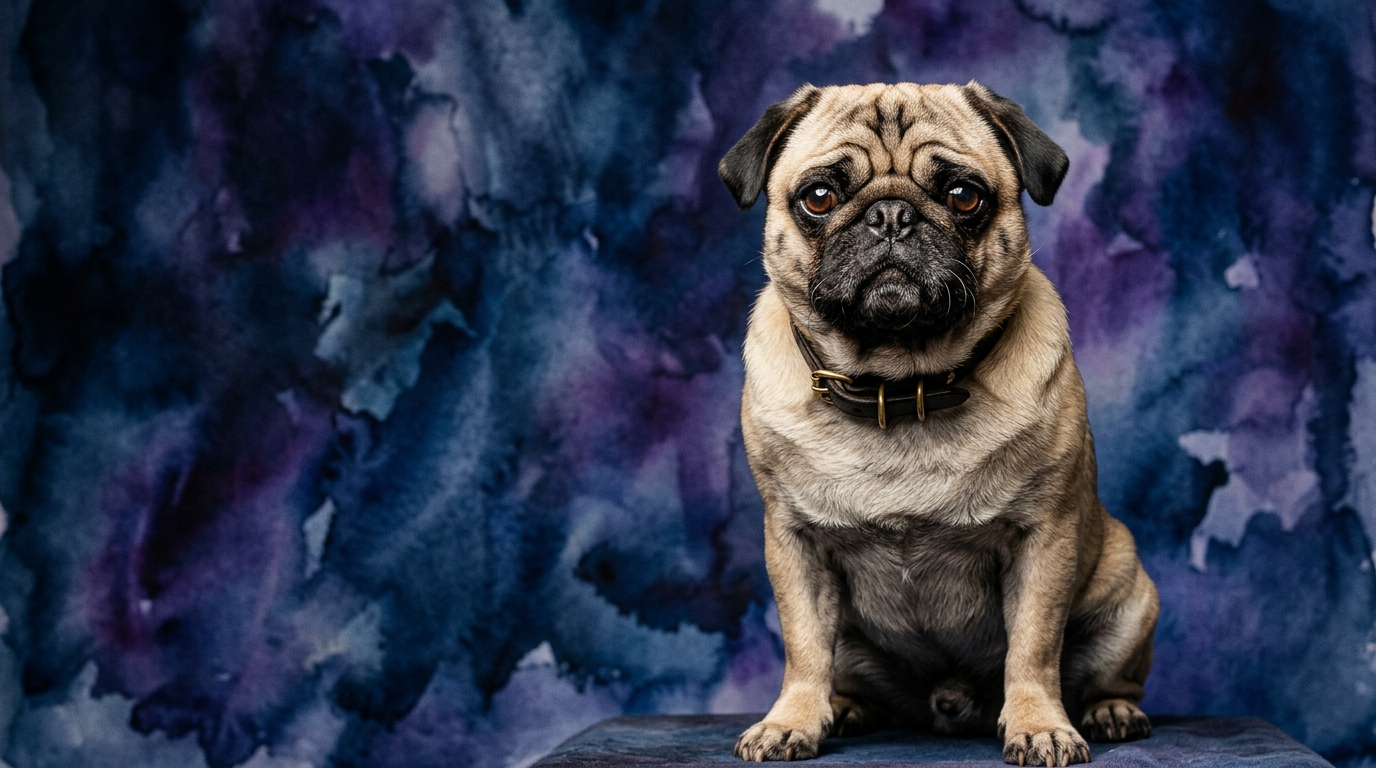
The Pug’s profile paints a picture of a dog whose primary strength is social acumen. Their Problem Solving is rated at 2/5, indicating they are not typically inclined to independently figure out complex environmental challenges, often preferring to rely on their human companions. Training Speed is also 2/5, suggesting that Pugs may require more repetition and patience to grasp new commands, prioritizing connection over immediate task mastery. Where the Pug truly shines is in Social Intelligence, earning a perfect 5/5; they are profoundly attuned to human emotions and social cues, making them exceptional companions. Their Instinctive Drive is low at 2/5, meaning minimal inclination for independent hunting, digging, or guarding behaviors. Memory for a Pug stands at 3/5, an average capacity for recalling routines and learned behaviors.
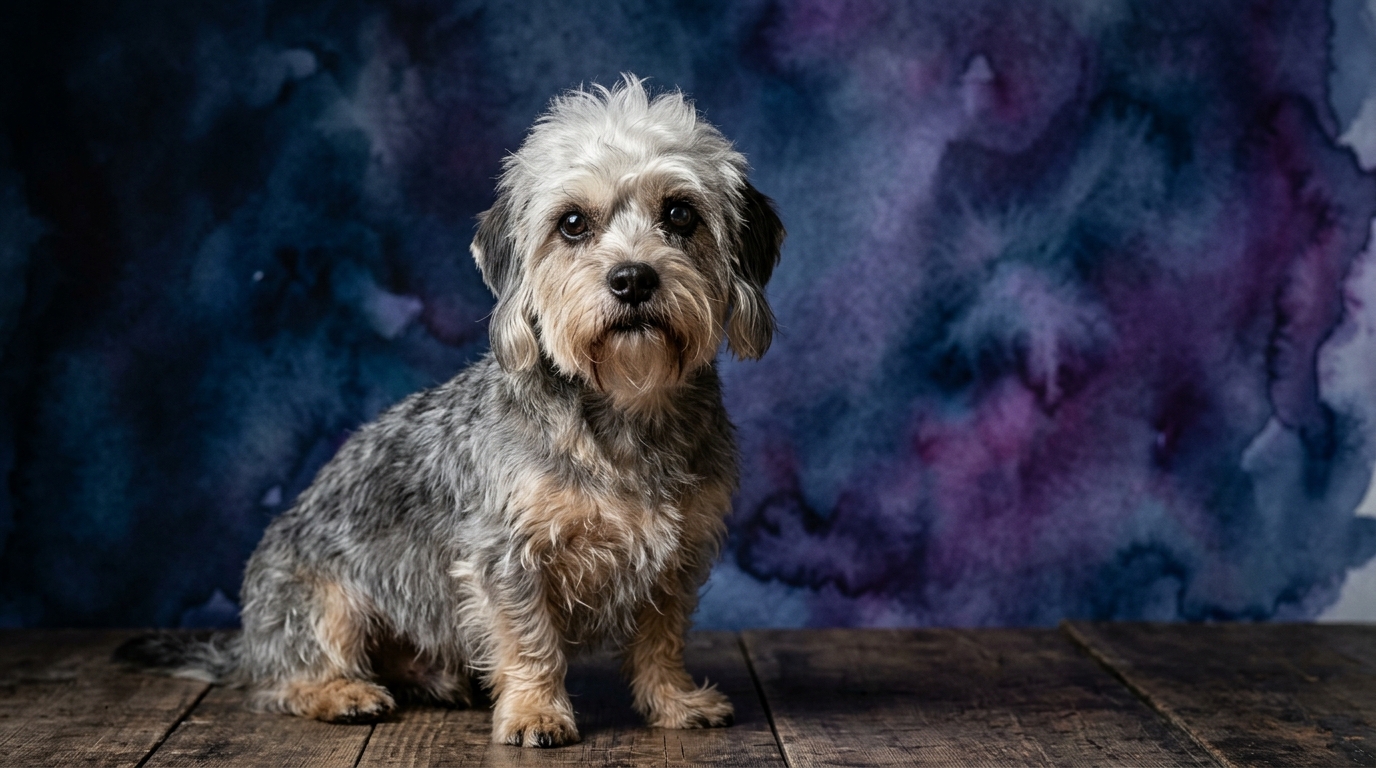
In contrast, the Dandie Dinmont Terrier presents a different cognitive blueprint. While not Coren-ranked, our IQ data shows a balanced set of abilities across the board. Their Problem Solving capability is rated 3/5, suggesting a moderate capacity for independent thought and figuring out how to achieve goals, a trait often seen in terrier breeds. Training Speed for the Dandie is also 3/5, indicating they learn at a reasonable pace, capable of picking up commands with consistent, engaging methods. Social Intelligence for the Dandie Dinmont Terrier is 3/5; they form strong bonds with their family but may be more discerning or reserved with strangers compared to the universally friendly Pug. Their Instinctive Drive is 3/5, reflecting a moderate level of terrier-typical curiosity, a propensity for digging, and an interest in small prey. Similar to the Pug, the Dandie Dinmont Terrier's Memory is rated 3/5, allowing them to retain information and experiences effectively.
Where the Pug Wins Cognitively
The Pug’s undeniable cognitive strength lies in their extraordinary Social Intelligence, rated at a perfect 5/5 compared to the Dandie Dinmont Terrier’s 3/5. This isn't merely about being friendly; it signifies a deep, intuitive understanding of human emotions and social dynamics. Pugs are masters at reading body language, interpreting tone, and sensing their owner's mood, often responding with comforting proximity or playful antics precisely when needed.
This exceptional social acumen allows Pugs to form incredibly strong, almost telepathic bonds with their people. They excel at emotional support, often becoming the family's heart, thriving on interaction and reciprocal affection. While other breeds might impress with complex tricks, the Pug's cognitive victory is in their profound capacity for empathy and companionship, a skill set that makes them unparalleled in their role as devoted family members. They don't just exist with you; they truly connect with you on a deeply emotional plane.
Where the Dandie Dinmont Terrier Wins Cognitively
The Dandie Dinmont Terrier shows a cognitive edge in areas requiring more independent thought and engagement with their physical environment. Their Problem Solving ability, rated 3/5 compared to the Pug's 2/5, means they are more likely to attempt to figure out puzzles, navigate obstacles, or strategize to get what they want. This manifests as a resourceful quality, a characteristic often associated with their terrier heritage of independent work.
Furthermore, the Dandie's slightly higher Training Speed (3/5 vs. Pug's 2/5) combined with their moderate Instinctive Drive (3/5 vs. Pug's 2/5) gives them an advantage in learning and applying skills beyond basic obedience. Their instinctive drive translates into a greater curiosity about their surroundings and a willingness to engage with tasks that require more than just social interaction. They might enjoy scent games or exploring new territories, using their moderate problem-solving skills to navigate novel situations. This blend of attributes suggests a dog more inclined to actively engage with and manipulate their environment.
Which is Easier to Train and Why?
When it comes to ease of training, the Dandie Dinmont Terrier generally holds a slight advantage over the Pug. The Dandie's Training Speed is rated 3/5, indicating a reasonable pace of learning, whereas the Pug’s is 2/5. This means that while both breeds possess an average memory (3/5), the Dandie may pick up new commands and routines with fewer repetitions and a bit more enthusiasm for the 'work' involved.
The Dandie's moderate problem-solving skills and instinctive drive also contribute to their trainability. They can be motivated by tasks that tap into their natural terrier curiosity and desire to engage, making them more receptive to structured training sessions that involve mental stimulation. In contrast, Pugs, with their lower training speed and higher social intelligence, often view training as another opportunity for social interaction. They respond best to positive reinforcement that feels like a game or a shared activity, but their lack of inherent drive for 'work' can make them appear more stubborn or less focused on task completion if the social reward isn't immediately apparent.
Training a Pug requires exceptional patience and a focus on making every session fun and rewarding, often leveraging their desire for attention and treats. For a Dandie Dinmont Terrier, consistent, varied training that challenges their moderate problem-solving abilities and channels their instinctive drives will yield better results, making them generally more straightforward to teach a broader range of commands and tricks.
Which Suits Active Owners vs. Relaxed Owners?
The cognitive profiles of these two breeds offer clear guidance for matching them with owner lifestyles. For individuals leading a more relaxed, home-centric life, the Pug is an ideal companion. Their exceptional social intelligence and low instinctive drive mean they thrive on close companionship, preferring to be near their human at all times. They are content with short, leisurely strolls and plenty of cuddle time on the couch, requiring minimal independent mental or physical stimulation. Their primary cognitive need is strong social connection and emotional interaction.
Conversely, active owners who enjoy engaging their dogs in varied activities will find a better match in the Dandie Dinmont Terrier. With a moderate instinctive drive and problem-solving capacity, Dandies appreciate opportunities to explore, sniff, and engage in tasks that challenge their minds. While not requiring extreme athleticism, they enjoy regular walks, interactive games, and perhaps even some beginner-level dog sports or scent work. Their balanced cognitive profile means they are capable of and enjoy more structured activities, making them a good fit for owners who want a dog who is both a companion and a partner in exploration.
The Verdict: When to Choose Each Breed
The Verdict
Choose a Pug if you prioritize an emotionally resonant, affectionate companion who excels at reading human emotions and thrives on constant, close social interaction within a relaxed home environment.
Opt for a Dandie Dinmont Terrier if you seek a spirited, moderately independent dog who enjoys engaging in a variety of activities, can learn complex tasks, and offers a balanced blend of companionship, curiosity, and a bit of terrier zest.
🧠 Find Your Pet's IQ Score
Our Pet IQ Lab assessment covers 25+ tests across 5 cognitive dimensions — personalized to your breed.
Take the Full IQ Test →Frequently Asked Questions
Are Pugs truly difficult to train?
Their lower training speed (2/5) means Pugs require more patience and consistent positive reinforcement, often responding best when training feels like a social game rather than a strict command session. They can certainly learn, but it takes more repetition and specific, often food-based, motivation.
What does 'instinctive drive' mean for these breeds?
Instinctive drive refers to a dog's natural inclinations like hunting, retrieving, or exploring. For a Pug (2/5), this is low, meaning less inclination for independent exploration or chasing small animals. For a Dandie Dinmont Terrier (3/5), it's moderate, indicating some residual terrier traits like digging or an interest in small prey, which can be channeled into appropriate play or structured activities.
How does social intelligence impact daily life with a Pug?
A Pug's exceptional social intelligence (5/5) means they are incredibly sensitive to human moods and excel at forming deep, intuitive bonds, often becoming highly empathetic family members. This makes them superb emotional support companions, always seeking to be near their people and offering comfort or joy through their attuned presence.