
Side-by-Side Cognitive Profiles
The Pug, a member of the Toy group and ranked #57 by Coren for adaptive intelligence, showcases cognitive strengths distinctly in social engagement. Their problem-solving ability, rated at 2/5, suggests they may not independently devise complex solutions to novel challenges, often relying on learned cues or human intervention. Training speed, also at 2/5, indicates a need for patience and consistent repetition, as new commands might take longer to solidify. However, their social intelligence is exceptional at 5/5, reflecting a profound capacity to read human emotions, connect deeply, and thrive on interaction. An instinctive drive of 2/5 means their natural urges, such as hunting or guarding, are generally low, aligning with their role as a devoted companion. Their memory, at 3/5, is average, allowing them to retain routines and familiar commands reliably.
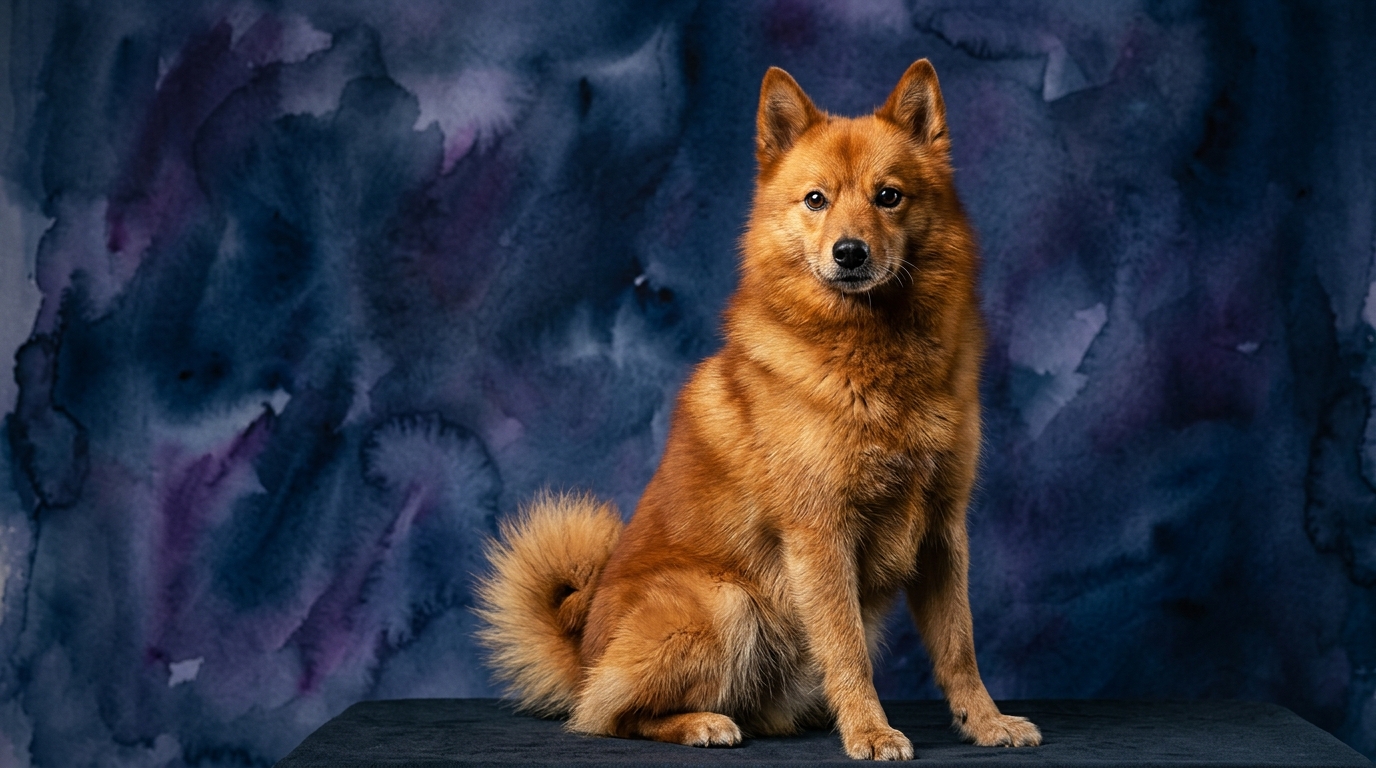
The Finnish Spitz, hailing from the Non-Sporting group and not specifically ranked by Coren, presents a more balanced, yet distinct, cognitive profile. Their problem-solving ability is rated 3/5, indicating a moderate capacity for independent thought and figuring out new situations, perhaps with a touch of ingenuity. Training speed, also 3/5, suggests they can learn new commands at an average pace, responding well to engaging, positive reinforcement methods. Their social intelligence, at 3/5, is solid but less intense than the Pug's, meaning they appreciate companionship but maintain a degree of independence. A key defining trait is their instinctive drive, also 3/5, which manifests strongly in their natural inclination to bark, alert, and potentially pursue small prey, reflecting their heritage as a hunting dog. Their memory, like the Pug's, is rated 3/5, enabling them to recall training and experiences effectively.
Where the Pug Excels Cognitively
The Pug's standout cognitive strength lies unequivocally in their social intelligence, rated a perfect 5/5. This isn't merely about enjoying human company; it's a sophisticated ability to interpret subtle human cues, emotional states, and intentions. A Pug often seems to anticipate your mood, offering comfort with a gentle nudge or a playful invitation precisely when needed. This profound empathy allows them to form exceptionally strong, almost telepathic bonds, making them masters of companionship. They excel at 'reading the room,' adapting their behavior to fit the social context, whether it's a quiet evening at home or a lively gathering. This capacity for emotional attunement means they are incredibly responsive to social feedback, thriving on praise and connection, which can sometimes be leveraged in training despite their lower training speed. Their low instinctive drive (2/5) further enhances this, as they are less distracted by external environmental stimuli and more focused on their human interactions.
Where the Finnish Spitz Shows Cognitive Prowess
The Finnish Spitz demonstrates a more versatile and independent cognitive prowess, particularly in areas where the Pug's profile is less pronounced. Their problem-solving ability (3/5) indicates a dog capable of more independent thought, often finding their own ways to navigate situations or achieve goals, which might include figuring out how to open a gate or retrieve a hidden toy. This translates into a resourceful nature, contrasting with the Pug's tendency to seek human assistance. Their training speed (3/5) is also a point of advantage, suggesting they can grasp new commands and concepts more readily, provided the training is engaging and varied enough to hold their interest. Crucially, their instinctive drive (3/5) is a defining cognitive trait. This isn't just a physical urge; it's a mental predisposition towards alertness, vocalization, and a keen awareness of their surroundings, reflecting their heritage as a 'barking bird dog.' This drive means they are naturally attuned to environmental changes and possess a strong inner motivation that, while sometimes challenging to manage, also provides a rich tapestry of natural behaviors and a sense of purpose.
Trainability: Patience for Pugs, Engagement for Spitz
Comparing the trainability of these two breeds reveals distinct approaches required from their human counterparts. The Pug, with a training speed of 2/5 and problem-solving at 2/5, often requires more patience and consistent, clear repetition. They are not quick to grasp complex sequences or abstract commands and may appear stubborn if tasks are not broken down into simple, rewarding steps. Their high social intelligence means they respond best to positive reinforcement rooted in praise and connection, rather than harsh corrections, which can shut them down emotionally. Training a Pug is more about gentle persuasion and building a strong, trusting relationship where they want to please you, rather than a rapid acquisition of skills. In contrast, the Finnish Spitz, with 3/5 for both training speed and problem-solving, generally learns commands at an average pace. However, their independent nature and instinctive drive mean training must be engaging, varied, and mentally stimulating to prevent boredom. They respond well to methods that challenge their intellect and allow them some agency. While they might learn faster than a Pug, their independent streak means they might choose not to comply if they don't see the point, requiring a trainer who can make learning fun and rewarding for them.
Lifestyle Suitability: Companion vs. Engaged Partner
The distinct cognitive profiles of the Pug and Finnish Spitz naturally align with different owner lifestyles. The Pug, with its exceptional social intelligence (5/5) and lower instinctive drive (2/5), is an ideal match for relaxed owners seeking a devoted, low-key companion. Their cognitive makeup means they thrive on close human interaction, a comfortable routine, and being an integral part of family life without demanding extensive physical or mental exertion. They are content with moderate walks and prefer to spend their energy on emotional bonding. For owners who value a constant, empathetic presence and are prepared to offer consistent, gentle guidance in training, the Pug is a perfect fit. The Finnish Spitz, on the other hand, with its moderate problem-solving (3/5), training speed (3/5), and significant instinctive drive (3/5), requires a more active and engaging owner. Their cognitive profile suggests a dog that needs mental stimulation and outlets for their natural behaviors, such as barking, alerting, or even scent work. They are not content to be mere couch potatoes; their intelligence and drive demand purpose and activity. Owners who enjoy outdoor activities, are prepared for consistent, stimulating training, and appreciate an independent, vocal companion will find the Finnish Spitz a rewarding, albeit more demanding, partner.
The Verdict
Choose the Pug if your priority is an exceptionally empathetic, devoted companion who thrives on close human connection and requires a more relaxed lifestyle.
Opt for the Finnish Spitz if you seek an independent, engaged partner who enjoys mental challenges, requires outlets for their natural instincts, and suits an active, stimulating household.
🧠 Find Your Pet's IQ Score
Our Pet IQ Lab assessment covers 25+ tests across 5 cognitive dimensions — personalized to your breed.
Take the Full IQ Test →Frequently Asked Questions
Is the Coren ranking the only indicator of a dog's intelligence?
No, the Coren ranking primarily measures 'adaptive intelligence,' focusing on trainability and obedience. The Pet IQ Lab's broader dimensions, like social intelligence, problem-solving, and instinctive drive, offer a more complete picture of a dog's cognitive strengths beyond just obedience.
Can a Pug learn complex tricks or advanced obedience?
While a Pug's training speed and problem-solving are lower, their high social intelligence means they are eager to please their humans. With consistent, patient, and highly positive reinforcement, Pugs can certainly learn complex tasks, though it may take more time and creative teaching methods than with other breeds.
What does the Finnish Spitz's 'instinctive drive' mean for daily life?
A Finnish Spitz's instinctive drive (3/5) translates to strong natural behaviors like a propensity for barking, particularly at perceived threats or novel stimuli, and a keen awareness of their environment. Owners should be prepared to manage their vocal nature and provide mental enrichment that taps into their innate desires to observe and alert.