Side-by-Side IQ Profile: Pug vs. German Pinscher
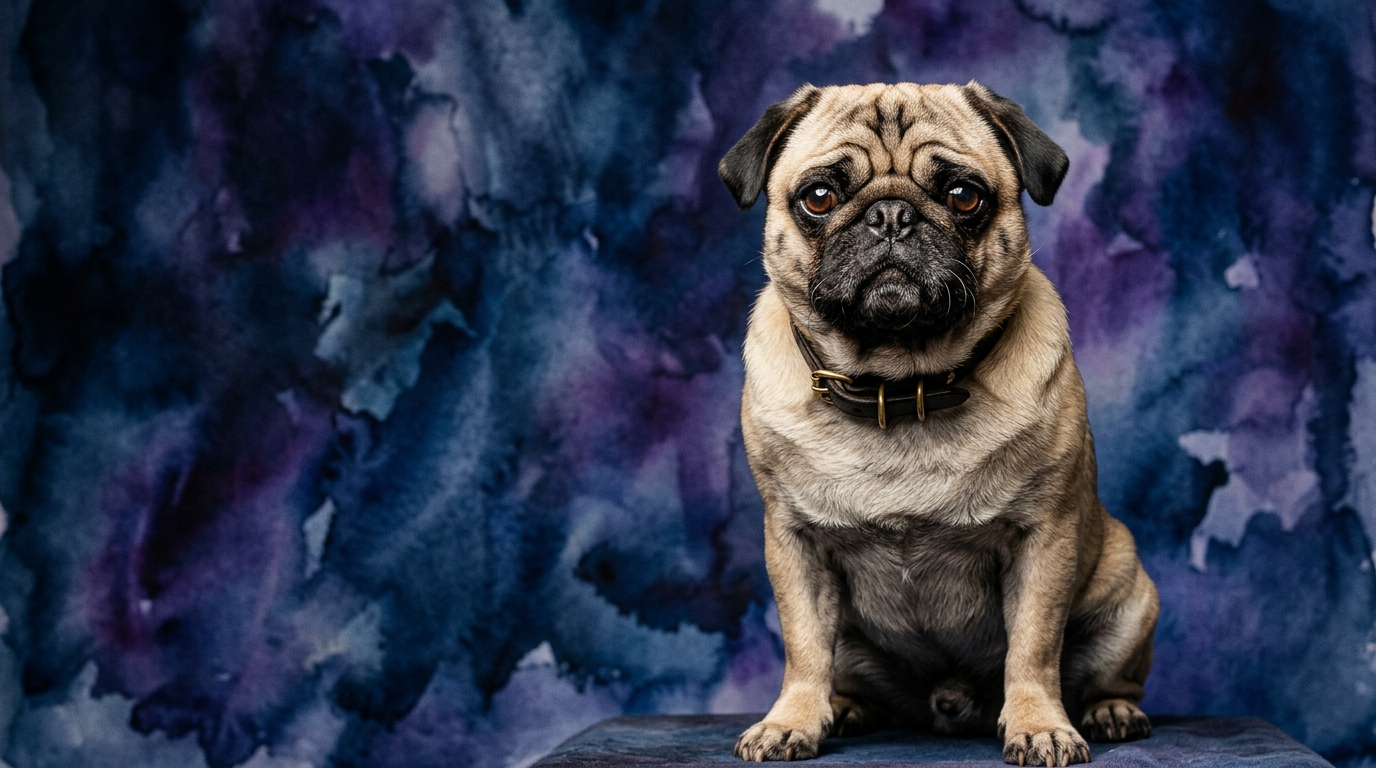
To truly understand the cognitive landscape of these two distinct breeds, The Cosmic Pet Pet IQ Lab employs five key dimensions. For the Pug, a charming companion from the Toy group and Coren-ranked #57, these dimensions paint a picture of an emotionally astute, low-drive pet. Their Problem Solving is rated 2/5, indicating they are not typically inclined towards complex strategic thinking or intricate puzzle-solving. Training Speed is also 2/5, suggesting they may require more patience and repetition to grasp new commands. However, their Social Intelligence shines at an exceptional 5/5, highlighting their profound ability to connect and communicate non-verbally with humans. Instinctive Drive is a low 2/5, meaning they lack strong innate urges for traditional working tasks, and their Memory stands at an average 3/5, allowing them to recall routines and learned behaviors.
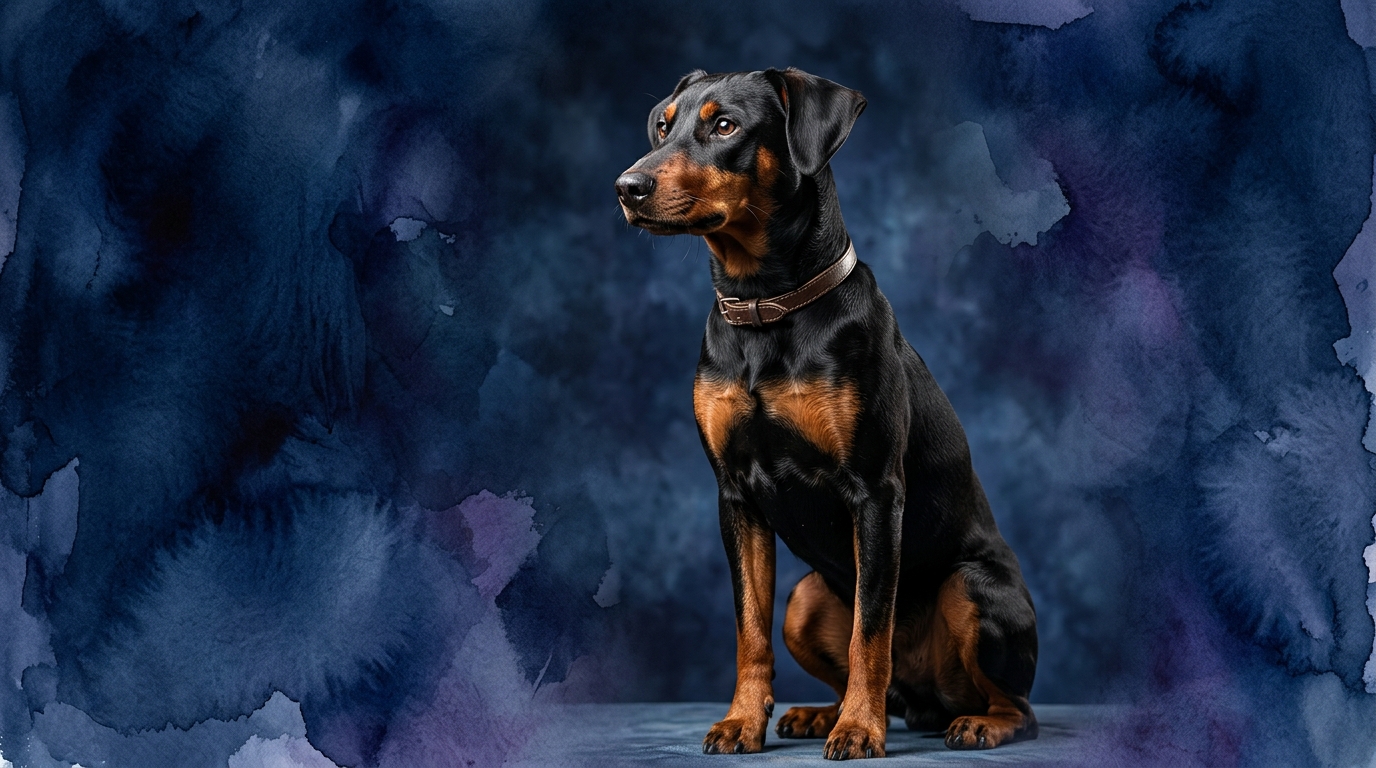
The German Pinscher, a robust Working breed not Coren-ranked, presents a profile marked by balanced capability and moderate drive. Their Problem Solving scores 3/5, showing a moderate capacity to figure out challenges and adapt to new situations. Training Speed is also 3/5, indicating a respectable pace for learning and retaining new instructions. Their Social Intelligence is a balanced 3/5, signifying a good understanding of social cues and family dynamics without the intense focus on human emotion seen in the Pug. Instinctive Drive is a moderate 3/5, reflecting their historical roles in hunting vermin and guarding, which translates into an inherent desire for purposeful activity. Like the Pug, their Memory is rated 3/5, demonstrating an average ability to remember commands, experiences, and routines.
Where the Pug Wins Cognitively
The Pug truly excels in the realm of Social Intelligence, scoring a perfect 5/5. This isn't about solving complex puzzles but about mastering the intricate dance of human-canine interaction. A Pug's profound capacity for empathy allows them to instinctively pick up on subtle shifts in human mood, tone, and body language. They often seem to anticipate their owner's needs, offering comfort or playful antics precisely when required. This high social acumen makes them exceptionally intuitive companions, deeply integrated into the emotional fabric of their human families. Their cognitive strengths lie in forming deep, reciprocal bonds, making them masters of emotional connection and a source of unwavering companionship.
Where the German Pinscher Wins Cognitively
The German Pinscher, with its moderate scores across several cognitive dimensions, demonstrates a different kind of intellectual advantage. Their Problem Solving at 3/5 means they're not merely followers; they possess a degree of independent thought, capable of navigating moderately challenging situations or figuring out how to access desired objects. This mental agility, combined with a respectable Training Speed of 3/5, makes them receptive to learning a wide array of commands and tricks relatively quickly. Their Instinctive Drive, also 3/5, rooted in their working heritage, provides a natural motivation for engagement and purposeful activity, allowing them to channel their energy into structured tasks rather than simply seeking comfort. These traits make the German Pinscher a more versatile learner, often thriving in environments that offer mental stimulation and opportunities to utilize their inherent capabilities.
Which is Easier to Train and Why
When it comes to ease of training, the German Pinscher generally holds an edge, primarily due to its higher Training Speed (3/5) and moderate Instinctive Drive (3/5). German Pinschers are often keen to engage in structured learning, responding well to clear instructions and positive reinforcement. Their working background means they find purpose in tasks, which can translate into a stronger desire to please and perform. However, their instinctive drive, while an asset, also means they require consistent, engaging training to channel their energy and focus, preventing boredom or independent pursuits, which could manifest as creative problem-solving in unwanted ways.
Pugs, with a Training Speed of 2/5, may require more patience and repetition. Their lower instinctive drive means they aren't inherently motivated by traditional "work," but their exceptional Social Intelligence (5/5) can be leveraged effectively. Pugs respond incredibly well to training that emphasizes positive social interaction, praise, and affection. While they might take longer to grasp a new command, their desire for human connection means they are eager to participate and will eventually comply if the training is rewarding and enjoyable. The key difference lies in motivation: German Pinschers are often driven by purpose and task completion, while Pugs are driven by connection and social reward.
Which Suits Active Owners vs. Relaxed Owners
The choice between a Pug and a German Pinscher largely depends on an owner's lifestyle and energy levels. The German Pinscher is an ideal match for active owners who relish regular exercise, outdoor adventures, and engaging in mentally stimulating activities. Their moderate instinctive drive and problem-solving abilities mean they thrive when given a "job," whether it's agility, obedience, or even just long, engaging walks that allow them to explore. Owners who enjoy consistent training and providing outlets for a dog's natural curiosity will find a German Pinscher a rewarding companion.
Conversely, the Pug is perfectly suited for more relaxed owners seeking a devoted, low-key companion. Their lower instinctive drive and moderate energy levels mean they are content with shorter strolls and ample cuddle time on the sofa. Pugs excel in environments where their primary role is to be a loving family member, deeply integrated into daily life. Owners who prioritize emotional connection, appreciate a dog's intuitive understanding of their moods, and enjoy a pet that thrives on close companionship will find the Pug an unparalleled partner.
The Verdict
Choose a Pug if your lifestyle leans towards relaxation and you seek an exceptionally empathetic, emotionally intelligent companion who thrives on close social connection and moderate physical activity.
Choose a German Pinscher if you lead an active life, enjoy structured training, and desire a mentally agile dog with a moderate drive for purposeful activity and physical engagement.
🧠 Find Your Pet's IQ Score
Our Pet IQ Lab assessment covers 25+ tests across 5 cognitive dimensions — personalized to your breed.
Take the Full IQ Test →Frequently Asked Questions
Are Pugs truly difficult to train given their lower training speed?
Pugs may require more repetitions than some breeds, but they are not inherently difficult to train. Their high social intelligence means they respond exceptionally well to positive reinforcement, praise, and treat-based rewards, making training a bonding experience. Consistency and patience are key to success with a Pug.
How much exercise does a German Pinscher typically need?
German Pinschers require a moderate to high amount of exercise daily to satisfy their instinctive drive and maintain their physical and mental well-being. This can include long walks, running, structured play sessions, or engaging in dog sports like agility.
Which breed is better suited for a family with young children?
Both breeds can be good with children, but their approaches differ. Pugs, with their high social intelligence and gentle nature, often adapt well to family life, providing patient companionship. German Pinschers can also be excellent family dogs, but their higher energy and drive might require more supervision and training to ensure appropriate interactions with very young children.