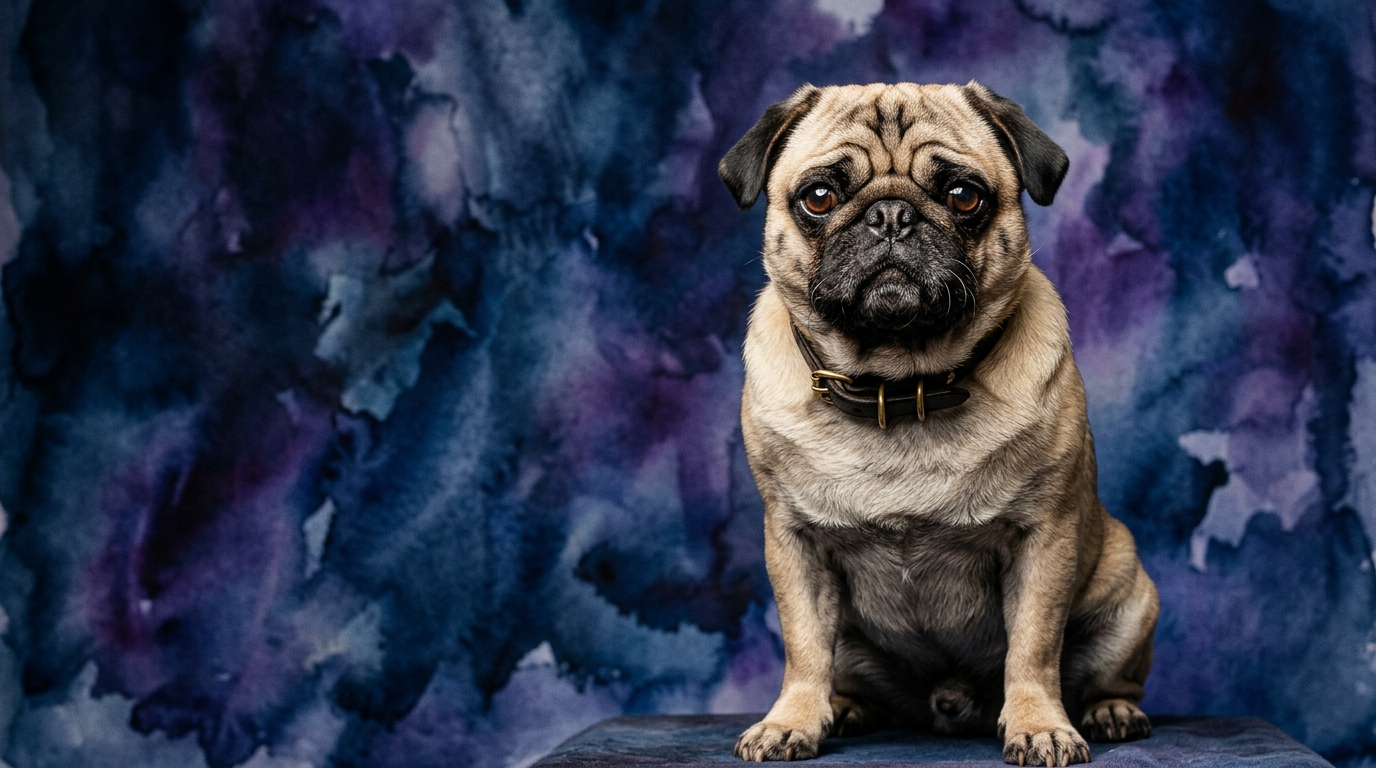
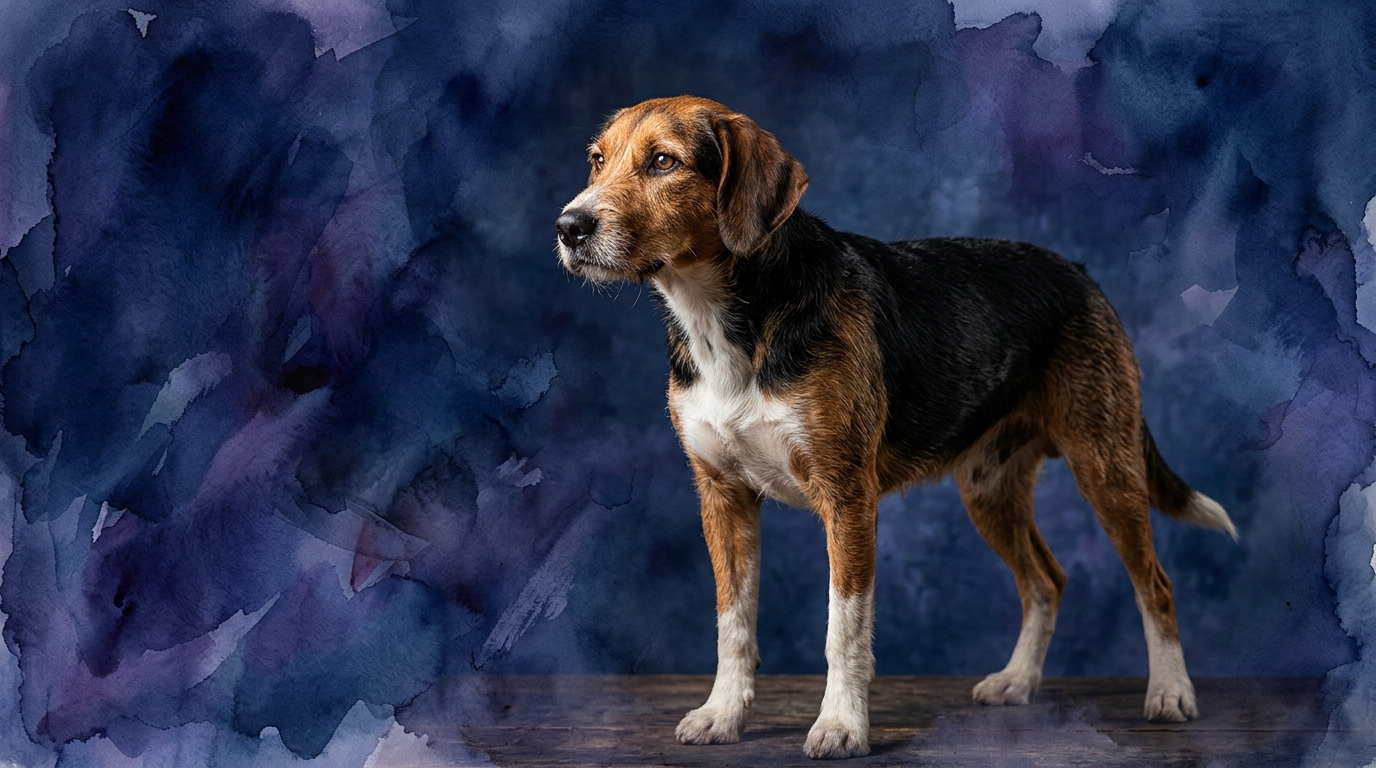
Side-by-Side IQ Profiles: Pug vs. Harrier
The Pug, a member of the Toy group, presents a distinctive cognitive blueprint. Its Problem Solving is rated 2 out of 5, indicating that while they can navigate simple challenges, complex, multi-step tasks might not be their forte or primary interest. Training Speed, also at 2 out of 5, suggests that Pugs require patience and consistent, positive reinforcement to grasp new commands, often responding best to motivation that aligns with their desire for comfort or interaction. However, their Social Intelligence shines brightly at a perfect 5 out of 5, reflecting an exceptional ability to interpret human emotions and cues, fostering deep companionship. Instinctive Drive, at 2 out of 5, means they generally lack a strong innate urge for tasks like retrieving or hunting, preferring a more relaxed pace. Their Memory, rated 3 out of 5, is quite functional, allowing them to recall routines and familiar faces with ease.
In contrast, the Harrier, a robust Hound, displays a more balanced, moderate cognitive profile across several dimensions. Their Problem Solving capability stands at 3 out of 5, indicating a moderate aptitude for figuring out environmental puzzles or navigating scent trails, a trait useful for their working heritage. Training Speed is also 3 out of 5, suggesting they are reasonably quick to learn and retain commands, especially when the training aligns with their natural inclinations. Social Intelligence for the Harrier is 3 out of 5, meaning they are generally amicable and can form bonds, though perhaps not with the same nuanced emotional sensitivity as a Pug. Their Instinctive Drive, rated 3 out of 5, is a defining characteristic, fueling their desire to follow scents and engage in purposeful activity. Memory, matching the Pug at 3 out of 5, allows them to remember learned behaviors and scent patterns effectively.
Where the Pug Wins Cognitively
The Pug's undisputed cognitive strength lies in its exceptional Social Intelligence, scoring a perfect 5 out of 5. This dimension isn't merely about friendliness; it encompasses a profound capacity to read and respond to human emotions, making them incredibly attuned companions. A Pug often seems to anticipate their owner's moods, offering comfort or seeking attention at just the right moment, demonstrating a sophisticated understanding of social dynamics within a household. This manifests as an innate ability to integrate seamlessly into family life, often becoming the emotional anchor of their human companions.
While their Problem Solving and Training Speed ratings are modest, the Pug's memory (3/5) combined with their social acumen allows them to remember specific interactions and routines that involve their human family. They might recall which family member is most likely to offer a treat after dinner, or the exact spot on the couch for optimal cuddling. This memory serves their primary purpose: being a devoted, emotionally responsive companion, rather than excelling in complex tasks. Their cognitive strengths are precisely tailored for creating deep, empathetic bonds.
Where the Harrier Wins Cognitively
The Harrier's cognitive advantages are rooted in its working heritage, particularly in areas demanding focused effort and environmental interaction. Their Problem Solving ability, rated 3 out of 5, surpasses the Pug's, reflecting a moderate capacity to navigate and resolve practical challenges. This might involve figuring out how to bypass an obstacle in a field or tracing a complex scent trail, requiring both persistence and a degree of deductive reasoning. This makes them more adept at independent exploration and task-oriented thinking compared to the more human-centric Pug.
Furthermore, the Harrier's stronger Instinctive Drive (3/5) and faster Training Speed (3/5) provide a distinct cognitive edge for specific activities. Their natural inclination to pursue scents gives them a purpose-driven focus that can be channeled into various scent work games or outdoor adventures. This drive, combined with a quicker grasp of commands, means they are often more receptive to structured learning that involves working towards a goal, allowing them to excel in activities that require sustained attention and a clear objective. They possess a practical intelligence geared towards action and exploration.
Which is Easier to Train and Why
When it comes to ease of training, the Harrier generally presents a more straightforward experience due to its moderate Training Speed (3/5) and Instinctive Drive (3/5). Harriers typically possess a willingness to engage in structured learning, especially if it involves activities that tap into their natural scenting abilities or desire for purposeful work. Their moderate drive means they are often motivated by the opportunity to perform a task and receive positive feedback, allowing them to learn and retain commands with reasonable efficiency. They respond well to consistent, clear instructions and can progress through training sequences at a steady pace.
The Pug, with its Training Speed of 2 out of 5 and Instinctive Drive of 2 out of 5, typically requires a more patient and creatively motivated approach to training. Pugs are not inherently driven by a desire to perform complex tasks or follow intricate command sequences; their primary motivation is often human companionship and comfort. Training sessions need to be kept short, engaging, and highly rewarding, often leveraging their love for treats or praise. While they are certainly capable of learning, their attention span for repetitive drills might be shorter, and they may require more repetitions to solidify a new behavior compared to a Harrier, who might find the 'work' itself more inherently gratifying.
Which Suits Active Owners vs. Relaxed Owners
For the active owner seeking a canine partner for adventures and structured activities, the Harrier is typically a more suitable match. Their moderate Instinctive Drive (3/5) means they thrive on regular physical exercise and mental stimulation, such as long hikes, scenting games, or even participating in dog sports like agility or tracking. Harriers need an outlet for their energy and their problem-solving intellect; an owner who can consistently provide engaging activities will find them to be a responsive and enthusiastic companion. Without sufficient activity, their moderate drive might lead to restlessness or boredom, making them less ideal for a sedentary lifestyle.
Conversely, the Pug is an excellent fit for owners who prefer a more relaxed pace of life and prioritize close companionship. With an Instinctive Drive of 2 out of 5, Pugs are generally content with moderate daily walks and ample time spent lounging with their human family. Their high Social Intelligence (5/5) means they derive immense satisfaction from interaction and emotional connection, making them ideal lap dogs and home companions. While they still benefit from mental enrichment through play and gentle training, their needs are less about high-intensity activity and more about consistent, affectionate presence, aligning perfectly with a less demanding owner lifestyle.
The Verdict
Choose a Pug if you seek an emotionally intelligent, devoted companion content with a relaxed lifestyle and whose greatest joy is sharing your space and affections.
Opt for a Harrier if you are an active owner who can provide consistent mental and physical challenges, valuing a dog with a purpose-driven intellect and moderate trainability for engaging activities.
🧠 Find Your Pet's IQ Score
Our Pet IQ Lab assessment covers 25+ tests across 5 cognitive dimensions — personalized to your breed.
Take the Full IQ Test →Frequently Asked Questions
Do Pugs understand human emotions better than Harriers?
Based on our IQ data, Pugs score 5/5 in Social Intelligence compared to the Harrier's 3/5, suggesting a significantly higher aptitude for interpreting and responding to human emotions and cues. Pugs are particularly attuned to their owners' moods, often offering comfort or seeking attention with remarkable accuracy.
Which breed is more independent in problem-solving tasks?
The Harrier, with a Problem Solving score of 3/5, generally exhibits more independence in figuring out practical challenges compared to the Pug's 2/5. Harriers' working background fosters a moderate ability to navigate environmental puzzles or track scents on their own, reflecting a more task-oriented cognitive approach.
Are Harriers good for first-time dog owners?
Harriers possess moderate training speed and instinctive drive, making them suitable for owners who are prepared to engage in consistent training and provide ample physical and mental stimulation. While not overly challenging, their needs for activity and purpose might be more demanding than a first-time owner anticipates, whereas a Pug's more relaxed nature might be an easier introduction to dog ownership.