Side-by-Side Cognitive Profiles: Pug vs. Havanese
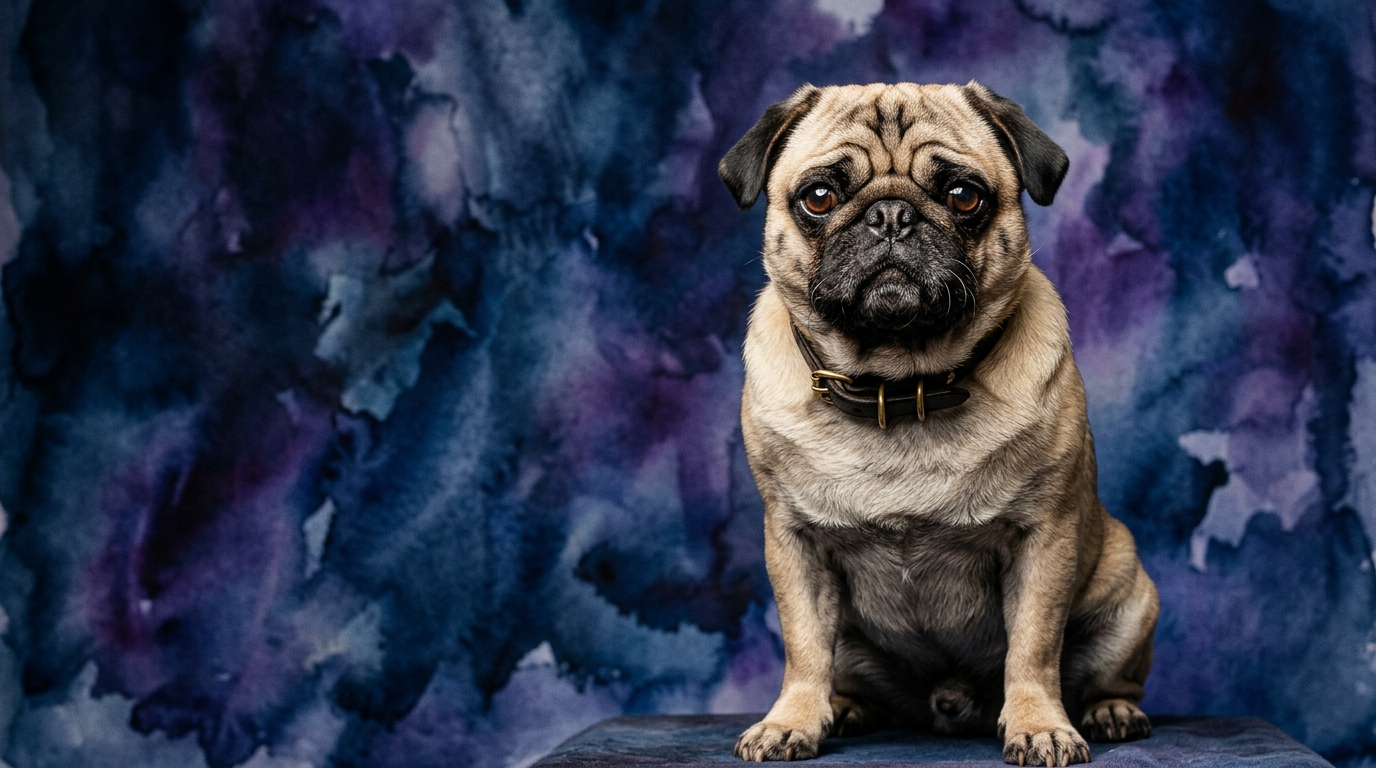
The Pug, a charming and ancient breed, is ranked #57 in Coren's intelligence scale, a position that speaks to its particular learning style rather than overall capability. Our Cosmic Pet Pet IQ Lab data assigns the Pug a Problem Solving score of 2/5, indicating a preference for routine over complex novel challenges, and a Training Speed of 2/5, meaning it typically requires more repetitions to grasp new commands. However, its Social Intelligence shines at a perfect 5/5, reflecting an exceptional ability to bond and communicate with humans and other animals. Its Instinctive Drive sits at 2/5, suggesting a low inherent motivation for traditional dog work, while its Memory is a solid 3/5, allowing it to retain learned behaviors and associations effectively over time.
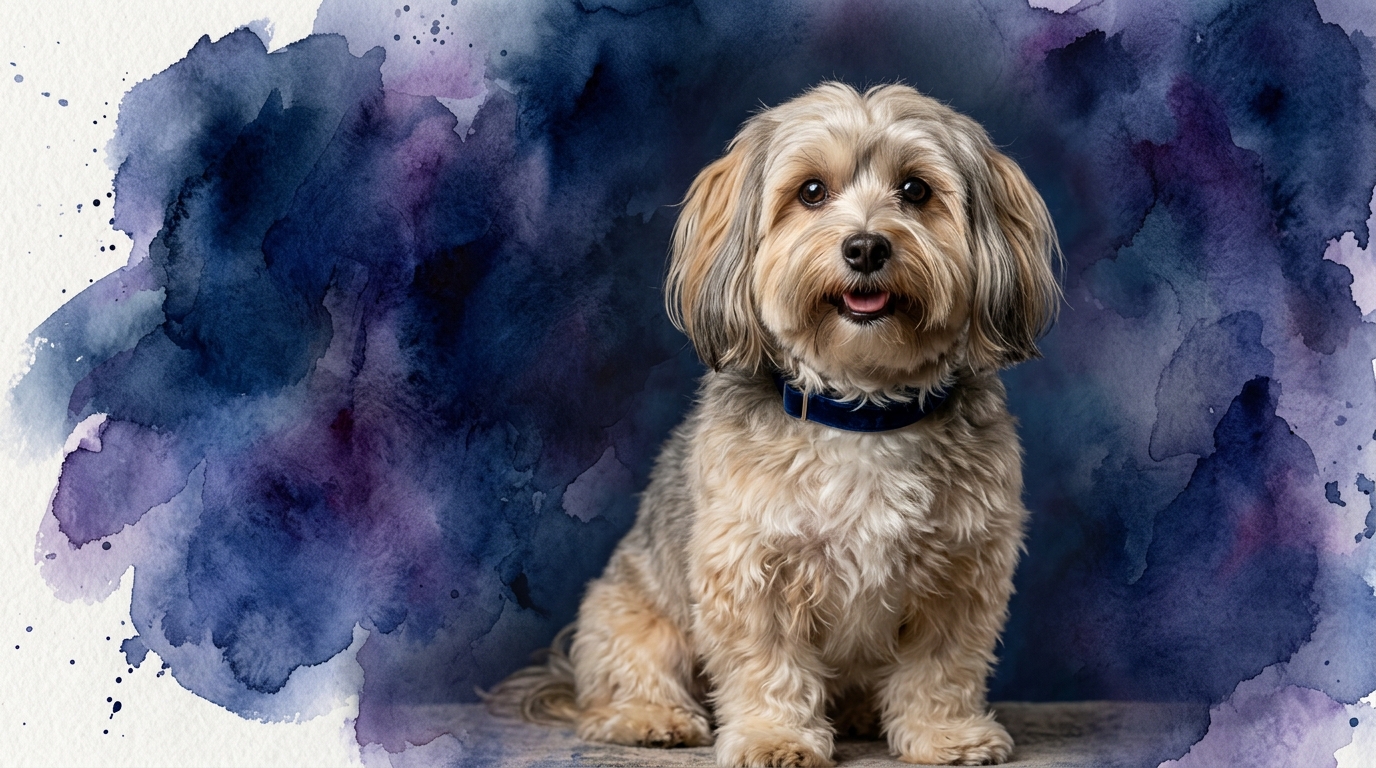
The Havanese, the spirited national dog of Cuba, does not appear on Coren's specific ranking, yet our internal IQ metrics paint a clear picture of its cognitive makeup. This breed earns a Problem Solving score of 3/5, indicating a slightly more adaptable approach to new situations and puzzles compared to the Pug. Its Training Speed is also a 3/5, suggesting it learns new tasks with moderate ease and fewer repetitions. Like the Pug, the Havanese boasts an impressive Social Intelligence score of 5/5, thriving on interaction and connection. Its Instinctive Drive is a modest 2/5, much like its Pug counterpart, underscoring its role as a companion rather than a working dog, and its Memory is rated 3/5, allowing for consistent recall of learned information.
Where the Pug's Mind Shines
The Pug's cognitive strength lies overwhelmingly in its exceptional Social Intelligence, scoring a perfect 5/5. This isn't merely about enjoying company; it's a sophisticated capacity for understanding human emotions, subtle cues, and social dynamics. A Pug can interpret a shift in tone or a change in body language with remarkable accuracy, often providing comfort or seeking interaction at precisely the right moment. This high social IQ makes them incredibly attuned companions, capable of forming deep, empathetic bonds, and excelling in roles where emotional support is paramount, such as therapy work where direct problem-solving isn't the primary requirement. Their ability to integrate seamlessly into a human family structure, adapting their behavior to the household's rhythm and emotional state, is a testament to this unique cognitive advantage.
While their Problem Solving and Training Speed scores are lower, the Pug's 3/5 Memory score, combined with its social acumen, means it effectively remembers the routines and people that define its world. They recall familiar faces, preferred walking routes, and the sequence of events leading to a treat or a cuddle. This memory, though not geared towards complex command sequences, is highly functional for navigating their social environment and reinforcing positive human interactions. For a breed whose primary "job" is companionship, remembering who provides comfort, where the best napping spots are, and the schedule of meals and walks is a significant cognitive asset, contributing to their contentment and the joy they bring to their owners.
Where the Havanese's Mind Excels
The Havanese exhibits a distinct edge in cognitive flexibility, particularly in Problem Solving and Training Speed, both rated 3/5. This means a Havanese is generally quicker to grasp new concepts and commands than a Pug, requiring fewer repetitions during training sessions. Their moderate problem-solving capacity allows them to navigate new environments or figure out simple puzzles with a bit more initiative. For instance, a Havanese might more readily experiment with different approaches to retrieve a hidden toy or open a gate, demonstrating a pragmatic and adaptable intellectual curiosity. This cognitive agility lends itself to a wider array of activities beyond basic companionship, such as learning complex tricks or engaging in dog sports like agility, where quick thinking and responsiveness are valued.
The Havanese's slightly higher Training Speed (3/5) is complemented by its robust Social Intelligence (5/5). This combination creates a highly trainable and responsive companion. While they share the Pug's deep desire for connection, the Havanese can translate that social drive into a more active engagement with learning. They are eager to please and quick to pick up on what is expected of them, making them receptive to positive reinforcement training methods. This responsiveness, coupled with their moderate memory (3/5), means they can not only learn but also reliably recall a broader repertoire of commands and behaviors, making them versatile partners for owners who enjoy interactive training and mental stimulation activities.
Trainability Showdown: Pug vs. Havanese
When it comes to formal training, the Havanese generally presents a more straightforward experience due to its higher Training Speed (3/5) and Problem Solving (3/5) scores. This breed typically requires fewer repetitions to learn a new command and is often more willing to experiment with behaviors to achieve a desired outcome. For example, teaching a Havanese to "stay" or "heel" might involve a quicker progression from initial introduction to reliable execution, as they are often more attuned to the learning process itself and enjoy the mental engagement. Their moderate problem-solving skills also mean they can sometimes generalize learned behaviors to new situations more readily.
The Pug, with its Training Speed of 2/5 and Problem Solving of 2/5, often requires a more patient and consistent approach. While Pugs are certainly capable of learning, they may need more repetitions and a highly motivating reward system to master new commands. Their cognitive style leans towards established routines and social interaction rather than active problem-solving for its own sake. For instance, a Pug might learn to sit reliably for a treat, but asking it to perform a complex sequence of actions or to adapt to a novel training scenario could be met with disinterest or a slower uptake. Owners should understand that Pug training is about building trust and routine, leveraging their social intelligence and memory for familiar patterns, rather than expecting rapid acquisition of complex skills. Their powerful social intelligence means they *want* to connect, but their cognitive processing for new tasks is simply at a different pace.
Ideal Companions: Matching Cognitive Profiles to Lifestyles
For the relaxed owner seeking an emotionally intuitive and low-key companion, the Pug's cognitive profile is a perfect match. Their exceptional Social Intelligence (5/5) means they excel at understanding and responding to human emotional states, making them superb companions for quiet evenings and comforting presences. Their lower Instinctive Drive (2/5) means they aren't constantly seeking out "work" or high-energy activities, preferring instead to be close by and involved in the family's daily, often sedentary, routines. Owners who appreciate a dog that is content with shorter walks and ample cuddle time, and who prioritize emotional connection over intricate tricks or demanding sports, will find the Pug's cognitive makeup to be a source of profound joy and easy companionship.
The Havanese, with its slightly higher Problem Solving (3/5) and Training Speed (3/5), coupled with its equally high Social Intelligence (5/5), is better suited for owners who enjoy a more interactive and mentally engaging relationship. While still a dedicated companion, a Havanese thrives on opportunities to learn new things, participate in moderate activity, and solve simple puzzles. Active owners who enjoy teaching tricks, engaging in short bursts of play, or even dabbling in beginner dog sports will find the Havanese's cognitive agility and eagerness to please highly rewarding. Their moderate instinctive drive means they are playful and curious without being overly demanding, making them adaptable to various activity levels, but they will certainly appreciate a bit more mental stimulation than their Pug counterparts.
The Verdict
Choose a Pug if you prioritize an unparalleled emotional bond and a companion whose cognitive strengths lie in social understanding and maintaining comforting routines, ideal for a more relaxed home environment.
Opt for a Havanese if you desire a highly social dog with a bit more cognitive flexibility and eagerness for interactive learning, making them a better fit for owners who enjoy engaging in training and moderate mental stimulation.
🧠 Find Your Pet's IQ Score
Our Pet IQ Lab assessment covers 25+ tests across 5 cognitive dimensions — personalized to your breed.
Take the Full IQ Test →Frequently Asked Questions
Does a Pug's Coren ranking of #57 mean it's not intelligent?
The Coren ranking primarily measures 'working intelligence' or 'obedience intelligence,' reflecting how quickly a dog learns commands. A Pug's #57 rank indicates it typically requires more repetitions, but this doesn't diminish its strong social intelligence or memory for routines, which are vital for companionship.
Can a Havanese learn complex tricks or participate in dog sports?
Yes, with its Problem Solving and Training Speed scores of 3/5, combined with high Social Intelligence, a Havanese is well-suited for learning a variety of tricks and can excel in beginner to intermediate dog sports like agility or obedience, enjoying the mental engagement.
Which breed is better for first-time dog owners, considering their IQ profiles?
Both breeds can be excellent for first-time owners, but the Havanese's slightly higher Training Speed might make the initial obedience training process feel more rewarding for a novice. However, if a first-time owner prioritizes an intuitive emotional connection and is prepared for more patient training, the Pug's social intelligence makes it a wonderful companion.