Side-by-Side Cognitive Profiles
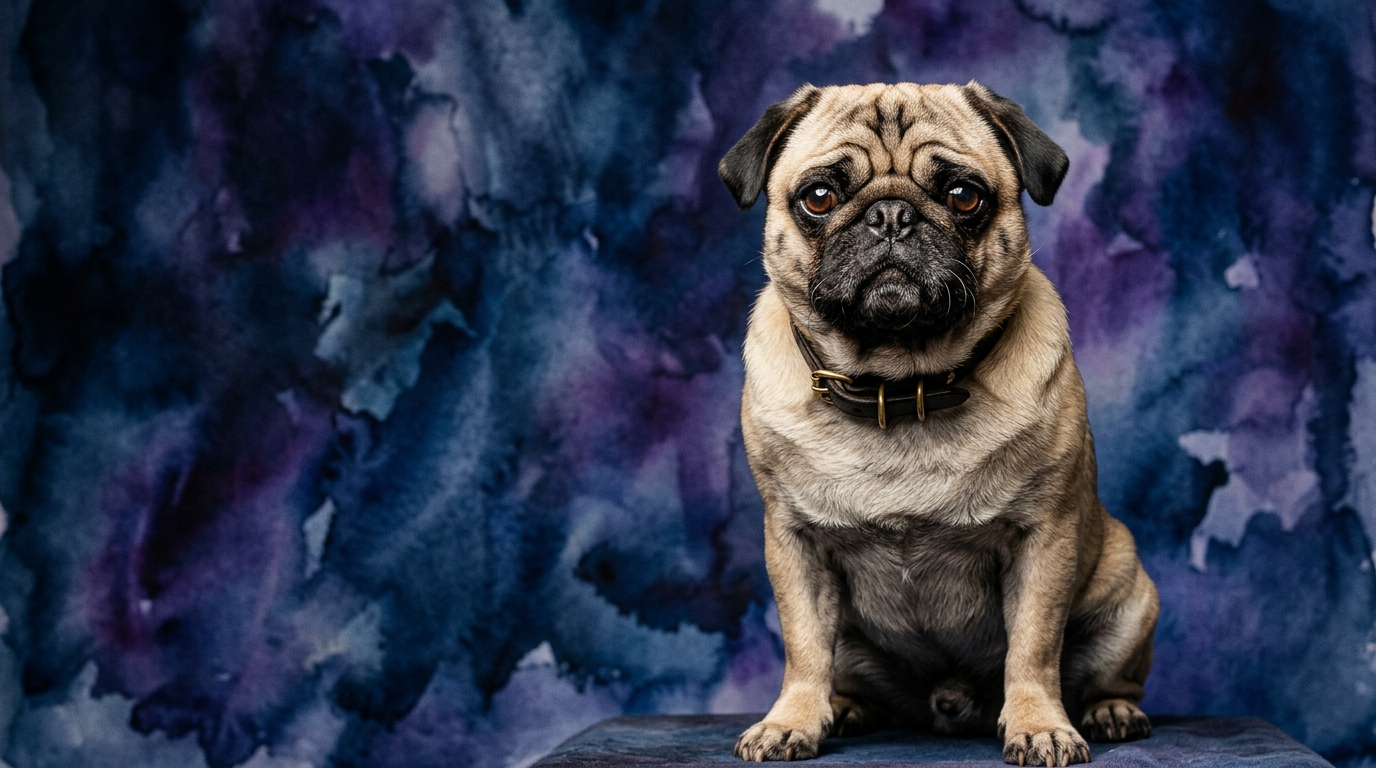
The Pug, a Toy breed Coren-ranked #57, showcases a unique blend of mental attributes. Their Problem Solving is rated 2/5, indicating they aren't wired for complex, independent tasks, often relying on their human for guidance. Training Speed also sits at 2/5, suggesting a need for patience and high motivation during learning, as their attention can wander. However, their Social Intelligence is a remarkable 5/5, demonstrating an exceptional capacity to understand and interact with human emotions and social cues. Their Instinctive Drive is low at 2/5, reflecting their role as companions, while their Memory is an average 3/5, sufficient for routines and familiar faces.
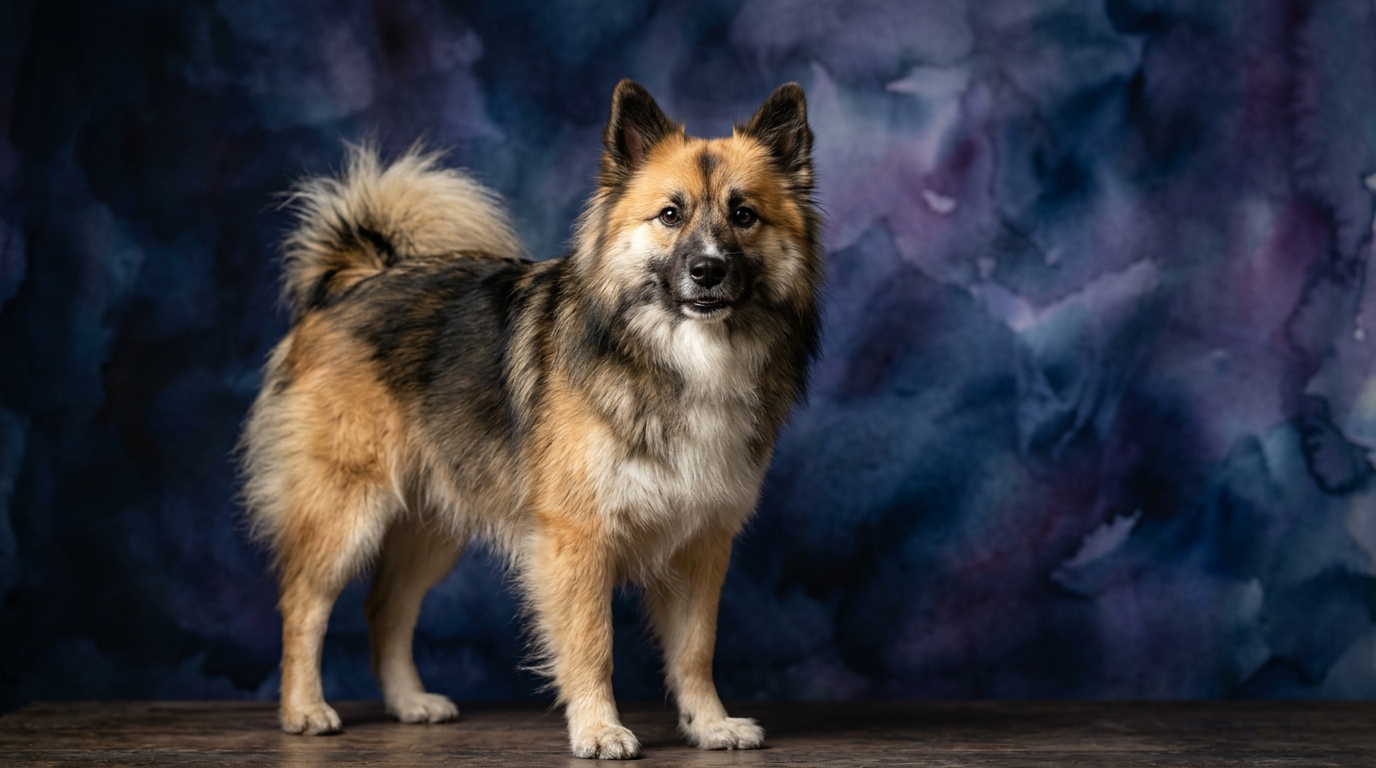
Though not Coren-ranked, the Icelandic Sheepdog, a Herding breed, presents a different cognitive landscape. Their Problem Solving is a solid 3/5, allowing them to navigate moderate challenges and adapt to changing situations, often related to their environment or perceived duties. Training Speed also scores 3/5; they are generally receptive learners who enjoy engagement but possess a degree of independent thought. Social Intelligence is 3/5, meaning they are affable and cooperative but perhaps less attuned to subtle human emotional shifts than a Pug. Their Instinctive Drive is 3/5, manifesting as a watchful nature and a desire to "manage" their surroundings or flock, and their Memory is also 3/5, capable of retaining commands, boundaries, and learned behaviors.
Where the Pug Wins Cognitively
The Pug's undisputed cognitive strength lies in its profound Social Intelligence, scoring a perfect 5/5. This isn't just about being friendly; it's about an exquisite sensitivity to human emotions and social dynamics. Pugs excel at reading subtle shifts in body language, vocal tone, and mood, often responding with comforting presence or playful attempts to lighten the atmosphere. Their "problem-solving" often manifests as ingenious ways to elicit affection or treats from their humans, demonstrating a deep understanding of social leverage. They thrive on close human interaction, understanding their role as a devoted companion and adapting their behavior to fit seamlessly into family life, making them exceptional emotional support animals and family members.
Where the Icelandic Sheepdog Wins Cognitively
The Icelandic Sheepdog's cognitive advantages are rooted in its working heritage, particularly in its Problem Solving (3/5) and Instinctive Drive (3/5). These dogs possess a functional intelligence that enables them to assess situations and make decisions relevant to their environment or perceived duties. Their moderate problem-solving skills mean they can figure out how to navigate obstacles, learn complex sequences in training, or even outsmart a gate latch if motivated. Their instinctive drive, while not as intense as some herding breeds, provides the motivation for purposeful activity and a watchful awareness of their surroundings, leading to a natural aptitude for tasks that require observation, initiative, and a degree of independent thinking, such as agility or herding games.
Which is Easier to Train and Why
When it comes to ease of training, the Icelandic Sheepdog generally presents a more straightforward path, largely due to its Training Speed (3/5) and intrinsic motivation for engagement. These dogs possess a desire for a "job" and often view training as a cooperative activity, responding well to consistent, positive reinforcement and clear directives. Their moderate problem-solving skills help them grasp new concepts and sequences more readily. Pugs, with a Training Speed of 2/5, can be more challenging. While they are eager to please their beloved humans, their independent streak and tendency to prioritize comfort or immediate gratification can lead to distractibility. Training a Pug requires short, engaging sessions, high-value rewards, and immense patience, as their social intelligence means they understand what you want, but their lower problem-solving and attention span can make execution inconsistent.
Which Suits Active Owners vs. Relaxed Owners
The distinction between these breeds is stark when considering owner lifestyles. The Pug is an ideal match for relaxed owners who appreciate a devoted, low-energy companion. Their low Instinctive Drive (2/5) means they require minimal strenuous exercise; short walks and indoor play are usually sufficient. They are content to spend their days napping on laps, following their humans from room to room, and generally thriving on close physical and emotional proximity. Their primary need is companionship and comfort, making them perfect for apartment living or less active individuals. In contrast, the Icelandic Sheepdog is best suited for active owners. Their moderate Instinctive Drive (3/5) and herding background necessitate significant physical and mental exercise. These dogs thrive when given a purpose, whether it's long hikes, participation in dog sports like agility or herding, or engaging puzzle toys. Without adequate stimulation, an Icelandic Sheepdog can become bored and potentially destructive, whereas a Pug would simply seek out the nearest comfortable napping spot.
The Verdict
Opt for a Pug if you prioritize an emotionally astute, low-maintenance companion who excels at social bonding and thrives on being a cherished, relaxed family member.
Select an Icelandic Sheepdog if you lead an active lifestyle, are prepared to provide consistent mental challenges, and seek a cooperative, task-oriented canine partner with a zest for purposeful engagement.
🧠 Find Your Pet's IQ Score
Our Pet IQ Lab assessment covers 25+ tests across 5 cognitive dimensions — personalized to your breed.
Take the Full IQ Test →Frequently Asked Questions
Are Pugs truly difficult to train?
While not inherently "difficult," Pugs can be challenging due to their independent nature and shorter attention span, reflected in their 2/5 training speed. They respond best to positive reinforcement, high-value treats, and short, fun training sessions that capitalize on their desire to please their humans socially.
What kind of mental stimulation does an Icelandic Sheepdog need?
Icelandic Sheepdogs require significant mental stimulation to prevent boredom, given their moderate problem-solving skills and instinctive drive. This can include dog sports like agility, obedience, or herding, interactive puzzle toys, regular training sessions, and opportunities to "work" or explore during walks.
How do their social skills differ in a family setting?
Pugs, with their 5/5 social intelligence, are exceptionally attuned to human emotions, often acting as sensitive emotional barometers and seeking close physical comfort. Icelandic Sheepdogs, at 3/5 social intelligence, are friendly and cooperative, but their social interactions are more task-oriented and less focused on subtle emotional nuances, making them good family dogs who appreciate inclusion but may not be as overtly "empathetic" as a Pug.