Side-by-side IQ profile
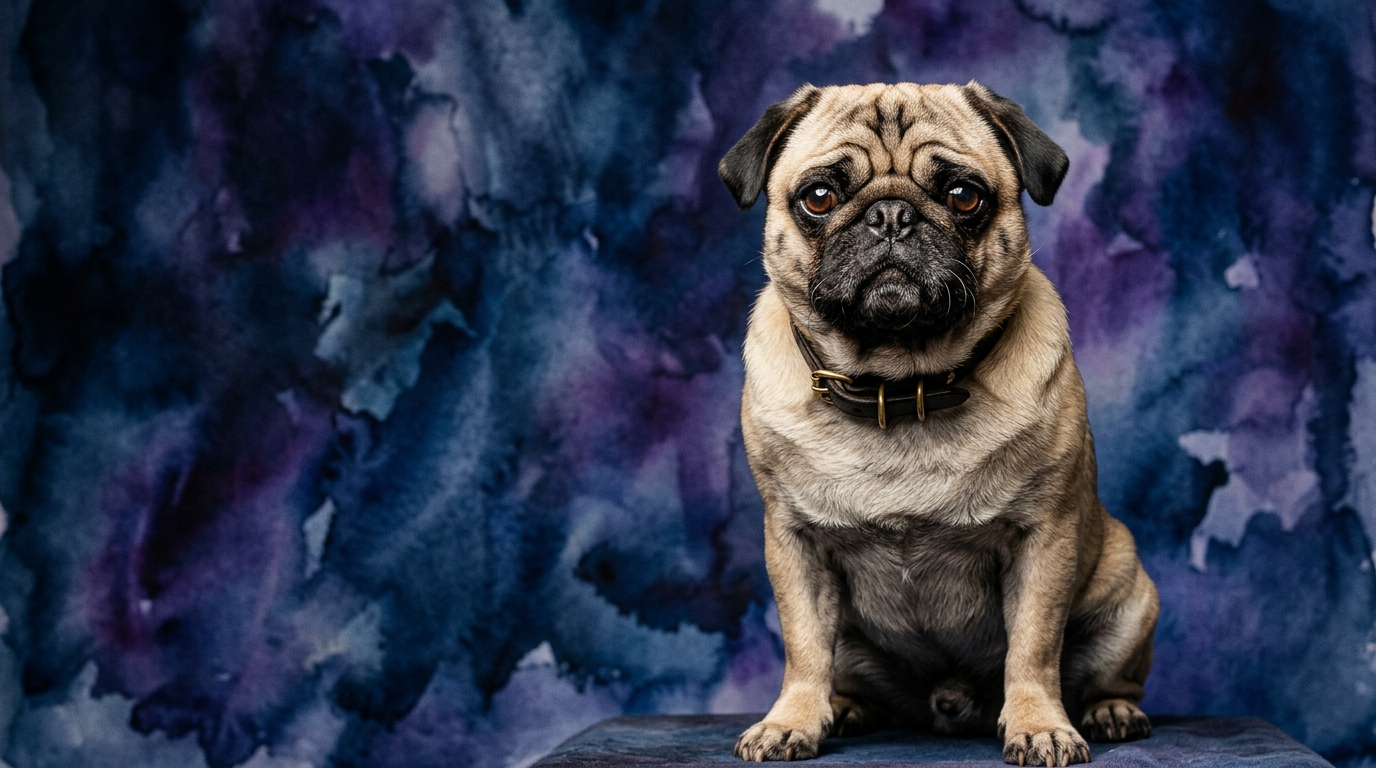
The Pug, a Toy breed, presents a distinct cognitive profile geared towards companionship. Their problem-solving capacity, rated at 2/5, suggests they may not be inclined to independently navigate complex environmental puzzles or devise intricate solutions. Similarly, their training speed, also 2/5, indicates that consistent repetition and patience are key when introducing new commands or behaviors. While not quick to pick up new tricks, their memory, at a respectable 3/5, means once a lesson is learned, it tends to stick.
The true cognitive triumph of the Pug lies in their social intelligence, which scores an exceptional 5/5. This dimension reflects their profound ability to understand and respond to human emotions, cues, and social dynamics, making them masters of connection. Their instinctive drive, rated 2/5, is relatively low, meaning they possess less inherent motivation for traditional working dog tasks like hunting or guarding, instead prioritizing interaction and comfort.
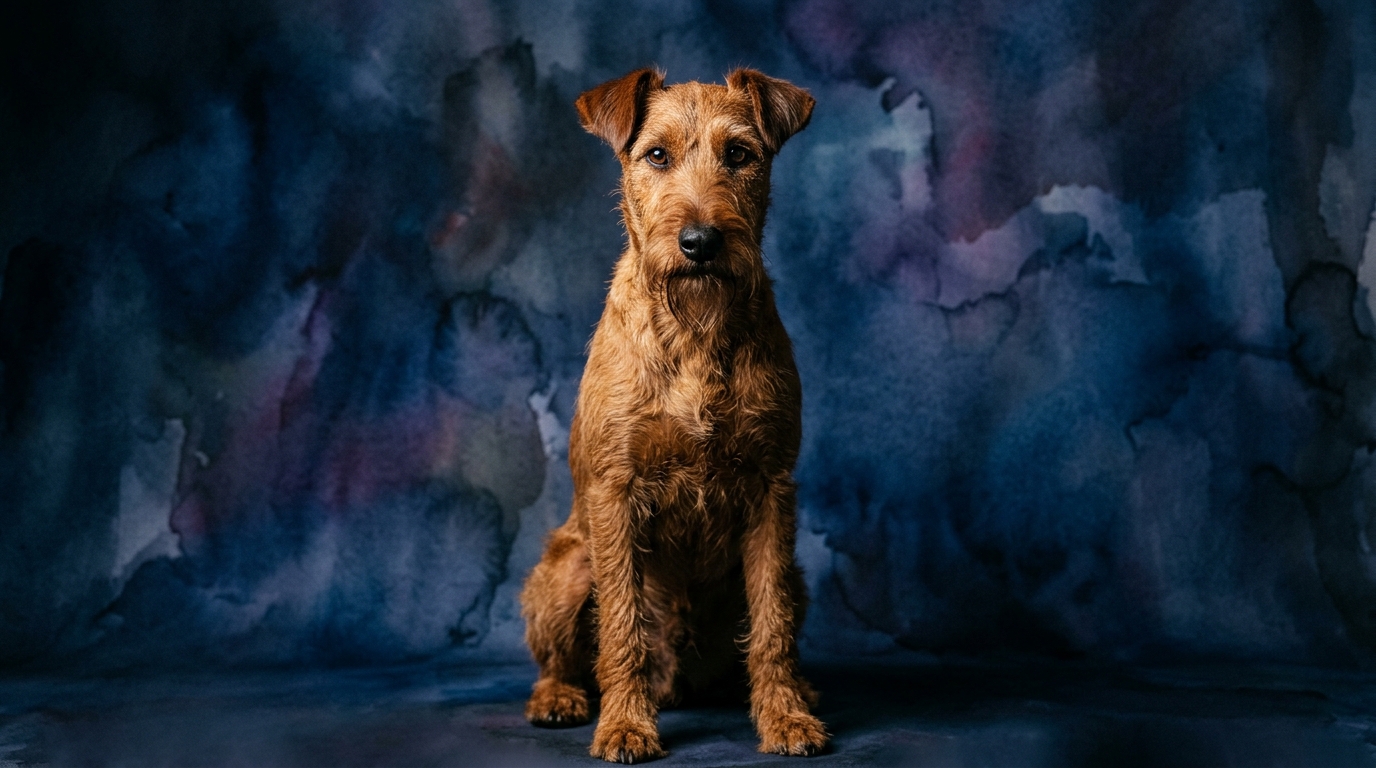
The Irish Terrier, a spirited member of the Terrier group, exhibits a more balanced and moderately capable cognitive profile, reflecting their history as versatile working dogs. Their problem-solving aptitude is rated 3/5, indicating a moderate ability to assess situations and figure out solutions independently, a useful trait for a dog tasked with ridding properties of pests. Their training speed, also 3/5, suggests they are reasonably receptive to learning, capable of picking up new commands at a steady pace with engaging methods.
The Irish Terrier's social intelligence sits at 3/5, meaning they are capable of forming strong bonds and understanding human cues, though perhaps not with the same nuanced intensity as the Pug. Their instinctive drive, also 3/5, points to a natural inclination for activity, exploration, and pursuing tasks, consistent with their terrier heritage. Finally, their memory, like the Pug's, is rated 3/5, implying a solid capacity to retain learned information and experiences over time.
Where Pug wins cognitively
The Pug's undisputed cognitive advantage lies in their extraordinary social intelligence, scoring a perfect 5/5. This isn't merely about being friendly; it signifies a profound capacity for emotional attunement and understanding of human social cues. Pugs are adept at reading body language, discerning mood shifts, and even anticipating their owner's desires, often before a verbal command is given. This high level of social cognition allows them to integrate seamlessly into human families, becoming highly intuitive and comforting companions.
This superior social intelligence translates into a unique ability to form deep, empathetic bonds. A Pug excels at providing emotional support, often acting as a mirror to their owner's feelings. They are masters of non-verbal communication within a human context, using subtle expressions and actions to convey their needs or respond to ours. This makes them exceptionally responsive to positive reinforcement rooted in social praise and affection, cementing their role as devoted family members.
Where Irish Terrier wins cognitively
The Irish Terrier's cognitive strengths are rooted in their balanced and practical intelligence, particularly evident in their problem-solving and instinctive drive, both rated 3/5. Unlike the Pug, who might wait for direction, the Irish Terrier possesses a moderate capacity for independent thought and initiative. This allows them to assess novel situations and often devise their own solutions, a valuable trait for a dog historically expected to work without constant human oversight, such as navigating complex terrain or outsmarting clever vermin.
Their moderate training speed (3/5) also gives them an edge in acquiring new skills and commands more readily than the Pug. This isn't just about speed; it's about a willingness to engage with tasks and a capacity to connect actions with consequences more efficiently. Coupled with their inherent instinctive drive, Irish Terriers are more naturally inclined to participate in activities that require focus, persistence, and a degree of independent decision-making, such as agility, earthdog trials, or advanced obedience. Their robust memory (3/5) ensures that these learned skills and problem-solving strategies are retained effectively.
Which is easier to train and why
When evaluating ease of training, the Irish Terrier (training speed 3/5) generally presents a slightly more receptive learner than the Pug (training speed 2/5). The Irish Terrier's moderate training speed suggests they can grasp new concepts with fewer repetitions and a quicker understanding of what is being asked of them. Their moderate instinctive drive also means they can be more readily motivated by task-oriented rewards and the satisfaction of accomplishment, alongside praise. This doesn't imply they are effortlessly compliant, as terriers can possess a stubborn streak, but their cognitive framework is more aligned with structured learning.
The Pug, with a training speed of 2/5, requires significant patience and a highly positive reinforcement approach. While they are eager to please their beloved humans due to their high social intelligence, their cognitive processing for learning new commands can be slower. They may need more consistent repetition and highly enticing rewards, often food-based, to solidify new behaviors. Their lower problem-solving score also means they are less likely to "figure out" what you want on their own; they rely more on clear, consistent guidance. Effective training for a Pug leverages their desire for human connection, making praise and affection powerful motivators, but the pace of learning will typically be more deliberate.
Which suits active owners vs relaxed owners
Owners seeking a low-key companion content with a gentle pace of life will find the Pug's laid-back nature and strong social drive a perfect fit. Their low instinctive drive (2/5) means they have less inherent need for intense physical activity or complex mental challenges. Pugs are generally happy with short walks, cuddle sessions, and being an integral part of their human's daily routine, often content to snooze nearby. Their exceptional social intelligence makes them ideal for individuals or families who prioritize affectionate interaction and a dog whose primary role is that of a devoted, comforting presence.
Conversely, the Irish Terrier thrives with active individuals or families who can channel their robust instinctive drive (3/5) and moderate problem-solving skills (3/5) into engaging activities. These dogs possess a zest for life and require regular physical exercise, such as brisk walks, runs, or structured play, to keep them mentally and physically stimulated. Their moderate training speed and drive make them suitable for dog sports like agility or obedience, which provide an outlet for their energy and cognitive abilities. An Irish Terrier owner should be prepared for a spirited companion who enjoys being involved in adventures and benefits from consistent mental engagement.
The Verdict
For those seeking an exceptionally affectionate, emotionally intuitive companion whose greatest joy is close human connection and a relaxed lifestyle, the Pug is an unparalleled choice.
If you desire a spirited, moderately independent, and trainable companion who thrives on activity and engagement, and can hold their own in problem-solving scenarios, the Irish Terrier will prove a rewarding partner.
🧠 Find Your Pet's IQ Score
Our Pet IQ Lab assessment covers 25+ tests across 5 cognitive dimensions — personalized to your breed.
Take the Full IQ Test →Frequently Asked Questions
Are Pugs difficult to train because of their intelligence?
Pugs aren't "difficult" to train, but their training speed (2/5) means they learn at a slower pace and require more repetition. Their high social intelligence means they respond well to positive reinforcement and praise from their beloved humans.
Can Irish Terriers live in apartments?
Irish Terriers can adapt to apartment living if their significant exercise and mental stimulation needs are consistently met. Their instinctive drive (3/5) means they require daily vigorous activity and engaging play to prevent boredom.
How do these breeds typically interact with children?
Pugs, with their high social intelligence (5/5), are generally gentle and patient with children, often forming strong bonds. Irish Terriers, while loyal and protective, require early socialization and supervision, as their moderate instinctive drive can make them more boisterous during play.