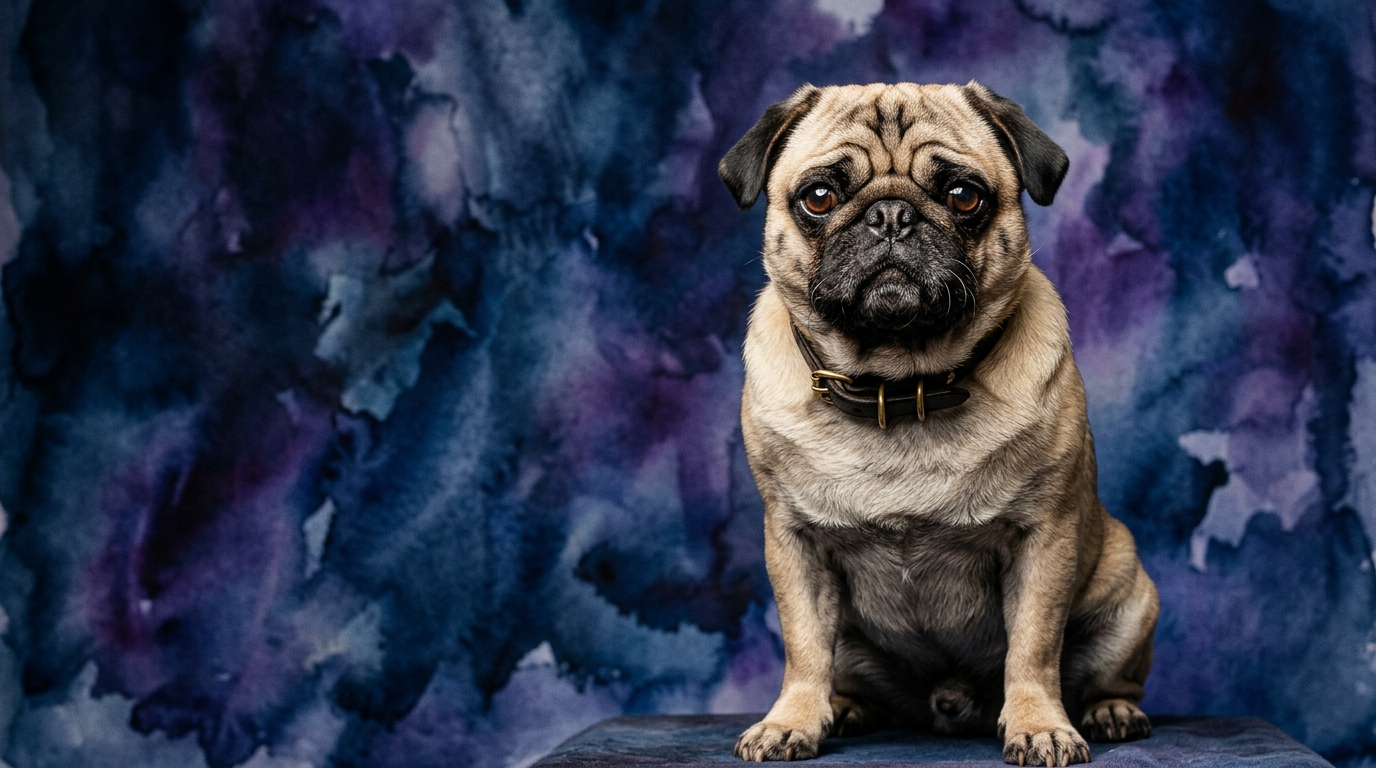
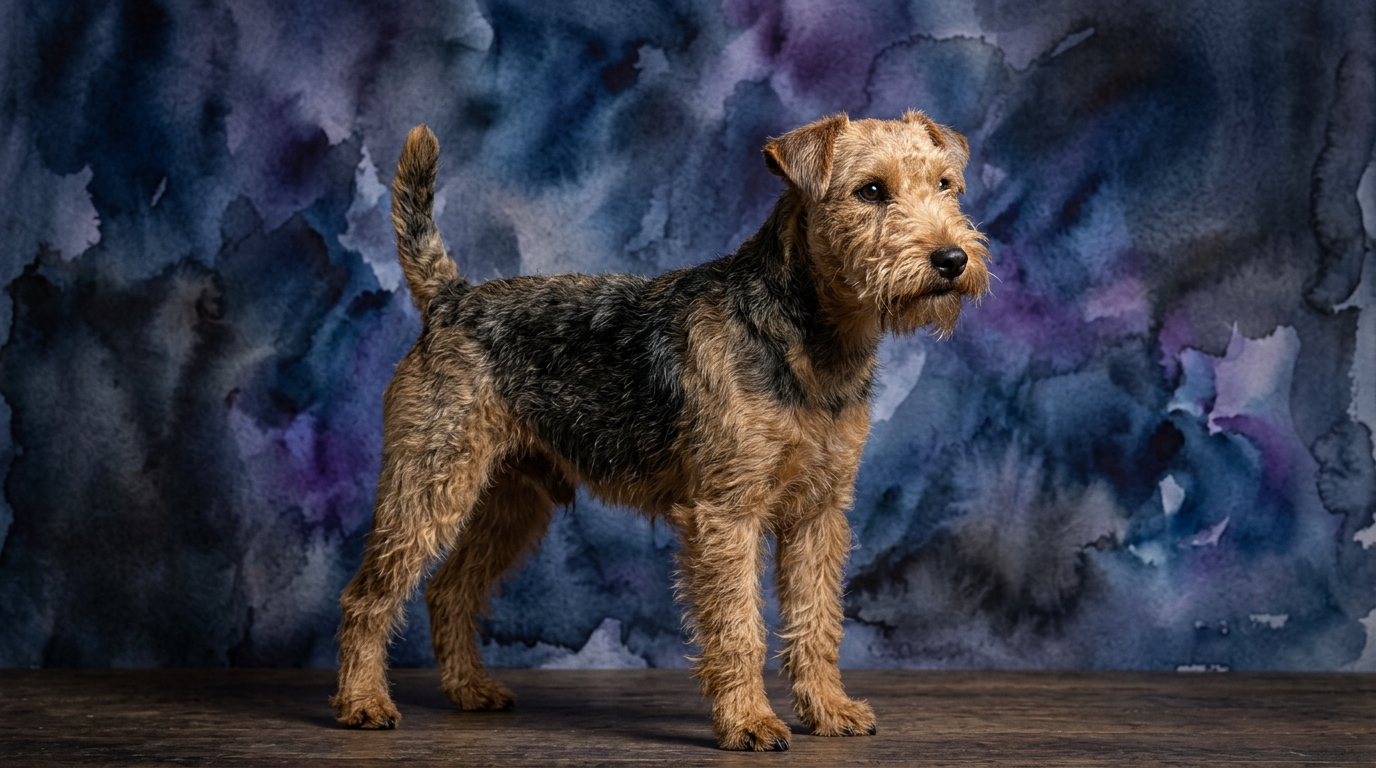
Side-by-Side IQ Profile: Pug vs. Lakeland Terrier
The Cosmic Pet Pet IQ Lab offers a comprehensive look at canine cognitive dimensions, providing a granular understanding beyond traditional rankings. For the Pug, a breed often celebrated for its charm, its Coren rank of #57 hints at a certain type of intelligence. In our metrics, the Pug scores 2/5 in Problem Solving, indicating they are not typically inclined to independently tackle complex puzzles or novel environmental challenges, often preferring human intervention or established routines. Their Training Speed is also 2/5, suggesting they may require more patience and repetition to master new commands, though their motivation often stems from a different source. Where the Pug truly excels is in Social Intelligence, scoring a perfect 5/5. This dimension reflects their profound ability to read and respond to human emotions and social cues, making them exceptionally empathetic companions. Their Instinctive Drive is a low 2/5, meaning they have minimal innate urges for hunting, digging, or independent 'work.' Finally, their Memory is rated 3/5, an average capacity for recalling routines and experiences.
The Lakeland Terrier, while not appearing on Coren's widely cited ranking, presents a distinct cognitive profile reflective of its working terrier heritage. In Problem Solving, the Lakeland scores a respectable 3/5, demonstrating a moderate capacity for figuring out solutions to environmental challenges, particularly when motivated by a reward or an inherent drive. Their Training Speed is also 3/5, indicating they can learn new commands at a moderate pace, though their independence can sometimes influence their responsiveness. The Lakeland's Social Intelligence is rated 3/5; they are capable of forming strong bonds with their family but are generally less overtly people-focused than a Pug, possessing a more independent streak. Their Instinctive Drive, at 3/5, is notably higher than the Pug's, reflecting their historical role in hunting vermin, which translates into a moderate drive for chasing, digging, and exploring. Like the Pug, their Memory is rated 3/5, indicating an average recall for learned behaviors and past events.
Where the Pug Wins Cognitively
The Pug's undisputed cognitive strength lies in its profound social intelligence. Scoring a perfect 5/5, this breed demonstrates an unparalleled ability to read human emotions, anticipate needs, and form deep, empathetic bonds. A Pug isn't just present; it's actively engaging with your mood, offering comfort, or soliciting play with a nuanced understanding of social cues. Their cognitive processing is heavily geared towards interaction, making them maestros of companionship. While they might not excel at complex puzzle-solving, their intuitive grasp of social dynamics means they 'solve' the human-dog relationship with remarkable finesse, often seeming to understand unspoken wishes. This isn't just about being affectionate; it's a sophisticated form of intelligence that allows them to seamlessly integrate into human family structures, often becoming the emotional anchor of a household.
Where the Lakeland Terrier Wins Cognitively
The Lakeland Terrier shines brightest in areas demanding independent thought and practical application, particularly in problem-solving and leveraging their instinctive drives. With a 3/5 in problem-solving, they demonstrate a greater capacity for figuring out how to achieve a goal, whether it’s navigating a tricky toy puzzle or strategizing how to reach a tempting treat. This cognitive edge stems from their working heritage, where they were bred to think on their feet and overcome obstacles independently. Their moderate instinctive drive (3/5) complements this, fueling an innate curiosity and a willingness to engage with their environment in a proactive manner. Unlike the Pug, who might wait for human intervention, a Lakeland is more inclined to experiment, explore, and utilize their physical and mental resources to achieve their objectives. This translates into a dog that enjoys challenges and can often devise clever solutions to perceived 'problems' in their daily lives, from escaping a slightly ajar gate to uncovering a buried treasure in the garden.
Which is Easier to Train and Why
When assessing ease of training, the Pug and Lakeland Terrier present distinct profiles. The Pug, despite its 2/5 training speed, possesses a powerful asset in its 5/5 social intelligence. This means Pugs are inherently motivated by human approval and connection. While they may take more repetitions to grasp new commands, their desire to please and their sensitivity to human cues make them responsive to patient, positive reinforcement. Training a Pug often feels like a collaborative effort, where their cognitive focus is on maintaining harmony with their person. However, their lower instinctive drive (2/5) means they might lack the inherent 'go-getter' attitude for complex tasks, sometimes appearing stubborn when disengaged. Consistency and making training fun, almost like a social game, are paramount.
In contrast, the Lakeland Terrier, with its 3/5 training speed, can pick up commands more readily. Their 3/5 problem-solving and instinctive drive mean they are often curious and enjoy mental stimulation. However, their moderate social intelligence (3/5) and independent terrier spirit mean they might weigh the 'fun' of obeying against the 'fun' of pursuing their own interests, like chasing a squirrel. Training a Lakeland requires creativity, making tasks feel like engaging challenges, and establishing clear leadership. They respond well to varied routines and activities that tap into their natural drive, but their independent streak means they are less likely to be blindly obedient; they need to be convinced that cooperation is the most rewarding path. Therefore, while a Pug might be slower but more consistently compliant due to social motivation, a Lakeland might learn faster but require more strategic engagement to maintain focus and obedience.
Which Suits Active Owners vs. Relaxed Owners
The ideal owner profile for each breed is largely dictated by their cognitive makeup and associated behavioral tendencies. The Pug, with its profound social intelligence and lower instinctive drive, is an exemplary match for relaxed owners who prioritize companionship and emotional connection. Their cognitive energy is primarily directed towards observing and interacting with their human family, thriving in environments where they can be central to daily life. They are content with moderate physical activity and prefer mental stimulation that revolves around interaction, cuddles, and perhaps learning a few simple tricks to earn praise. An owner who values a quiet, empathetic presence and enjoys a dog deeply attuned to their emotional state will find the Pug's cognitive strengths perfectly align with their lifestyle.
Conversely, the Lakeland Terrier is better suited for active, engaging owners who are prepared to channel their dog's problem-solving acumen and moderate instinctive drive. These dogs thrive on activities that provide mental and physical challenges, such as agility, earthdog trials, or extensive walks that allow for exploration and scent work. Their independent spirit means they appreciate an owner who can provide structured activities and consistent training, transforming their natural curiosity and drive into constructive outlets. An owner who enjoys outdoor adventures, interactive games, and a dog that approaches the world with a spirited, investigative mind will find the Lakeland Terrier's cognitive profile to be a rewarding companion.
The Verdict
For those seeking an intensely social and empathetic companion whose primary cognitive focus is human connection and emotional attunement, the Pug is an unparalleled choice.
If you desire an independent, spirited dog that enjoys solving challenges and thrives on engaging activities, the Lakeland Terrier's cognitive strengths make them an excellent match.
🧠 Find Your Pet's IQ Score
Our Pet IQ Lab assessment covers 25+ tests across 5 cognitive dimensions — personalized to your breed.
Take the Full IQ Test →Frequently Asked Questions
Are Pugs truly stubborn, or is it something else?
Pugs can appear stubborn due to their lower instinctive drive for 'work' and preference for comfort over complex tasks. Their cognitive energy is primarily directed towards social interaction, so they respond best when training leverages their desire for connection and positive reinforcement, rather than expecting independent task completion.
How can I stimulate a Lakeland Terrier's mind?
Lakeland Terriers thrive on mental stimulation that engages their problem-solving and instinctive drives. Activities like puzzle toys, scent work, earthdog trials, agility, or varied training sessions that feel like games are excellent ways to keep their sharp minds occupied and prevent boredom.
Does Coren's ranking fully capture a dog's intelligence?
Coren's ranking primarily assesses 'working and obedience intelligence,' focusing on trainability and obedience. It doesn't fully encompass other vital cognitive dimensions like social intelligence, problem-solving, or instinctive drives, which are equally important for understanding a breed's overall intellectual profile and suitability for different lifestyles.