Side-by-Side Cognitive Profiles: Pug vs. Lhasa Apso
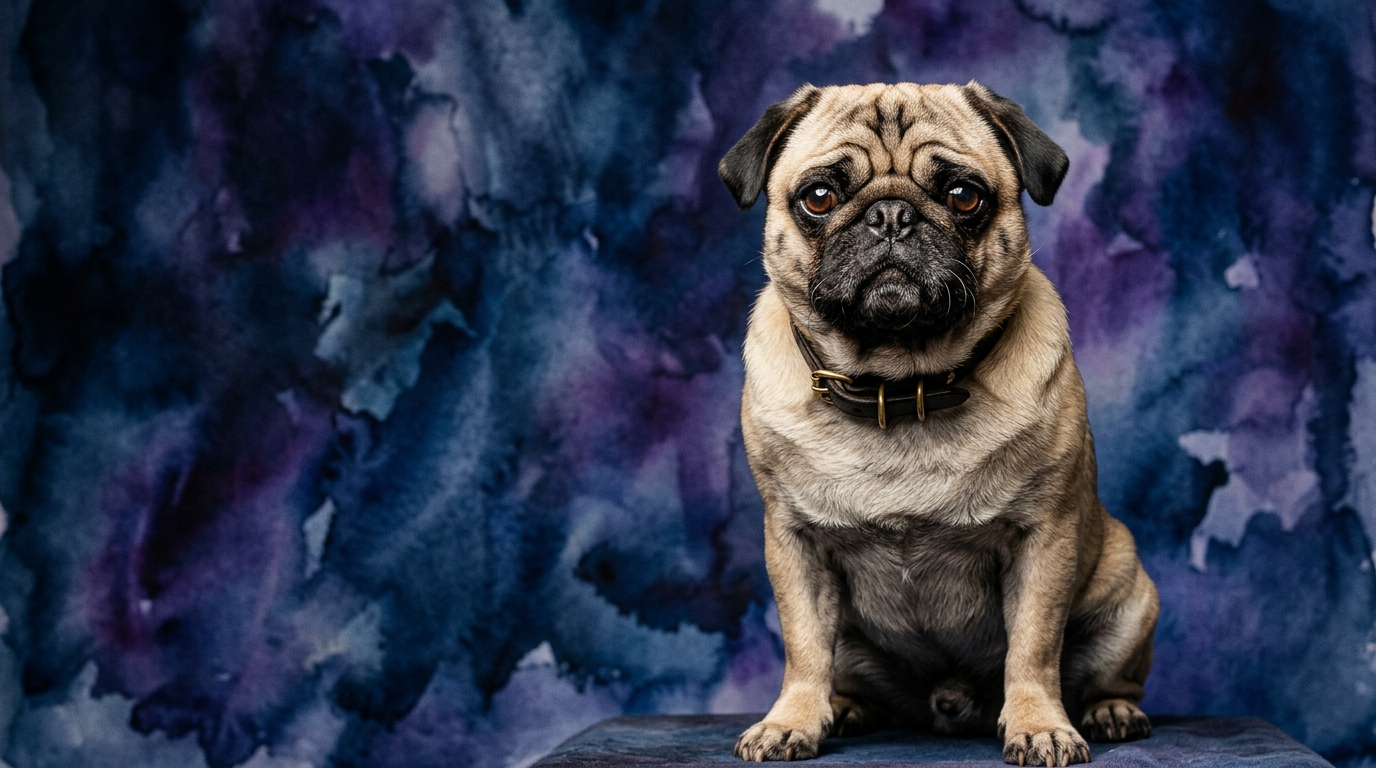
The Cosmic Pet Pet IQ Lab employs a five-dimensional framework to assess canine intelligence, offering a granular view beyond simple 'smart' labels. For the Pug, a Toy group member with a Coren ranking of #57, their cognitive blueprint emphasizes connection over complex independent thought. Their Problem Solving ability rates at 2/5, suggesting they may struggle with novel, multi-step challenges, often preferring to look to their human for solutions rather than devising their own intricate strategies. Training Speed for Pugs also stands at 2/5, indicating that while they are certainly capable of learning, acquiring new commands might require more repetition and a patient, engaging approach from their trainers. However, where Pugs truly shine is in Social Intelligence, scoring a perfect 5/5. They are profoundly empathetic, highly attuned to human emotions, and excel at forming deep, responsive bonds, making them exceptional companion animals. Their Instinctive Drive is a moderate 2/5, meaning they possess a low innate urge for tasks like hunting or vigilant guarding, instead gravitating towards comfort and interaction. Finally, their Memory is assessed at 3/5, allowing them to retain routines and basic commands with reasonable consistency.
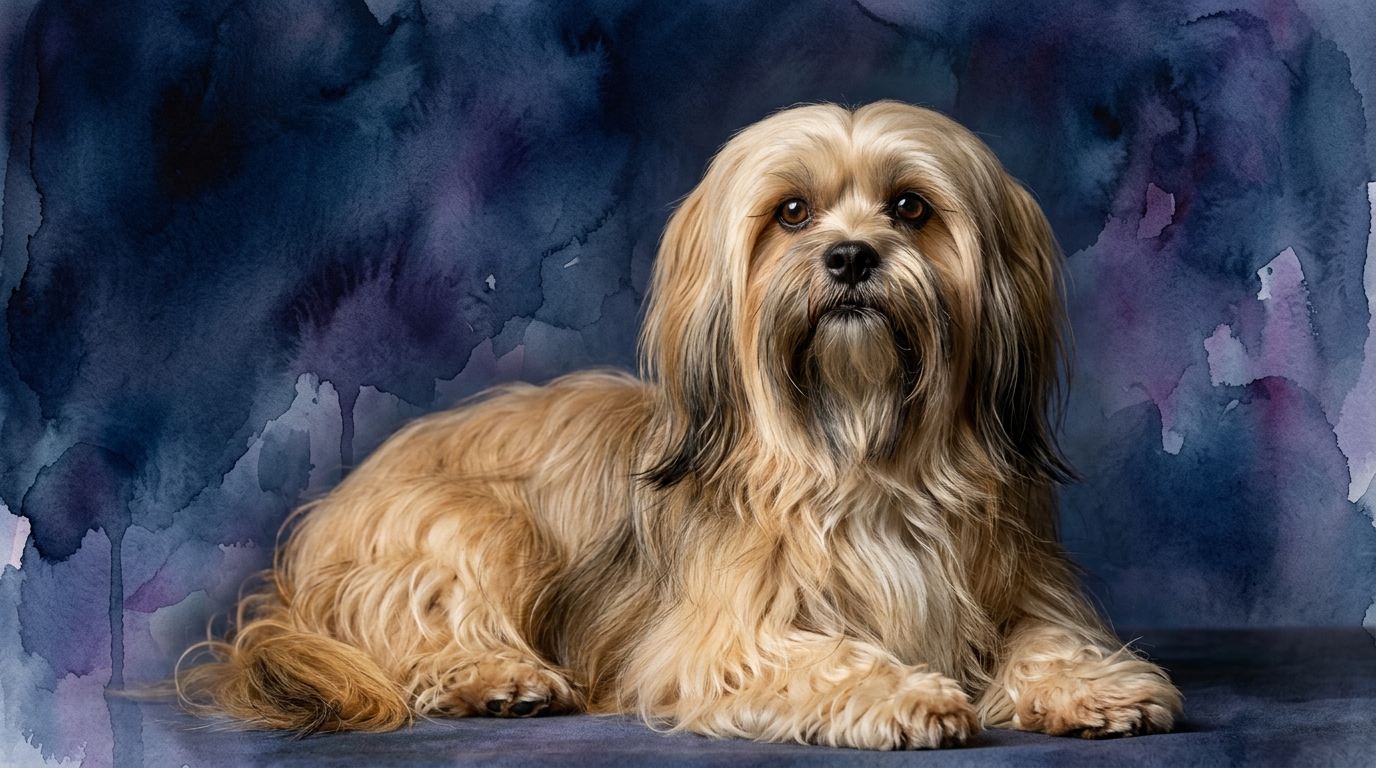
Shifting our focus to the Lhasa Apso, a Non-Sporting breed with a Coren rank of #68, we uncover a different set of cognitive priorities, reflecting their historical role as watchful sentinels. Their Problem Solving ability is rated at 3/5, indicating a slightly greater aptitude for navigating environmental puzzles or finding ways to achieve their desires, perhaps demonstrating a more independent streak in their approach to challenges. In terms of Training Speed, the Lhasa Apso also scores 3/5. They can grasp new concepts at an average pace, but their inherent independence means that motivation and perceived value of the task play a significant role in their willingness to comply. Social Intelligence for the Lhasa Apso registers at 3/5. While deeply loyal to their chosen family, they tend to be more reserved and discerning, often forming strong bonds with a select few rather than seeking broad social engagement. Their Instinctive Drive is 3/5, a reflection of their historical purpose as alert watchdogs, possessing a moderate urge to observe and react to their surroundings. Like the Pug, the Lhasa Apso's Memory is rated at 3/5, suggesting a similar ability to recall learned behaviors and routines effectively.
Where the Pug Excels Cognitively
The Pug’s undeniable cognitive strength lies in their exceptional Social Intelligence, where they achieve a perfect 5/5. This isn't merely about being friendly; it signifies a profound capacity for emotional attunement and reciprocal understanding with humans. Pugs excel at reading subtle cues, responding to vocal tones, and offering comfort, making them masters of companionship. Their ability to integrate seamlessly into a human family's emotional landscape, often anticipating needs or simply providing a warm, reassuring presence, is unmatched by many breeds. This high social acumen means they are often incredibly responsive to positive social reinforcement, valuing connection above almost all else.
Where the Lhasa Apso Holds a Cognitive Edge
Conversely, the Lhasa Apso demonstrates a superior aptitude in Problem Solving and Instinctive Drive compared to the Pug, both rated at 3/5. Their problem-solving skills, while not off the charts, suggest a greater capacity for independent thought when faced with a novel situation or a barrier to their comfort or access. This might manifest as figuring out how to open a cabinet, navigate a complex obstacle, or find a cozy, hidden spot. Coupled with their moderate instinctive drive, rooted in their historical role as temple guardians, they possess a keen observational awareness of their environment. This drive contributes to their alertness and their ability to perceive and react to changes, making them more self-reliant in assessing situations.
Training Dynamics: Pug vs. Lhasa Apso
When considering ease of training, the data suggests a nuanced picture. The Pug's Training Speed is 2/5, while the Lhasa Apso's is 3/5. On paper, this implies the Lhasa Apso might pick up commands slightly faster. However, real-world training experience often highlights the Pug's profound desire to please their human, driven by their 5/5 Social Intelligence. While they might take more repetitions to physically execute a command, their motivation stems from a deep bond, making them highly responsive to praise and affection. A Pug might struggle with complex sequences, but their willingness to engage and cooperate, even if slowly, is a significant asset. Conversely, the Lhasa Apso’s 3/5 Training Speed is coupled with a more independent nature. They can learn, but their motivation might be more internal or task-oriented, rather than purely social. They might assess if a command is worth their effort or if there's a more appealing alternative. This can translate into a charming stubbornness, where they understand what you want but choose whether to comply based on their own priorities. For an owner, this means Pugs often benefit from highly social, reward-based training focusing on connection, while Lhasa Apsos require consistency, clear boundaries, and finding motivators that appeal to their self-interest and independence.
Matching Breeds to Lifestyles: Active vs. Relaxed Owners
Considering their cognitive profiles, the Pug and Lhasa Apso naturally align with different owner lifestyles. The Pug, with its top-tier Social Intelligence and lower Instinctive Drive, thrives in a relaxed, companion-focused environment where human interaction is paramount. Their moderate memory and lower problem-solving needs mean they are generally content with established routines and don't require constant mental challenges or highly active physical outlets. They are ideal for owners who enjoy a close, affectionate bond and are happy with leisurely strolls and plenty of cuddle time. An owner who values a dog deeply attuned to their emotional state and happy to simply *be* with them will find the Pug a perfect match. On the other hand, the Lhasa Apso’s slightly higher Problem Solving and Instinctive Drive, coupled with a moderate social intelligence, suggests a need for an owner who appreciates a dog with a bit more independent spirit and a keen observational nature. While not requiring extreme physical activity, they benefit from owners who can engage their minds with moderate enrichment, perhaps through puzzle toys or consistent, goal-oriented training. Their historical role as watchdogs means they are more alert to their surroundings, which might suit an owner who enjoys a canine companion with a more discerning, watchful demeanor. They can be wonderful companions, but they often appreciate an owner who respects their boundaries and independent streak, rather than demanding constant, effusive attention.
The Verdict
Choose a Pug if you prioritize an exceptionally empathetic, emotionally responsive companion dog who thrives on constant human connection and a relaxed, predictable home life.
Opt for a Lhasa Apso if you value a watchful, independent companion with a discerning personality, who appreciates mental engagement and a clear, consistent leadership.
🧠 Find Your Pet's IQ Score
Our Pet IQ Lab assessment covers 25+ tests across 5 cognitive dimensions — personalized to your breed.
Take the Full IQ Test →Frequently Asked Questions
Are Pugs difficult to train?
Pugs have a 2/5 Training Speed, meaning they might take more repetitions. However, their high social intelligence makes them eager to please, responding well to positive, connection-based reinforcement and patience.
Do Lhasa Apsos get along with strangers?
With a Social Intelligence of 3/5, Lhasa Apsos are often reserved with strangers. They form strong bonds with their family but can be discerning and prefer a smaller, trusted social circle.
Which breed is more independent?
The Lhasa Apso generally exhibits more independence, with a higher Problem Solving and Instinctive Drive (both 3/5) compared to the Pug. They are more likely to assess situations and act on their own initiative.