Side-by-Side IQ Profile: Pug vs. Miniature Bull Terrier
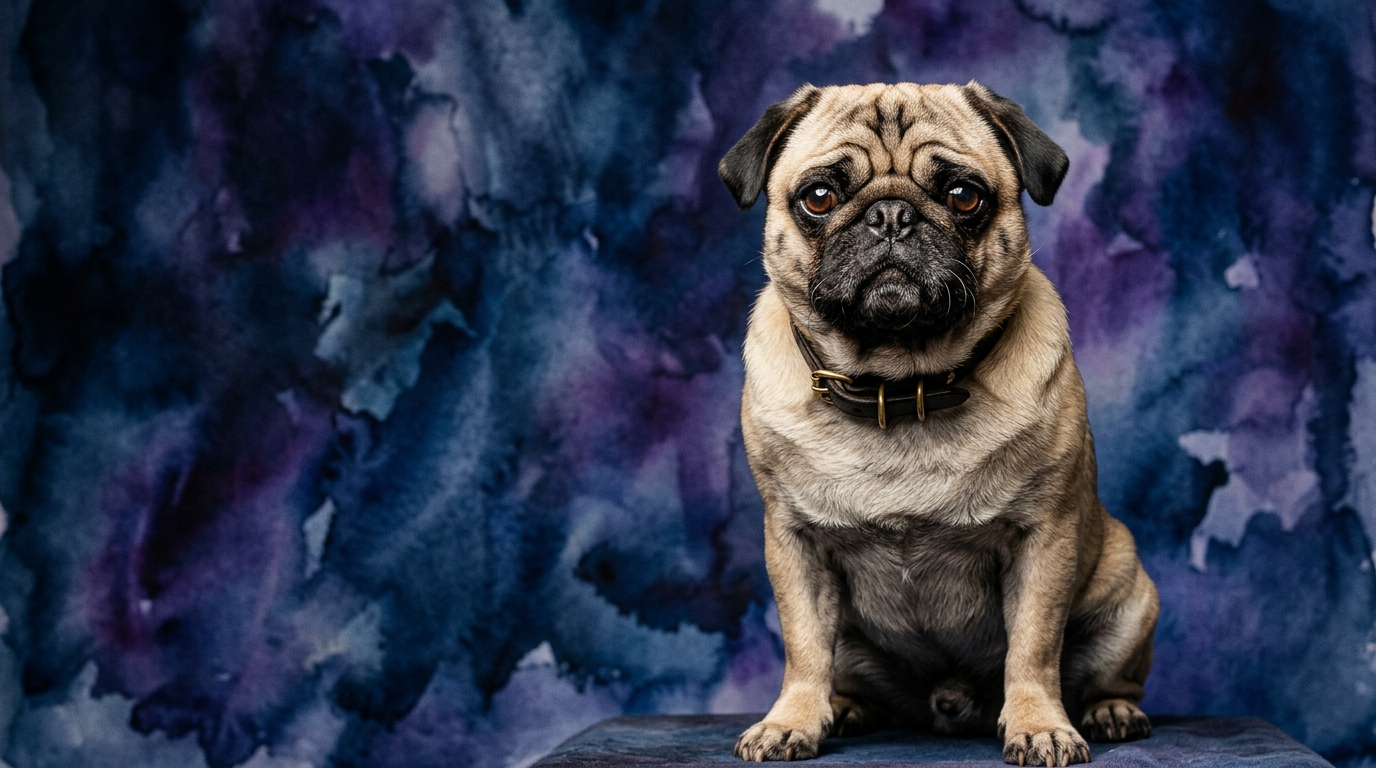
To understand the cognitive landscape of these breeds, The Cosmic Pet Pet IQ Lab assesses five key dimensions. For the Pug, a Toy breed with a Coren rank of #57, its profile highlights a unique blend of traits. Its Problem Solving is rated 2/5, indicating a preference for seeking human help over independent strategizing. Training Speed is also 2/5, suggesting a need for patience and high motivation. However, the Pug's Social Intelligence shines at a perfect 5/5, showcasing an exceptional ability to read and respond to human emotions. Its Instinctive Drive is low at 2/5, focusing less on traditional canine instincts like hunting, and its Memory stands at a moderate 3/5, capable of retaining routines and basic commands.
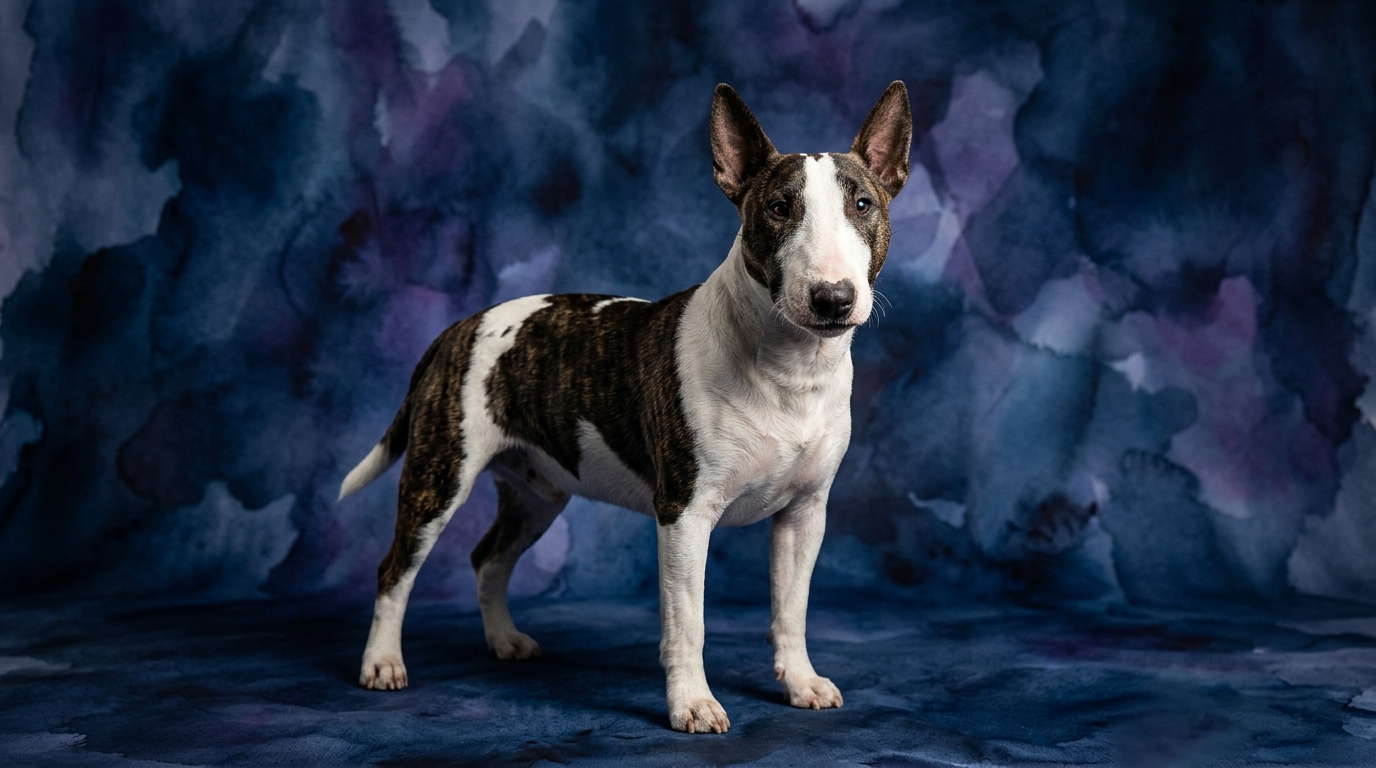
The Miniature Bull Terrier, a Terrier breed without a Coren ranking, presents a different cognitive blueprint. Its Problem Solving is rated 3/5, indicating a moderate capacity for independent thought and overcoming challenges. Training Speed is also 3/5, suggesting a respectable learning pace with the right approach. Social Intelligence for the Miniature Bull Terrier is 3/5, meaning it forms strong bonds but with less nuanced emotional mirroring than a Pug. Its Instinctive Drive is 3/5, reflecting a typical terrier's inclination for activity and exploration, and its Memory also holds at a moderate 3/5, retaining commands and experiences effectively.
Where the Pug Wins Cognitively
The Pug's exceptional social intelligence is its crowning cognitive achievement, allowing it to navigate the complexities of human-canine relationships with unparalleled finesse. A Pug excels at reading subtle shifts in human mood or tone, often seeming to anticipate their owner's emotional state or desires before they are explicitly expressed. This profound empathy means they are not just present, but deeply attuned to the emotional landscape of their household, offering comfort or companionship precisely when it's needed. Their low instinctive drive also means fewer internal conflicts regarding chasing or territoriality, freeing up cognitive resources for pure social engagement and bonding. This breed masterfully uses its understanding of human behavior to secure attention and affection, often employing charming tactics rather than brute force or independent problem-solving to achieve its goals.
Where the Miniature Bull Terrier Wins Cognitively
Conversely, the Miniature Bull Terrier's cognitive strengths lie in its more robust problem-solving abilities and moderate instinctive drive, offering a different kind of engagement. While not a genius, this breed demonstrates a respectable capacity to independently assess and overcome moderate environmental challenges, such as figuring out how to retrieve a toy from under furniture or manipulating a latch. Their terrier tenacity fuels a persistent curiosity, leading them to explore and interact with their surroundings in a more hands-on manner than a Pug. This moderate instinctive drive, though requiring management, means they possess an inherent desire for activity and exploration, providing a cognitive framework for engaging in structured play or task-oriented activities. They are more inclined to actively seek out and resolve minor environmental puzzles, rather than waiting for human intervention.
Which is Easier to Train, and Why?
Determining which breed is "easier" to train depends heavily on an owner's definition of ease and their training style. The Pug, with its 2/5 training speed, demands significant patience and consistent, positive reinforcement. They learn best when training is framed as a fun, social interaction, and they are highly motivated by praise and treats. Their high social intelligence means they are eager to please their beloved humans, but their low problem-solving and instinctive drive scores suggest they may not grasp complex commands or sequences quickly. They might employ their charm to deflect from a task they find tedious, requiring an owner who can make learning enjoyable and relevant.
In contrast, the Miniature Bull Terrier, with a 3/5 training speed, can learn commands at a more consistent pace. However, their moderate instinctive drive and independent terrier spirit mean they can also exhibit stubbornness or disinterest if training isn't stimulating or if they perceive a better alternative. They require a confident, engaging trainer who can keep sessions fresh and rewarding, preventing boredom and leveraging their moderate drive for tasks. While Pugs might be slower to learn, their desire for connection can make them compliant once motivated, whereas Miniature Bull Terriers might learn faster but require more strategic engagement to counteract their independent streak.
Suiting Active vs. Relaxed Owners
The cognitive and temperamental profiles of these two breeds naturally align with different owner lifestyles. The Pug, characterized by its low instinctive drive and unparalleled social intelligence, is an ideal companion for more relaxed owners. Their primary cognitive focus is on human connection and comfort, making them content with leisurely strolls, cuddling on the sofa, and being a constant, affectionate presence. They do not possess a strong inherent need for complex tasks or strenuous physical activity, making them well-suited for individuals or families who prefer a calm, low-key canine companion. Their cognitive energy is best spent on social interaction rather than active exploration or problem-solving.
Conversely, the Miniature Bull Terrier, with its moderate problem-solving abilities and instinctive drive, thrives with active owners who can provide consistent mental and physical stimulation. Their terrier heritage means they have a natural inclination for activity, exploration, and engaging in tasks that challenge their moderate problem-solving skills. They benefit from structured play, training that incorporates scent work or agility, and owners who enjoy outdoor activities. A Miniature Bull Terrier needs outlets for its energy and curiosity, making them a better fit for those who lead a more dynamic lifestyle and appreciate a dog with a spirited, independent streak.
The Verdict
Choose the Pug if your priority is an extraordinarily socially attuned, empathetic companion who thrives on emotional connection and a relaxed pace of life, valuing charm over independent task completion.
Choose the Miniature Bull Terrier if you seek a spirited, moderately independent companion capable of engaging in more active problem-solving and structured play, and you are prepared to manage a moderate instinctive drive.
🧠 Find Your Pet's IQ Score
Our Pet IQ Lab assessment covers 25+ tests across 5 cognitive dimensions — personalized to your breed.
Take the Full IQ Test →Frequently Asked Questions
Do Pugs understand human emotions well?
Yes, Pugs have an exceptional 5/5 social intelligence, making them highly adept at reading human emotions and social cues. They often anticipate needs and offer comfort, demonstrating a profound understanding of their owner's feelings.
Are Miniature Bull Terriers difficult to train?
Miniature Bull Terriers have a 3/5 training speed, meaning they learn at a decent pace but can be stubborn due to their independent terrier nature. They require engaging, consistent training with positive reinforcement to maintain focus and motivation.
Which breed is better for puzzle toys?
The Miniature Bull Terrier, with its 3/5 problem-solving ability, is generally better suited for puzzle toys than the Pug (2/5). They possess a persistent curiosity and a greater inclination to independently figure out how to manipulate objects to achieve a goal.