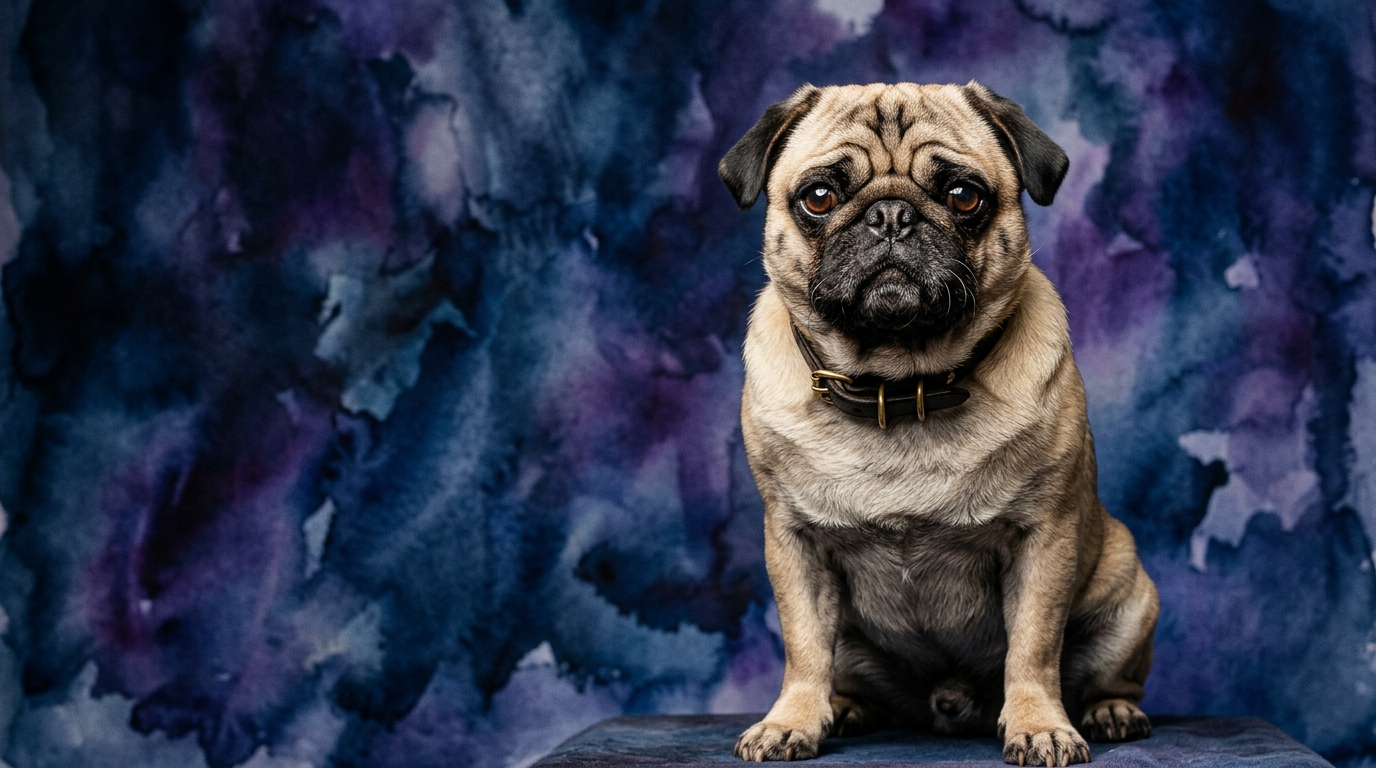
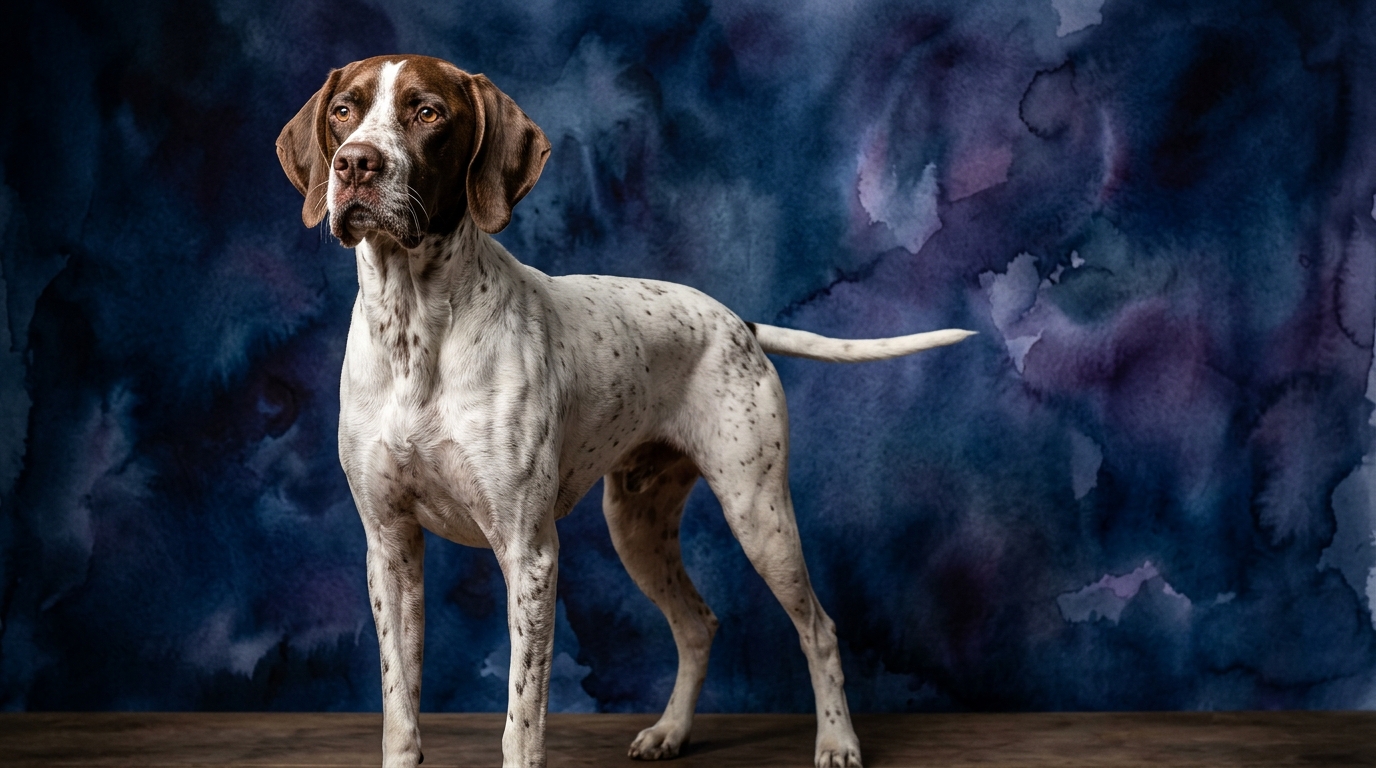
Side-by-Side IQ Profile: Pug vs. Pointer
The Pug, a member of the Toy group, presents a unique cognitive blueprint. Their Problem Solving is rated at 2/5, indicating a preference for routine and a tendency to rely on human guidance rather than independent strategizing when faced with novel challenges. Training Speed also sits at 2/5, meaning Pugs often require patient, consistent, and highly engaging methods, learning new commands at a deliberate pace. However, their Social Intelligence is a standout at 5/5, reflecting an exceptional capacity for understanding and responding to human emotions and social cues. Instinctive Drive is low at 2/5, aligning with their historical role as companions rather than working dogs, and their Memory is an average 3/5, sufficient for recalling familiar routines and people.
In contrast, the Pointer, a Sporting dog, exhibits a more balanced and task-oriented cognitive profile. Their Problem Solving scores 3/5, suggesting a moderate ability to assess and overcome new obstacles, often through observation and practical application. Training Speed is also 3/5, indicating they grasp new commands and behaviors at a reasonable pace, often motivated by activity and purpose. Social Intelligence for the Pointer is 3/5; while affectionate, their focus isn't solely on human emotional mirroring, often balancing social interaction with environmental engagement. Their Instinctive Drive is a moderate 3/5, reflecting their natural inclination for activities like scent work and tracking. Like the Pug, their Memory is rated 3/5, allowing them to retain training and experiences effectively.
Where the Pug Wins Cognitively
The Pug's undisputed cognitive strength lies in their extraordinary social intelligence, scoring a perfect 5/5. This means they are profoundly empathetic, capable of discerning subtle shifts in human mood and responding with appropriate companionship or affection. A Pug might not solve a complex puzzle box, but they will instinctively know when you need a comforting presence, offering a quiet cuddle or a playful nudge without explicit prompting. This deep emotional attunement makes them unparalleled companion animals, fostering rich, nuanced relationships that go beyond simple obedience. Their ability to integrate seamlessly into human family dynamics and provide emotional support is a testament to their exceptional social cognition.
Where the Pointer Wins Cognitively
The Pointer's cognitive edge manifests across several practical dimensions, particularly in Problem Solving (3/5), Training Speed (3/5), and Instinctive Drive (3/5). While not off-the-charts, these scores indicate a dog more inclined to engage with the physical world and learn tasks efficiently. A Pointer is more likely to figure out how to open a gate, navigate a complex trail, or quickly grasp a multi-step command sequence, driven by their inherent desire to work and explore. Their moderate instinctive drive provides a powerful internal motivator for task completion, a trait less pronounced in the Pug. This makes them adept at activities requiring active participation and a degree of independent thought.
Which is Easier to Train and Why
When considering ease of training, the Pointer generally presents a more straightforward experience due to its higher scores in Training Speed (3/5) and Problem Solving (3/5), combined with a moderate Instinctive Drive. Pointers tend to grasp new commands more readily and are often motivated by the opportunity to engage in structured activities or perform a "job." Their behavioral responses are often more direct and task-oriented, making them responsive to clear instructions and consistent reward-based training. They find satisfaction in learning and executing tasks, which streamlines the training process for many owners.
The Pug, with a Training Speed of 2/5 and Problem Solving of 2/5, can be more challenging for novice trainers. While Pugs are eager for connection, their motivation isn't typically task completion, but rather social interaction or food rewards. They can be prone to "selective deafness" if a task isn't immediately engaging or if they prefer to be cuddled. Training a Pug requires immense patience, creativity, and a focus on making learning a positive, bonding experience, rather than a strict lesson. Their strong social intelligence means they respond best when training feels like a shared activity, reinforcing their desire for companionship.
Which Suits Active vs. Relaxed Owners
The Pointer is undeniably suited for active owners who thrive on outdoor adventures and structured engagement. Their moderate instinctive drive and problem-solving abilities mean they excel in activities like hiking, running, scent work, or dog sports. An owner who can channel the Pointer's energy and intelligence into regular, stimulating tasks will find a highly fulfilled and cooperative companion, preventing boredom-related behaviors. They require consistent physical and mental outlets to maintain their well-being, making them an excellent match for energetic lifestyles.
Conversely, the Pug is the quintessential companion for relaxed owners seeking a devoted, low-key presence. Their low instinctive drive and preference for comfort make them ideal apartment dwellers or lap dogs. While they enjoy short, leisurely walks and playtime, their primary joy comes from close physical proximity and social interaction with their human family. Owners who appreciate a dog's profound emotional connection and aren't seeking a high-octane exercise partner will find the Pug's temperament perfectly aligned with their lifestyle, as their contentment stems from companionship and comfort rather than strenuous activity.
The Verdict
Choose a Pug if your priority is a deeply empathetic, emotionally attuned companion who thrives on close social interaction and a relaxed home environment.
Opt for a Pointer if you are an active individual or family seeking a capable, moderately trainable dog eager for outdoor activities and structured engagement.
🧠 Find Your Pet's IQ Score
Our Pet IQ Lab assessment covers 25+ tests across 5 cognitive dimensions — personalized to your breed.
Take the Full IQ Test →Frequently Asked Questions
Is it true Pugs are difficult to train?
Pugs can present training challenges due to their 2/5 Training Speed and preference for social interaction over task completion. They respond best to positive reinforcement, patience, and making training feel like a fun, bonding activity rather than a strict demand.
Do Pointers need a lot of mental stimulation?
Yes, Pointers benefit greatly from mental stimulation, thanks to their 3/5 Problem Solving and Instinctive Drive. Activities like scent games, puzzle toys, and consistent training help channel their natural curiosity and prevent boredom.
How do their social needs compare?
Pugs have a 5/5 Social Intelligence, making them highly dependent on human companionship and emotional connection. Pointers, with a 3/5, are affectionate but also more independent, finding satisfaction in both social interaction and engaging with their environment through activities.