Side-by-Side IQ Profile
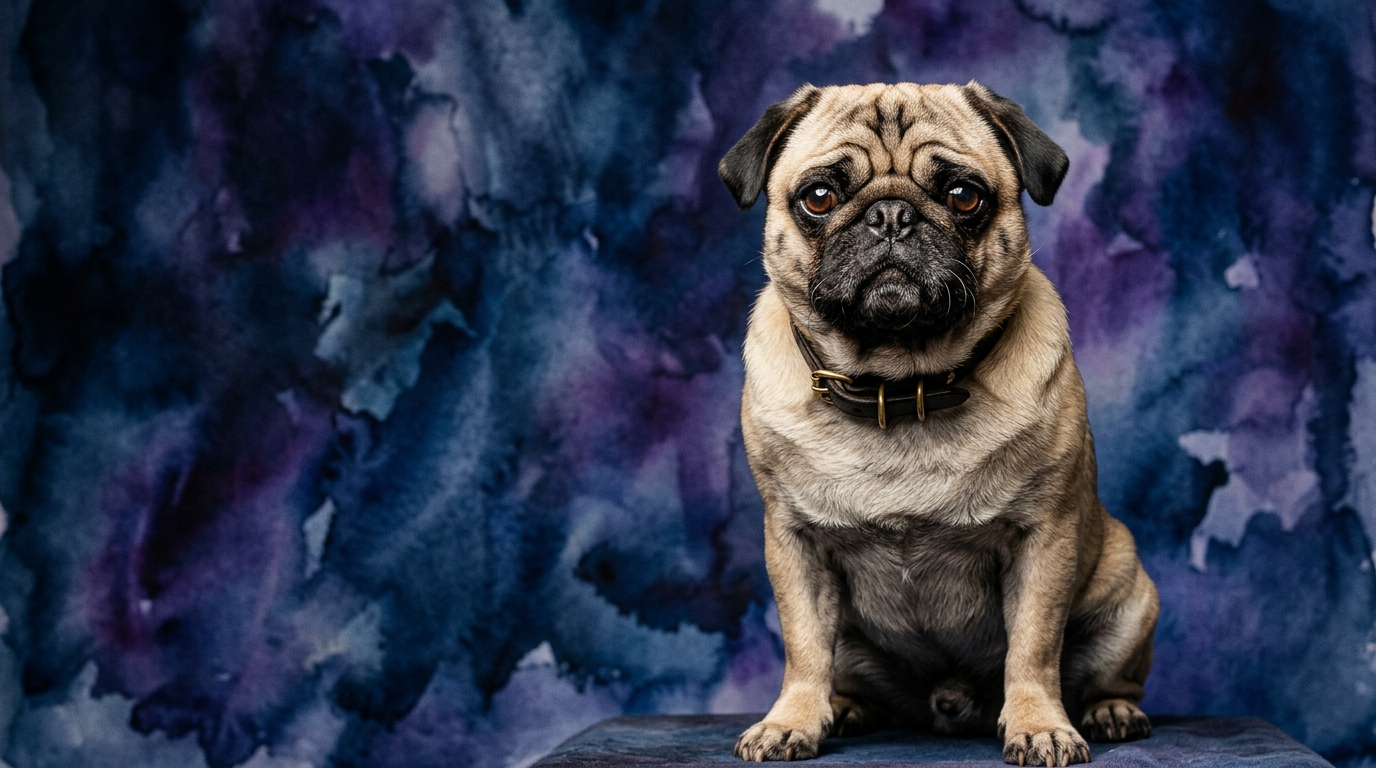
The Cosmic Pet Pet IQ Lab utilizes a five-dimensional framework to assess canine intelligence, moving beyond simple obedience to encompass a dog's full cognitive spectrum. For the Pug, this framework illuminates a profile geared towards companionship and emotional attunement. Their Problem Solving is rated 2/5, indicating they are not typically adept at independently navigating complex environmental challenges or deciphering intricate puzzles without human guidance. Similarly, their Training Speed, at 2/5, suggests a need for considerable patience and repetition during formal command instruction, as new concepts may take longer to solidify. However, the Pug shines brightly in Social Intelligence, earning a perfect 5/5, reflecting their exceptional ability to read human emotions, adapt to social cues, and integrate seamlessly into family dynamics as empathetic companions. Their Instinctive Drive is a modest 2/5, aligning with their history as lap dogs, meaning they possess low motivation for tasks requiring intrinsic drive like hunting or herding. Memory for a Pug stands at 3/5, an average score that allows them to recall routines, familiar faces, and learned associations reliably within their established environment.
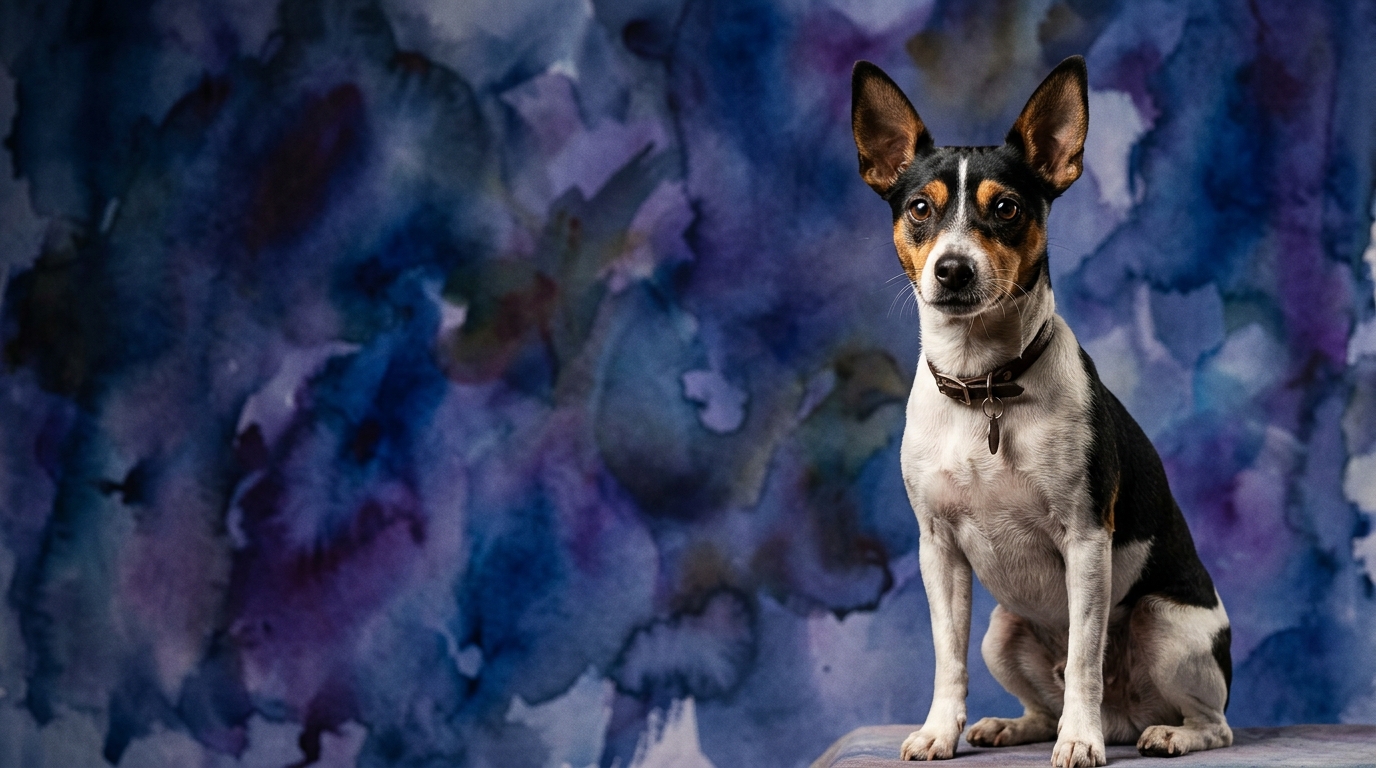
In contrast, the Rat Terrier presents a cognitive profile shaped by their working heritage, balancing independence with trainability. Their Problem Solving capacity is rated 3/5, demonstrating a moderate ability to tackle environmental obstacles and devise solutions, often with a resourceful and independent approach. Training Speed for the Rat Terrier also scores 3/5, indicating they learn new commands at a steady, moderate pace, responsive to consistent instruction and motivation. Their Social Intelligence is a balanced 3/5, meaning they are capable of understanding and responding to human and canine social cues, though they might exhibit a more independent streak compared to the highly people-centric Pug. The Rat Terrier's Instinctive Drive is also 3/5, reflecting their terrier lineage with an inherent motivation for exploration, scent work, and activity that engages their natural predispositions. Finally, their Memory is rated 3/5, similar to the Pug, allowing for good recall of training, routines, and significant experiences.
Where Pug Wins Cognitively
The Pug's undisputed cognitive strength lies in its extraordinary Social Intelligence, scoring a rare 5/5. This isn't merely about being friendly; it's a deep, nuanced capacity to perceive and respond to the emotional states of their human companions, often sensing a shift in mood and offering comfort or seeking engagement with remarkable precision. Their cognitive prowess here allows them to master the intricate dance of human social interaction, adapting their behavior to soothe, entertain, or simply exist in quiet harmony, making them unparalleled in their ability to forge profound emotional bonds. This high social IQ means they excel at learning through observation of human behavior and subtle cues, making them incredibly intuitive family members.
Where Rat Terrier Wins Cognitively
The Rat Terrier's cognitive advantages are evident in their more robust Problem Solving (3/5) and Instinctive Drive (3/5), coupled with a faster Training Speed (3/5) compared to the Pug. This breed demonstrates a greater capacity for independent thought when faced with novel situations, often exploring solutions through trial and error rather than waiting for human intervention. Their moderate instinctive drive fuels this exploratory behavior, making them more inclined to investigate new scents, spaces, or puzzles, and persist until a solution is found. This translates into a dog that can more readily figure out how to open a gate, retrieve a hidden toy, or navigate a complex obstacle course, showcasing a practical, action-oriented intelligence.
Which is Easier to Train and Why
When it comes to formal command training, the Rat Terrier generally presents an easier experience for owners, largely due to their 3/5 Training Speed and 3/5 Instinctive Drive. They process new commands and associate them with actions and rewards more quickly, showing a moderate eagerness to engage in structured learning sessions, especially when those sessions tap into their natural curiosity and drive for accomplishment. Their moderate problem-solving ability also aids in understanding the mechanics of an exercise. In contrast, the Pug's 2/5 Training Speed means that while they possess a strong desire to please due to their high social intelligence, the actual acquisition of new behaviors takes more time, patience, and consistent, gentle repetition. Pugs can be trained very effectively, but it's a slower, more methodical process that relies heavily on positive reinforcement and short, engaging sessions to maintain their focus, leveraging their social bond rather than an inherent drive for task completion.
Which Suits Active Owners vs. Relaxed Owners
The distinct cognitive profiles of these two breeds naturally align them with different owner lifestyles. Owners who lead a more relaxed, home-centric life, valuing quiet companionship and profound emotional connection, will find the Pug to be an ideal match. Their low Instinctive Drive (2/5) and high Social Intelligence (5/5) mean they thrive on proximity and interaction with their human family, requiring less physical exertion and mental stimulation from complex tasks. They are content with gentle walks and ample cuddle time, excelling in an environment where their primary role is that of a devoted, emotionally responsive companion.
Conversely, the Rat Terrier is better suited for active owners who appreciate a dog with a moderate need for mental and physical engagement. Their 3/5 Problem Solving and Instinctive Drive mean they benefit from regular walks, play sessions, and activities that challenge their intellect, such as puzzle toys, scent games, or even participation in dog sports like agility. These dogs enjoy having a 'job' or a purpose, and an owner who can consistently provide varied stimulation will find the Rat Terrier to be an alert, engaging, and fulfilling companion, less prone to boredom-induced behaviors.
The Verdict
For those who prioritize an unparalleled emotional bond, a calm home presence, and a dog whose primary joy is intimate social connection, the Pug is the clear choice.
If an owner seeks a more independent, task-oriented canine partner who enjoys solving challenges and participating in varied activities, the Rat Terrier will prove to be a highly rewarding companion.
🧠 Find Your Pet's IQ Score
Our Pet IQ Lab assessment covers 25+ tests across 5 cognitive dimensions — personalized to your breed.
Take the Full IQ Test →Frequently Asked Questions
Are Pugs difficult to train because of their lower training speed?
Pugs aren't inherently difficult, but their training speed of 2/5 means they require more patience and repetition than some breeds. They respond best to positive reinforcement and short, engaging sessions, leveraging their strong social bond rather than an innate drive for task mastery.
Does a Rat Terrier's "instinctive drive" mean they are prone to chasing?
A Rat Terrier's instinctive drive of 3/5 indicates they retain some prey drive, which can manifest as an interest in chasing small animals or exploring scents. This trait requires consistent training, secure environments, and appropriate outlets like structured play to manage effectively.
How do the social intelligence differences impact household dynamics?
A Pug's 5/5 social intelligence means they are highly attuned to family emotions, often seeking to comfort or engage and thriving on constant interaction. A Rat Terrier's 3/5 social intelligence suggests they are responsive but may exhibit more independence, often being content with their own space while still enjoying family interaction and forming strong bonds.