Side-by-Side IQ Profile: Unpacking Cognitive Dimensions
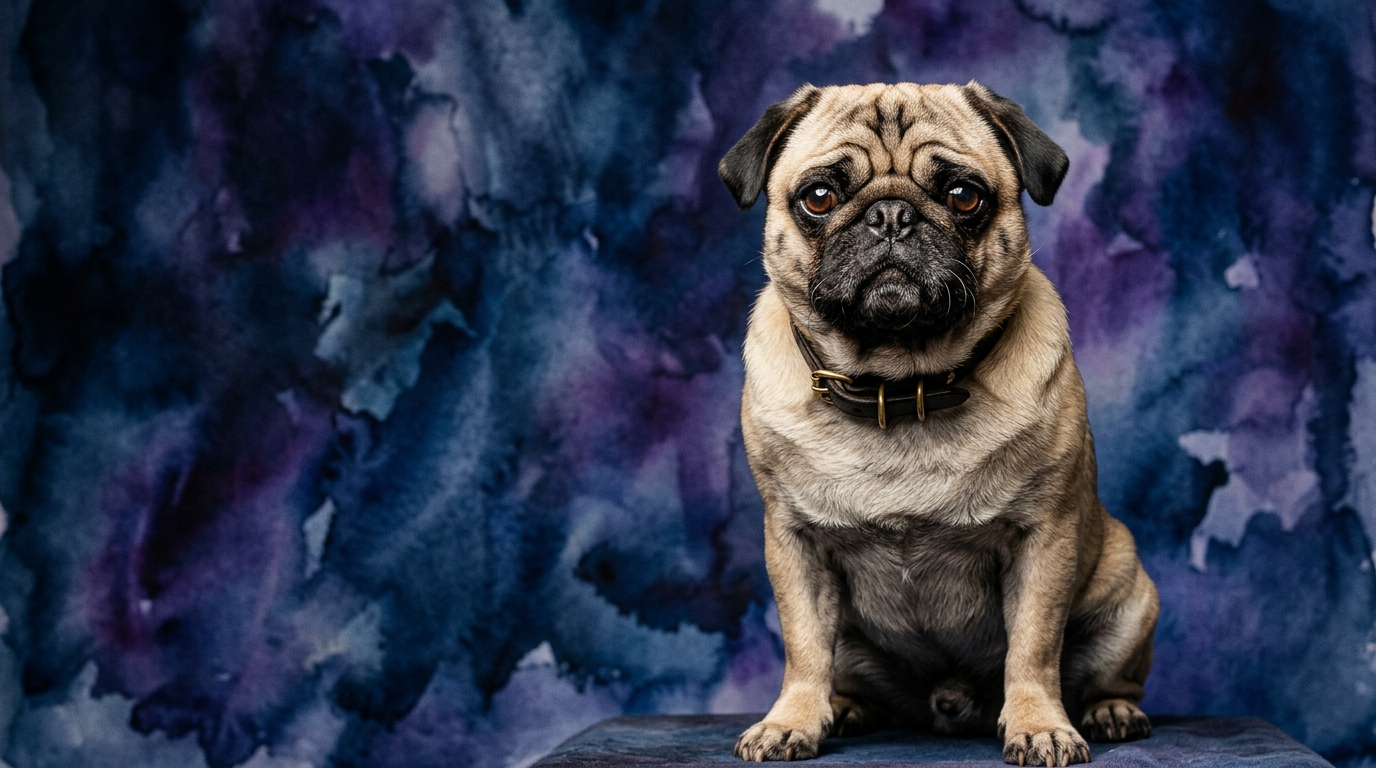
The Cosmic Pet Pet IQ Lab data reveals distinct cognitive landscapes for both breeds. The Pug's profile shows a Problem Solving score of 2/5, Training Speed at 2/5, an exceptional Social Intelligence of 5/5, Instinctive Drive at 2/5, and Memory at 3/5. This means Pugs generally exhibit a moderate ability to retain information and recall familiar routines. However, their lower scores in problem-solving and training speed suggest they may require more consistent repetition and simpler challenges to grasp new commands or navigate novel situations independently. Their perfect score in social intelligence, on the other hand, highlights a profound innate capacity to read human emotions and adapt their behavior to foster deep, empathetic connections, making them highly attuned companions. A modest instinctive drive indicates they are less compelled by inherent hunting or herding behaviors, preferring social engagement.
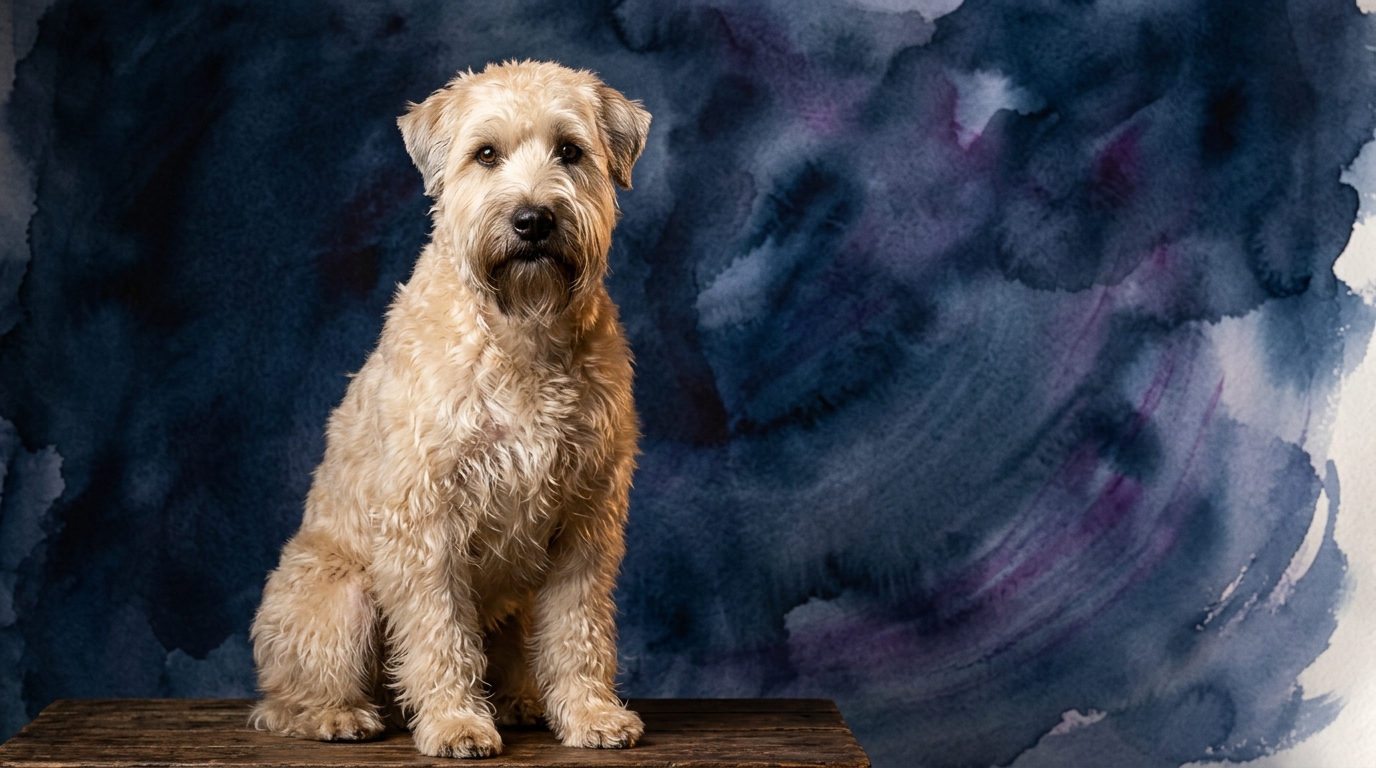
In contrast, the Soft Coated Wheaten Terrier presents a more uniformly balanced cognitive profile. Their Memory score is 3/5, on par with the Pug, facilitating retention of learned information. Notably, Wheatens score 3/5 across Problem Solving, Training Speed, Social Intelligence, and Instinctive Drive. These balanced scores indicate a moderate capacity for independent thought and analysis, a reasonable pace for acquiring new tasks, and a balanced understanding of social cues. Their moderate instinctive drive suggests a healthy degree of inherent curiosity and a propensity for engaging with their environment through natural terrier behaviors, though not to an overwhelming or single-minded extent. This balanced spectrum suggests a versatile learner with a practical approach to interaction.
Where the Pug Wins Cognitively: The Art of Social Connection
The Pug's undisputed cognitive strength lies in their extraordinary social intelligence, boasting a perfect 5/5 score. This dimension encompasses their innate capacity to understand human emotions, interpret subtle social cues, and integrate seamlessly into family dynamics. A Pug isn't just present; they are deeply perceptive of their owner's mood, often responding with comforting proximity or playful attempts to lighten the atmosphere. This acute social awareness translates into an unparalleled ability to form deep, empathetic bonds, making them exceptional emotional support companions. They intuitively grasp the nuances of household routines and the unspoken rules of living with humans, often adapting their behavior to minimize conflict and maximize harmonious interaction. Unlike breeds driven by complex tasks, a Pug's fulfillment comes from mutual understanding and connection, a cognitive feat that requires sophisticated social processing. Their lower instinctive drive further enhances this focus on human interaction, as they are less distracted by external stimuli like chasing squirrels or patrolling boundaries, instead prioritizing the social ecosystem of their home. This profound social attunement is their defining cognitive advantage, shaping their entire approach to life and learning.
Where the Soft Coated Wheaten Terrier Wins Cognitively: Practical Problem Solving
The Soft Coated Wheaten Terrier's cognitive advantages emerge in their more robust and balanced scores across problem-solving, training speed, and instinctive drive, each rated 3/5. This combination indicates a dog better equipped for independent thought and practical application of learning. Their 3/5 problem-solving ability means Wheatens are more likely to analyze novel situations and devise solutions, such as figuring out how to open a gate or retrieve a toy from a tricky spot, compared to the Pug's 2/5. This capacity for independent reasoning makes them more adaptable to varied environments and tasks. Coupled with a 3/5 training speed, they can acquire new commands and complex behaviors at a more efficient pace, often requiring fewer repetitions than the Pug. This speed isn't just about rote memorization; it reflects an ability to generalize learned concepts and apply them to new contexts. Furthermore, their moderate instinctive drive, also 3/5, provides a healthy curiosity and a natural inclination to engage with their surroundings, exploring and investigating. This drive, characteristic of their terrier heritage, means they are often self-motivated to interact with their environment in meaningful ways, whether through scent work, chasing, or digging. While a Pug might wait for social direction, a Wheaten is more inclined to initiate exploration and engage with the world on its own terms, demonstrating a proactive cognitive style.
Which is Easier to Train and Why: Motivation and Method
Determining which breed is “easier” to train depends heavily on the type of training and the owner's approach, given their distinct cognitive profiles. The Pug, with a training speed of 2/5, might require more repetition to solidify new commands. However, their exceptional social intelligence (5/5) means they are inherently motivated to please their human companions and maintain social harmony. This strong desire for connection can make them highly cooperative when the training is framed as a shared activity and rewards are heavily social (praise, affection). They respond well to positive reinforcement that emphasizes bonding, but their lower problem-solving score (2/5) suggests they may struggle with complex, multi-step tasks or commands requiring abstract thought. Teaching a Pug a simple “sit” might take more sessions, but their willingness to engage socially can make these sessions enjoyable.
In contrast, the Soft Coated Wheaten Terrier, with a training speed of 3/5 and problem-solving at 3/5, generally picks up new commands more quickly and can handle more intricate sequences. Their moderate instinctive drive (3/5) can be harnessed to motivate them through activities like agility or scent work, where their natural curiosity and energy are channeled. While their social intelligence is a respectable 3/5, they might not possess the same inherent drive to “people-please” as a Pug. Wheatens often need training to be engaging and mentally stimulating, otherwise, their independent terrier nature might lead to them becoming bored or finding their own entertainment. They respond well to clear, consistent instruction and enjoy the challenge of learning, making them suitable for owners who want to teach a broader range of skills beyond basic obedience. The Pug's Coren rank of #57, a measure of working and obedience intelligence, reflects a respectable capacity for learning, but it is important to note that the Wheaten Terrier's lack of a Coren ranking does not imply lower intelligence, but rather that it was not included in that specific study. Overall, the Wheaten is likely to master a wider repertoire of commands and tasks more efficiently, while the Pug excels in understanding and responding to human social cues during the training process.
Which Suits Active Owners vs. Relaxed Owners: Lifestyle Alignment
The cognitive makeup of each breed provides clear indicators for the type of lifestyle they best complement. The Pug, characterized by a lower instinctive drive (2/5), and moderate problem-solving (2/5) and training speed (2/5), is inherently suited to a more relaxed and companion-centric existence. Their primary cognitive focus is on social interaction and maintaining harmony within their human pack, driven by their 5/5 social intelligence. They thrive on proximity and affection, content with shorter, leisurely strolls and ample cuddle time. Complex mental challenges or demanding physical activities are not their preferred modes of engagement; instead, they find fulfillment in shared quiet moments and being a beloved, present family member. An owner seeking a steadfast, emotionally attuned companion who doesn't require extensive daily mental or physical exertion would find the Pug an ideal match.
Conversely, the Soft Coated Wheaten Terrier, with its balanced scores of 3/5 across problem-solving, training speed, and instinctive drive, is better suited for more active and engaging owners. Their moderate instinctive drive translates into a need for purposeful activity, whether it's exploring new environments, participating in dog sports, or engaging in interactive play that stimulates their natural terrier curiosity. Their problem-solving abilities mean they enjoy mental puzzles and learning new skills, making them excellent candidates for obedience classes, agility, or even trick training. A Wheaten is not content to simply observe; they want to participate actively in their world and require outlets for their cognitive and physical energy. Owners who enjoy hiking, running, or dedicating time to structured training and play sessions will find the Wheaten to be an eager and capable partner, appreciating a bond built on shared activity and exploration rather than purely passive companionship.
The Verdict
Opt for a Pug if your lifestyle prioritizes deep emotional connection, a calm home environment, and a canine companion whose primary joy is being a perceptive, affectionate presence by your side, thriving on social interaction rather than complex tasks.
Select a Soft Coated Wheaten Terrier if you seek a more active, curious, and engaged partner who enjoys learning, mental challenges, and participating in varied activities, appreciating a bond forged through shared adventures and structured engagement.
🧠 Find Your Pet's IQ Score
Our Pet IQ Lab assessment covers 25+ tests across 5 cognitive dimensions — personalized to your breed.
Take the Full IQ Test →Frequently Asked Questions
Do Pugs understand human emotions better than Soft Coated Wheaten Terriers?
Yes, Pugs score a remarkable 5/5 in social intelligence, indicating a superior capacity to interpret human emotions and social cues compared to the Wheaten Terrier's 3/5. This makes Pugs exceptionally attuned to their owners' moods and highly empathetic companions.
Which breed is more likely to figure out how to open a treat puzzle on their own?
The Soft Coated Wheaten Terrier, with a problem-solving score of 3/5, is more likely to independently figure out how to solve a treat puzzle. Pugs, scoring 2/5 in problem-solving, might require more guidance or simpler puzzles.
Is the Soft Coated Wheaten Terrier's moderate instinctive drive a challenge for owners?
A Wheaten Terrier's 3/5 instinctive drive means they have a natural curiosity and desire to engage with their environment, which can be channeled positively through structured activities like fetch or scent games. Without adequate outlets, this drive might lead to independent exploration or digging, so consistent engagement is key.