Side-by-Side Cognitive Profiles: Pug vs. Standard Schnauzer
At The Cosmic Pet Pet IQ Lab, we evaluate canine intelligence across five key dimensions, providing a nuanced understanding of each breed's mental landscape. Let’s examine how the Pug (Coren rank #57) and the Standard Schnauzer (Coren rank #22) measure up.
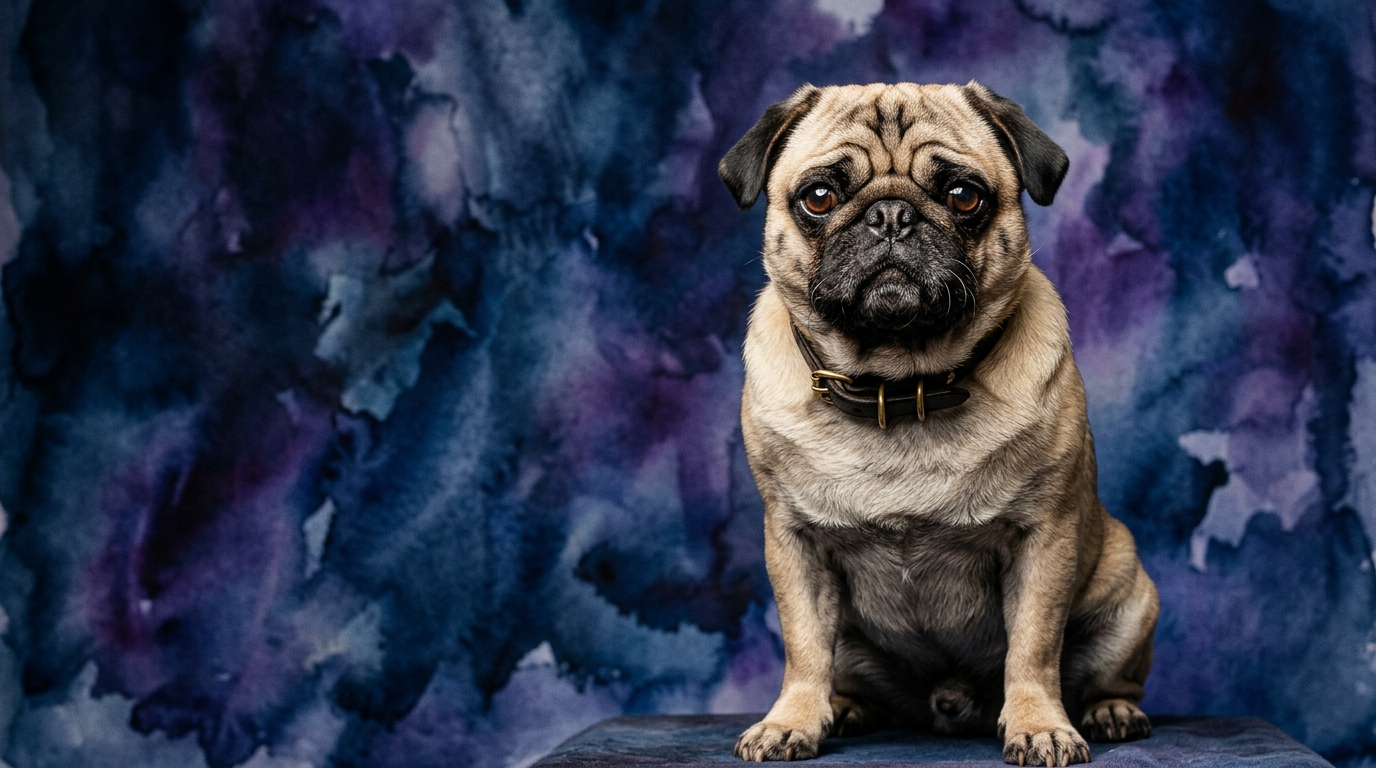
The Pug, a delightful member of the Toy group, exhibits a unique cognitive makeup. Its Problem Solving is rated 2/5, meaning Pugs often approach novel challenges with a relaxed curiosity rather than intense analytical thought, frequently relying on their human companions to resolve complex situations. Their Training Speed is also 2/5; while capable of learning, Pugs often require patience and positive reinforcement, as their motivation is more geared towards comfort and companionship than intricate task mastery. Where the Pug truly shines is in Social Intelligence, earning a perfect 5/5, demonstrating an exceptional ability to read human emotions, adapt to social cues, and foster deep, reciprocal bonds. Their Instinctive Drive is a low 2/5, showing minimal inclination for tasks like hunting or guarding that demand sustained focus. Finally, their Memory is 3/5, functional for recalling familiar routines, people, and basic commands associated with positive experiences.
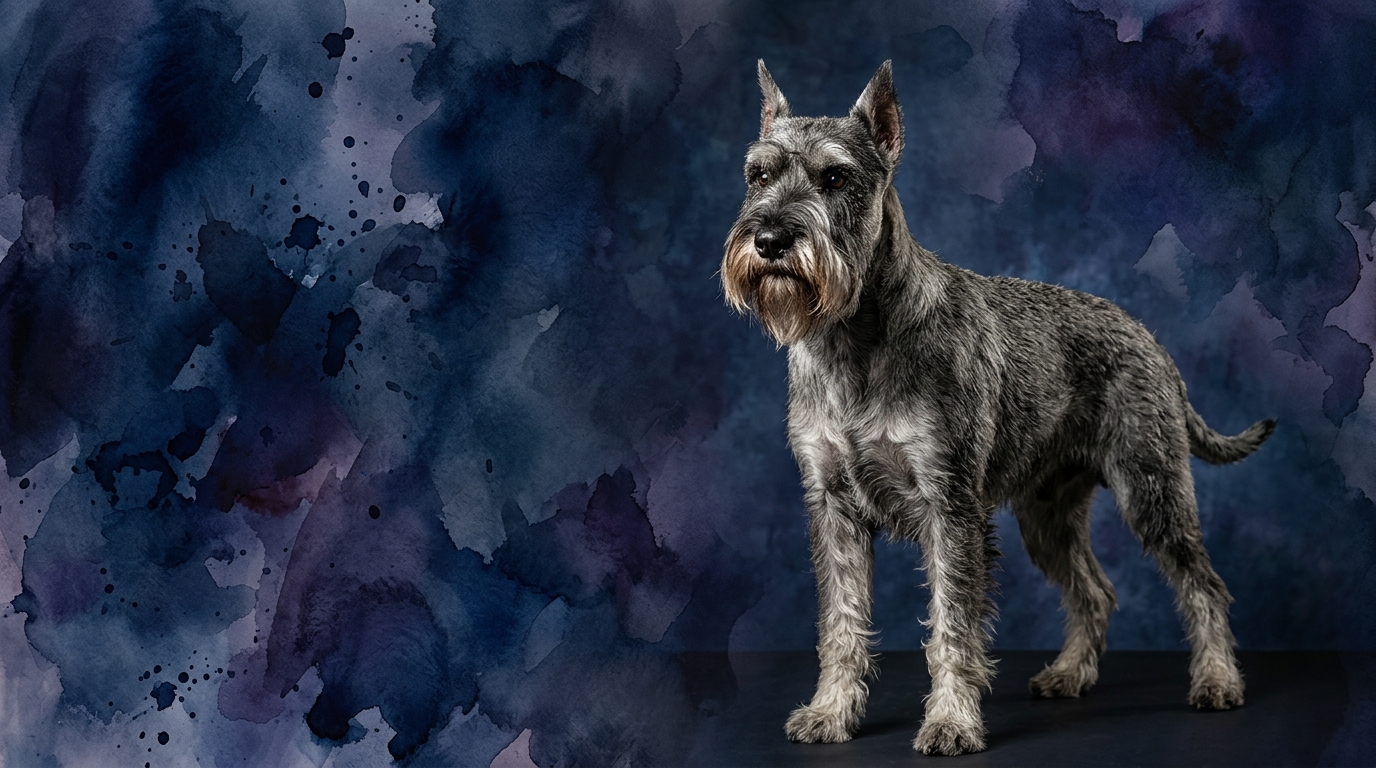
In contrast, the Standard Schnauzer, a robust member of the Working group, presents a different set of cognitive strengths. Its Problem Solving is rated 4/5, exhibiting a strong aptitude for assessing and overcoming obstacles, often employing strategic thinking to navigate complex environments or achieve desired outcomes. Their Training Speed is equally impressive at 4/5; these dogs are generally quick studies, absorbing new commands and complex sequences with impressive efficiency, especially when engaged with stimulating and varied training methods. Their Social Intelligence is 3/5, solid for forming strong bonds with their family and understanding social dynamics, though they may be more reserved or discerning with strangers. With an Instinctive Drive of 3/5, Standard Schnauzers retain remnants of their ratting and guarding lineage, displaying a natural inclination for alertness and purposeful activities. Their Memory is also strong at 4/5, retaining a vast repertoire of learned behaviors and commands over extended periods, making them reliable partners in training and daily life.
Where the Pug’s Mind Truly Excels
The Pug's undisputed cognitive strength lies in its exceptional social intelligence, scoring a perfect 5/5. This breed possesses an innate, profound ability to interpret human emotions and intentions, often anticipating needs or moods without explicit cues. Their mastery of non-verbal communication and their capacity for emotional resonance allow them to integrate seamlessly into family life, offering unparalleled companionship and emotional support. This isn't just about being friendly; it's a sophisticated understanding of relational dynamics that few breeds can match, making them superb emotional anchors within a household.
Where the Standard Schnauzer’s Cognition Takes the Lead
The Standard Schnauzer clearly outperforms the Pug in areas demanding independent thought and learning efficiency. Its 4/5 rating in problem-solving highlights a breed that actively engages with its environment, strategizing to overcome obstacles rather than passively waiting for assistance. Coupled with a 4/5 in training speed and memory, the Schnauzer demonstrates a superior capacity for acquiring and retaining complex information, making it adept at tasks requiring sequential learning and adaptive responses. This breed thrives on intellectual engagement and purposeful work, making them excellent candidates for advanced training and canine sports.
Ease of Training: Behavioral Differences in Action
Based on their Pet IQ Lab scores, the Standard Schnauzer is demonstrably easier to train than the Pug. The Schnauzer's 4/5 training speed means it absorbs new commands and routines quickly, often requiring fewer repetitions to achieve mastery. Their moderate instinctive drive (3/5) gives them a focus and purpose that aids in training, as they enjoy having a "job" to do, whether it's obedience, agility, or guarding. For example, a Schnauzer might quickly grasp a multi-step retrieve command, eagerly performing it for the satisfaction of the task and handler praise, often showing sustained engagement throughout a session.
Conversely, the Pug's 2/5 training speed indicates a slower learning curve. Their low instinctive drive (2/5) means they are less motivated by task completion and more by comfort and affection. While they can learn, Pugs often require more patient, fun-oriented sessions, responding best to positive reinforcement and short bursts of training. A Pug might learn "sit" but might need more encouragement to maintain the position if a more appealing distraction, like a lap, appears. Their problem-solving score of 2/5 also means they are less likely to independently figure out what's being asked of them during training, requiring more direct guidance and often preferring to charm their way out of complex demands rather than solve them directly.
Matching Breeds to Lifestyles: Active vs. Relaxed Owners
For active owners seeking a canine partner for adventures and structured activities, the Standard Schnauzer is an ideal match. Its robust problem-solving skills and moderate instinctive drive mean it flourishes with engaging mental and physical challenges, from long hikes and agility courses to advanced obedience or even working roles. An owner who enjoys teaching new tricks, exploring varied environments, and providing consistent, stimulating interaction will find the Schnauzer a willing and capable companion, thriving on purposeful engagement and eager to participate in an active lifestyle.
Relaxed owners, or those whose primary desire is a devoted, emotionally attuned companion, will find the Pug perfectly suited to their lifestyle. The Pug’s exceptional social intelligence and low instinctive drive mean it prioritizes companionship and comfort above all else, content with shorter walks, cuddle sessions, and being an ever-present, charming shadow. An owner who values emotional connection, a calm home presence, and a dog that excels at reading their moods will find the Pug's gentle nature and profound loyalty deeply rewarding, appreciating a companion whose greatest joy is simply being by their side.
The Verdict
Choose a Pug if your priority is an unparalleled emotional connection and a companion who excels at social bonding, thriving in a relaxed home environment where affection and comfort are paramount.
Opt for a Standard Schnauzer if you seek an intellectually engaged partner for active pursuits and enjoy consistent training, valuing a dog that can problem-solve and learn complex tasks.
🧠 Find Your Pet's IQ Score
Our Pet IQ Lab assessment covers 25+ tests across 5 cognitive dimensions — personalized to your breed.
Take the Full IQ Test →Frequently Asked Questions
Are Pugs difficult to train due to their low training speed?
Pugs aren't "difficult" in the sense of being unwilling, but they do learn at a slower pace (2/5 training speed) and require consistent, positive reinforcement. Their motivation often stems from pleasing their owner and receiving affection, so short, fun sessions work best. Patience and understanding of their comfort-seeking nature are key to successful training.
How does the Standard Schnauzer's problem-solving ability manifest in daily life?
A Standard Schnauzer's 4/5 problem-solving skill means they might figure out how to open a gate, retrieve a toy from a tricky spot, or navigate complex routes independently. They enjoy mental challenges and are often observed strategizing to achieve a goal, like finding a hidden treat. This makes them engaging companions who appreciate intellectual stimulation and purposeful tasks.
Does a Pug's high social intelligence mean it's good with all people and pets?
A Pug's 5/5 social intelligence indicates a strong capacity for bonding and reading social cues within its established family unit. While generally friendly, their interactions with strangers or other pets will still depend on individual temperament and early socialization. Their strength lies in deep, empathetic connections with their chosen humans, making them exceptional family companions.