Side-by-Side IQ Profile: Unpacking Canine Cognition
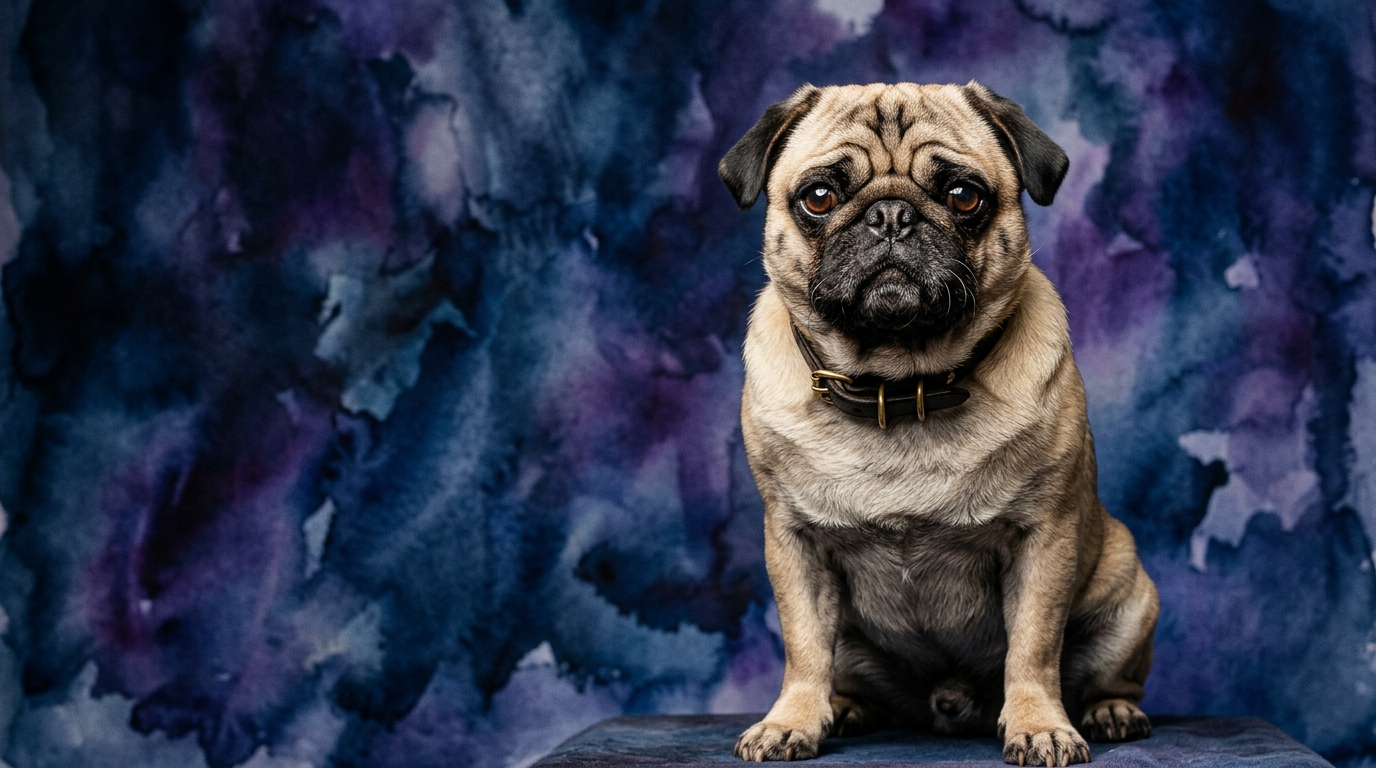
**Pug (Toy Group, Coren Rank #57):** The Pug's cognitive blueprint leans heavily into social interaction and companionship. Its problem-solving score of 2/5 suggests a preference for direct guidance rather than independent strategizing, often relying on human cues to navigate novel situations. Training speed, also at 2/5, indicates that consistent, patient repetition is key, as they may not grasp new commands with lightning speed. Where the Pug truly shines is its social intelligence, boasting a perfect 5/5. This reflects an exceptional capacity for understanding human emotions, forming strong bonds, and adapting seamlessly to family dynamics. Their instinctive drive, at 2/5, is relatively low, meaning they aren't compelled by strong urges to hunt, herd, or guard, aligning with their role as devoted companions. Memory, rated 3/5, suggests they retain learned information and experiences adequately, though perhaps not with the precision of breeds bred for complex, sequential tasks.
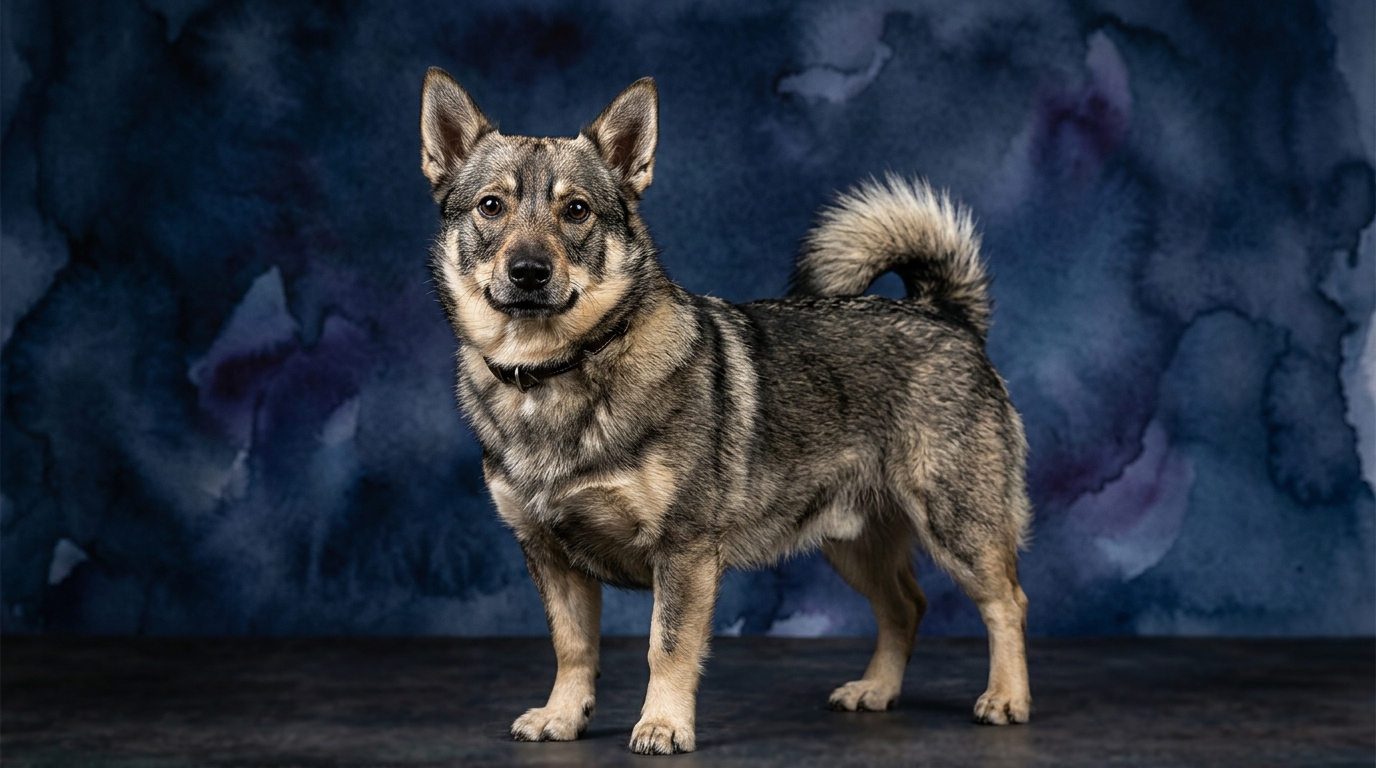
**Swedish Vallhund (Herding Group, Not Coren-Ranked):** The Swedish Vallhund presents a more balanced cognitive profile, characteristic of its herding heritage. With a problem-solving score of 3/5, they demonstrate a moderate ability to figure out dilemmas independently, often employing strategic thinking to overcome obstacles or achieve goals. Their training speed, also 3/5, indicates a solid aptitude for learning new commands and routines with reasonable efficiency, making them responsive partners in various activities. Social intelligence, at 3/5, suggests they are capable of forming strong bonds and understanding social cues, but perhaps with a slightly more independent streak compared to the Pug's profound human-centricity. The Vallhund's instinctive drive, at 3/5, reflects its working background; they possess a moderate urge to engage with their environment, often manifesting as a desire to herd, chase, or investigate. Memory, matching the Pug at 3/5, allows them to recall training, routines, and experiences effectively, supporting their adaptability across different tasks.
Where the Pug's Mind Excels
The Pug's standout cognitive strength lies unequivocally in its social intelligence, scoring a remarkable 5/5. This isn't just about being affectionate; it's a deep-seated ability to read human emotions, understand subtle social cues, and integrate seamlessly into family life as a perceptive companion. A Pug can often sense a change in mood, offering comfort or seeking attention at just the right moment, demonstrating an intuitive grasp of interpersonal dynamics that few breeds can match. This high social IQ makes them exceptional emotional support animals and dedicated family members, thriving on close human interaction and providing a profound sense of connection. Their cognitive energy is channeled into observing and responding to their human counterparts, making them masters of companionship.
While their problem-solving or training speed might be moderate, the Pug's memory (3/5) is sufficient to retain the complex social rules and routines of a household, allowing them to anticipate daily schedules and understand who belongs where in the family hierarchy. They remember which family member is most likely to offer a treat, or which couch is off-limits when certain people are around. This blend of strong social understanding and adequate memory allows them to navigate the intricacies of human relationships with a charming and often manipulative effectiveness, always seeking to optimize their comfort and connection.
Where the Swedish Vallhund's Mind Shines
The Swedish Vallhund's cognitive strengths are rooted in its working heritage, particularly evident in its problem-solving abilities and balanced drive. With a 3/5 in problem-solving, the Vallhund is more inclined to independently assess a situation and devise a solution. This might manifest as figuring out how to open a gate, retrieve a dropped toy from an awkward spot, or even strategizing during a herding task. They possess a practical intelligence that allows them to learn from experience and adapt their approach, which is invaluable in dynamic environments. This breed isn't content to simply wait for instructions; they often prefer to engage with their surroundings and actively seek solutions.
Furthermore, the Vallhund's training speed (3/5) and instinctive drive (3/5) work in concert, making them eager and capable learners, especially when the tasks align with their natural inclinations. They can pick up new commands and complex sequences of actions with reasonable efficiency, particularly when training is engaging and taps into their innate desire to work or herd. This moderate drive means they are motivated to participate and complete tasks, but not so intensely driven that they become obsessive or difficult to manage for an average owner. Their balanced memory (3/5) supports this, ensuring they retain the nuances of learned behaviors and problem-solving strategies over time.
Training Aptitude: Pug vs. Swedish Vallhund
When it comes to training, the Pug and Swedish Vallhund present distinct challenges and rewards, largely influenced by their core cognitive profiles. The Pug, with a training speed of 2/5, requires patience and consistent, positive reinforcement. They aren't necessarily deliberate ones who thrive on repetition and clear, gentle guidance. Their low instinctive drive (2/5) means they are less likely to be motivated by complex tasks or intense physical challenges, preferring comfort and social rewards. Training a Pug often involves making it a fun, bonding experience, leveraging their high social intelligence (5/5) to ensure they want to please their human, rather than relying on an innate drive to perform tasks. Short, frequent sessions with plenty of praise and treats are typically most effective.
The Swedish Vallhund, conversely, offers a more responsive training experience due to its 3/5 training speed and 3/5 instinctive drive. They tend to grasp new concepts more quickly and are often more motivated by tasks that engage their minds and bodies. Their moderate problem-solving ability (3/5) means they can often generalize learned behaviors to new situations, and their drive makes them eager to participate in activities like agility, obedience, or even basic herding games. While they still benefit from positive reinforcement, the Vallhund might enjoy the challenge of learning complex sequences or problem-solving games more than a Pug. Consistency is still key, but the Vallhund often responds well to varied training methods and enjoys the mental stimulation of learning.
Lifestyle Match: Active vs. Relaxed Owners
The cognitive and physical needs of these two breeds naturally align with different owner lifestyles. The Pug, with its lower instinctive drive (2/5) and emphasis on social intelligence, is an ideal fit for relaxed owners seeking a devoted, low-key companion. Their exercise requirements are minimal, typically satisfied with short walks and indoor play, making them well-suited for apartment living or owners with less active routines. What they crave most is human presence and interaction; a Pug thrives on being a constant shadow, a lap warmer, and a confidante. Owners who appreciate a dog that is content to simply exist alongside them, offering quiet companionship and charming antics, will find the Pug's cognitive makeup perfectly complementary.
The Swedish Vallhund, on the other hand, is a better match for active owners who can provide consistent mental and physical stimulation. Their moderate instinctive drive (3/5) means they need more than just a casual stroll; they benefit from engaging activities like hiking, structured play, dog sports, or even basic herding exercises. Their problem-solving capacity (3/5) and training speed (3/5) mean they enjoy learning and thrive when given a "job" to do, whether it's advanced obedience or agility training. Owners who enjoy an adventurous lifestyle and can dedicate time to regular training and enrichment will find the Vallhund an enthusiastic and capable partner, preventing potential boredom-related behaviors that can arise from an under-stimulated working breed.
The Verdict
Choose the Pug if your priority is an unparalleled social companion who excels at reading human emotions and thrives on quiet, devoted interaction, fitting seamlessly into a relaxed home environment.
Opt for the Swedish Vallhund if you seek an intelligent, engaged partner for active pursuits and enjoy consistent training, appreciating a dog with a problem-solving mindset and a moderate working drive.
🧠 Find Your Pet's IQ Score
Our Pet IQ Lab assessment covers 25+ tests across 5 cognitive dimensions — personalized to your breed.
Take the Full IQ Test →Frequently Asked Questions
Is a Pug difficult to train due to its lower training speed?
While a Pug's training speed is rated 2/5, indicating they may take longer to grasp new commands, they are not inherently difficult. Their high social intelligence means they respond well to positive reinforcement, patience, and making training a bonding experience. Consistency and short, fun sessions are key to success.
Does the Swedish Vallhund's herding drive make them unsuitable for families with children or other pets?
The Swedish Vallhund's instinctive drive is moderate (3/5), and while they may exhibit herding behaviors like nipping at heels, this can be managed with proper training and socialization from a young age. With consistent guidance, they can be excellent family dogs, often forming strong bonds and coexisting peacefully with children and other pets.
How much mental stimulation does a Swedish Vallhund require compared to a Pug?
A Swedish Vallhund, with its problem-solving and moderate drive scores, requires significantly more mental stimulation than a Pug. They thrive on activities like puzzle toys, obedience training, agility, or even trick training. Pugs, while benefiting from mental engagement, are generally content with social interaction and less demanding cognitive tasks.