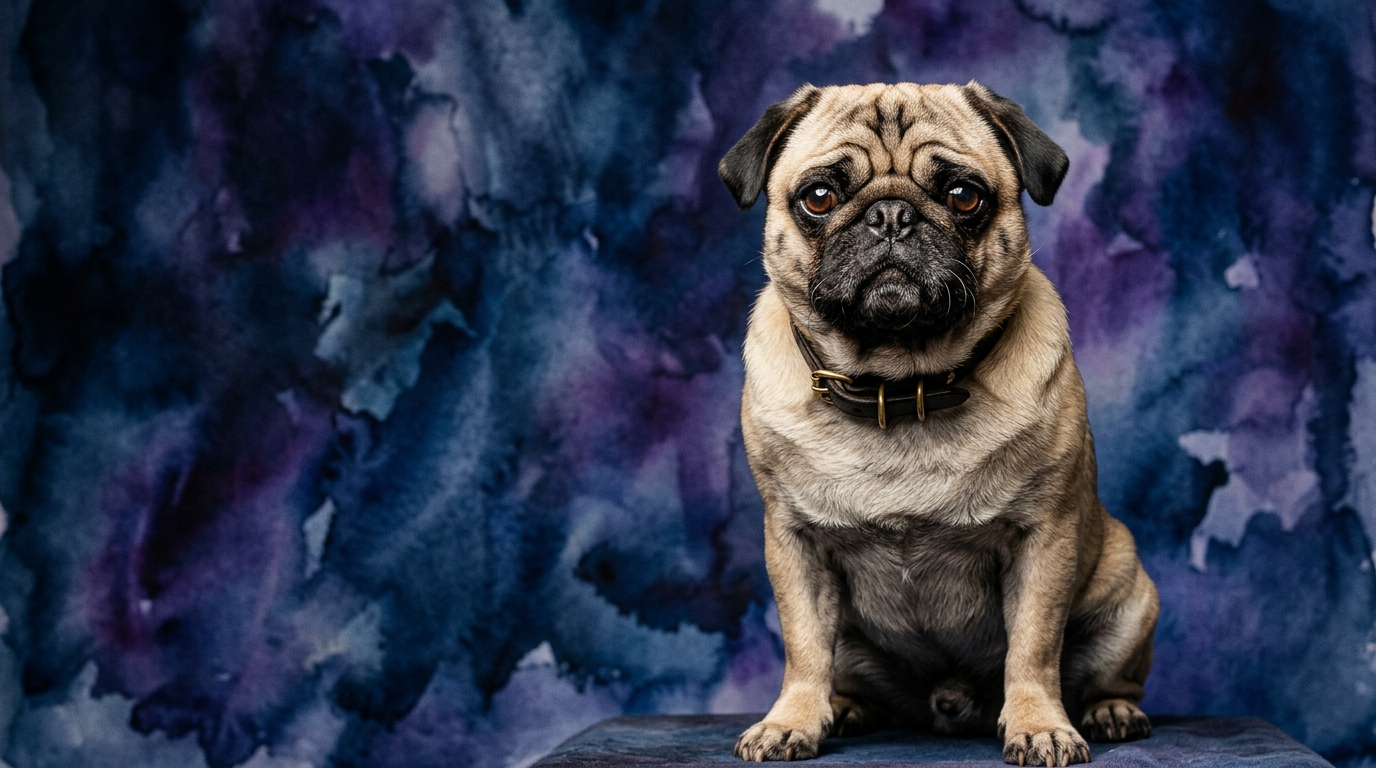
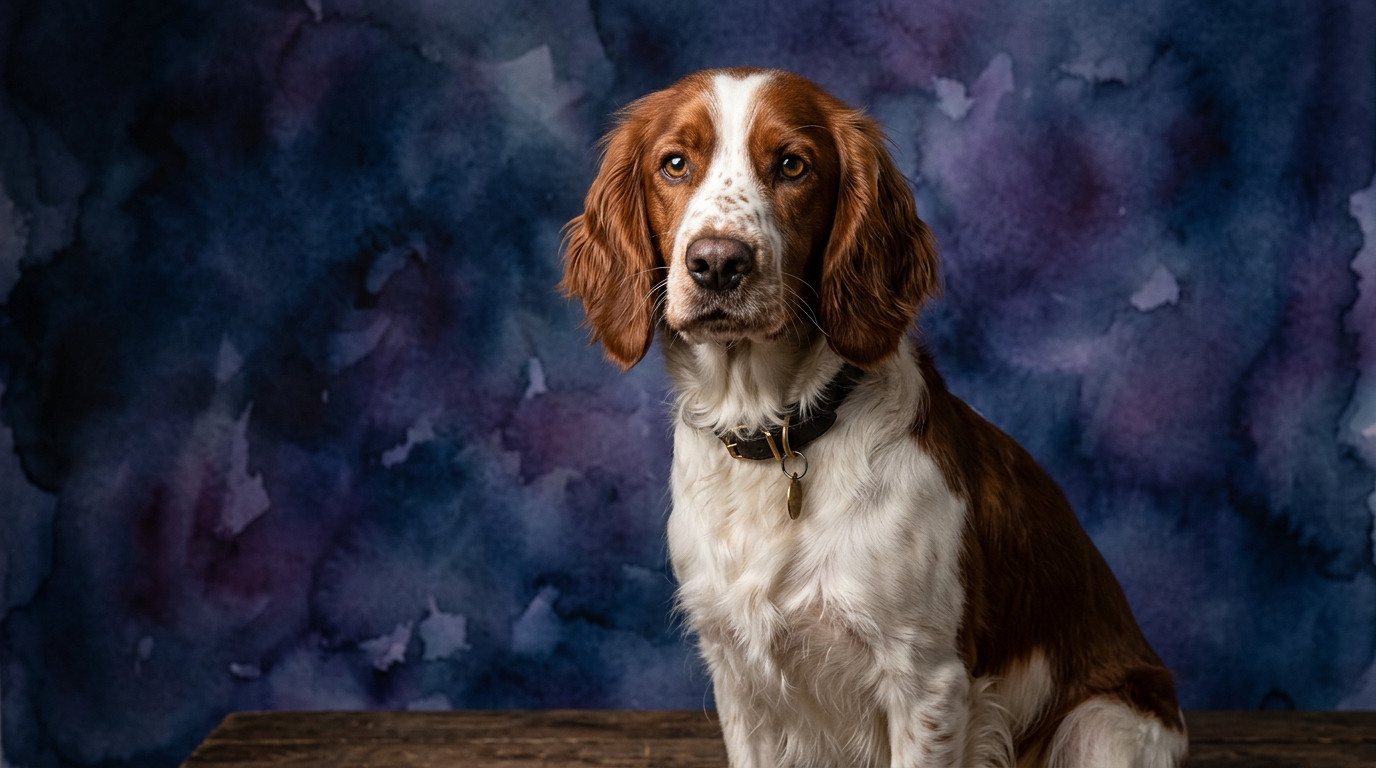
Side-by-side IQ profile
The Cosmic Pet Pet IQ Lab's five-dimensional framework offers a detailed look into canine cognition. The Pug, a Toy group member with a Coren ranking of #57, presents a profile centered on companionship. Its Problem Solving ability scores 2 out of 5, meaning complex puzzles or novel environmental challenges are not its strength; it often prefers to engage its human for solutions. Training Speed also sits at 2 out of 5, indicating that acquiring new commands demands consistent, patient repetition, as Pugs can be easily distracted or exhibit a charming stubbornness. However, the Pug’s Social Intelligence is an unparalleled 5 out of 5, showcasing an extraordinary ability to interpret human emotions, moods, and intentions, making them exquisitely attuned companions. Their Instinctive Drive, at 2 out of 5, reflects their breeding as lap dogs, with minimal inclination for hunting or guarding. Finally, a Memory score of 3 out of 5 suggests a moderate capacity for retaining learned behaviors and recalling past events, sufficient for daily routines.
In contrast, the Welsh Springer Spaniel, a spirited Sporting group member ranked #31, displays a cognitive makeup geared towards activity and purpose. Its Problem Solving ability earns a robust 4 out of 5; these dogs readily figure out how to retrieve objects from challenging spots or navigate complex scent trails. This breed's Training Speed is equally impressive at 4 out of 5, meaning they grasp new commands and routines with relative swiftness, driven by an eagerness to work. While their Social Intelligence at 3 out of 5 is solid, it leans more towards understanding human directions for tasks rather than the deep emotional mirroring of Pugs; they connect through shared activity. Their Instinctive Drive, rated 3 out of 5, highlights their gundog heritage, manifesting as a keen interest in scent work and retrieving. With a Memory score of 4 out of 5, the Welsh Springer Spaniel effectively retains a wide array of commands, locations, and past learning experiences, crucial for field work and advanced obedience.
Where the Pug Shines Cognitively
The Pug's undisputed cognitive triumph lies in its extraordinary Social Intelligence, scoring a perfect 5 out of 5. Pugs possess an almost uncanny ability to read and respond to human emotional states, picking up on subtle cues and sensing when their human needs comfort or a quiet presence. This isn't merely about affection; it's a sophisticated form of emotional perception that allows them to seamlessly integrate into family dynamics, often anticipating needs. Their strength here translates into being exceptional emotional support animals, capable of profound empathy and responsiveness, making them masters of companionship.
Where the Welsh Springer Spaniel Excels Cognitively
The Welsh Springer Spaniel clearly outpaces the Pug in several key cognitive areas related to task-oriented learning and environmental interaction. With a Problem Solving score of 4 out of 5, these spaniels exhibit a strong capacity for independent thought when faced with obstacles, whether accessing a toy or navigating an agility course. This cognitive flexibility allows them to adapt quickly to new situations and devise effective strategies. Their Training Speed, also at 4 out of 5, means they acquire new commands with impressive efficiency. This rapid assimilation is bolstered by their robust Memory, scoring 4 out of 5, enabling them to recall an extensive repertoire of commands and intricate sequences crucial for advanced training and consistent performance.
Training Dynamics: Pug vs. Welsh Springer Spaniel
When considering ease of training, the Welsh Springer Spaniel holds a distinct advantage. Their Training Speed of 4/5, coupled with a solid Memory of 4/5 and an Instinctive Drive of 3/5 that includes an eagerness to work, means they are typically highly responsive and quick to grasp new concepts. These dogs thrive on purpose and positive reinforcement, often demonstrating a desire to please. Their Problem Solving ability (4/5) further assists, as they readily understand command intent and work through steps. For instance, a Welsh Springer Spaniel might master a complex retrieve pattern in a fraction of the time a Pug would.
In contrast, the Pug, with its Training Speed of 2/5 and Problem Solving of 2/5, presents a different training experience. While trainable, Pugs require considerable patience and creativity. Their lower instinctive drive for task-oriented work means motivation often stems purely from treats or affection, and they can be easily distracted or decide a task isn't worth the effort. Their charming stubbornness is more accurately a preference for comfort over compliance. Teaching a Pug a new trick might involve many short, engaging sessions over several days, whereas a Welsh Springer Spaniel might master it in one or two longer sessions. House training a Pug might also take longer due to their occasional disregard for boundaries, while a Welsh Springer Spaniel’s desire for routine often makes this process smoother.
Lifestyle Match: Active vs. Relaxed Owners
The choice between a Pug and a Welsh Springer Spaniel significantly depends on an owner's lifestyle and capacity for providing mental and physical engagement. For active owners who enjoy outdoor adventures, dog sports, or long, brisk walks, the Welsh Springer Spaniel is an ideal match. Their strong Problem Solving (4/5), Training Speed (4/5), and Instinctive Drive (3/5) mean they thrive on having a job to do, whether sniffing out treats, excelling in obedience, or accompanying humans on hikes. Without sufficient stimulation, a Welsh Springer Spaniel might become restless, channeling its cognitive energy into less desirable behaviors. They are partners in adventure, eager to explore and learn.
Conversely, for more relaxed owners who cherish quiet companionship and a less demanding physical routine, the Pug is an excellent fit. Their paramount Social Intelligence (5/5) means they are content to be close to their human, offering comfort and emotional connection with minimal need for strenuous exercise or complex mental challenges. Their lower Instinctive Drive (2/5) ensures they are generally happy with short strolls and ample cuddle time. While they benefit from gentle play and basic training, their contentment is largely derived from their bond with family, making them perfect companions for those seeking a devoted, emotionally responsive presence without the rigorous demands of a working breed.
The Verdict
Choose a Pug if your primary desire is an emotionally intuitive companion who thrives on close human interaction and requires a more relaxed physical activity schedule.
Opt for a Welsh Springer Spaniel if you seek an active, eager-to-learn partner for outdoor pursuits and enjoy engaging in structured training and problem-solving activities.
🧠 Find Your Pet's IQ Score
Our Pet IQ Lab assessment covers 25+ tests across 5 cognitive dimensions — personalized to your breed.
Take the Full IQ Test →Frequently Asked Questions
Which breed is better for first-time dog owners based on IQ?
The Welsh Springer Spaniel, with its higher training speed and problem-solving abilities, might be easier for a first-time owner committed to consistent training. However, a Pug's high social intelligence makes them very forgiving and adaptable companions, provided the owner appreciates their unique training style.
Do Pugs truly understand human emotions better than Welsh Springer Spaniels?
Based on their 5/5 Social Intelligence score, Pugs demonstrate an exceptional capacity for interpreting human emotions and cues, often anticipating needs. While Welsh Springer Spaniels connect well, their social intelligence (3/5) is more geared towards understanding commands for tasks.
Can a Pug participate in dog sports like agility?
While a Pug's lower problem-solving and instinctive drive scores (2/5 for both) suggest they are not naturally inclined towards high-intensity sports like agility, they can participate in less strenuous activities. Their memory (3/5) allows for learning basic courses, but their physical build and temperament make them better suited for activities emphasizing companionship over athleticism.