
Side-by-Side IQ Profile: Pug vs. Xoloitzcuintli
The Pug, Coren rank #57, a Toy group member, scores 2/5 in problem-solving and training speed, indicating they may prefer human guidance and require patient, motivational methods to learn. Their standout feature is social intelligence at 5/5, reflecting a deep attunement to human emotions and strong desire for connection. Instinctive drive is 2/5, prioritizing companionship over traditional 'work,' and memory is 3/5, allowing moderate recall of behaviors.
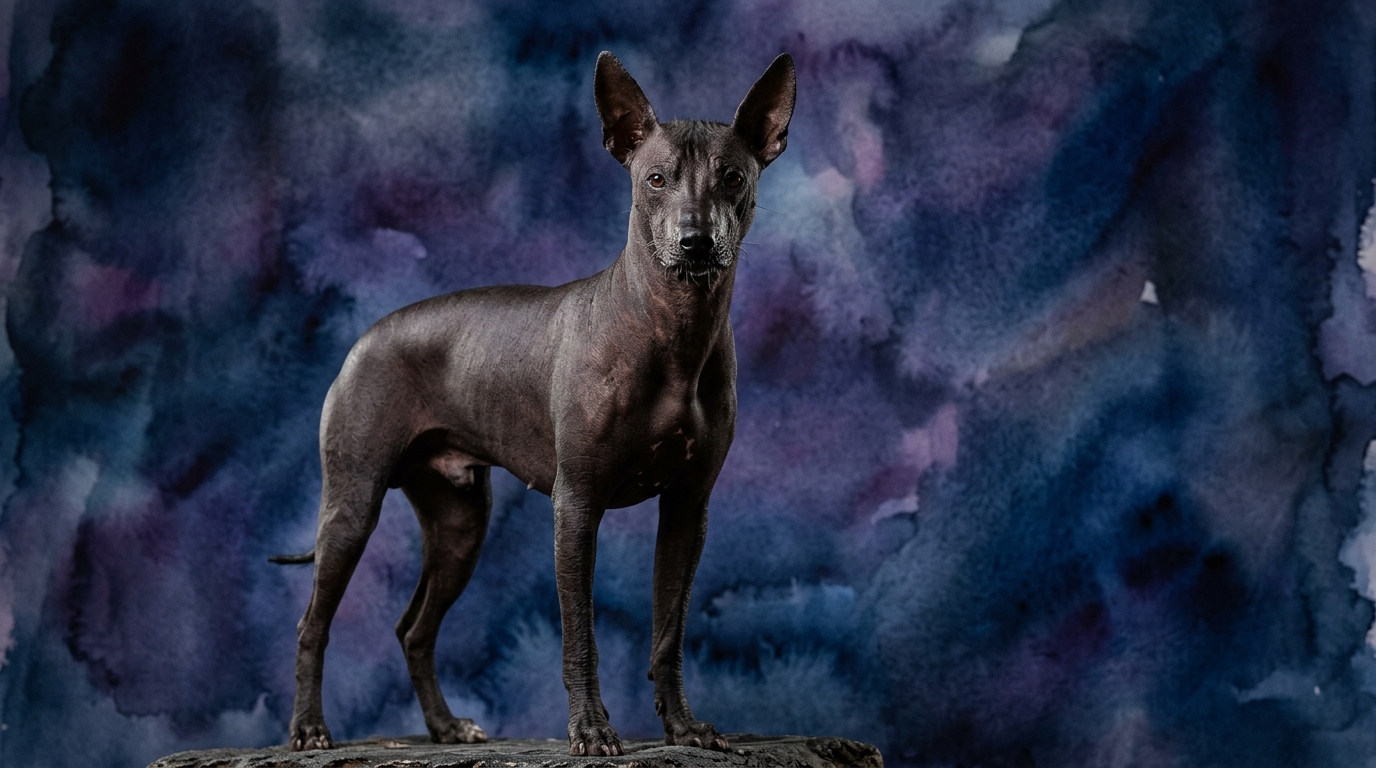
The Xoloitzcuintli, a Non-Sporting breed not Coren-ranked, shows a problem-solving ability of 3/5, suggesting moderate independent thought. Training speed is also 3/5, indicating they can grasp commands efficiently with clear communication. Social intelligence sits at 3/5, meaning strong family bonds but a more reserved demeanor with strangers. Instinctive drive is 3/5, reflecting ancient guarding or hunting tendencies, making them more purpose-driven. Their memory is 3/5, similar to the Pug.
Where the Pug Wins Cognitively: The Social Maestro
The Pug undeniably establishes a clear advantage in social intelligence, scoring an exceptional 5 out of 5. This signifies a profound capacity to interpret and respond to human emotional states and cues. A Pug often seems to possess an almost uncanny ability to read a person's mood, offering comfort or initiating play to lighten the atmosphere. They are masters of non-verbal communication within the human-dog bond, quickly learning what facial expressions, tones of voice, or body language from their people signify. This high social IQ means Pugs excel at forming incredibly deep, empathetic connections, making them highly responsive to the nuances of family dynamics. Their acute awareness allows them to integrate seamlessly into family life, often becoming the emotional anchor of the home. The Pug's internal compass is strongly oriented towards human interaction and approval, making them exceptionally attuned companions who thrive on mutual emotional exchange, unparalleled in offering emotional support.
Where the Xoloitzcuintli Wins Cognitively: The Independent Thinker
The Xoloitzcuintli demonstrates cognitive strengths that often outpace the Pug in areas requiring independent thought and purposeful action. With a problem-solving score of 3 out of 5, the Xolo tends to exhibit a greater capacity for navigating novel situations and figuring out challenges without constant human prompting, perhaps more readily discovering how to open a gate or retrieve a hidden toy. Their training speed, also at 3 out of 5, suggests a quicker grasp of new commands and a more direct application of learned behaviors, often requiring fewer repetitions. Furthermore, the Xoloitzcuintli's instinctive drive, rated 3 out of 5, points to a more inherent purposefulness. Descended from ancient working and companion dogs, they often retain a natural inclination towards vigilance or territory awareness, requiring outlets for these natural tendencies. This drive translates into a dog that can be more motivated by tasks, exploration, and having a 'job,' highlighting the Xolo's more active engagement with their environment and a greater capacity for independent action when faced with a challenge.
Which is Easier to Train and Why?
Training ease is nuanced, as their cognitive strengths demand different approaches. The Pug, with a training speed of 2/5, can be challenging for rapid skill acquisition. Their high social intelligence (5/5) is a powerful motivator, but lower instinctive drive (2/5) and selective attention mean they might not always see the immediate 'point' of a command unless tied to social interaction or a high-value reward. Training Pugs requires immense patience, short, engaging sessions, and heavy positive reinforcement. They understand what you want but might engage only if the motivation is compelling. The Xoloitzcuintli, with a training speed of 3/5, generally grasps concepts more quickly. Their moderate instinctive drive (3/5) means they can be motivated by tasks and purpose beyond pure social interaction. While bonded, their social intelligence (3/5) isn't as overwhelmingly dominant, allowing for more direct learning, focusing on the task itself. They respond well to clear, consistent commands and can be independent learners. However, their ancient guarding instincts can mean a strong will, requiring early leadership. Once they understand and respect their trainer, Xolos typically perform with greater reliability and less distraction than Pugs.
Which Suits Active Owners vs. Relaxed Owners?
Lifestyle compatibility highlights a key difference. The Pug, with its instinctive drive rated at a modest 2/5, is typically a quintessential companion dog built for comfort. Their activity requirements are generally low to moderate, content with short, leisurely strolls and extended periods of napping. Their physical structure also means they are not suited for strenuous exercise. Pugs thrive in relaxed home environments where their primary 'job' is to provide companionship and soak up affection. An owner who enjoys quiet evenings, gentle walks, and a dog always ready for a cuddle will find the Pug an ideal match, integrating seamlessly into a less active household. The Xoloitzcuintli, with an instinctive drive of 3/5, requires a more engaged and active owner. Their ancestral role as guardians means they possess more inherent energy and a need for both physical exercise and mental stimulation. They enjoy brisk walks, opportunities to run, and engaging in activities that challenge their moderate problem-solving abilities. A Xolo needs purposeful activity to prevent boredom and channel natural drives. Owners who enjoy regular outdoor adventures, dog sports, or are prepared to provide consistent training and enrichment will find the Xolo a rewarding, albeit more demanding, partner, suiting households that can provide structure and mental engagement.
The Verdict
Choose a Pug if you prioritize an emotionally attuned, low-energy companion who thrives on close social connection and is content with a relaxed, indoor-centric lifestyle.
Opt for a Xoloitzcuintli if you seek a more independent, task-oriented partner who benefits from consistent physical activity, mental challenges, and an owner prepared to engage their ancient, purposeful drives.
🧠 Find Your Pet's IQ Score
Our Pet IQ Lab assessment covers 25+ tests across 5 cognitive dimensions — personalized to your breed.
Take the Full IQ Test →Frequently Asked Questions
Are Pugs difficult to train?
Pugs, with a training speed of 2/5, can require patience and highly motivating methods. While they love to please socially, their focus can waver, so short, positive reinforcement-based sessions are most effective for learning new behaviors.
Do Xoloitzcuintli dogs need a lot of mental stimulation?
Yes, Xoloitzcuintli dogs, with a 3/5 problem-solving ability and instinctive drive, benefit significantly from mental challenges. Activities like puzzle toys, scent work, and consistent training help channel their natural intelligence and prevent boredom.
Which breed is more affectionate?
The Pug, with a 5/5 social intelligence score, is generally more overtly affectionate and attuned to human emotions, constantly seeking close physical and emotional connection. Xolos, at 3/5 social intelligence, are deeply bonded but often express affection more reservedly or selectively.