Side-by-Side Cognitive Profiles
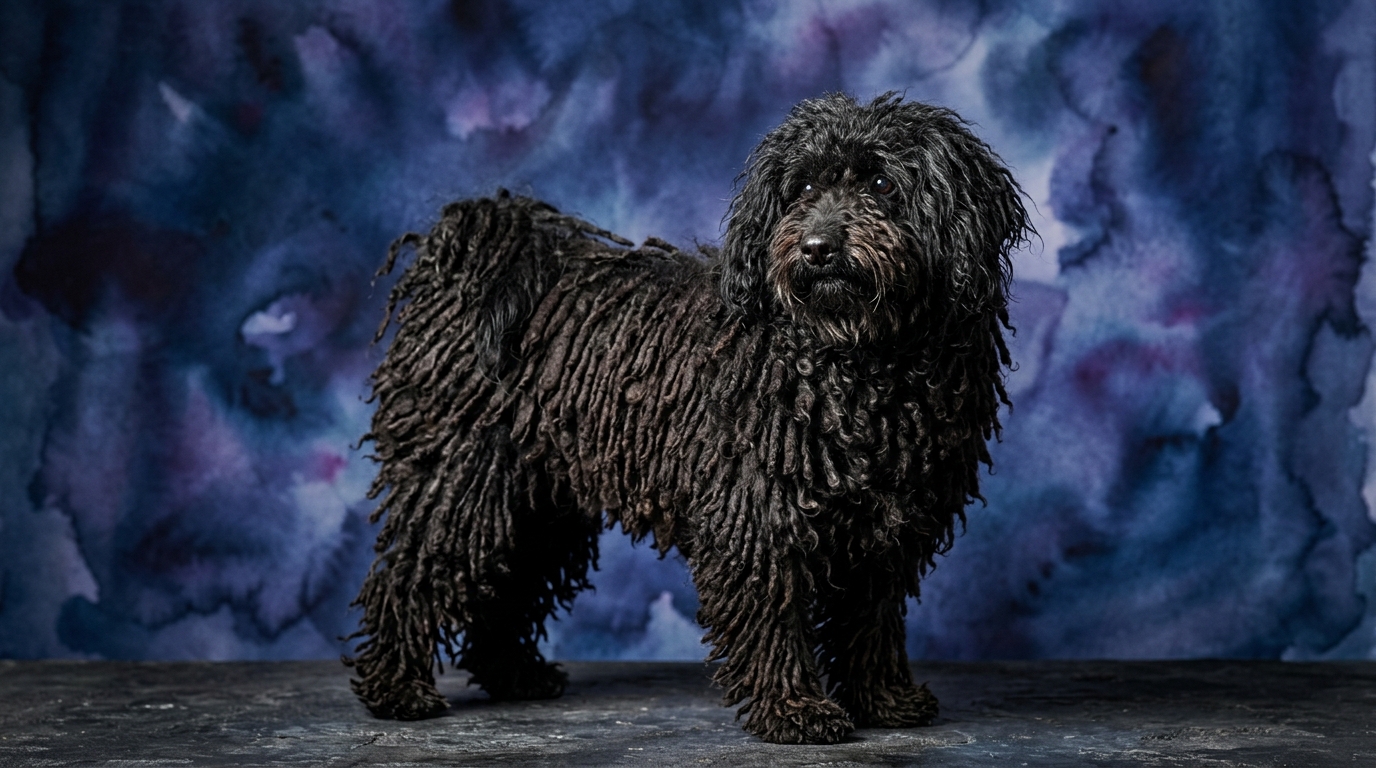
The Puli, a Hungarian herding dog, ranks #25 in Coren's Working and Obedience Intelligence. Its cognitive profile includes a Problem Solving score of 4/5, indicating a strong capacity for independent thought and finding solutions to environmental challenges. Training Speed is also 4/5, suggesting a quick grasp of new commands, though perhaps with an independent streak. Social Intelligence stands at 3/5, meaning they are observant of human cues but may not always prioritize constant interaction. Their Instinctive Drive is 3/5, reflecting a focused, task-oriented herding instinct rather than a broad, high-energy drive. Finally, their Memory is 4/5, enabling them to retain complex sequences and experiences effectively.
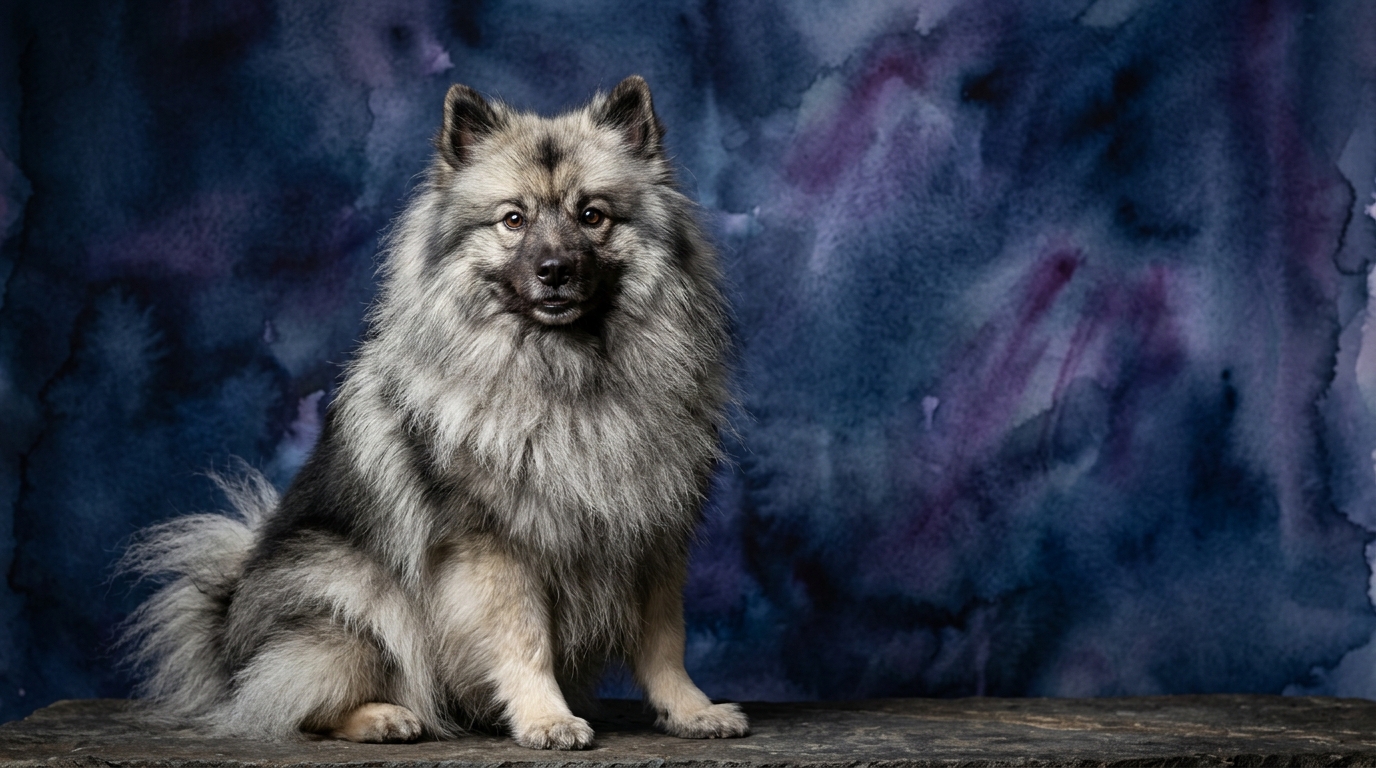
The Keeshond, a charming companion from the Non-Sporting group, holds a higher Coren rank at #16, hinting at a more consistent obedience response. Like the Puli, its Problem Solving score is 4/5, demonstrating cleverness in navigating their world, often to their own comfort or advantage. Training Speed matches the Puli at 4/5, indicating a readiness to learn. Social Intelligence is also 3/5, showing an awareness of their human companions without being overly dependent. Their Instinctive Drive is 3/5, manifesting more as a watchful, companionable nature rather than a strong prey or working drive. The Keeshond's standout feature is its Memory, rated at an exceptional 5/5, suggesting a superior ability to recall learned behaviors, routines, and social interactions.
Where the Puli Exhibits Cognitive Strengths
While both breeds score 4/5 in Problem Solving, the Puli's herding heritage gives this dimension a distinct flavor. A Puli's problem-solving often manifests in dynamic, real-world scenarios, requiring them to assess changing variables and make swift decisions, such as navigating a flock through varied terrain or anticipating livestock movement. This isn't merely about solving a puzzle for a treat; it's about executing a complex task with an inherent sense of purpose. Their 4/5 memory, coupled with this practical problem-solving, suggests a superior ability to recall and apply intricate strategies for specific, often physical, objectives. This blend of cognitive skills makes them particularly adept at activities demanding sequential thinking and adaptive responses to unpredictable environments.
Furthermore, the Puli's specific type of instinctive drive, though rated 3/5, points to a cognitive advantage in self-directed tasks. Once trained on a concept, a Puli might be more inclined to 'take the initiative' and execute a learned behavior with minimal prompting, especially if it aligns with their perceived objective. This independent application of learned knowledge, rooted in their herding background, means they can be highly effective at tasks requiring a degree of autonomy, making them excellent partners for advanced dog sports like agility or herding trials where a dog needs to think on its feet.
Where the Keeshond Exhibits Cognitive Strengths
The Keeshond's most significant cognitive advantage lies in its exceptional Memory, scoring a perfect 5/5 compared to the Puli's 4/5. This superior recall profoundly impacts their learning and interaction. A Keeshond is likely to retain commands, routines, and household rules with remarkable consistency, requiring fewer repetitions during training and demonstrating greater reliability over time. This enhanced memory extends to social cues, allowing them to quickly learn family dynamics, anticipate owner's intentions, and remember specific interactions with various people and animals, fostering a strong and adaptable companionship.
Their higher Coren rank of #16, compared to the Puli's #25, further underscores a cognitive edge in general obedience and response consistency. While both breeds learn quickly (4/5 Training Speed), the Keeshond's superior memory and potentially stronger desire for human affirmation, typical of many non-sporting companion breeds, translate into a more reliable and less challenging training experience. Their problem-solving (4/5) often focuses on navigating their social environment, using their memory of past successes to achieve desired outcomes, such as getting attention or finding comfortable spots within the home, rather than purely task-oriented objectives.
Which is Easier to Train and Why
When considering ease of training, the Keeshond generally presents a smoother path for most owners. Their Coren rank of #16 indicates a dog that typically learns new obedience commands with fewer repetitions and maintains a higher rate of compliance. This is heavily supported by their exceptional 5/5 Memory score; once a Keeshond learns a command, they remember it with remarkable tenacity, leading to consistent performance. Behaviorally, Keeshonds often exhibit a stronger desire to please their human companions, making them highly responsive to positive reinforcement and eager to engage in training sessions. They are less likely to question a command or attempt to 'improve' upon it, preferring instead to follow direction and receive approval, which simplifies the learning process.
The Puli, while also possessing a commendable 4/5 Training Speed, falls to Coren rank #25. While they grasp concepts quickly, their herding background instills a degree of independent thinking and self-reliance. A Puli might learn a command rapidly but then evaluate if executing it is the most efficient or 'correct' action in a given situation, sometimes leading to a perceived stubbornness if their assessment differs from the owner's. Their 3/5 Social Intelligence also suggests they might be less inherently motivated by constant human approval compared to a Keeshond, sometimes requiring more creative or varied training approaches to maintain engagement and compliance. Owners need to understand and channel this independent problem-solving drive effectively to achieve consistent results.
Which Suits Active Owners vs Relaxed Owners
For truly active owners who thrive on structured engagement and mental challenges, the Puli is often the more fitting choice. Their herding lineage means they possess an innate drive for purpose and activity. Their 4/5 Problem Solving and Memory are best utilized in demanding dog sports like agility, herding trials, or complex obedience routines that require independent thought and quick decisions. A Puli needs a 'job' to feel fulfilled; without consistent mental and physical stimulation, their intelligence and energy can manifest in less desirable behaviors due to boredom. Owners who enjoy dedicating significant time to training and working with their dog to master intricate tasks will find a Puli a rewarding, albeit demanding, partner.
The Keeshond, while certainly not a sedentary dog, offers greater adaptability for both engaged and somewhat more relaxed owners. Their exceptional 5/5 Memory and 4/5 Training Speed make them excellent candidates for consistent training in obedience, trick training, and puzzle games, satisfying their mental needs without requiring the intense, task-oriented drive of a herding breed. They enjoy being part of family activities and thrive on companionship, making them suitable for owners who enjoy regular walks, interactive play, and consistent mental engagement within a family setting. While they appreciate activity, their needs are typically met with less strenuous, though still consistent, daily routines compared to the Puli, making them a good fit for owners who want an engaged companion without an overwhelming need for a 'working' role.
The Verdict
Choose the Puli if you are an active owner seeking an independent-thinking partner for demanding dog sports, complex tasks, or appreciate a dog capable of intricate, self-directed problem-solving in dynamic environments.
Choose the Keeshond if you prioritize exceptional memory and consistency in obedience training, desiring a highly adaptable and eager-to-please companion who excels at integrating smoothly into family life with relatively less training frustration.
🧠 Find Your Pet's IQ Score
Our Pet IQ Lab assessment covers 25+ tests across 5 cognitive dimensions — personalized to your breed.
Take the Full IQ Test →Frequently Asked Questions
Do Pulis require more exercise than Keeshonds?
Pulis, stemming from a herding background, generally need more structured physical and mental exertion to satisfy their working drives and prevent boredom. Keeshonds are active but their exercise needs are often met with regular walks and interactive play rather than intense, prolonged tasks.
Are Keeshonds better for first-time dog owners?
A Keeshond's exceptional memory and eagerness to please, reflected in its higher Coren rank, can make the training process smoother and more consistent for a first-time owner. Pulis, while cognitively capable, may challenge a novice with their independent problem-solving and potential for self-directed behaviors if not adequately engaged.
Which breed is more adaptable to apartment living?
While both breeds can adapt to apartment living with sufficient daily engagement, the Keeshond's slightly lower innate drive for intense 'work' and strong companion orientation may make it marginally more comfortable in an apartment setting, provided its social and mental needs are met consistently.