Side-by-Side Cognitive Profiles
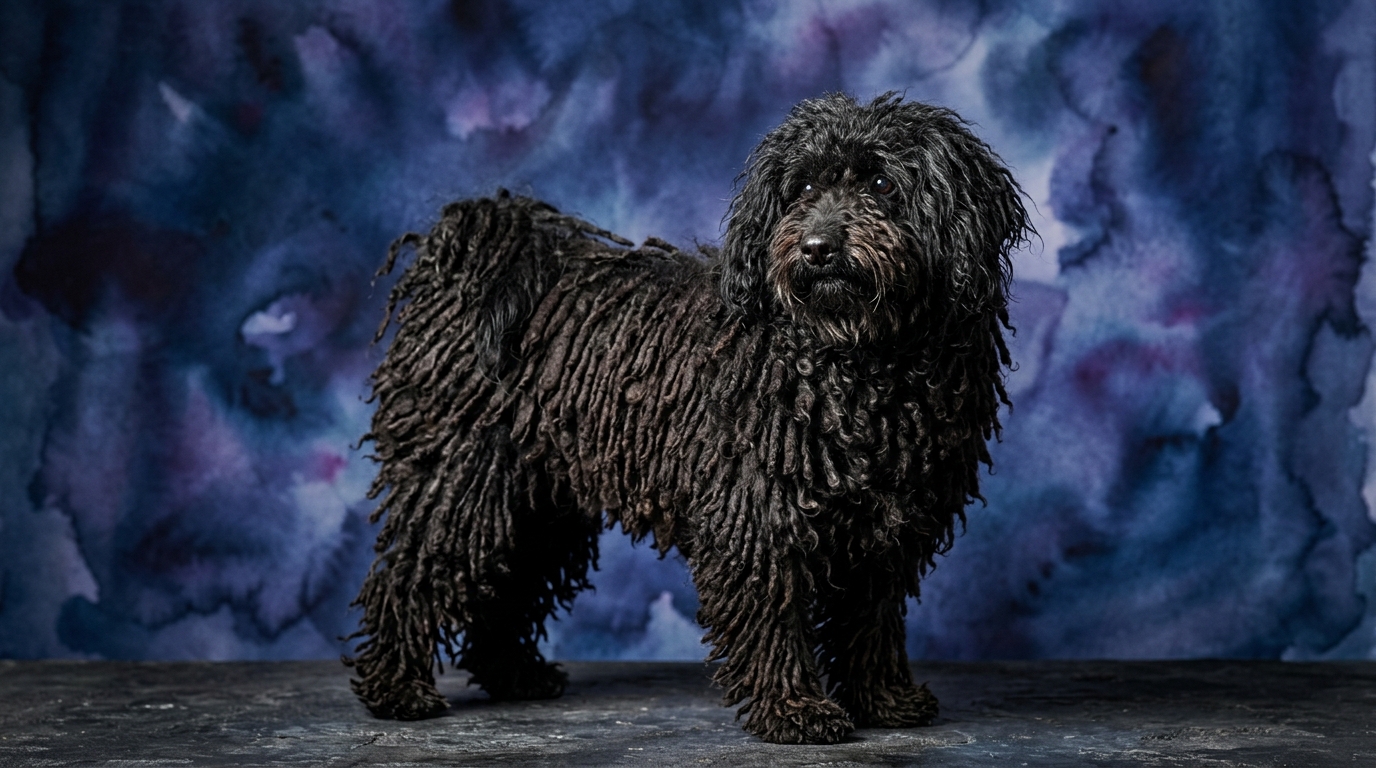
The Puli's cognitive makeup reflects its demanding history as a herding dog, where quick thinking and independent judgment were paramount. Its Problem Solving is rated 4/5, indicating a dog capable of complex strategizing, such as anticipating livestock movement or figuring out multi-step puzzles. Training Speed also scores 4/5, suggesting a rapid grasp of new commands and a keenness for mental engagement, which was vital for responding to a shepherd's nuanced cues. Social Intelligence sits at 3/5; while responsive to their human partners, Pulik often retain a certain independent streak, focusing intently on the task at hand rather than constant human affirmation. Instictive Drive is 3/5, channeled primarily towards herding behaviors, including a watchful nature and a desire to control movement. Finally, Memory at 4/5 allows them to retain intricate patterns and sequences, essential for remembering complex routes or herding strategies over time.
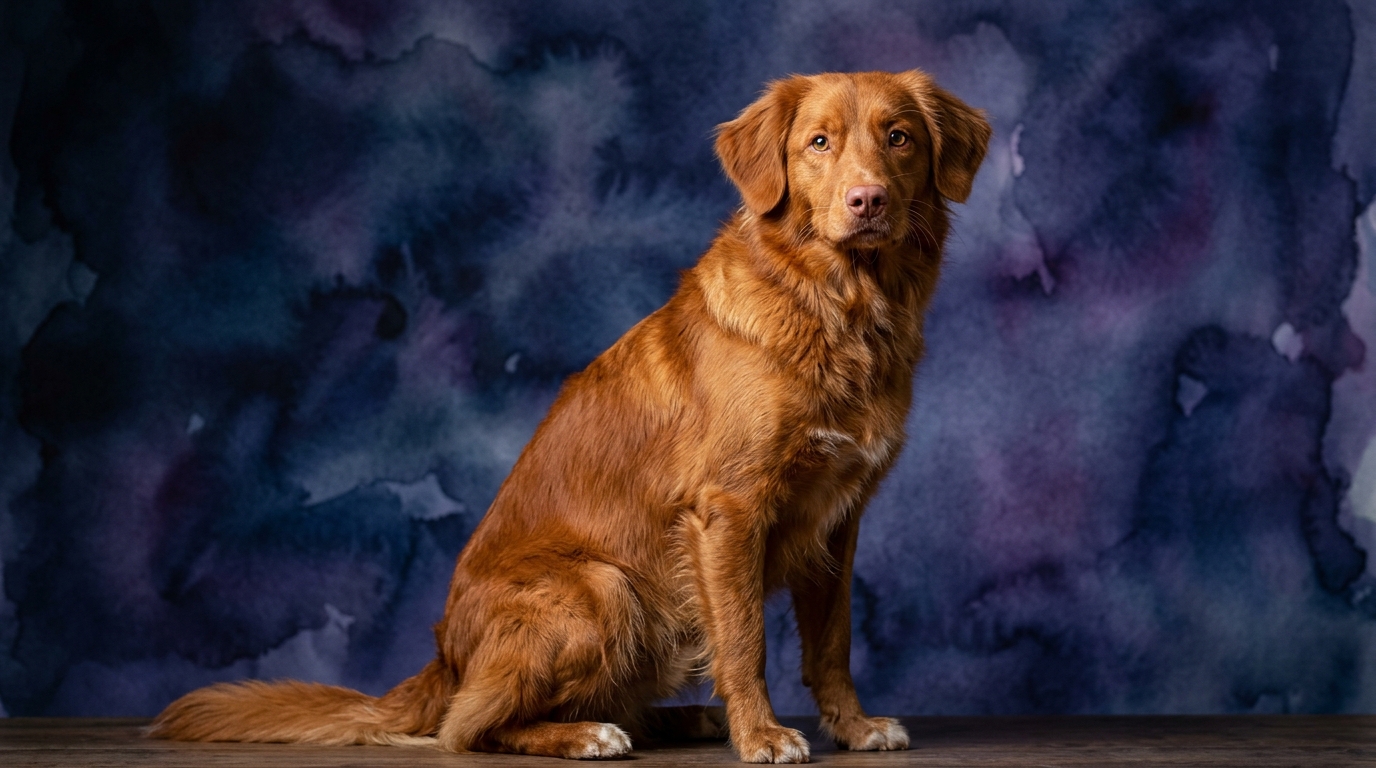
The Nova Scotia Duck Tolling Retriever, or Toller, presents a cognitive profile optimized for its role as a sporting dog, specifically for luring and retrieving waterfowl. Its Problem Solving is rated 3/5, signifying a practical intelligence adept at navigating environments to retrieve but perhaps less inclined towards abstract or novel problem creation. Training Speed is 3/5, indicating a steady learning pace where consistency and positive reinforcement yield good results, making them generally cooperative students. Social Intelligence is 3/5, showing they are engaged and connected with their human partners, often eager to please within the context of their work. Instictive Drive, also 3/5, is strongly geared towards retrieving, chasing, and the unique “tolling” behavior of luring ducks. Memory at 3/5 means they effectively recall learned commands and routines pertinent to their work, remembering where game fell or specific training sequences.
Where the Puli Excels Cognitively
The Puli's ancestral role as a livestock guardian and herder demanded a specific set of cognitive strengths, which manifest in its higher scores in several key areas. Foremost is its Problem Solving ability, rated 4/5 compared to the Toller's 3/5. A Puli often demonstrates superior ingenuity in figuring out complex environmental challenges, such as opening childproof latches or devising novel ways to access desired objects. This stems from their need to independently assess and react to unpredictable livestock behavior, requiring strategic foresight and adaptability beyond simple learned responses. They are not merely reacting but often planning.
Furthermore, the Puli’s Training Speed, at 4/5 versus the Toller's 3/5, suggests a quicker acquisition of new commands and concepts. This rapid learning curve means a Puli can often master complex obedience routines or intricate agility sequences with fewer repetitions. Their historical requirement to swiftly interpret and execute a shepherd's subtle directions cultivated a mind that processes information efficiently and translates it into action with precision, making them particularly adept at advanced dog sports or specialized tasks.
Memory, another Puli strong suit at 4/5 compared to the Toller's 3/5, underpins their capacity for complex learning. A Puli can recall extensive sequences of commands, remember specific routes taken months prior, or retain detailed knowledge of their environment and its inhabitants. This robust memory is invaluable for tasks requiring long-term retention of multi-stage instructions or for dogs engaged in competitive disciplines where remembering entire courses or routines is critical for success. This cognitive advantage allows them to build a deep mental library of experiences and learned behaviors.
Where the Nova Scotia Duck Tolling Retriever Shines Cognitively
While the Puli may outscore the Toller in raw problem-solving or training speed, the Nova Scotia Duck Tolling Retriever possesses a distinct cognitive advantage rooted in the specialized application of its instinctive drive and social intelligence. The Toller's Instictive Drive (3/5) is exquisitely tuned for its specific purpose: luring and retrieving waterfowl. This means their motivation and focus for retrieve-based tasks are often unparalleled. A Toller will exhibit an unwavering, joyful commitment to fetching, swimming, and working alongside a hunter, driven by an innate desire that makes these activities feel less like “work” and more like their ultimate calling. This specific, intense drive for retrieving often surpasses a Puli's broader herding instincts when it comes to sustained, repetitive fetching or water work.
Their blend of Social Intelligence (3/5) and this specialized Instinctive Drive makes them exceptional partners in cooperative hunting scenarios. Tollers are adept at reading human cues within the context of a hunt, understanding subtle hand signals or vocalizations that direct them to fallen game. While a Puli's independence is valuable for herding, a Toller’s cooperative focus, combined with its strong retrieving impulse, makes it a more seamlessly integrated team player for tasks requiring direct partnership and shared objective in the field. They thrive on working *with* their human, translating human intent into focused action.
This focused drive also means that when engaged in activities that align with their retrieving nature, such as dock diving, flyball, or field trials, Tollers bring an enthusiasm and singular purpose that can be difficult to match. Their cognitive profile is optimized for sustained, energetic engagement in these specific sporting tasks, demonstrating a profound joy and efficacy that makes them a top choice for owners passionate about these disciplines. Their “wins” are not in general intelligence scores, but in the highly effective and joyful application of their specific cognitive toolkit to their intended purpose.
Which is Easier to Train and Why
Determining which breed is “easier” to train depends significantly on the owner's experience, training methods, and the specific goals. The Puli, with its Training Speed rated 4/5, generally picks up new commands and concepts more quickly than the Toller (3/5). This means a Puli might require fewer repetitions to grasp a new trick or obedience command, making the initial stages of learning appear faster. Their problem-solving acumen also means they can often generalize learned behaviors to new situations with less explicit instruction. However, a Puli's strong independent streak and strategic thinking, while a cognitive strength, can also present a training challenge; they may question commands or try to “outsmart” their handler if not consistently guided with clear, firm, and positive reinforcement.
The Nova Scotia Duck Tolling Retriever, while learning at a steady pace (3/5 Training Speed), often brings a more consistently eager-to-please attitude to the training session, particularly if the training involves retrieving or high-energy activities. Their cooperative nature and strong desire to work *with* their human make them very responsive to positive reinforcement. However, their high energy levels and strong prey drive can be significant distractions, requiring diligent focus and management from the trainer to maintain attention. While they might need more repetitions for a new command than a Puli, their sustained enthusiasm for tasks, especially those aligning with their instincts, can make the training process feel rewarding and engaging. For an owner who consistently leverages their retrieving drive, the Toller can be an incredibly willing and joyful student, albeit one who demands physical outlets for their energy.
Which Suits Active Owners vs. Relaxed Owners
Neither the Puli nor the Nova Scotia Duck Tolling Retriever is suited for a truly relaxed or sedentary owner; both breeds demand a significant commitment to activity and mental engagement. The Puli, with its high problem-solving and memory scores, thrives on varied mental stimulation alongside physical exercise. Owners should be prepared for activities like agility, advanced obedience, herding trials, or complex puzzle games to prevent boredom-induced behaviors. A Puli will invent its own “job” if not provided one, which can manifest as undesirable behaviors like excessive vocalization or rearranging household items. They require an owner who understands their strategic mind and can provide consistent, engaging challenges.
The Nova Scotia Duck Tolling Retriever also requires an active owner, but with a slightly different emphasis. Their robust instinctive drive and high energy levels necessitate vigorous physical exercise daily, often centered around their natural retrieving instincts. Activities like extensive games of fetch, swimming, hiking, or participation in dog sports such as dock diving or field work are essential. While they also benefit from mental challenges, their primary need is often intense physical exertion that allows them to burn off energy and satisfy their working drives. A relaxed owner would quickly find themselves overwhelmed by a Toller's boundless energy and potential for destructive behaviors if not adequately exercised and engaged. Both breeds thrive with owners who are proactive, consistent, and willing to invest time in their physical and cognitive well-being.
The Verdict
Choose the Puli if you seek a partner for intricate problem-solving, advanced obedience, or dog sports requiring strategic thinking and rapid learning. You appreciate a dog that thinks independently but is receptive to skilled guidance, and you can provide diverse mental and physical outlets.
Choose the Nova Scotia Duck Tolling Retriever if you're an outdoor enthusiast who loves activities like retrieving, swimming, and field work. You value a cooperative, energetic companion eager for physical challenges and consistent training, and you can channel their specific sporting drives.
🧠 Find Your Pet's IQ Score
Our Pet IQ Lab assessment covers 25+ tests across 5 cognitive dimensions — personalized to your breed.
Take the Full IQ Test →Frequently Asked Questions
Are Nova Scotia Duck Tolling Retrievers good family dogs?
Tollers can be wonderful family dogs, especially for active families who can meet their high exercise and mental stimulation needs. Their social intelligence (3/5) means they form strong bonds, but their energy and retrieving drive require consistent training and supervision around children, particularly young ones.
Do Pulik require extensive grooming for their corded coats?
Yes, the Puli's unique corded coat requires specific and regular grooming to maintain its health and appearance, preventing matting. While they don't shed in the traditional sense, their cords need to be separated and maintained to stay clean and healthy, a commitment that potential owners must be prepared for.
Which breed is better suited for apartment living?
Neither breed is ideally suited for apartment living without a highly dedicated and active owner. Both the Puli and the Nova Scotia Duck Tolling Retriever have high energy levels and significant needs for mental and physical stimulation. An apartment owner would need to commit to multiple long walks, dedicated play sessions, and mental enrichment activities daily to keep either breed content.