Side-by-Side Cognitive Profiles: Puli vs. Schipperke
At The Cosmic Pet Pet IQ Lab, we evaluate canine cognition across five distinct dimensions, offering a detailed glimpse into how different breeds process the world. Let's examine the Puli and Schipperke through this lens.
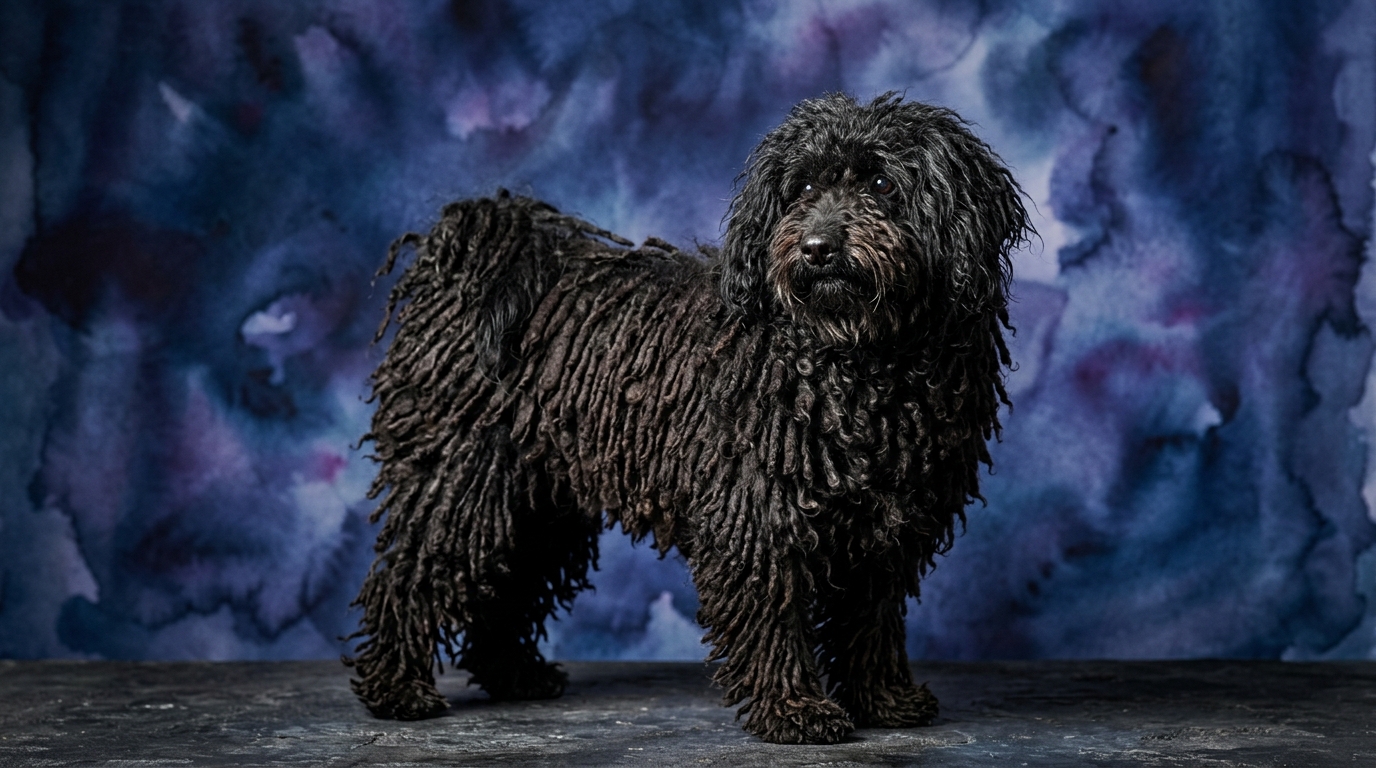
The Puli, a Herding breed ranked #25 by Coren, demonstrates a balanced cognitive toolkit. Their Problem Solving rates at 4/5, indicating a strong capacity for independent thought and navigating complex situations, a trait honed by centuries of livestock management. Training Speed also sits at 4/5, suggesting a good pace of learning new commands and routines, rewarding consistent, engaging instruction. Social Intelligence is assessed at 3/5; Pulis form deep bonds with their immediate family but approach new people and situations with a reserved, discerning observation. Their Instinctive Drive, at 3/5, reflects a moderate but present urge to manage and organize, influencing their protective tendencies. Finally, Memory scores 4/5, meaning Pulis effectively retain learned information and experiences over time, contributing to their reliability.
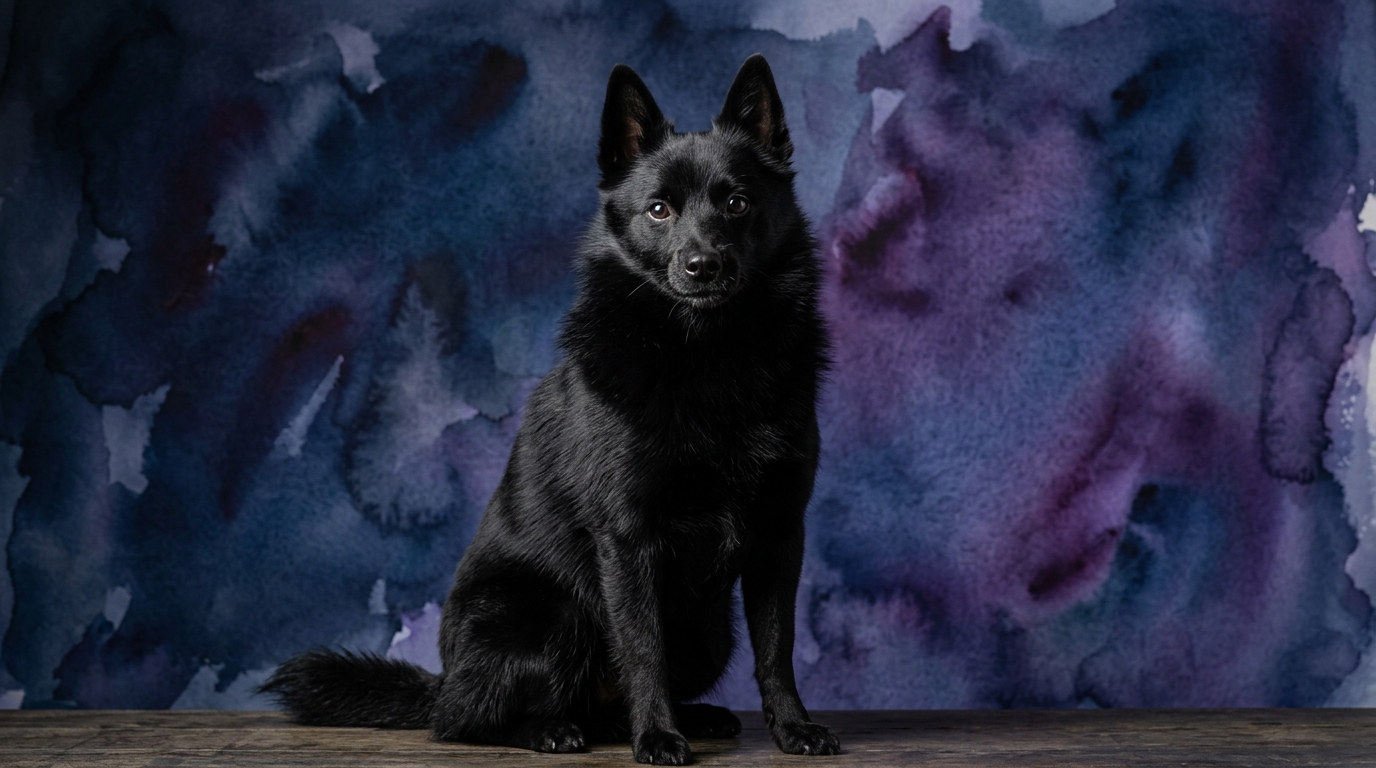
The Schipperke, a Non-Sporting breed with an impressive Coren rank of #15, showcases a cognitive profile geared towards rapid processing and exceptional recall. Their Problem Solving is a perfect 5/5, highlighting an outstanding ability to analyze situations and devise creative, often ingenious, solutions. Training Speed also reaches 5/5, signifying an impressive aptitude for absorbing new information and commands with minimal repetition, making them highly responsive to structured training. Social Intelligence mirrors the Puli at 3/5; Schipperkes are fiercely loyal to their family but often maintain a watchful distance with strangers, favoring their established circle. Their Instinctive Drive is 3/5, manifesting as focused vigilance, a strong prey drive for small critters, and territorial awareness, rooted in their history as versatile barge dogs and ratters. Memory is exceptional at 5/5, indicating a superior ability to retain intricate details of their environment, training, and past experiences with remarkable precision.
Where the Puli's Cognition Excels
The Puli's cognitive strengths shine particularly in scenarios requiring independent judgment and nuanced decision-making within a broader group dynamic. Their 4/5 problem-solving, while slightly lower than the Schipperke's, is tempered by a historical need to manage and protect livestock without constant human direction. This means a Puli might excel at navigating complex social situations among a flock or family, making decisions that benefit the collective rather than just an individual task. Their herding instinct, though moderate (3/5), provides a framework for understanding group dynamics and spatial relationships, which can translate into a subtler, more holistic approach to problem-solving compared to the Schipperke's more task-oriented brilliance. The Puli's combination of good memory (4/5) and problem-solving allows them to learn from past experiences in a way that informs their protective and managerial roles, making them adept at anticipating and preventing issues within their perceived 'flock.'
Where the Schipperke's Cognition Takes the Lead
The Schipperke's cognitive edge is undeniable in areas demanding rapid assimilation of new information and exceptional recall, reflected in their perfect 5/5 scores for both problem-solving and memory. This breed demonstrates an unmatched quickness in understanding novel challenges and a superior ability to retain complex sequences of commands or behaviors. Their problem-solving isn't just about finding a solution; it's about finding the most efficient solution, often with an inventive flair. This makes them particularly adept at intricate obedience work, agility, or any activity requiring precise execution and quick adaptation. Their vigilance, stemming from their modest instinctive drive (3/5), combined with their superior memory, enables them to remember potential threats or unusual occurrences with striking detail, making them exceptionally observant companions.
Training Dynamics: Which Breed Learns Faster?
When evaluating ease of training, the Schipperke generally presents a more straightforward path due to their 5/5 training speed and 5/5 memory. They grasp new concepts with remarkable alacrity, often requiring fewer repetitions to solidify a command. This quick uptake means a well-structured training session can yield significant progress rapidly. Their keen problem-solving (5/5) also means they are adept at figuring out what is expected of them, often anticipating cues. However, their independent streak, a common trait in breeds with strong watch and ratter instincts, means consistency and positive reinforcement are paramount to maintain engagement and prevent them from using their cleverness to outsmart their trainer.
The Puli, with a 4/5 training speed and 4/5 memory, is still a highly capable dog but might require a touch more patience and creative engagement. Their herding background means they appreciate purpose and routine, and their learning is often deeply intertwined with their bond with their trainer. They are not necessarily slower to learn, but they may process information through a slightly different lens, often weighing the utility or “reason” behind a command. Real behavioral differences include the Puli's occasional inclination to “herd” their owners, which needs to be gently redirected during training, whereas the Schipperke might use its cleverness to test boundaries, necessitating firm but fair leadership. Both breeds thrive on mental stimulation, but the Schipperke's rapid processing often makes them appear to pick things up faster initially.
Matching Canine Cognition to Lifestyle: Active vs. Relaxed Owners
When considering an owner's lifestyle, both the Puli and the Schipperke are better suited for active owners, though their ideal activities diverge. The Schipperke, with its boundless energy and quick wit, thrives on consistent mental and physical challenges. Owners who enjoy dog sports like agility, obedience, rally, or even competitive trick training will find the Schipperke a willing and exceptionally capable partner. Their superior problem-solving and memory make them excellent candidates for advanced tasks and complex routines. Daily vigorous walks, puzzle toys, and consistent training sessions are essential to keep their sharp minds engaged and prevent boredom-induced behaviors.
The Puli also requires substantial activity, leaning more towards owners who appreciate long, engaging walks, opportunities for off-leash exploration in secure areas, and perhaps herding-related activities if available. Their endurance and problem-solving skills make them good companions for hiking or exploring. While they can excel in dog sports, their slightly lower training speed compared to the Schipperke means owners might need a bit more patience and creativity in their training approach. A Puli benefits from having a “job” or a clear role within the family, aligning with their herding instincts.
Neither breed is truly ideal for a relaxed, sedentary owner. Both possess significant mental and physical energy that, if left unchanneled, can lead to destructive behaviors or excessive vocalization. While they enjoy downtime with their families, this must be balanced with ample opportunities for exercise and mental engagement. A relaxed owner considering either breed should be prepared to outsource significant daily activity or commit to a structured routine of walks and training themselves. Of the two, a Puli might tolerate slightly less intense daily activities than a Schipperke, provided they still receive consistent mental engagement and a clear sense of purpose.
The Verdict
Choose the Puli if you seek a loyal, protective companion who excels at independent judgment within a family dynamic, appreciating a partner who thinks strategically in broader contexts. They are ideal for owners who value a steady learning pace and a dog with a clear, ingrained sense of purpose and protective instinct.
Opt for the Schipperke if you desire a quick-witted, highly trainable dog who thrives on solving complex challenges and mastering new skills with exceptional speed and recall. This breed suits owners ready to engage a keen mind with consistent, advanced training and plenty of mental stimulation.
🧠 Find Your Pet's IQ Score
Our Pet IQ Lab assessment covers 25+ tests across 5 cognitive dimensions — personalized to your breed.
Take the Full IQ Test →Frequently Asked Questions
Are Pulis good family dogs?
Pulis can be excellent family dogs, forming deep bonds with their immediate human "flock." Their social intelligence leans towards loyalty within their circle, and their protective instincts make them vigilant guardians, though early socialization is crucial for them to comfortably accept strangers.
Do Schipperkes bark a lot?
Schipperkes are renowned for their vigilant nature, stemming from their watchdog history, which often translates into frequent barking. They are quick to alert their owners to anything unusual, making them effective alarms but requiring consistent training to manage their vocal tendencies.
Which breed is better for first-time dog owners?
Neither the Puli nor the Schipperke is typically recommended for first-time dog owners due to their strong personalities and specific training needs. Both benefit from experienced owners who understand their cognitive strengths and can provide consistent training and mental engagement to channel their considerable drives.