Side-by-Side IQ Profile
The Cosmic Pet Pet IQ Lab assesses canine intelligence across five key dimensions, providing a nuanced understanding of each breed's cognitive strengths and tendencies.
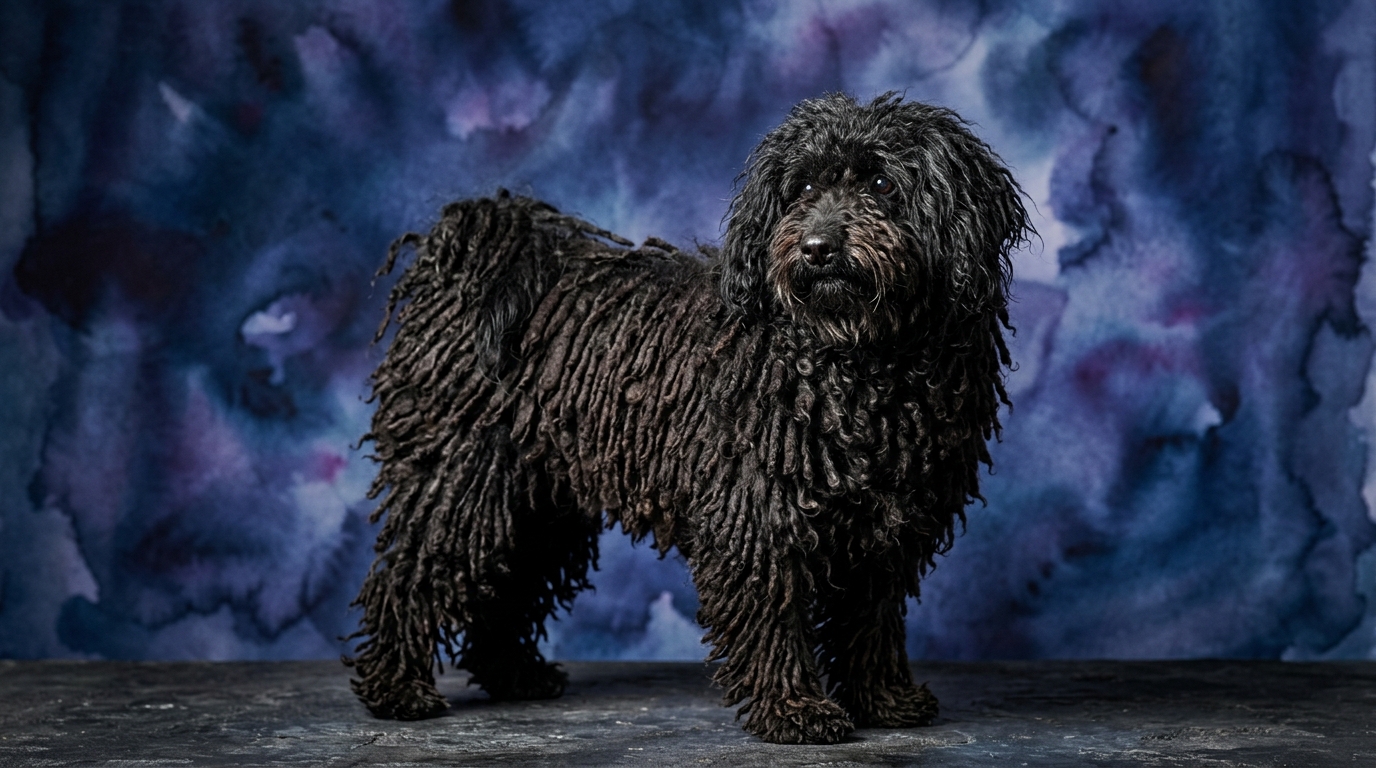
**Puli (Herding Group, Coren Rank #25):** The Puli, originating as a Hungarian herding dog, displays a remarkable aptitude for complex tasks. Their **Problem Solving (4/5)** score reflects an ability to think independently and strategically, crucial for managing livestock across varied terrains. **Training Speed (4/5)** indicates a quick grasp of new commands and routines, often requiring fewer repetitions. Their **Social Intelligence (3/5)** is geared towards understanding and protecting their family unit, though they can be reserved with strangers. An **Instinctive Drive (3/5)** for herding is present, manifesting as a desire to gather and guide. Finally, their **Memory (4/5)** allows for excellent retention of learned behaviors and complex sequences.
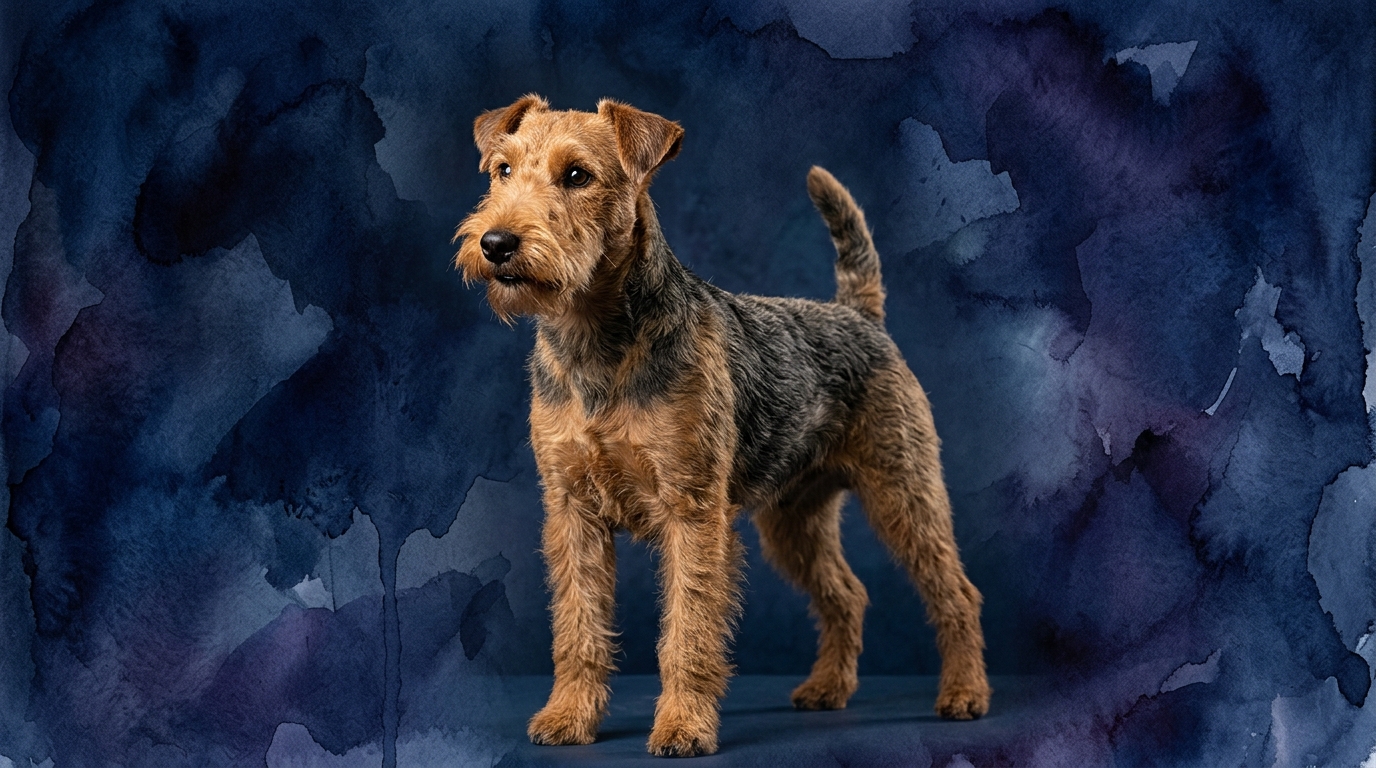
**Welsh Terrier (Terrier Group, Not Coren-Ranked):** The Welsh Terrier, a spirited hunting dog from Wales, approaches cognitive challenges with a different set of strengths. Their **Problem Solving (3/5)** is characterized by determination and persistence, often favoring direct action over intricate strategy, particularly in pursuit of a goal. **Training Speed (3/5)** suggests they are capable learners, though their independent streak can require more patience and engaging methods. **Social Intelligence (3/5)** shows a confident, sometimes assertive, nature, forming strong bonds within their family while being more reserved with outsiders. A robust **Instinctive Drive (3/5)** includes a strong prey drive and an exploratory nature, motivating them to investigate. Their **Memory (3/5)** is functional for commands and routines, though recall can be influenced by immediate interests or distractions.
Where Puli Wins Cognitively
The Puli's cognitive strengths distinctly shine in areas requiring strategic foresight and rapid assimilation of new information. Their 4/5 rating in problem-solving reflects an ability to analyze dynamic situations and adapt their actions, a critical skill for managing livestock across varied terrains and unpredictable scenarios. This isn't merely rote learning, but an active, adaptive intelligence that allows them to make independent decisions within a framework.
Furthermore, their 4/5 training speed and memory underscore a capacity for complex, multi-step learning and reliable recall, allowing them to master intricate sequences of commands with remarkable efficiency. This translates into a partner who can quickly pick up advanced obedience, agility courses, or even intricate tricks, and reliably perform them over time, making them a highly capable and responsive companion in structured activities.
Where Welsh Terrier Wins Cognitively
While the Puli excels in strategic planning, the Welsh Terrier's cognitive advantages lie in a different domain: tenacious, focused pursuit and a resilient independence. Their 3/5 instinctive drive, coupled with their problem-solving approach, translates into an unwavering determination to achieve a goal, particularly when it involves investigation or 'hunting' for something interesting. This isn't about broad strategy, but about focused, persistent effort to overcome obstacles, whether it’s digging under a fence to explore a scent or relentlessly working at a puzzle toy.
Their cognitive 'win' is in their robust mental fortitude and single-mindedness, which, when channeled, makes them formidable in tasks requiring endurance and an unshakeable will. This independent streak, while sometimes challenging in training, also means they are less prone to separation anxiety and can be self-entertaining for periods, showing a unique form of self-sufficiency within their cognitive profile.
Which is Easier to Train and Why
Based on their cognitive profiles, the Puli generally presents an easier training experience due to its higher scores in training speed (4/5) and problem-solving (4/5). Their herding lineage instilled a strong desire to cooperate with a handler and understand complex directives, making them quick to pick up new commands and cues. A Puli often requires fewer repetitions and is more inclined to view training as a collaborative effort, readily engaging with their human partner to achieve a shared goal. Their strong memory further cements learned behaviors, leading to consistent performance.
Conversely, the Welsh Terrier, while certainly trainable, can be more challenging. Its 3/5 training speed and problem-solving, coupled with a robust instinctive drive (3/5) and independent terrier nature, means they might approach training sessions with a 'what's in it for me?' attitude. They are capable of learning, but their strong prey drive and inclination to follow their nose can easily distract them. Training a Welsh Terrier often demands more patience, creativity, and consistency, focusing on making sessions highly engaging and rewarding to overcome their innate desire for self-directed exploration and independent action. Real behavioral differences include the Puli's tendency to 'check in' with its handler for direction, versus the Welsh Terrier's tendency to explore independently unless a compelling reason to engage is presented.
Which Suits Active Owners vs Relaxed Owners
Both breeds are energetic and benefit from active engagement, but their ideal owner profiles diverge slightly. The Puli, with its heritage as a working herding dog, thrives with an owner who can provide consistent mental stimulation and structured physical activity. They are best suited for active owners who enjoy dog sports like agility, obedience, or herding trials, or who are committed to daily long walks or runs combined with engaging training sessions. While they appreciate downtime with their family, a Puli's cognitive and physical needs are substantial, making them a better fit for those who enjoy a partnership focused on activity and learning.
The Welsh Terrier also demands an active owner, but their energy often manifests as a need for exploratory freedom and robust, interactive play rather than highly structured tasks. They are well-suited for owners who enjoy outdoor adventures, such as hiking, vigorous games of fetch, or even earthdog trials, where their natural instincts can be safely channeled. A 'relaxed owner' in the sense of one who prefers minimal interaction and exercise would struggle with a Welsh Terrier's zest for life and independence, which can lead to boredom and destructive behaviors. While both breeds require activity, the Puli often seeks to engage *with* the owner in structured ways, whereas the Welsh Terrier often seeks activity that allows for more independent exploration and pursuit.
The Verdict
Choose a Puli if you seek a highly engaged, responsive canine partner eager to learn complex tasks and participate in structured activities, valuing a deep, collaborative bond.
Choose a Welsh Terrier if you appreciate a spirited, independent companion with a tenacious drive for exploration and play, and are prepared to provide consistent, engaging training to channel their determined nature.
🧠 Find Your Pet's IQ Score
Our Pet IQ Lab assessment covers 25+ tests across 5 cognitive dimensions — personalized to your breed.
Take the Full IQ Test →Frequently Asked Questions
Are Pulis good family dogs with children?
Pulis can be excellent family dogs, often forming strong protective bonds with children, whom they may attempt to 'herd.' Early socialization and training are essential to guide their instincts and ensure gentle interactions with all family members.
Do Welsh Terriers get along with other pets?
Welsh Terriers can co-exist with other pets, especially if raised together from a young age, but their strong prey drive means they might view smaller, fast-moving animals as targets. Careful introductions and supervision are crucial for harmony, particularly with non-canine pets.
What kind of mental stimulation do these breeds need daily?
Pulis benefit from puzzle toys, advanced obedience training, and opportunities to 'work' or problem-solve through structured activities. Welsh Terriers thrive on scent work, digging opportunities (e.g., in a sandpit), and engaging interactive games that satisfy their exploratory instincts and robust drive.