Side-by-Side IQ Profile: Unpacking the Shared 3/5 Score
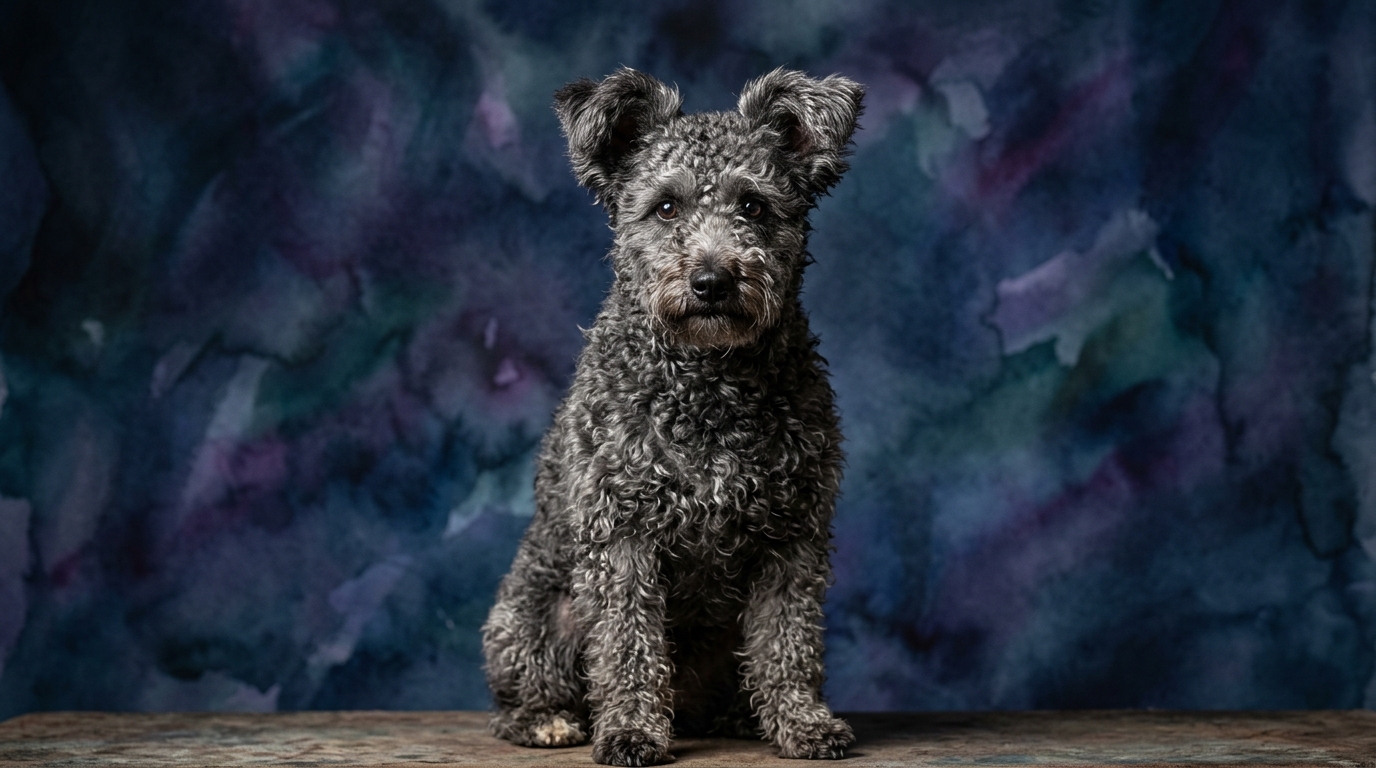
Hailing from Hungary, the Pumi is a dynamic herding dog, and its cognitive scores reflect a blend of independent thinking and cooperative drive essential for its original role. For Problem Solving (3/5), a Pumi typically excels at practical, task-oriented challenges like figuring out how to move a flock or navigate a complex agility course; their solutions are often efficient and directly related to a goal. Their Training Speed (3/5) indicates a good capacity for learning new commands and routines, particularly when engaged in activities that mimic their herding instinct, making them responsive but with their own ideas. Social Intelligence (3/5) for a Pumi often translates into a keen ability to read human handlers and other animals within a working context, forming strong, focused bonds with their family while maintaining a watchful demeanor towards strangers. The Instinctive Drive (3/5) is powerfully expressed through their innate desire to herd, chase, and work, providing a strong internal motivation for activity and focus. Finally, their Memory (3/5) allows them to retain complex sequences of commands, remember specific stock behaviors, and recall routines that contribute to their effectiveness as a working partner.
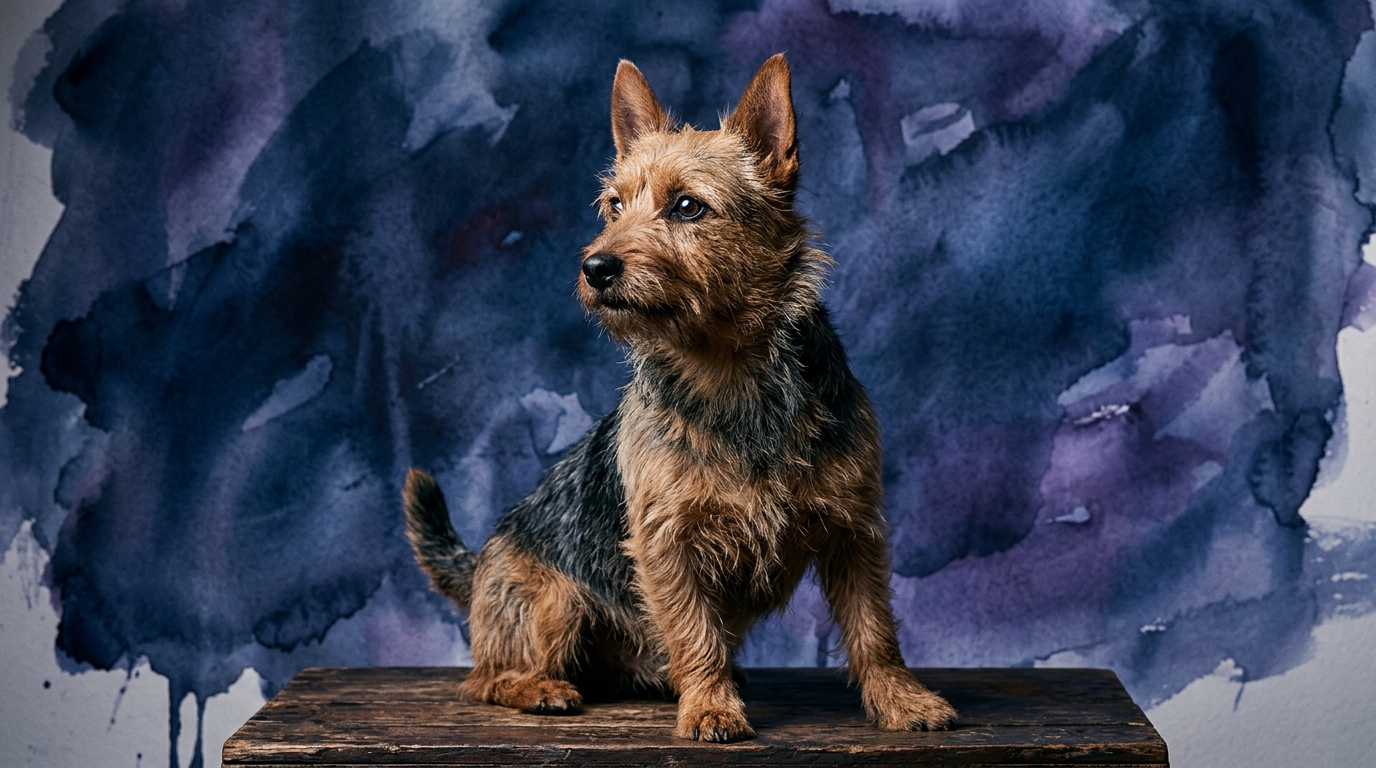
The Australian Terrier, a plucky breed from Down Under, developed to hunt vermin, approaches its 3/5 cognitive profile with a distinct terrier flair of independence and tenacity. Their Problem Solving (3/5) is often characterized by resourceful, self-directed solutions, whether it's figuring out how to access a forbidden treat, dig under a fence, or outwit a small critter; they are adept at finding creative ways to achieve their own objectives. Training Speed (3/5) means they are certainly capable of learning quickly, but this is often coupled with a strong-willed personality that requires engaging methods and consistent reinforcement to keep them motivated and focused on the task at hand rather than their own agenda. Their Social Intelligence (3/5) manifests as a deep loyalty to their immediate family, combined with a watchful and sometimes assertive stance towards perceived intruders or unfamiliar dogs, making them excellent little sentinels who are highly aware of their immediate environment. The Instinctive Drive (3/5) is robustly expressed through their strong prey drive, digging instincts, and a relentless curiosity, which fuels their independent exploration and determination. Their Memory (3/5) is solid for remembering routines, favorite spots, and where they might have encountered something interesting, allowing them to navigate their world with confidence and recall past experiences relevant to their adventures.
Where the Pumi's Cognition Shines
The Pumi's cognitive strengths, even with a balanced 3/5 across the board, truly emerge in scenarios demanding collaborative effort, dynamic environmental management, and sustained focus on a shared objective. Their Social Intelligence (3/5), when paired with their Herding group lineage, allows them to excel at reading subtle human cues and anticipating the movements of other animals with impressive accuracy, facilitating complex team-based tasks. This translates into an intuitive understanding of group dynamics, making them invaluable in activities requiring precision and coordination.
Furthermore, the Pumi's Problem Solving (3/5) is often applied to real-time, evolving situations, such as maneuvering around obstacles to gather a flock or navigating an intricate agility course with fluid efficiency. Their memory (3/5) supports their capacity to string together multiple commands and actions into complex sequences, demonstrating a practical, applied form of cognition that thrives on structure and purpose. This breed's cognitive prowess is best observed when they are given a "job" that leverages their inherent desire to work alongside a human partner, showcasing their ability to adapt and react within a structured framework.
Where the Australian Terrier's Cognition Excels
The Australian Terrier, with its identical 3/5 cognitive scores, demonstrates its unique mental agility in areas requiring independent initiative, tenacious pursuit, and resourceful, self-motivated problem-solving. Their Problem Solving (3/5) is often expressed through clever methods of achieving personal goals, whether it’s figuring out how to open a cupboard, retrieve a dropped toy from an awkward spot, or outsmarting a perceived "rival" for attention. This breed’s mind is geared towards independent action and finding creative solutions to their immediate desires.
Their Instinctive Drive (3/5), rooted in their terrier heritage, fuels a relentless curiosity and persistence that translates into impressive determination. This means an Australian Terrier will often remember where they saw a squirrel yesterday (Memory 3/5) and return to that spot with renewed vigor, demonstrating a long-term focus on their self-appointed missions. Their Social Intelligence (3/5) allows them to keenly assess their immediate surroundings for anything novel or potentially interesting, making them highly alert and responsive to changes in their environment, often acting as diligent, if sometimes boisterous, watchdogs. The Australian Terrier's cognitive strength lies in its ability to operate effectively and independently, driven by its own strong will and inquisitive nature.
Which is Easier to Train and Why
When comparing trainability, the Pumi generally presents as more amenable to structured instruction, largely due to its herding background. Their 3/5 Training Speed is often paired with a strong desire to cooperate and a clear understanding of their role within a human-dog partnership. Pumis thrive on having a job and respond well to consistent, positive reinforcement that channels their considerable energy and focus. They are typically eager to please and their memory (3/5) allows them to quickly grasp and retain complex command sequences, making them excellent candidates for obedience, agility, and other dog sports where precision and teamwork are key. Their cognitive wiring makes them naturally inclined to look to their handler for direction, simplifying the training process for many owners.
The Australian Terrier, while possessing the same 3/5 Training Speed, often approaches training with a more independent and sometimes stubborn mindset, a hallmark of many terrier breeds. Their problem-solving (3/5) is frequently applied to figuring out how to get *their* way, rather than necessarily complying with a human's request if it doesn't align with their immediate interests. This means that while they are capable of learning quickly, a trainer needs to be more creative, patient, and consistent to make training sessions engaging and rewarding enough to capture their attention and overcome their innate desire for self-direction. Their strong instinctive drive (3/5) towards chasing or digging can also be a significant distraction during training, requiring careful management. Therefore, while both breeds learn, the Pumi's cooperative nature often makes the training journey feel smoother and less challenging for the average owner seeking a responsive partner, whereas the Australian Terrier requires a more resilient and inventive approach.
Which Suits Active Owners vs. Relaxed Owners
For the truly active owner seeking a canine companion for demanding physical and mental pursuits, the Pumi is an exceptional match. With its 3/5 Instinctive Drive rooted in herding, this breed possesses boundless energy and a profound need for structured engagement. Pumis thrive when given a "job," whether it's participating in agility, flyball, herding trials, or long, vigorous hikes and runs. Their cognitive profile, especially their problem-solving and memory, is best utilized in activities that require sustained focus and complex decision-making. A Pumi will quickly become bored and potentially destructive if not provided with ample opportunities to channel its energy and apply its mind, making them unsuitable for owners preferring a largely sedentary lifestyle.
The Australian Terrier, while certainly not a couch potato, offers a different kind of activity profile better suited for owners who enjoy bursts of energy and playful engagement rather than continuous, high-intensity work. Their 3/5 Instinctive Drive manifests as a keen desire to explore, dig, and chase, making them excellent companions for spirited walks, off-leash adventures in secure areas, and engaging playtime in the yard. They enjoy being active but are often content to then curl up for a nap after a good play session, unlike the more continuously "on-duty" Pumi. While they need regular exercise to prevent boredom and channel their terrier instincts, they don't typically demand the same level of structured "work" or endurance activities as a herding breed. Therefore, owners who appreciate an independent, lively companion for daily adventures and interactive games, but don't necessarily participate in competitive dog sports, might find the Australian Terrier a more fitting choice than the Pumi.
The Verdict
Choose the Pumi if you are an active individual or family seeking a highly engaged, cooperative partner for dog sports, working roles, or extensive outdoor adventures, and are prepared to provide consistent mental and physical challenges to satisfy its herding drive.
Opt for the Australian Terrier if you appreciate a spirited, independent, and tenacious companion that thrives on exploring its environment, enjoys interactive play, and will keep you entertained with its clever antics, provided you can manage its strong terrier instincts with patience and engaging training.
🧠 Find Your Pet's IQ Score
Our Pet IQ Lab assessment covers 25+ tests across 5 cognitive dimensions — personalized to your breed.
Take the Full IQ Test →Frequently Asked Questions
Do Pumis and Australian Terriers learn new commands at the same rate?
While both breeds score 3/5 in Training Speed, their approach to learning differs. Pumis, as herding dogs, are generally eager to please and cooperative, often learning quickly when given a clear purpose. Australian Terriers, true to their terrier nature, are independent thinkers and can be quick learners but may require more engaging, reward-based methods to overcome their self-directed tendencies and maintain focus.
How do their problem-solving skills differ despite identical scores?
Both breeds score 3/5 in Problem Solving, but the application varies. Pumis typically excel at practical, task-oriented solutions related to managing environments or cooperating in a job, like navigating an agility course. Australian Terriers often apply their problem-solving to independent pursuits, finding clever ways to achieve personal goals such as accessing treats or exploring forbidden areas.
Which breed is more adaptable to new environments?
Both breeds, with their 3/5 Social Intelligence and Memory, can adapt well, but their approach differs. Pumis thrive on routine and structure, adapting best when their new environment offers consistent engagement and a clear role. Australian Terriers are often more curious and resilient, adapting to new surroundings with a confident, exploratory mindset, though they might be more vocal about novelties.