Side-by-Side IQ Profile: Pumi vs. Curly-Coated Retriever
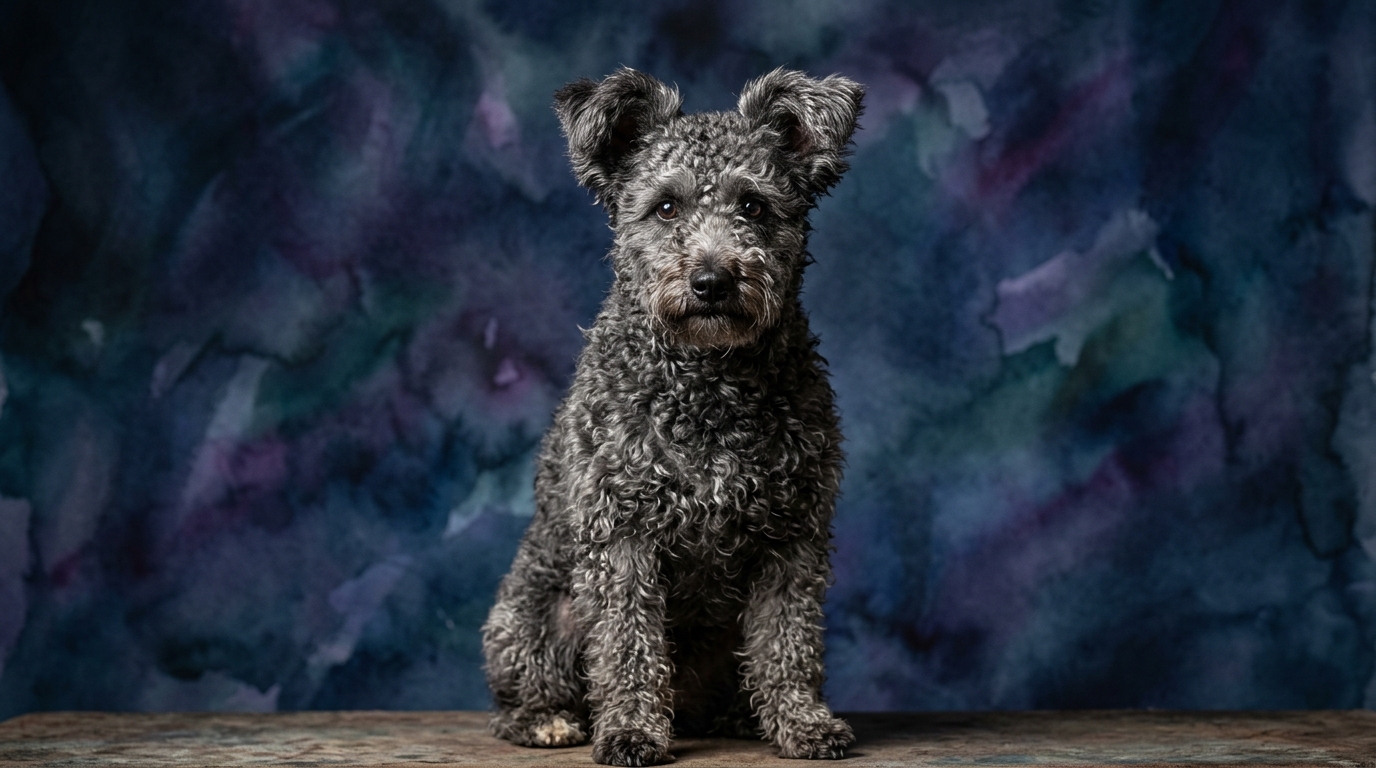
The Cosmic Pet Pet IQ Lab employs a five-dimensional framework to assess canine cognition, providing a granular view beyond traditional rankings. For the Pumi, a dynamic herding breed, its profile shows a balanced aptitude across most dimensions. Problem Solving is rated at 3/5, indicating a capacity for independent thought and finding solutions within its environment, particularly in tasks involving flock management or navigating obstacles. Training Speed also registers at 3/5, suggesting a moderate pace for acquiring new commands and routines; they are receptive but may require consistent, engaging methods to maintain focus. Social Intelligence, at 3/5, reflects their ability to interpret cues from humans and other animals, essential for cooperative work in a herding context. Instinctive Drive, also 3/5, speaks to their inherent motivation for tasks aligned with their breed type, manifesting as a persistent desire to control and move livestock. Finally, Memory for the Pumi is 3/5, meaning they retain information reasonably well but might benefit from periodic refreshers for less frequently used commands or complex sequences.
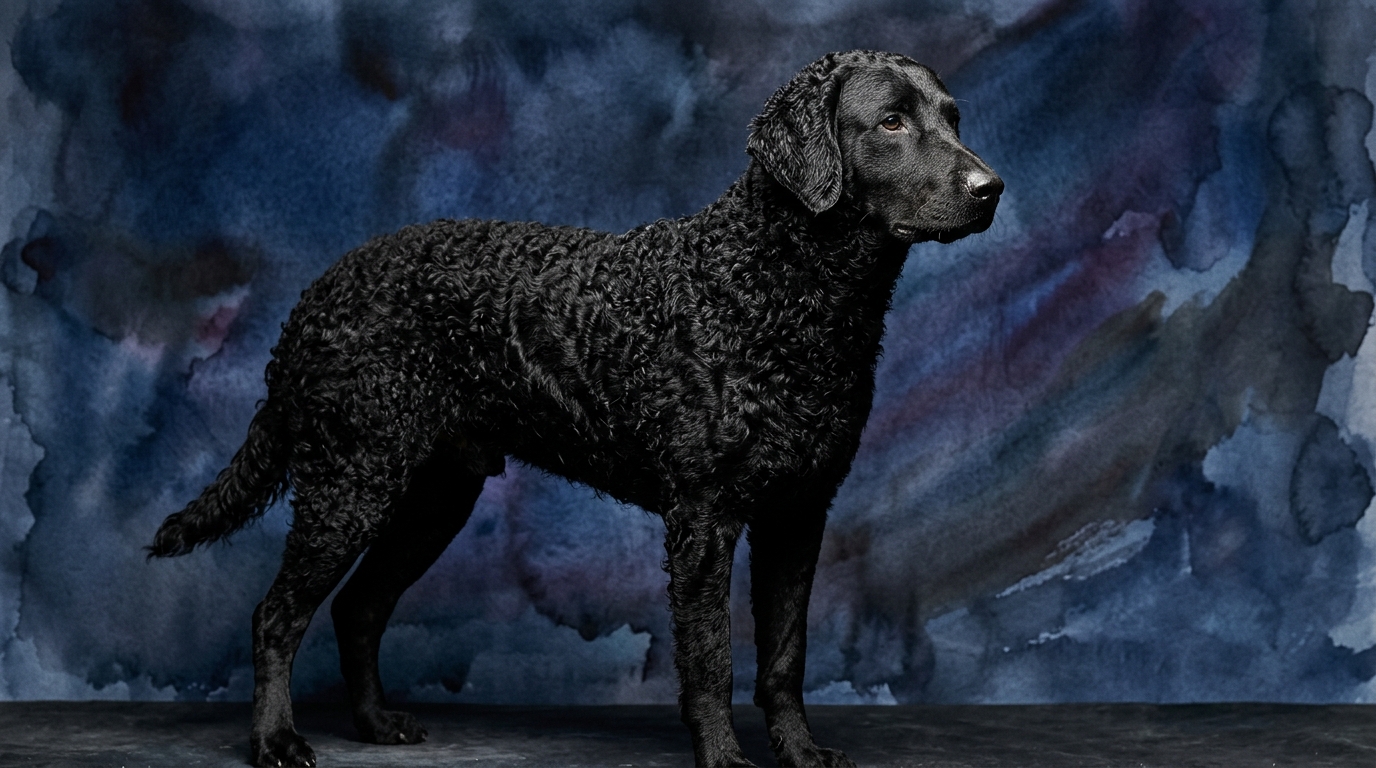
In contrast, the Curly-Coated Retriever, a distinguished sporting dog and Coren-ranked #41, presents a slightly different cognitive emphasis. Its Problem Solving ability, like the Pumi, is 3/5, demonstrating a competent capacity for navigating challenges, such as locating fallen game or maneuvering through varied terrain during a retrieve. Training Speed matches the Pumi at 3/5, suggesting a similar moderate rate of learning new behaviors, though their eager-to-please nature can often make them highly responsive. Social Intelligence for the Curly-Coated Retriever is also 3/5, reflecting a good understanding of human intentions and cooperation, which is paramount for a dog working closely with a hunter. Their Instinctive Drive, rated 3/5, is strongly geared towards their retrieving heritage, showing a compelling natural inclination to fetch, carry, and work in water. The most notable distinction lies in their Memory, which is a robust 4/5. This enhanced memory score indicates a superior ability to recall complex command sequences, remember locations of multiple retrieves, and retain training over extended periods, a crucial asset for a gundog expected to perform intricate tasks under varied conditions.
Where the Pumi Wins Cognitively
While the raw scores suggest the Pumi doesn't outpace the Curly-Coated Retriever in any single dimension, its cognitive profile shines through in its *application* of these balanced abilities within its specific domain. The Pumi's 3/5 in Problem Solving, combined with its 3/5 in Social Intelligence and Instinctive Drive, creates a unique blend optimized for dynamic, often unpredictable, herding tasks. A Pumi excels at reading the subtle movements of livestock and making instantaneous, independent decisions to guide them, a complex problem-solving scenario that requires rapid assessment and adaptation rather than rote memory. Its herding instinct isn't just a drive; it's a cognitive framework for interpreting and influencing its environment. This allows the Pumi to demonstrate a nuanced understanding of spatial relationships and group dynamics, often anticipating movements before they occur. The Pumi's quickness and agility are not just physical attributes; they are extensions of its rapid cognitive processing, enabling it to react fluidly to changing situations, a specific advantage in its original role.
Where the Curly-Coated Retriever Wins Cognitively
The Curly-Coated Retriever's clear cognitive advantage lies in its exceptional Memory, rated at 4/5 compared to the Pumi's 3/5. This superior recall is a cornerstone of its effectiveness as a gundog. A Curly-Coated Retriever can precisely remember the fall location of multiple birds over varied terrain, even after a significant time lapse or distraction. This isn't just about remembering a single command; it's about retaining a sequence of instructions, marking multiple points, and executing a complex retrieve strategy. For instance, in a field trial, a Curly might be asked to 'mark' three separate falls, then retrieve them in a specific order, navigating obstacles and different cover types. Its 4/5 memory ensures that each 'mark' and the associated instructions are held firmly in its cognitive map. Furthermore, this enhanced memory contributes to the long-term retention of sophisticated training protocols, meaning once a Curly-Coated Retriever masters a skill, it is likely to perform it consistently over its lifetime with fewer refreshers. This cognitive strength allows them to build a deep, extensive repertoire of learned behaviors and locations, making them exceptionally reliable in their specific working roles. The Coren ranking of #41 further supports this capacity for consistent learning and execution, aligning well with the Lab's specific memory assessment.
Which Is Easier to Train and Why
When considering ease of training, both breeds score 3/5 in Training Speed, suggesting a moderate learning curve for new commands. However, the Curly-Coated Retriever's 4/5 Memory provides a distinct advantage in the long run. While a Pumi (Memory 3/5) will learn commands at a similar initial pace, it might require more frequent practice sessions or varied contexts to solidify complex behaviors and ensure long-term retention. A Curly-Coated Retriever, with its superior memory, is likely to hold onto intricate sequences and less frequently used commands with greater tenacity, potentially leading to a more polished and reliable performance over time with less maintenance training.
Behaviorally, their instinctive drives play a significant role. The Pumi's 3/5 Instinctive Drive is rooted in herding, which often involves independent decision-making to manage livestock. This can translate into a dog that sometimes prioritizes its own assessment of a situation over a direct command, requiring a trainer to be particularly engaging and consistent to channel that drive effectively. Their 3/5 Social Intelligence means they are receptive to human guidance, but their natural inclination for autonomous action in their herding role means training needs to build a strong partnership. In contrast, the Curly-Coated Retriever's 3/5 Instinctive Drive is focused on retrieving, a task that inherently requires cooperation and responding to human direction. Coupled with their 3/5 Social Intelligence, they often exhibit a strong desire to work *with* their handler, making them generally eager to please in retrieving-related tasks. This inherent cooperative drive, combined with superior memory, can make the Curly-Coated Retriever a more straightforward candidate for advanced obedience and specialized tasks that require precise, repeatable execution of learned behaviors.
Which Suits Active Owners vs. Relaxed Owners
Neither the Pumi nor the Curly-Coated Retriever are ideal companions for truly relaxed, sedentary owners; both require significant engagement. The Pumi, with its 3/5 Instinctive Drive for herding and balanced cognitive profile, thrives on purposeful activity that challenges its problem-solving and social intelligence. Owners who enjoy dog sports like agility, obedience, or even urban herding activities will find the Pumi an enthusiastic and capable partner. Its need for mental stimulation and physical exertion is constant; without it, their problem-solving skills might be directed towards less desirable behaviors around the home. They are best suited for active individuals or families who can commit to daily structured exercise and training sessions that tap into their herding heritage.
The Curly-Coated Retriever, with its 3/5 Instinctive Drive for retrieving and superior memory, also demands an active lifestyle. Owners who enjoy outdoor adventures, especially those involving water sports, long hikes, or retrieving games, will find a devoted companion. Their cognitive strength in memory makes them excellent candidates for advanced obedience, hunting tests, or competitive retrieving, providing ample mental stimulation. While they can be calm indoors after sufficient exercise, their daily requirement for physical activity is substantial. A relaxed owner, one who prefers minimal structured interaction or passive companionship, would likely find both breeds overwhelming. The Pumi might express its unmet needs through vocalizations or attempting to “herd” family members, while the Curly-Coated Retriever might become restless or destructive if its retrieving drive and physical needs are not adequately met. Both breeds are for owners who actively participate in their dog's mental and physical well-being.
The Verdict
Opt for a Pumi if you seek an agile, quick-thinking partner for dynamic activities like dog sports or working tasks where independent problem-solving and rapid adaptation are paramount, and you are prepared for consistent, engaging training to channel its herding drive.
Select a Curly-Coated Retriever if you desire a steadfast, cooperative companion for retrieving tasks, water work, or advanced obedience, valuing a superior memory for long-term retention of complex commands and a strong desire to work alongside you.
🧠 Find Your Pet's IQ Score
Our Pet IQ Lab assessment covers 25+ tests across 5 cognitive dimensions — personalized to your breed.
Take the Full IQ Test →Frequently Asked Questions
Does the Pumi's 3/5 Problem Solving mean it's less capable than other breeds?
Not at all; a 3/5 indicates a solid capacity for independent thought and finding solutions, particularly in its specific herding context. It means they are perfectly capable of navigating complex situations and learning from experience, just perhaps not at the rapid-fire, intuitive problem-solving level of some top-tier working breeds.
How does the Curly-Coated Retriever's Coren ranking of #41 relate to its IQ Lab scores?
The Coren ranking primarily assesses "working and obedience intelligence," focusing on how quickly a dog learns and obeys commands. The Curly-Coated Retriever's #41 position aligns well with its 3/5 Training Speed and particularly its 4/5 Memory, indicating a strong capacity for consistent learning and retaining complex directives over time, which are key components of obedience.
Are Pumis difficult to train due to their herding instincts?
Pumis are not inherently difficult to train, but their 3/5 Instinctive Drive and independent herding nature mean training requires consistency, clear communication, and engaging methods. Channeling their natural drive into constructive activities rather than suppressing it is key to successful training and a fulfilling partnership.