Side-by-Side Cognitive Profiles: The Nuance of '3/5'
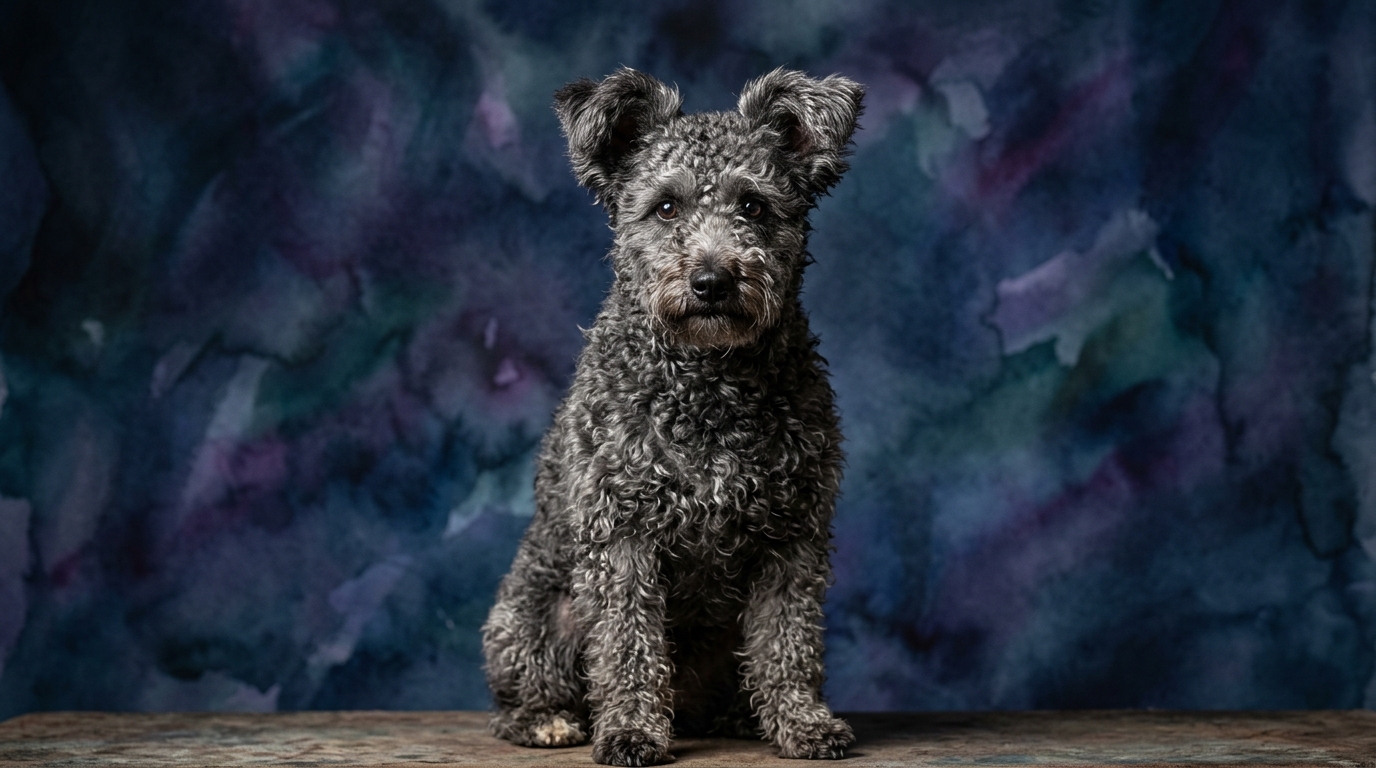
The Pumi, a spirited Hungarian herding dog, registers a 3/5 in Problem Solving. This indicates a solid capacity for navigating complex environments, such as strategically moving livestock or finding creative solutions to reach a desired object. Its 3/5 in Training Speed suggests it picks up new commands and routines with efficiency, often keen to engage with its handler in a working capacity. Social Intelligence at 3/5 means the Pumi generally reads human cues well and can adapt its behavior within a family structure, though its herding instincts might occasionally direct its social interactions. Its Instinctive Drive, also 3/5, strongly manifests as a desire to control movement, often expressed through playful 'herding' of family members or other pets, accompanied by a keen alertness. Finally, a 3/5 in Memory enables the Pumi to retain learned tasks, recognize familiar faces and places, and recall successful strategies for problem-solving.
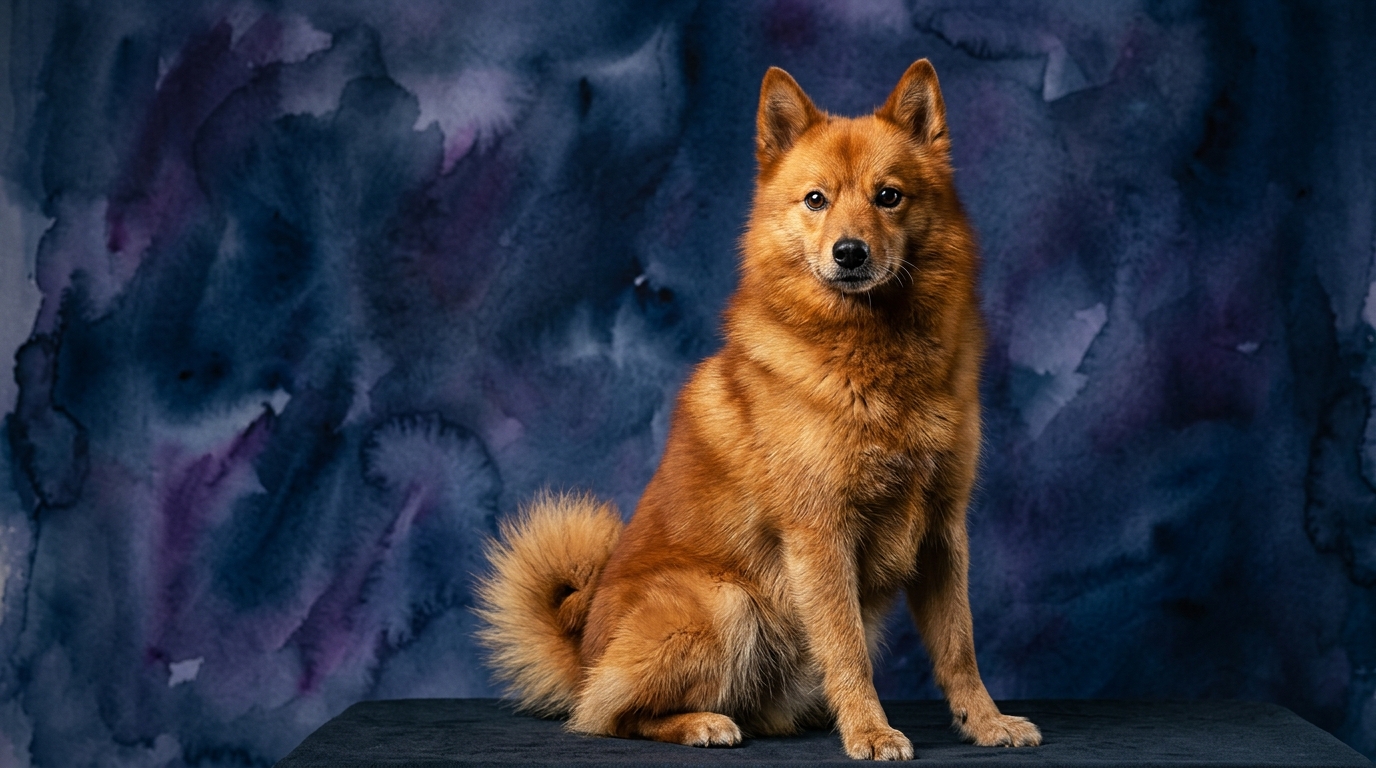
The Finnish Spitz, a lively Finnish hunting dog, also scores 3/5 across all five dimensions, but these manifest through a different lens. Its 3/5 in Problem Solving often shines in tasks requiring independent thought, such as locating hidden game by scent or sound, or navigating varied terrain during a hunt. A 3/5 in Training Speed means it can learn commands, particularly those related to its hunting functions, but its independent nature means motivation might differ compared to a more biddable breed. Social Intelligence at 3/5 suggests it understands its role within its human 'pack,' often forming strong bonds, yet it may be more reserved with strangers, prioritizing its immediate family. The Finnish Spitz's 3/5 Instinctive Drive is powerfully expressed through its signature 'barking at game' behavior, demonstrating deep-seated hunting instincts and an impressive vocal repertoire. Its Memory score of 3/5 allows it to recall specific hunting locations, the scent trails of game, and the precise cues associated with its specialized tasks.
Where the Pumi's Cognition Excels
Despite identical scores, the Pumi's cognitive strengths lean into its herding heritage, making it particularly adept at tasks requiring fluid decision-making and handler collaboration. Its 3/5 Problem Solving often translates into superior adaptability in dynamic environments. A Pumi might excel at agility courses that demand quick changes in direction and obstacle negotiation, or at learning complex multi-step routines that require processing a sequence of commands. This breed's instinctive drive, coupled with its social intelligence, makes it highly responsive to leadership, often anticipating a handler's next move during cooperative tasks. This collaborative problem-solving, where the dog actively seeks and processes human input to execute a task, is a subtle cognitive advantage for the Pumi.
The Pumi's capacity for sustained focus on a task dictated by a human, even amidst distractions, is another area where its cognitive profile gains a slight edge for certain owners. While its memory is a 3/5, its herding background imbues it with a robust recall for specific patterns and sequences, essential for managing livestock. This means that once a Pumi learns a routine, it often executes it with precision, retaining the detailed steps for extended periods. This cognitive lean towards structured, responsive work makes the Pumi exceptionally capable in disciplines like competitive obedience or advanced trick training, where its understanding of complex human directives is paramount.
Where the Finnish Spitz's Cognition Shines
The Finnish Spitz, while sharing the same raw scores, demonstrates cognitive strengths rooted in its independent hunting role. Its 3/5 Problem Solving shines in situations demanding self-reliance and environmental awareness. A Finnish Spitz excels at independently tracking scents, locating hidden objects by auditory cues, and making decisions without constant human intervention. This breed's instinctive drive, particularly its vocalization to alert hunters, showcases a unique form of communication-based intelligence. It's not just barking; it's a strategic alert, demonstrating a complex understanding of its role in the hunting partnership. This independent problem-solving, driven by keen senses and an innate purpose, marks a distinct cognitive advantage.
Furthermore, the Finnish Spitz's 3/5 Memory and Instinctive Drive converge to create a dog with an exceptional recall for specific environmental stimuli and the associated behaviors. It remembers the precise locations of bird nests, the unique calls of certain game, and the most effective routes through a forest. This specialized memory, coupled with a deep-seated drive for its ancestral task, allows the Finnish Spitz to perform its primary function with remarkable consistency. Its social intelligence, while perhaps less outwardly demonstrative than a Pumi's, fosters a deep, focused bond with its hunting partner, understanding the nuances of a collaborative yet independent pursuit.
Training Dynamics: Pumi's Eagerness vs. Finnish Spitz's Independence
When considering ease of training, the Pumi generally presents as more straightforward for a novice owner due to inherent behavioral differences stemming from its herding background. The Pumi's 3/5 Training Speed is often bolstered by its desire to work closely with its handler and its natural biddability. Herding dogs are bred to respond to commands and work in tandem with a human to control livestock. This translates into a dog that typically seeks approval and is motivated by cooperation. For example, a Pumi is more likely to maintain eye contact and wait for the next command during a training session, viewing it as a shared activity. Its social intelligence helps it quickly understand what is being asked and why, making it generally more receptive to a variety of training methods, from positive reinforcement to shaping complex behaviors.
In contrast, the Finnish Spitz, despite its identical 3/5 Training Speed, often requires a more patient and nuanced approach. Its history as an independent hunting dog means it was bred to make decisions on its own, often out of sight of a human, relying on its own instincts to locate and 'bark at' game. This independence can manifest as a perceived stubbornness in general obedience training. While it learns, its motivation might not be human approval but rather the intrinsic reward of the task itself, or simply what it finds interesting. For instance, a Finnish Spitz might quickly learn 'sit' but choose not to perform it if a compelling scent or sound distracts it, prioritizing its instinctive drives over a human command. Training a Finnish Spitz often involves finding ways to make obedience tasks feel like a game or a hunting-related activity, capitalizing on its natural drives rather than expecting eager compliance.
Matching Breeds to Lifestyles: Active Engagement vs. Focused Pursuit
The Pumi is an ideal match for active owners who relish engaging their dog in various activities. Its 3/5 Instinctive Drive manifests as a need for regular mental and physical stimulation, often thriving in structured environments. Owners who enjoy dog sports like agility, flyball, or advanced obedience will find the Pumi's problem-solving skills and training speed to be highly rewarding. This breed benefits from consistent interaction and a 'job' to do, even if that job is learning new tricks or going on challenging hikes. Its social intelligence means it integrates well into a dynamic family life, but it requires an owner prepared to channel its intelligent energy into productive outlets, preventing boredom-driven behaviors.
The Finnish Spitz, while also requiring activity, suits owners who appreciate a dog's independent spirit and are perhaps less inclined towards competitive dog sports but enjoy focused outdoor pursuits. Its 3/5 Instinctive Drive translates into a keen desire for exploration, scent work, and opportunities to utilize its vocalizations appropriately. Owners who enjoy long walks in varied terrain, bird watching, or even hunting, will find the Finnish Spitz to be a fulfilling companion. This breed thrives when given opportunities to engage its senses and express its natural behaviors, but it doesn't necessarily demand the same level of structured, cooperative engagement as the Pumi. A relaxed owner might find the Finnish Spitz's independent nature appealing, provided they can offer outlets for its innate drives and appreciate its unique, often vocal, personality.
The Verdict
Choose the Pumi if you seek an agile, responsive partner eager for collaborative work, thriving on mental challenges and consistent interaction in dog sports or advanced training. Its biddability and desire to engage closely with its handler make it a rewarding choice for an active, hands-on owner.
Opt for the Finnish Spitz if you appreciate an independent, spirited companion with a keen sense of purpose, content with focused outdoor activities and relying on its own sensory intelligence. This breed suits owners who value a dog's self-reliance and unique vocal expression, providing outlets for its natural hunting instincts.
🧠 Find Your Pet's IQ Score
Our Pet IQ Lab assessment covers 25+ tests across 5 cognitive dimensions — personalized to your breed.
Take the Full IQ Test →Frequently Asked Questions
Do both breeds require significant mental stimulation?
Yes, both the Pumi and Finnish Spitz, with their 3/5 cognitive scores across the board, benefit from regular mental engagement. The Pumi often thrives on structured tasks and learning new commands, while the Finnish Spitz appreciates opportunities for independent exploration and scent work, aligning with its hunting instincts.
Are Pumis and Finnish Spitzes good with children and other pets?
Pumis, with their 3/5 social intelligence, can be good with children and other pets, especially if socialized early, though their herding instincts might lead to playful 'nipping' at heels. Finnish Spitzes, also 3/5 in social intelligence, tend to bond deeply with their family but may be more reserved with strangers and possess a higher prey drive towards smaller animals, requiring careful introductions.
What are the key differences in their vocal tendencies?
The Pumi's 3/5 instinctive drive often manifests as alert barking, serving as a watchdog, and can be quite vocal when excited or bored. The Finnish Spitz's 3/5 instinctive drive is distinctly characterized by its 'barking at game' heritage, producing a unique, rapid-fire bark used to alert hunters, making it a naturally more vocal breed that requires management of this trait.