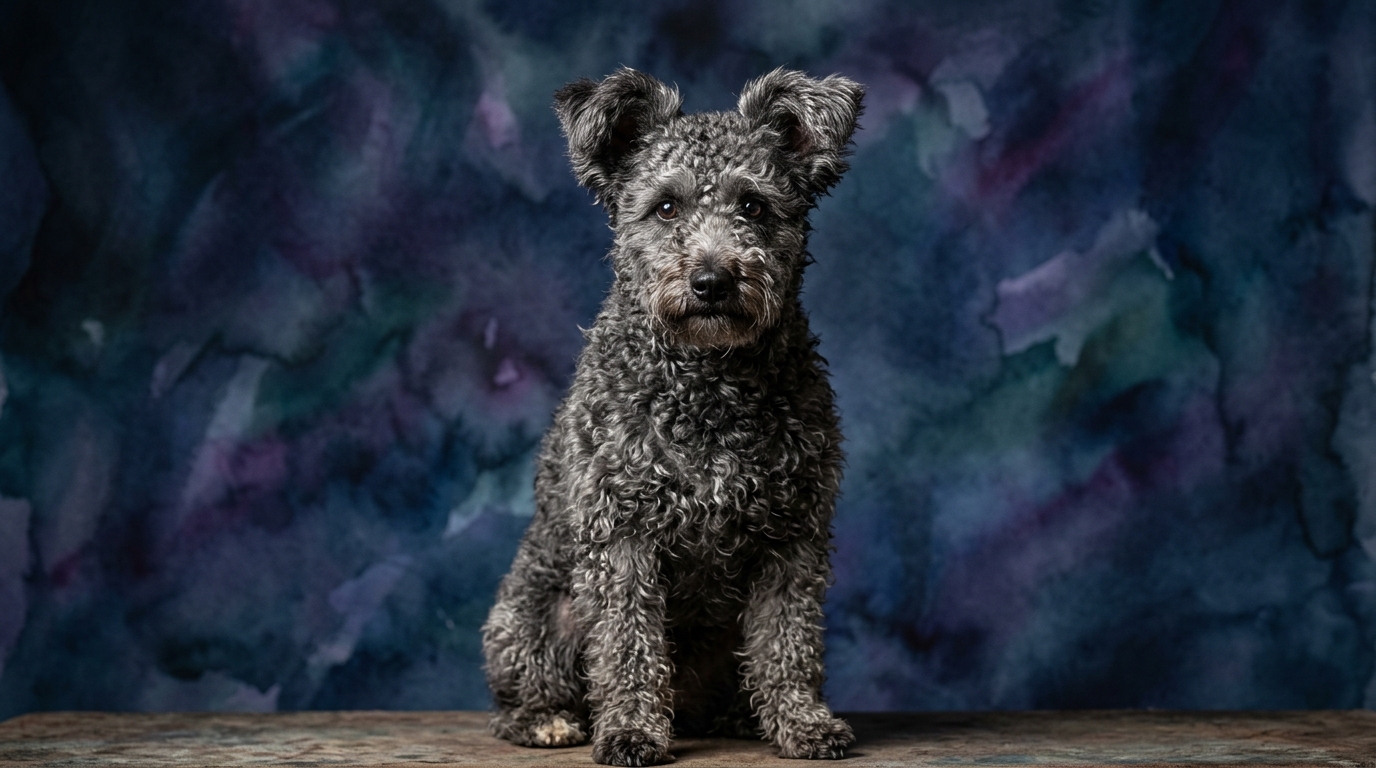
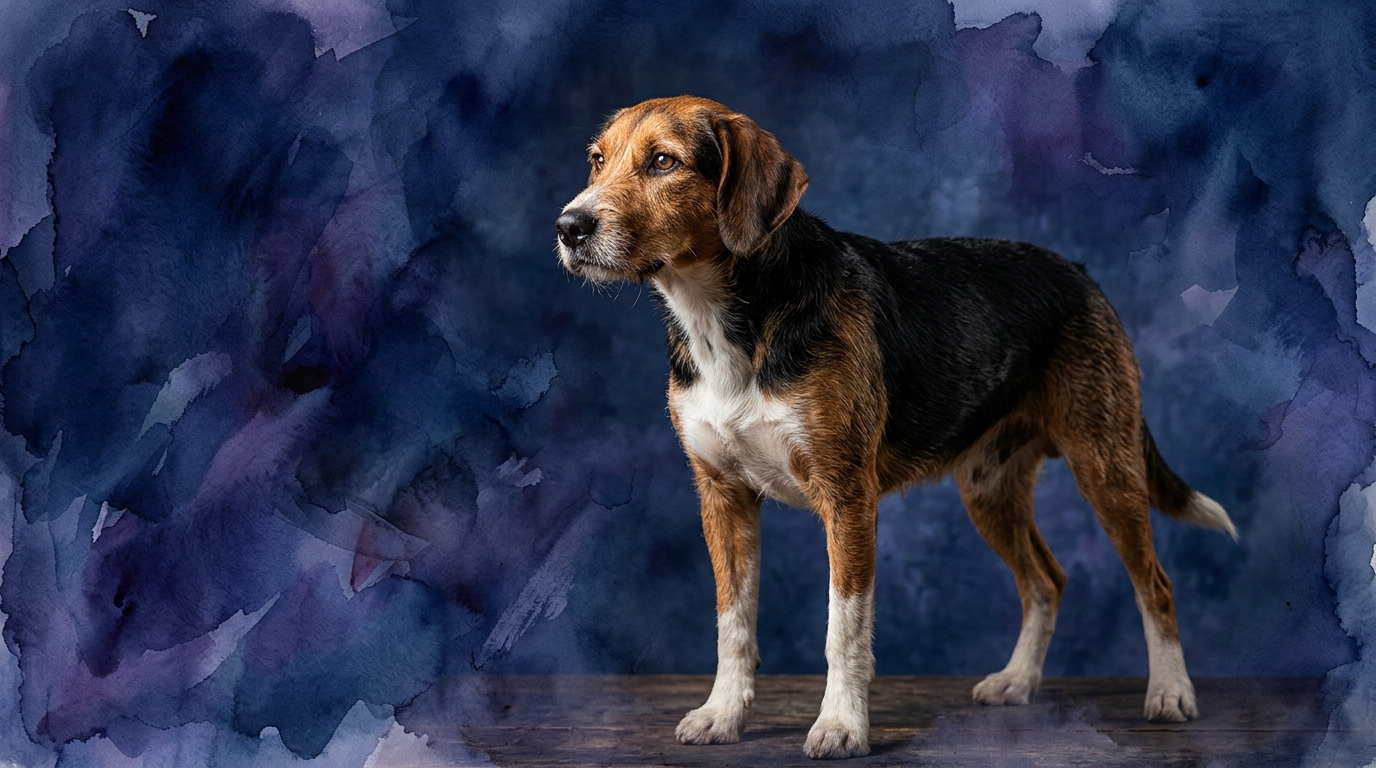
Side-by-Side Cognitive Profile: Pumi vs. Harrier
While both the Pumi, a Hungarian herding dog, and the Harrier, an English scent hound, register a 3/5 in all five cognitive dimensions, the *nature* of their intelligence diverges significantly due to their ancestral roles. Understanding these nuances is key to appreciating their unique mental strengths.
For Problem Solving (3/5), a Pumi often exhibits its aptitude by quickly assessing and reacting to a dynamic flock, anticipating movement, and strategically positioning itself to guide animals. This involves on-the-spot tactical thinking in a fluid environment. A Harrier’s 3/5 problem-solving, conversely, shines in its ability to decipher complex scent trails, navigating varied terrain and environmental distractions to follow a quarry. This is a persistent, independent form of problem-solving, often requiring less human direction in the moment.
Training Speed (3/5) in a Pumi typically reflects a solid ability to pick up new commands and routines, particularly when engaged in tasks that involve working closely with a handler. They respond well to consistent, positive reinforcement and thrive on learning. For a Harrier, a 3/5 training speed means they can grasp basic commands at an average pace, but their strong, independent drive to follow scent can sometimes present a challenge to immediate obedience, even if the command itself has been understood.
Social Intelligence (3/5) in the Pumi often manifests as a keen awareness of their handler’s mood and intentions, alongside an ability to read the subtle body language of livestock. They are typically attuned to human interaction and seek partnership. The Harrier’s 3/5 social intelligence is more rooted in pack dynamics, demonstrating effective communication and cooperation with other dogs during a hunt. While they can bond with humans, their primary social drive is often directed towards their canine companions or the pursuit of a shared goal.
Instinctive Drive (3/5) is a core differentiator. The Pumi's drive is primarily focused on herding—gathering, moving, and controlling livestock, which requires a blend of assertive action and careful control. This drive is often channeled through close collaboration with a human. The Harrier’s instinctive drive is an unwavering, relentless pursuit of scent, an almost singular focus that can override other stimuli. This drive dictates much of their behavior and requires specific outlets.
Memory (3/5) in a Pumi is often evidenced by their ability to recall complex sequences of commands, remember specific routes or boundaries within their herding territory, and retain learned behaviors over time. A Harrier’s 3/5 memory is critical for remembering intricate scent patterns, retracing steps, and recalling specific locations where a scent was strong, crucial for successful tracking over long distances and varied conditions.
Where the Pumi Excels Cognitively
The Pumi’s cognitive strengths lie in its agility of thought and its strong desire for collaborative problem-solving. Their 3/5 problem-solving is often expressed through rapid decision-making in real-time, adapting to unpredictable elements like a scattering flock or a change in terrain. This breed excels at tasks requiring quick shifts in focus and the ability to process multiple pieces of information simultaneously, such as navigating an agility course or learning complex trick routines. Their social intelligence, geared towards human partnership, allows for a more nuanced understanding of handler cues, leading to a highly responsive working relationship. The Pumi’s memory is adept at retaining intricate command sequences, making them suitable for advanced obedience or competitive dog sports where precision and recall of many steps are paramount.
Where the Harrier Excels Cognitively
The Harrier demonstrates a distinct cognitive superiority in sustained, independent problem-solving driven by instinct. Their 3/5 problem-solving capability is less about human-directed tasks and more about autonomously interpreting and following a scent trail with unwavering focus and determination. This involves intricate spatial reasoning and an ability to filter out irrelevant sensory input over long durations. The Harrier’s instinctive drive, a powerful 3/5, fuels their relentless pursuit, making them exceptional at tasks requiring endurance, tenacity, and single-minded dedication. Their memory, also 3/5, is particularly robust for recalling scent pathways and tracking information, enabling them to pick up a cold trail or re-establish a lost one with impressive accuracy. This breed truly shines when allowed to leverage its natural hunting prowess.
Training Dynamics: Pumi vs. Harrier
Despite both breeds scoring 3/5 for Training Speed, the *ease* of training can differ considerably due to their inherent drives. The Pumi, with its herding background, generally possesses a stronger innate desire to work *with* its human partner. Their social intelligence fosters attentiveness to handler direction, making them typically more pliable and eager to please in structured training environments. They often find joy in learning new commands and excel in activities that reinforce their bond with their owner, such as rally obedience or canine freestyle. Their problem-solving abilities are readily applied to understanding and executing complex human-assigned tasks.
The Harrier, conversely, presents a different training landscape. While they can learn commands at an average pace, their powerful 3/5 instinctive drive to follow scent can be a significant competing motivator. A Harrier’s nose is often their master, meaning that even a well-understood 'come' command might be ignored if a compelling scent trail captures their attention. Training a Harrier often requires a higher degree of patience, consistency, and creative methods to make compliance more rewarding than the allure of the trail. Early and consistent recall training in a secure environment is crucial, as their independent nature and powerful scent drive can lead them to wander far from their handler. Their problem-solving is more internally driven towards their scent work, rather than inherently seeking human guidance for tasks.
Matching Breeds to Lifestyles: Active vs. Engaged Owners
Neither the Pumi nor the Harrier is suited for a truly 'relaxed' owner, as both possess significant energy and mental needs. However, the *type* of owner they thrive with varies significantly. The Pumi is an excellent match for active owners who enjoy engaging in interactive dog sports, advanced obedience, or even practical tasks like herding. They require consistent mental stimulation that involves working collaboratively with their human, channeling their problem-solving and memory into structured activities. An owner who can provide varied daily challenges, from puzzle toys to agility training, will find the Pumi to be a responsive and fulfilling companion.
The Harrier, on the other hand, is ideal for owners who are equally active but appreciate a more independent companion focused on endurance and exploration. They need extensive daily exercise that allows them to run, explore scents, and burn off their considerable energy. This often translates to long hikes, secure off-leash areas where they can follow their nose, or participation in scent work and tracking sports. Owners must understand that a Harrier’s contentment often comes from satisfying its deep-seated instinctive drive, which might mean tolerating a degree of independence in their outdoor pursuits. They are not typically a 'lounge on the couch' dog, even after a long walk, without proper mental engagement for their unique hound abilities.
The Verdict
Choose the Pumi if you seek a highly interactive, collaborative canine partner eager to engage in complex tasks and thrive on human-directed activities like agility or advanced obedience.
Opt for the Harrier if you are an active individual who appreciates a tenacious, independent companion with an unwavering drive for scent work and endurance, willing to provide ample opportunity for self-directed exploration.
🧠 Find Your Pet's IQ Score
Our Pet IQ Lab assessment covers 25+ tests across 5 cognitive dimensions — personalized to your breed.
Take the Full IQ Test →Frequently Asked Questions
Do Pumi and Harrier dogs get along well with other pets?
Pumis, being herding dogs, can sometimes try to 'herd' other pets, but generally get along well with proper socialization. Harriers, bred to work in packs, typically do well with other dogs, though their strong prey drive might require careful introductions to smaller non-canine pets.
Are Pumi or Harrier dogs good choices for first-time dog owners?
Neither breed is typically recommended for novice owners without a strong commitment to training and exercise. Both require knowledgeable handling, consistent boundaries, and significant time investment to manage their distinct drives and energy levels effectively.
What kind of mental stimulation do these breeds need daily?
Pumis thrive on interactive puzzle toys, obedience training, agility, and learning new tricks that engage their collaborative problem-solving. Harriers need activities that satisfy their scent drive, such as scent games, tracking, long walks where they can explore scents, or even participation in formal scent work trials.