
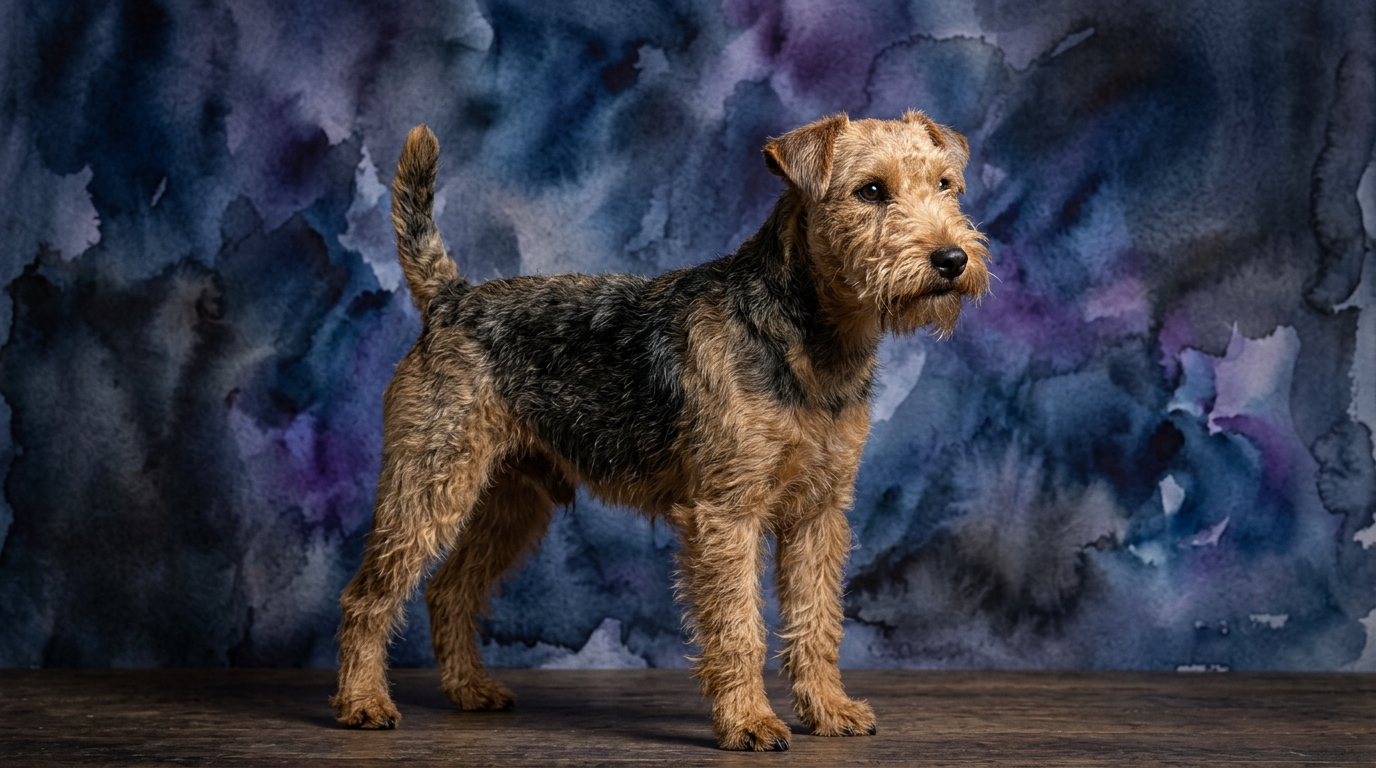
Side-by-Side IQ Profile: Pumi vs. Lakeland Terrier
At The Cosmic Pet Pet IQ Lab, we evaluate canine cognition across five core dimensions: Problem Solving, Training Speed, Social Intelligence, Instinctive Drive, and Memory. Interestingly, both the Pumi and the Lakeland Terrier register a 3/5 score in each of these categories. This identical numerical rating, however, belies significant differences in how these breeds manifest their cognitive strengths, deeply rooted in their historical roles.
The Pumi, a vibrant Herding dog from Hungary, applies its Problem Solving (3/5) to dynamic, multi-variable challenges like guiding livestock. This involves quick, adaptive decisions to anticipate herd movements and adapt to changing conditions on the spot, rather than linear, static puzzles. Its Training Speed (3/5) reflects an efficient grasp of commands, particularly when tasks align with its innate herding drive; they learn sequences and expectations but often interpret commands through the lens of their independent, purposeful work. Social Intelligence (3/5) in a Pumi is honed by reading subtle cues from both livestock and handlers, understanding group dynamics, and translating this into responsive, communicative bonds within their human family. Their Instinctive Drive (3/5) is a strong desire to control, gather, and organize, providing immense motivation for structured tasks. Finally, their Memory (3/5) is robust for routines, learned commands, and spatial awareness, crucial for navigating varied terrains and remembering specific animal behaviors.
The Lakeland Terrier, originating from the rugged fells of England, channels its Problem Solving (3/5) into independent pursuit and extraction of quarry. This involves navigating complex, confined spaces, strategizing to outwit prey, and persistent effort to achieve a goal, often requiring physical dexterity alongside mental agility. Its Training Speed (3/5) indicates a rapid learning capability when highly motivated, especially with engaging, varied tasks. However, their independent and tenacious nature means they might evaluate a command against their own immediate agenda, demanding consistent, positive reinforcement. Social Intelligence (3/5) allows Lakelands to read intentions and respond to family members, though their social circle can be more selective; they are discerning, showing different levels of engagement with familiar versus unfamiliar individuals. Their Instinctive Drive (3/5) is a powerful prey drive, coupled with a determined, self-reliant spirit that fuels their curiosity and persistence in exploration and digging. Memory (3/5) in the Lakeland is excellent for locations of interesting smells, past encounters, and learned boundaries, applying past experiences to new situations with remarkable precision.
Where the Pumi Wins Cognitively
Despite identical numerical scores, the Pumi demonstrates distinct cognitive advantages, particularly in areas demanding collaborative intelligence and dynamic adaptation. Their herding heritage provides them an edge in what we term 'fluid problem-solving' – the ability to make rapid, nuanced decisions in constantly changing environments. Unlike a static puzzle, managing a flock requires continuous assessment and adjustment, a skill deeply ingrained in the Pumi's cognitive framework.
Furthermore, the Pumi often excels in collaborative learning. Their historical role as a partner with a human handler has fostered a unique receptiveness to working as part of a team. This translates into an ability to not only understand human signals but to anticipate them, making them exceptionally attuned companions in complex tasks. Their social intelligence, honed by managing groups of animals, also allows for a more nuanced understanding of emotional states and group dynamics within a family setting, making them highly empathetic and responsive.
This aptitude for working in tandem, coupled with their capacity for rapid environmental assessment, means Pumis often shine in activities requiring intricate communication and shared objectives, such as advanced obedience, agility, or actual herding trials. They thrive when their cognitive input is valued and integrated into a joint effort, showcasing a specialized form of relational intelligence.
Where the Lakeland Terrier Wins Cognitively
The Lakeland Terrier's cognitive strengths lie in areas demanding self-sufficiency and unwavering focus, reflecting its heritage as an independent hunter. They demonstrate superior ability in 'persistent, independent problem-solving' – the tenacity to single-mindedly pursue an objective, such as figuring out how to access a hidden toy or navigate a complex scent trail. Their determination isn't just a personality trait; it's a core cognitive asset that drives them to overcome obstacles without constant human direction.
Lakelands also exhibit a specialized application of sensory acuity. Their instinctive drive is profoundly tied to their senses, making them adept at processing and utilizing olfactory and auditory information for complex tracking and investigative tasks. They can follow a faint scent trail with incredible focus, mentally mapping their environment based on sensory input in a way that is highly specialized for their original purpose. This focused memory for environmental details related to their pursuits – remembering specific scent trails, den locations, or places where interesting things have happened – represents a robust form of spatial and episodic memory.
This capacity for self-directed work and sensory-driven problem-solving makes Lakelands particularly adept at tasks requiring sustained individual effort, such as scent work, earthdog trials, or intricate backyard explorations. They are cognitively wired to be resourceful and resilient, often preferring to solve challenges on their own terms, which is a hallmark of their specialized intelligence.
Which is Easier to Train and Why
When considering ease of training, the Pumi generally presents a more cooperative learning experience for the average owner. Their inherent desire to work cooperatively with a handler, stemming from their herding roots, translates into a greater readiness to follow directions. The Pumi's training speed (3/5) is efficiently utilized when tasks are presented as a form of 'work' or 'purpose,' making them eager to learn and perform. They respond well to varied, engaging sessions that channel their natural instincts for control and organization, finding satisfaction in mastering complex sequences.
The Lakeland Terrier, while also possessing a 3/5 training speed, can be more challenging due to its pronounced independent streak and strong prey drive. They learn quickly, but their cognitive process often involves weighing a command against their own immediate interests or perceived 'better ideas.' This means that while they grasp concepts rapidly, consistent obedience requires significant motivation, patience, and making training feel like an engaging game or a 'hunt' for rewards. A Lakeland's problem-solving might, at times, be applied to finding loopholes in commands rather than simply executing them, necessitating creative and firm handling to maintain focus and compliance.
Which Suits Active Owners vs. Relaxed Owners
Neither the Pumi nor the Lakeland Terrier is suited for truly relaxed or sedentary owners; both breeds register a 3/5 in instinctive drive and demand substantial mental and physical engagement. However, they appeal to different types of active lifestyles.
The Pumi is ideal for owners who enjoy collaborative, dynamic activities. Their cognitive needs demand engagement that goes beyond just physical exercise; they need to think, problem-solve, and work in partnership. Owners who enjoy dog sports like agility, obedience, rally, or even herding trials, which provide a 'job' and require intricate communication, will find the Pumi thrives in this environment. They excel with owners who can provide consistent interaction and channel their herding intelligence into structured tasks, fostering a strong, working bond.
The Lakeland Terrier, on the other hand, suits active owners who appreciate an independent spirit and enjoy outdoor exploration. While they need vigorous physical exercise, their mental stimulation often comes from investigative pursuits, scent work, and opportunities to problem-solve independently. Owners who enjoy long hikes, exploring varied terrains, or engaging in earthdog activities will find the Lakeland a tenacious companion. They thrive with owners who understand their self-reliant nature and can provide outlets for their strong prey drive and curious, persistent mind, even if it means they might occasionally 'do their own thing' for a moment.
The Verdict
If you seek a highly interactive companion eager to collaborate on tasks and thrive on dynamic mental challenges within a partnership, the Pumi's nuanced social and problem-solving skills make it an excellent choice.
Opt for the Lakeland Terrier if you admire a tenacious, independent spirit that excels at self-directed problem-solving and possesses a focused drive for exploration and investigative pursuits, provided you can channel that energy effectively.
🧠 Find Your Pet's IQ Score
Our Pet IQ Lab assessment covers 25+ tests across 5 cognitive dimensions — personalized to your breed.
Take the Full IQ Test →Frequently Asked Questions
Are Pumi dogs good for first-time owners?
Pumis can be a good fit for first-time owners who are committed to consistent training and providing ample mental and physical stimulation. Their cooperative nature makes them responsive, but their intelligence requires thoughtful engagement to prevent boredom and channel their energy constructively.
Do Lakeland Terriers get along with other pets?
Lakeland Terriers can coexist with other pets, especially if introduced early and socialized well. However, their strong prey drive means careful supervision is needed with smaller animals, and introductions should always be managed thoughtfully to ensure a harmonious household.
What kind of mental exercise do Pumis need daily?
Pumis benefit from daily mental challenges like puzzle toys, training sessions that teach new tricks or refine commands, and engaging in dog sports such as agility or obedience. Activities that allow them to 'herd' or problem-solve in a controlled environment are particularly stimulating for their cognitive needs and prevent destructive behaviors.