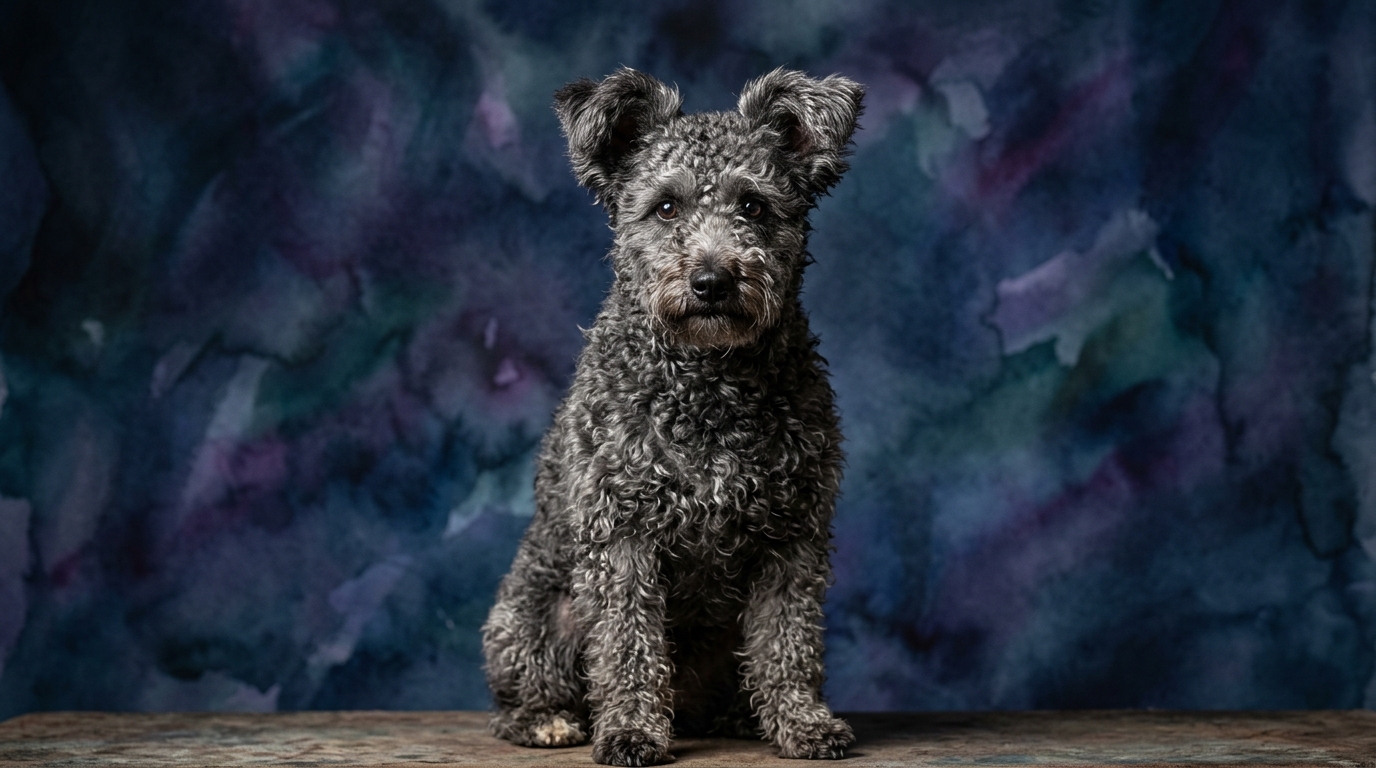
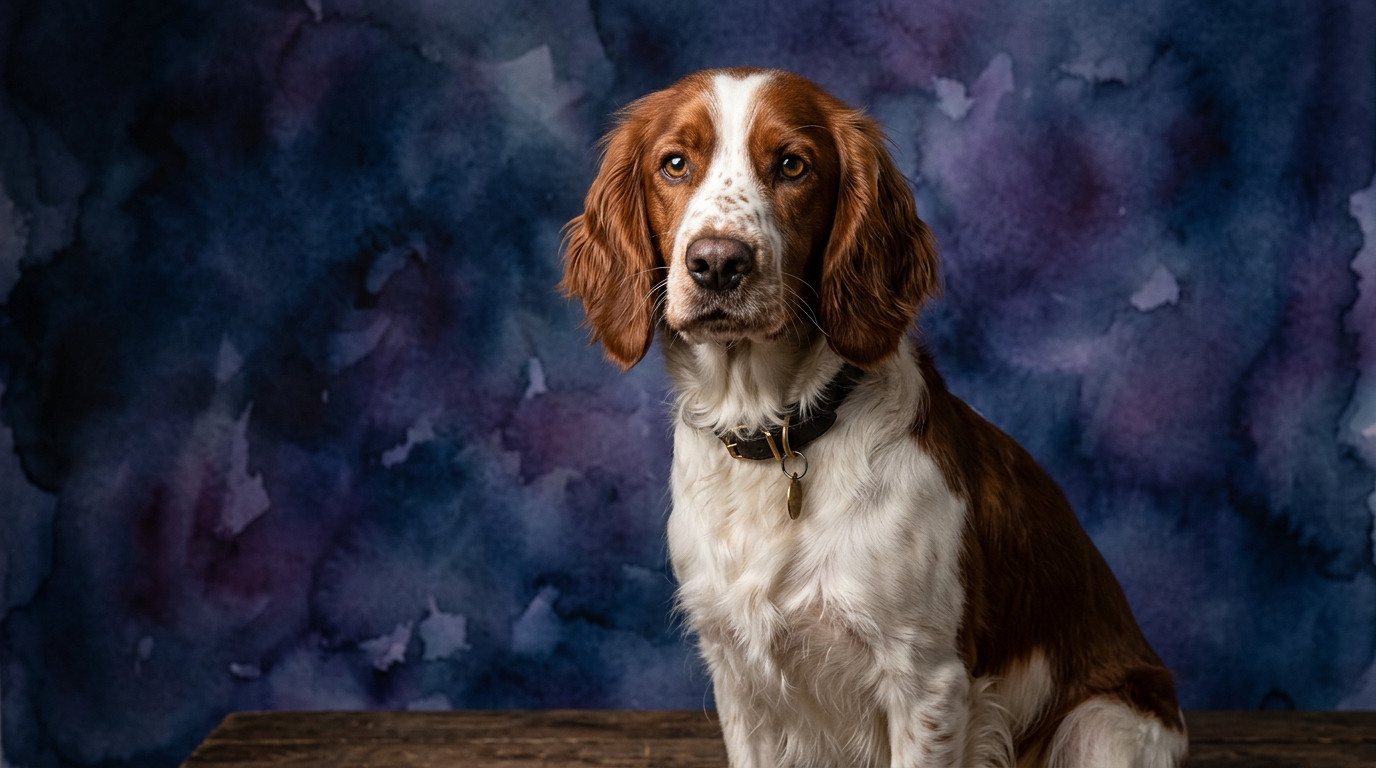
Side-by-Side Cognitive Profiles: Herder vs. Hunter
The Cosmic Pet Pet IQ Lab provides a comprehensive framework to understand canine intelligence across five key dimensions. For the Pumi, a spirited Hungarian herding breed, its cognitive profile reflects a balanced, adaptive worker. Its Problem Solving score of 3/5 indicates a practical, on-the-spot approach to challenges, often relying on learned patterns and adaptability rather than complex strategic planning. Training Speed, also at 3/5, suggests a steady learner that benefits from consistent, patient instruction and repetition. Social Intelligence, rated 3/5, points to a generally cooperative nature, capable of understanding human cues and integrating into family dynamics, though perhaps with a degree of independent thought. Its Instinctive Drive of 3/5 is primarily channeled towards herding, manifesting as a watchful and responsive nature towards movement and order. Finally, a Memory score of 3/5 signifies reliable retention of commands and routines, sufficient for its working demands.
In contrast, the Welsh Springer Spaniel, a diligent sporting breed with a Coren rank of #31, exhibits a cognitive makeup geared for specific tasks requiring quicker uptake and retention. Its Problem Solving score of 4/5 indicates a dog that often approaches novel situations with more strategic thought and a quicker aptitude for finding solutions. Training Speed, also at 4/5, highlights its capacity to grasp new commands and concepts with efficiency, often requiring fewer repetitions than many other breeds. Social Intelligence matches the Pumi at 3/5, suggesting an amiable and cooperative temperament, eager to engage with its human companions. Its Instinctive Drive of 3/5 is deeply rooted in scent work and retrieving, driving its desire to explore and work in the field. Notably, its Memory score of 4/5 signifies an impressive ability to recall a vast repertoire of commands, locations, and learned behaviors over extended periods, a crucial trait for a hunting companion expected to remember complex sequences and retrieve game.
Where the Pumi's Cognitive Strengths Shine
While the Pumi's scores are consistently 3/5, this balanced profile is precisely where its cognitive strengths emerge, especially in scenarios demanding consistent performance and independent judgment without overwhelming complexity. Its 3/5 Problem Solving, combined with its herding background, implies an aptitude for making practical, real-time decisions in dynamic environments, such as managing a flock where variables are constantly shifting. This isn't about solving intricate puzzles, but rather about sustained, adaptable cognitive function in fluid situations, where a dog must react appropriately to changing circumstances without constant human input.
The Pumi's uniform cognitive scores also suggest a robust mental resilience. It's a dog that maintains a steady level of cognitive function across various demands, rather than excelling in one area at the expense of another. This means it's less prone to becoming overstimulated or shutting down when faced with unexpected events. Its moderate Training Speed and Memory, though not as rapid as the Welsh Springer Spaniel's, ensure that once a task is learned, it is reliably performed, fostering a dependable working relationship. This consistent, practical intelligence allows the Pumi to be an enduring and resourceful partner in tasks that require independent decision-making within established boundaries.
Where the Welsh Springer Spaniel Excels Cognitively
The Welsh Springer Spaniel's higher scores in Problem Solving (4/5), Training Speed (4/5), and Memory (4/5) point to distinct cognitive advantages in areas requiring quick acquisition of knowledge and precise recall. Its elevated Training Speed means it typically absorbs new commands and sequences of actions much faster than the Pumi, making it an excellent candidate for advanced obedience, complex dog sports like agility, or even service work where a vast array of learned behaviors is necessary. This rapid uptake translates to more efficient training sessions and quicker progress in mastering new skills.
Furthermore, the Welsh Springer Spaniel's 4/5 in Problem Solving indicates a dog that can more readily analyze and navigate novel challenges. This might manifest as figuring out how to open a gate, retrieve an object from a difficult spot, or understand multi-step commands that require sequential execution. Coupled with its superior Memory, this breed can not only learn complex tasks quickly but also retain them accurately over long periods, allowing for a more extensive repertoire of remembered actions and a greater capacity for independent strategic thinking in pursuit of a goal. Its Coren rank of #31 further underscores its capacity for obedience and working intelligence, aligning perfectly with these higher cognitive scores.
Trainability: Pumi's Persistence vs. Welsh Springer's Pace
When considering ease of training, the Welsh Springer Spaniel generally presents a more straightforward path for most owners due to its 4/5 scores in both Training Speed and Memory. They tend to pick up new cues and commands quickly and retain them well, leading to faster progress in obedience and skill acquisition. This breed often exhibits a strong desire to cooperate and work alongside its human, a characteristic typical of many sporting dogs that were bred to be responsive partners in the field. Their eagerness to please and retrieve translates into a more inherently cooperative training dynamic, where positive reinforcement yields swift and lasting results.
The Pumi, with its 3/5 in Training Speed and Memory, requires a more patient and consistent approach. While certainly trainable, it may take more repetitions to solidify a command, and its independent herding mindset can sometimes mean it processes commands with a moment of consideration or attempts to apply its own 'solution' if not clearly directed. This isn't a lack of ability, but rather a distinct cognitive style that values independent thought. Therefore, Pumi owners must be prepared for engaging, varied training sessions that prevent boredom and capitalize on their breed's practical problem-solving, ensuring commands are clear, consistent, and reinforced positively to build a strong working bond.
Matching Breeds to Lifestyles: Activity Levels and Cognitive Demands
Both the Pumi and the Welsh Springer Spaniel are active breeds that require significant physical and mental engagement, making neither truly suited for a relaxed, sedentary owner. However, their cognitive profiles suggest slightly different forms of 'active' ownership. The Welsh Springer Spaniel, with its higher scores in training speed and problem-solving, thrives with owners who enjoy structured activities that challenge its mind, such as agility, advanced obedience, field trials, or scent work. Its capacity for rapid learning means it can quickly become bored without consistent mental stimulation, demanding an owner who can provide varied and progressive training opportunities alongside vigorous exercise.
The Pumi also requires an active lifestyle, particularly outlets for its innate herding drive, but its consistent, practical cognitive profile means it can excel with owners who appreciate a dog that thinks for itself within a framework. While it enjoys dog sports, its engagement might be more about the task itself than the rapid acquisition of new, complex sequences. Owners who enjoy long hikes, exploring new environments, or even engaging in herding activities will find a Pumi a rewarding partner. It suits owners who are prepared to engage with a dog that has a strong independent streak and a consistent, rather than flashy, cognitive output, valuing resilience and adaptability over sheer speed of learning.
The Verdict: Choosing Your Canine Companion
The Verdict
Choose the Pumi if you seek a resilient, independently thinking partner for dynamic tasks, appreciating a dog with a consistent, practical cognitive approach and are prepared for steady, patient training that respects its herding instincts.
Opt for the Welsh Springer Spaniel if you prioritize rapid learning, strong retention, and a cooperative partner for advanced obedience, dog sports, or roles requiring quick problem-solving and excellent memory recall in a field-ready companion.
🧠 Find Your Pet's IQ Score
Our Pet IQ Lab assessment covers 25+ tests across 5 cognitive dimensions — personalized to your breed.
Take the Full IQ Test →Frequently Asked Questions
Do Pumis really have a lower problem-solving ability than Welsh Springer Spaniels?
The data suggests Pumis exhibit a practical, task-oriented problem-solving (3/5) suited for dynamic herding, while Welsh Springer Spaniels show a more strategic, quicker aptitude (4/5) for novel challenges. This difference isn't about being less capable, but rather a distinct style of cognitive approach, where the Pumi excels in adaptability within a consistent framework.
How does the Coren rank for Welsh Springer Spaniel (#31) relate to its IQ scores?
The Coren rank primarily reflects a breed's working and obedience intelligence, aligning well with the Welsh Springer Spaniel's 4/5 scores in training speed and memory. It indicates a strong capacity for understanding and executing human commands efficiently, which is a significant component of that ranking, showcasing its aptitude for structured learning.
Can a Pumi perform well in dog sports despite its 3/5 training speed?
Absolutely. While a Pumi may take more repetitions to master a skill due to its 3/5 training speed, its consistent memory (3/5) and practical problem-solving (3/5) allow it to excel with patient, engaging training. Their inherent agility and instinctive drive make them formidable competitors once tasks are thoroughly learned and understood.