Side-by-Side IQ Profile: Unpacking the 3/5 Score
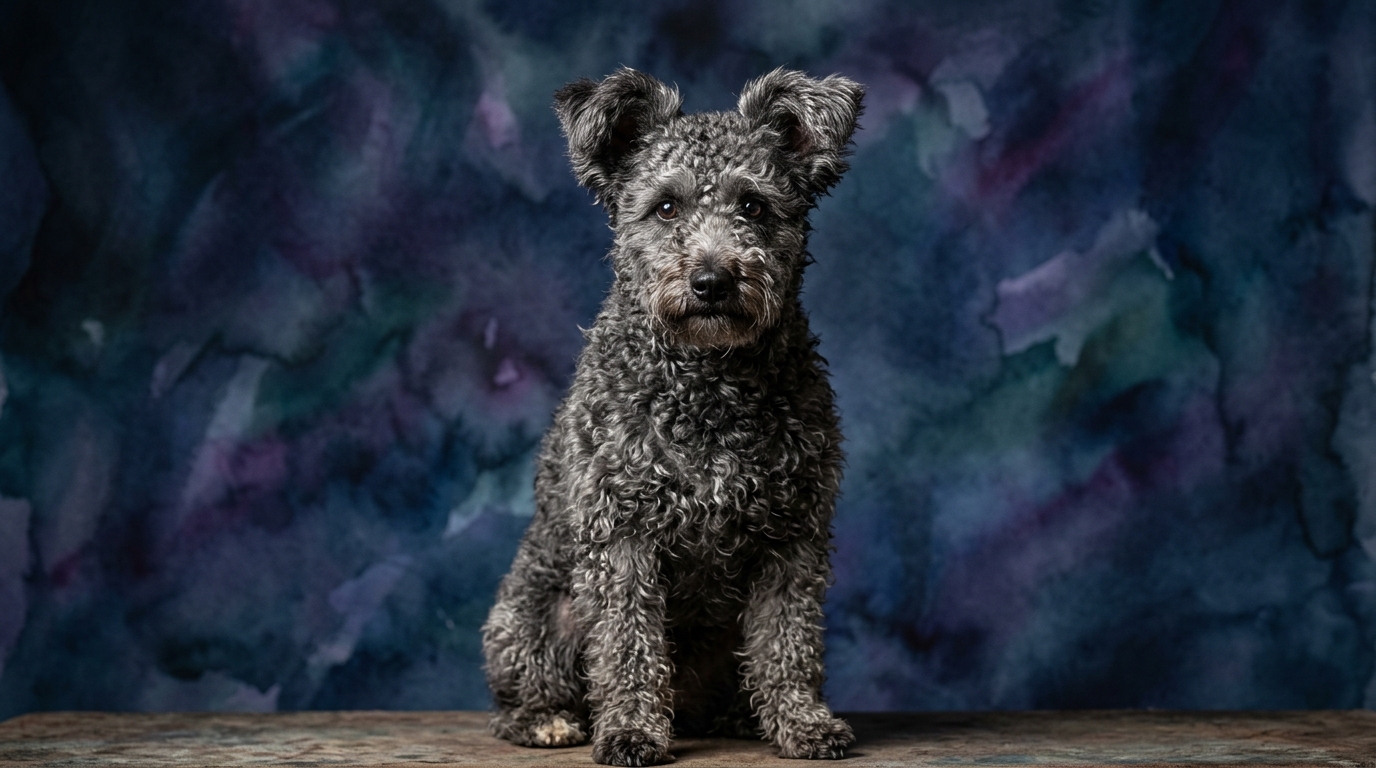
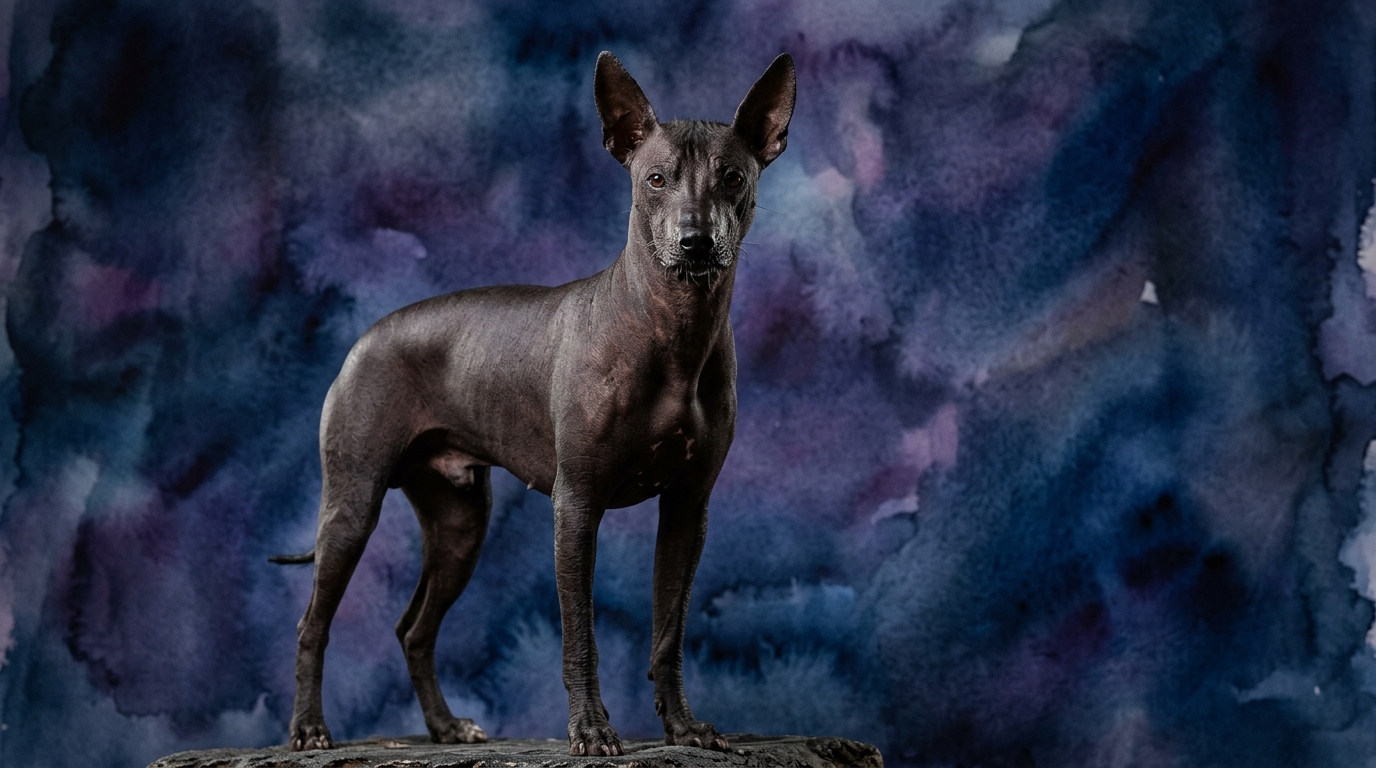
Both the Pumi, a lively Hungarian herding dog, and the Xoloitzcuintli, an ancient Mexican companion, register a consistent 3 out of 5 across all five dimensions of The Cosmic Pet Pet IQ Lab's cognitive assessment. This isn't a sign of average intellect, but rather indicates a balanced, functional intelligence that manifests uniquely in each breed, shaped by millennia of distinct purpose. It invites us to look beyond the numerical scores and consider the specific ways their mental faculties operate within their breed-specific contexts.
For the Pumi, a 3/5 in problem-solving often translates into resourcefulness when managing livestock or navigating complex tasks within their environment. They can devise strategies to gather a stray sheep, figure out how to access a desired toy hidden in a puzzle, or cleverly overcome obstacles during an agility course. Their solutions are typically active and goal-oriented, reflecting their working heritage and desire to manipulate their surroundings.
The Xoloitzcuintli's 3/5 in problem-solving, conversely, typically expresses itself in their ability to adapt to varying home dynamics, learn household routines with minimal fuss, or subtly manipulate situations to gain comfort or attention. Their solutions are often more social or environmental, such as finding the sunniest spot for a nap or understanding the best time to approach an owner for a cuddle, rather than purely task-driven.
A Pumi's 3/5 training speed suggests they grasp new commands at a steady pace, often eager to engage with their handler, though their innate herding instincts can sometimes present a lively distraction that needs careful management. They respond well to consistent, positive reinforcement methods and thrive on having a clear purpose. Their desire to work collaboratively makes them generally receptive to learning new skills.
The Xoloitzcuintli, also scoring 3/5, learns effectively but their training speed is often tempered by their independent nature and a cautious approach to new experiences and people. They require patient, engaging methods that respect their inherent ancient wisdom and build a strong foundation of trust. Once they understand a command and trust their handler, they demonstrate a reliable capacity for recall and execution.
The Pumi's social intelligence at 3/5 shines in their ability to read the subtle cues of their human companions and other animals, crucial for cooperative herding work and seamless family integration. They often form strong, perceptive bonds and can anticipate their owner's next move in a game or training session. This allows them to be highly responsive and intuitive partners.
For the Xoloitzcuintli, a 3/5 in social intelligence manifests as a deep attunement to their family unit, discerning moods and intentions with quiet observation and often maintaining a reserved demeanor towards strangers. Their social acumen is rooted in loyalty and protective instincts, making them excellent at understanding the emotional landscape of their home, even if they don't express it with overt enthusiasm.
The Pumi's 3/5 instinctive drive is characterized by their inherent urge to herd, chase, and guard, which provides a strong foundation for various activities but requires appropriate outlets to prevent misdirection. This drive is a powerful motivator when channeled correctly into sports or work. It makes them persistent and focused when pursuing a task they enjoy.
The Xoloitzcuintli's 3/5 instinctive drive leans towards companionship, guarding their territory and family, and sometimes a surprising prey drive that requires awareness. Their primitive origins imbue them with a natural vigilance and self-preservation, which means they can be watchful and protective of their home and loved ones, often with a quiet intensity.
Both breeds share a 3/5 memory score, indicating a reliable capacity to recall learned behaviors, routines, and experiences over time. A Pumi will remember complex sequences of commands for agility or herding trials, demonstrating a solid working memory essential for their tasks. A Xoloitzcuintli will likewise remember house rules, past interactions with people, and the location of favorite napping spots, exhibiting a memory tied strongly to their environment and social bonds, retaining information about what makes them feel safe and comfortable.
Where Pumi Wins Cognitively
While both breeds share the same numerical scores, the Pumi's cognitive strengths often manifest in areas requiring proactive engagement and dynamic problem-solving within a structured, task-oriented context. Their herding background means they excel at anticipating movement and strategizing to control a group, whether it's livestock, other dogs in a playgroup, or even playful children. This translates into a quicker ability to learn multi-step commands and sequences, particularly in activities like agility or competitive obedience, where their focus on a task and their handler is paramount and rewarded.
The Pumi's herding heritage also provides a slight edge in situations demanding sustained mental focus on a defined objective, especially when that objective involves movement or influence. They are built for a 'job,' and their satisfaction often comes from successfully completing a task or purposefully influencing their environment. This drive can make them more persistent in solving puzzles that have a clear goal, like figuring out how to retrieve a ball from under a sofa or unlocking a treat-dispensing toy, demonstrating a focused, energetic application of their 3/5 problem-solving ability.
Where Xoloitzcuintli Wins Cognitively
The Xoloitzcuintli's cognitive strengths, conversely, often shine in areas demanding subtle observation, emotional intelligence, and environmental adaptability within a more domestic sphere. Their ancient role as companions and guardians has honed their ability to read human emotions and household dynamics with remarkable precision. This allows them to anticipate their owner's needs or moods, often offering comfort or space as required, showcasing their 3/5 social intelligence in a deeply empathetic and intuitive way without needing overt instruction.
Xolos also demonstrate a particular aptitude for understanding and adhering to household routines and boundaries, often without extensive repetition or forceful training. Their independent yet loyal nature means they process information about their environment and family structure efficiently, leading to a natural understanding of what is expected and where they fit in. This translates into an intuitive grasp of social rules and a quiet self-sufficiency, making them adept at navigating complex social landscapes within the home. Their memory (3/5) is particularly strong for social patterns, comfort zones, and the nuances of their family's daily life.
Which is Easier to Train and Why
When considering ease of training, the Pumi generally presents a more straightforward path for owners who enjoy active engagement and consistent work. Their inherent desire to partner with humans, coupled with their strong work ethic and responsive nature, means they typically pick up commands with enthusiasm and a willingness to please. Their 3/5 training speed is often boosted by their eagerness to engage and their natural inclination to follow direction, especially when tasks mimic their herding instincts. However, their high energy and occasional tendency to 'herd' family members or other pets require firm, consistent boundaries and early socialization to prevent misapplication of their drives.
The Xoloitzcuintli, while equally capable of learning (3/5 training speed), often requires a more nuanced and patient approach. Their primitive origins mean they can be more independent and less overtly eager to please than a typical working breed. They respond best to positive reinforcement, clear communication, and training that respects their sensitive nature and builds confidence. Forceful or inconsistent methods can lead to stubbornness or withdrawal, as they are not inclined to blindly obey. Their training success hinges on building a strong, trusting relationship where they feel secure and understood, making the process a partnership rather than a command-and-obey dynamic.
Which Suits Active Owners vs Relaxed Owners
The Pumi is undoubtedly a better fit for active owners seeking a canine partner for adventures and structured activities. Their 3/5 instinctive drive and problem-solving capabilities thrive on regular mental and physical stimulation, which is essential for their well-being. They excel in dog sports like agility, flyball, and herding trials, or even long hikes, vigorous play sessions, and engaging puzzle toys. An owner who can channel their energetic disposition and provide consistent training and enrichment will find a highly engaged and fulfilling companion. Their need for a 'job' means a relaxed, sedentary lifestyle would likely lead to boredom and potential behavioral issues.
The Xoloitzcuintli, while not a complete couch potato, can adapt more readily to a moderately active household, making them suitable for owners who appreciate a quieter, more observant companion. Their 3/5 social intelligence and independent nature mean they are content with regular walks, mental enrichment through puzzle toys, and ample cuddle time with their chosen family members. They don't demand constant strenuous activity, but they do require consistent social interaction and a secure, predictable environment. Owners who enjoy a calm home life but are dedicated to thoughtful training and deep bonding will find a devoted, albeit reserved, partner in a Xolo.
The Verdict
Choose the Pumi if you're an active owner seeking a highly engaged, task-oriented companion eager to participate in dog sports and outdoor adventures, thriving on consistent training and mental challenges. Their energetic working drive makes them a dynamic partner for a busy, structured lifestyle that can fulfill their need for a job.
Opt for the Xoloitzcuintli if you value a deeply loyal, perceptive companion with a calm demeanor, suited for a moderately active home and an owner who appreciates subtle communication and a strong, trusting bond. They excel in environments where their social intelligence and quiet vigilance are valued, offering profound companionship.
🧠 Find Your Pet's IQ Score
Our Pet IQ Lab assessment covers 25+ tests across 5 cognitive dimensions — personalized to your breed.
Take the Full IQ Test →Frequently Asked Questions
Do Pumi and Xoloitzcuintli dogs learn at the same pace?
While both breeds score 3/5 in training speed, their *approach* to learning differs. Pumis often learn new commands with enthusiastic engagement, driven by their desire to work with their handler and a generally higher energy level. Xolos learn effectively but may require more patient, trust-based methods due to their independent and sometimes cautious nature, making consistency and positive reinforcement key for both.
Which breed is better at adapting to new environments or people?
Both breeds possess 3/5 social intelligence and memory, but they adapt differently. Pumis tend to be more outwardly curious and generally adaptable to new situations if properly socialized, often eager to explore and engage. Xolos, while adaptable within their family unit, typically approach new environments and strangers with more reserved observation, preferring familiarity and a secure sense of belonging before fully opening up.
Can both Pumi and Xoloitzcuintli live in apartments?
Both breeds *can* live in apartments, provided their specific needs are met. A Pumi requires significant daily exercise and mental stimulation to manage their herding drive and high energy in a smaller space, making outdoor activity crucial. A Xoloitzcuintli can adapt better to apartment living due to their generally lower exercise demands, but still needs regular walks and consistent social interaction with their family to thrive emotionally.