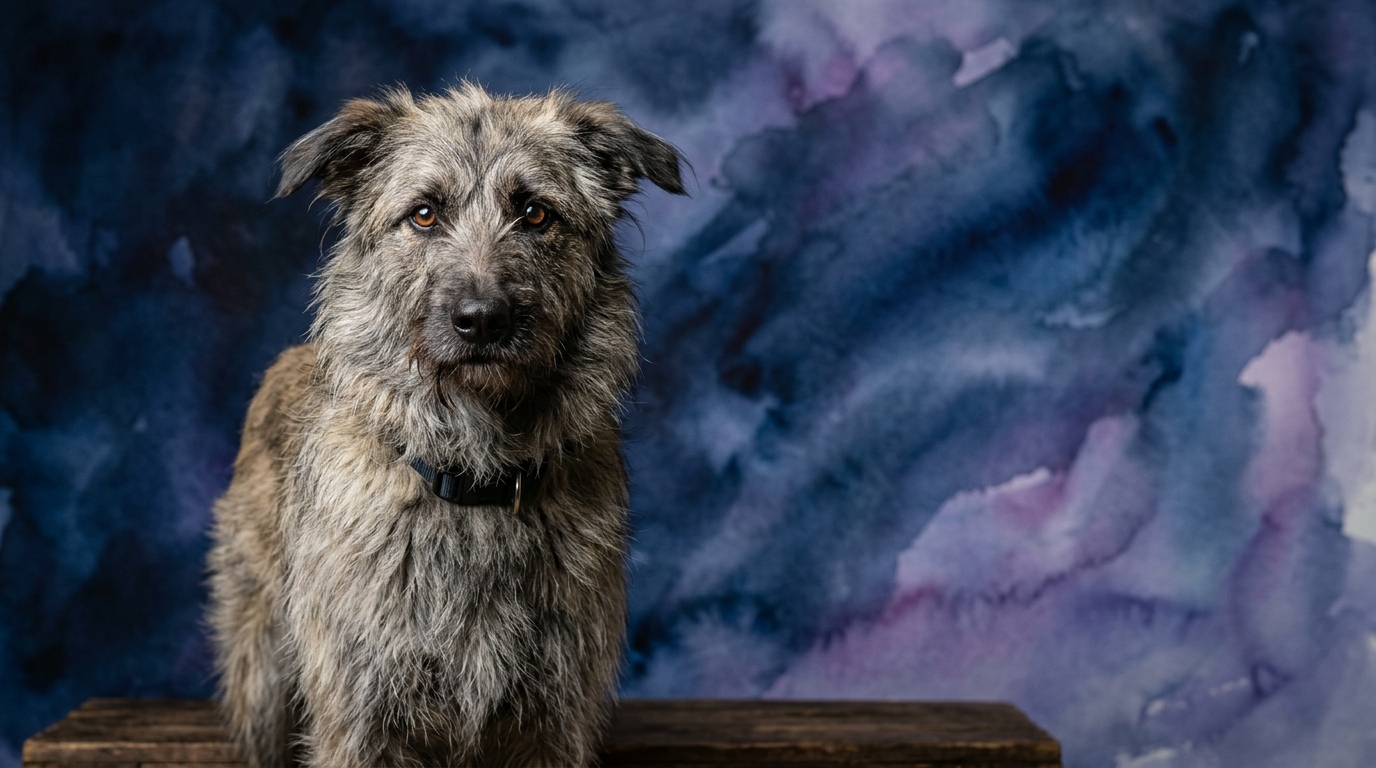
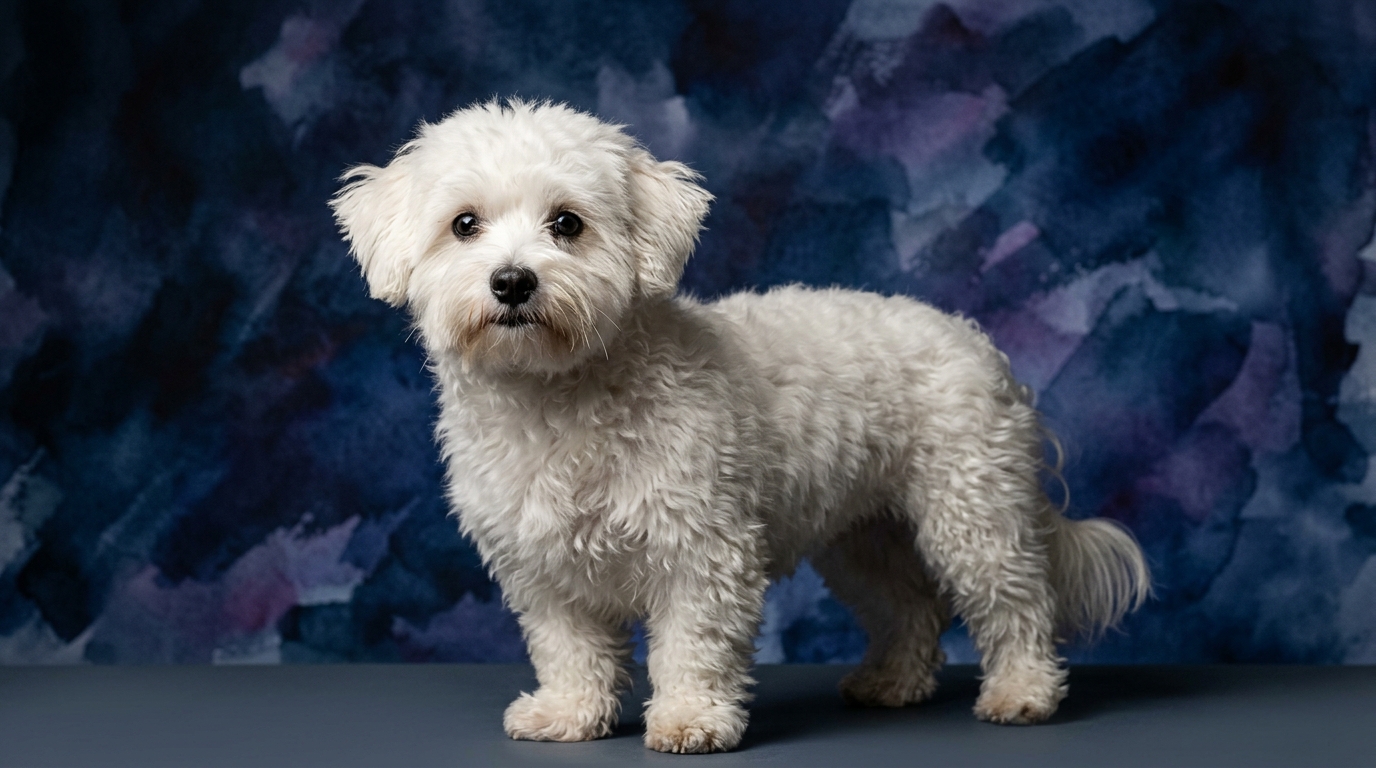
Side-by-Side Cognitive Profiles
The Cosmic Pet Pet IQ Lab assesses five crucial cognitive dimensions, and both the Pyrenean Shepherd and the Coton de Tuléar register a consistent 3/5 across the board. While these scores indicate a moderate capacity in each area, the practical manifestation of these abilities differs significantly based on their breed heritage and primary roles.
For the Pyrenean Shepherd, a 3/5 in Problem Solving manifests in their ability to assess and react to dynamic situations within a flock or varied landscape. They adapt their approach to move animals or navigate obstacles, learning from previous encounters. Their Training Speed (3/5) means they absorb commands related to working tasks efficiently, especially when those tasks align with their strong herding instincts. However, their independent spirit necessitates consistent, engaging training. Social Intelligence (3/5) is primarily geared towards understanding subtle cues from their handler in a working context and the behavior of livestock. Their Instinctive Drive (3/5) is a pronounced herding drive, a powerful innate motivation that channels their problem-solving and memory towards ancient tasks. Finally, their Memory (3/5) allows them to retain complex sequences of commands and learned strategies for managing flocks or navigating routes, crucial for executing multi-step tasks.
Conversely, the Coton de Tuléar’s 3/5 in Problem Solving is demonstrated in their cleverness within a domestic environment, such as figuring out how to retrieve a hidden toy or understanding routines to anticipate rewards. They learn to navigate their human-centric world with charming ingenuity. Their Training Speed (3/5) means they learn basic commands and house rules at a moderate pace, often eager to please and motivated by positive attention. Social Intelligence (3/5) is highly attuned to human emotions and household dynamics; they read subtle shifts in mood and anticipate family routines. Their Instinctive Drive (3/5) primarily centers on companionship, play, and comfort, an innate desire to be near their human family. Their Memory (3/5) supports their ability to integrate seamlessly into a household, recalling routines, favored spots, and the specific preferences of their family members.
Where the Pyrenean Shepherd Excels Cognitively
The Pyrenean Shepherd's cognitive strengths lie in applied, task-specific intelligence and acute environmental awareness. Their problem-solving (3/5) is less about abstract puzzles and more about dynamic, real-world challenges. For instance, if a gate is open and livestock are escaping, their cognitive processes quickly assess the situation, prioritize containment, and recall strategies for directing animals. Their social intelligence (3/5) is acutely honed to interpret handler signals in a working capacity, making them exceptionally responsive to precise, often non-verbal, commands during complex herding maneuvers.
This breed's memory (3/5) allows them to retain intricate patterns of movement, recognize individual animals, and remember complex pathways or obstacles in varied terrain, which is paramount for their historical role. Their instinctive drive (3/5) for herding means their cognitive energy is naturally channeled towards tasks requiring vigilance, quick reactions, and independent decision-making under pressure, making them adept at processing multiple environmental stimuli simultaneously and acting decisively.
Where the Coton de Tuléar Excels Cognitively
The Coton de Tuléar’s cognitive advantages are rooted in social adaptability and emotional attunement. Their social intelligence (3/5) is profoundly expressed in their ability to read and respond to human emotions, making them exceptionally perceptive companions. They can discern subtle changes in tone, body language, and routine, often anticipating their owner's needs or moods, fostering a deep bond.
Their problem-solving (3/5) is often directed towards navigating social situations or finding creative ways to engage with their family, such as figuring out how to initiate play or gain attention. This cleverness is driven by their instinctive drive (3/5) for companionship, prompting them to learn and adapt behaviors that strengthen their bond with humans. Their memory (3/5) is excellent for recalling household routines, preferred interaction styles, and the specific likes and dislikes of their human family members, allowing them to integrate seamlessly and harmoniously into domestic life, understanding the nuances of cohabitation.
Which Is Easier to Train and Why
Assessing which breed is "easier" to train depends heavily on the owner's goals and approach, as both breeds register a 3/5 for training speed, implying moderate learning curves that respond well to consistent methods.
Training a Pyrenean Shepherd often involves channeling their considerable instinctive drive (3/5) and independent problem-solving (3/5) into constructive outlets. They learn commands efficiently, particularly if those commands relate to a task or give them a "job." However, their independent nature means they can be less inclined to blindly follow if they perceive a better solution or if the training isn't engaging enough. Owners need to be firm, consistent, and creative, offering varied tasks and mental stimulation to prevent boredom or self-employment, such as herding children or other pets. Their training is about partnership and clear communication, leveraging their attentiveness to specific cues but requiring a dedicated handler to manage their energetic focus.
The Coton de Tuléar's ease of training stems from their strong social intelligence (3/5) and instinctive drive (3/5) for companionship. They are often highly motivated by praise, play, and treats, making positive reinforcement very effective. They readily learn house manners and tricks because pleasing their human family is a significant reward. While they can sometimes exhibit a playful stubbornness or get distracted by the desire for attention, their willingness to engage and their adaptability to domestic routines mean that consistent, gentle training usually yields good results. They thrive on interaction and view training as another form of bonding, making them generally delightful pupils for a family setting.
Active Owners vs. Relaxed Owners: A Cognitive Match
The Pyrenean Shepherd is best suited for highly active owners who can meet their substantial physical and mental stimulation needs. Their strong instinctive drive (3/5) and problem-solving capabilities (3/5) demand an outlet, whether it's herding, agility, advanced obedience, or extensive hikes. They thrive with owners who are prepared to engage them in challenging activities daily, providing structured "work" that satisfies their cognitive and physical energy. A relaxed owner might find a Pyrenean Shepherd overwhelming, as insufficient stimulation can lead to boredom, anxiety, and potentially destructive behaviors or unwanted herding tendencies.
The Coton de Tuléar is generally more adaptable, fitting well with both moderately active and more relaxed owners, provided their need for companionship is met. While they enjoy walks and playtime, their exercise requirements are not as demanding as a working breed. Their social intelligence (3/5) and instinctive drive (3/5) for interaction mean they flourish in homes where they receive consistent attention, cuddles, and engaging play sessions. They are content to relax alongside their owners but also appreciate opportunities for mental engagement through short training sessions or puzzle toys. Owners who enjoy a close bond with their pet and can provide ample companionship will find a Coton to be a perfect fit.
The Verdict
Choose the Pyrenean Shepherd when you seek an energetic, task-oriented canine partner for demanding activities like dog sports, extensive outdoor adventures, or real-world herding, and you are ready to commit to consistent, stimulating engagement.
Choose the Coton de Tuléar when you desire a charming, adaptable companion highly attuned to family life, thriving on social interaction, and suitable for a variety of living situations where companionship and moderate activity are prioritized.
🧠 Find Your Pet's IQ Score
Our Pet IQ Lab assessment covers 25+ tests across 5 cognitive dimensions — personalized to your breed.
Take the Full IQ Test →Frequently Asked Questions
Do Pyrenean Shepherds bark a lot due to their herding instincts?
Pyrenean Shepherds are alert and vocal guardians, so they can be prone to barking, especially when bored or undersocialized. Their tendency to use their voice as a tool for communication and warning needs to be managed through consistent training and sufficient mental and physical exercise.
Are Coton de Tuléars prone to separation anxiety?
Given their strong instinctive drive for companionship and social intelligence, Coton de Tuléars can develop separation anxiety if not properly socialized and trained to be alone from a young age. Gradual desensitization and providing engaging activities when left alone are crucial for their well-being.
How do these breeds perform in dog sports like agility?
Both breeds can excel in dog sports, though for different reasons. Pyrenean Shepherds often thrive in agility due to their athletic build, problem-solving skills, and handler focus, while Coton de Tuléars can also be surprisingly agile and quick learners, enjoying the bonding experience and mental challenge.