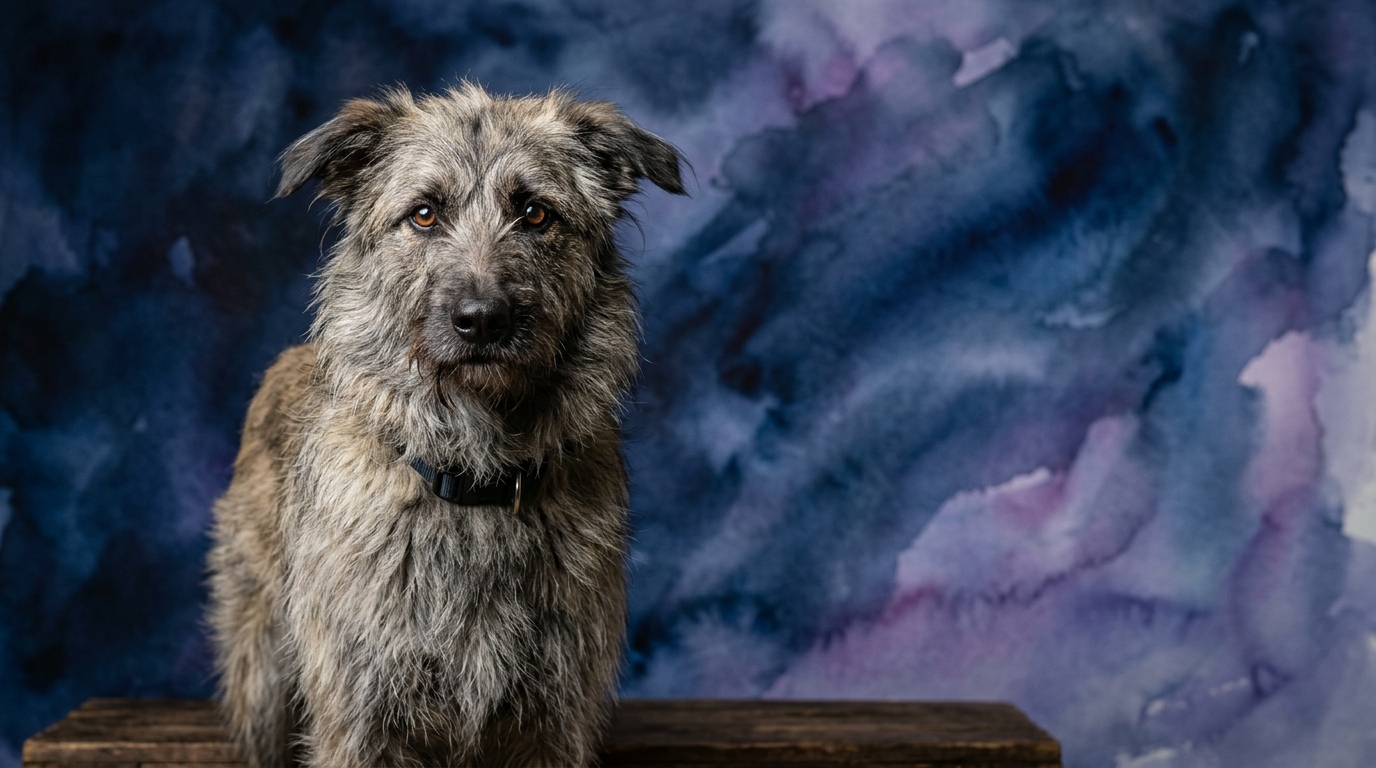
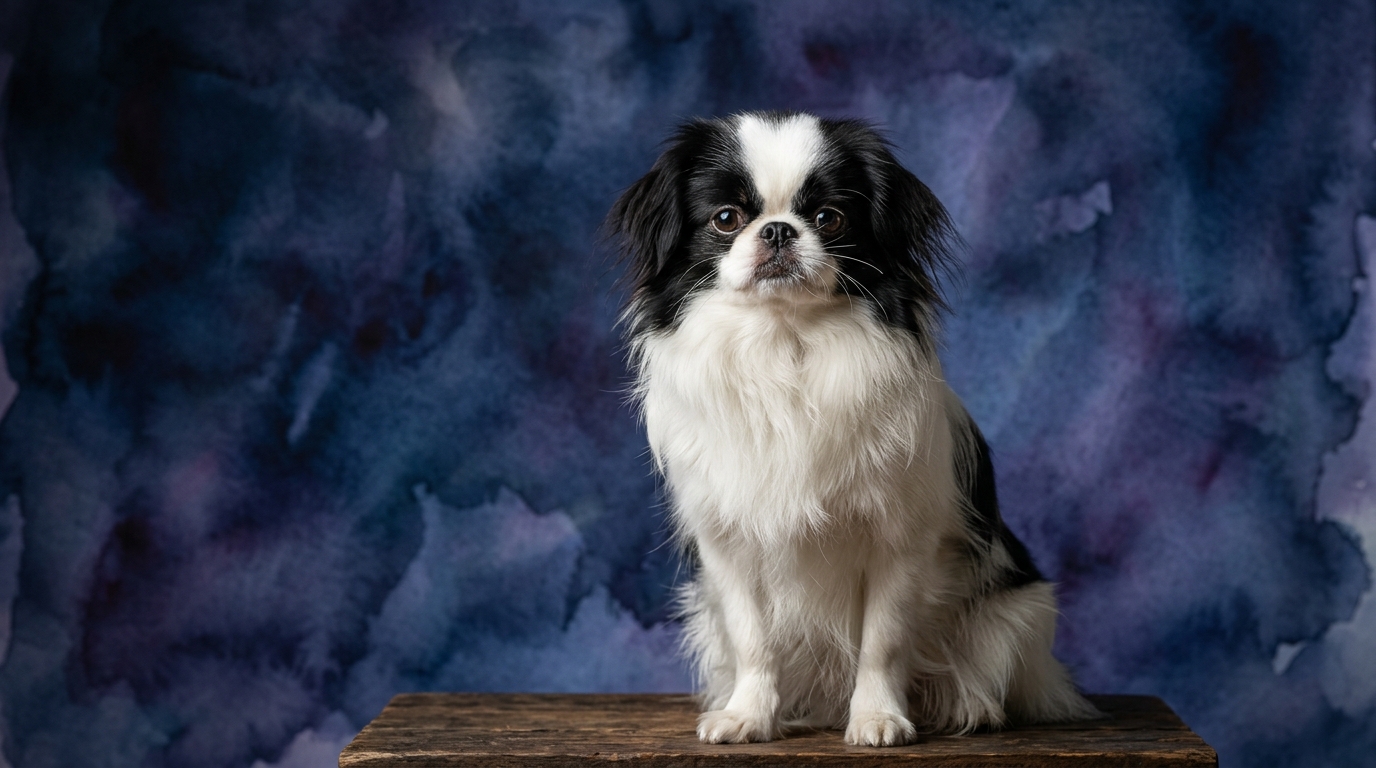
Side-by-Side IQ Profile: Interpreting Identical Scores
The Cosmic Pet Pet IQ Lab provides a multi-dimensional view of canine intelligence, assessing five key areas. Interestingly, both the Pyrenean Shepherd and the Japanese Chin are rated 3/5 across all dimensions: Problem Solving, Training Speed, Social Intelligence, Instinctive Drive, and Memory. However, the true insight lies in how these moderate scores translate into their breed-specific behaviors and suitability for different lifestyles.
For Problem Solving (3/5), the Pyrenean Shepherd's score suggests an aptitude for navigating moderate environmental challenges, such as figuring out how to move livestock or bypass obstacles in a dynamic setting. Their solutions are often practical and goal-oriented. The Japanese Chin, with the same score, likely applies this to domestic situations, cleverly figuring out how to get attention, retrieve a toy from a tricky spot, or subtly communicate their desires within a home environment.
Training Speed (3/5) for the Pyrenean Shepherd indicates they can learn new commands and routines effectively, but their independent nature means they may require engaging methods and consistent reinforcement. They process information and might assess its utility before complying. The Japanese Chin, also at 3/5, picks up basic commands and house rules at a reasonable pace, often motivated by positive reinforcement and a desire to interact with their humans.
Social Intelligence (3/5) in the Pyrenean Shepherd is likely geared towards reading environmental cues and the intentions of other animals or people in a working context, allowing them to adapt their actions and form strong, discerning bonds. For the Japanese Chin, this score highlights their exceptional ability to understand human emotions and social dynamics within a household, making them adept at sensing moods and offering intuitive companionship.
The Instinctive Drive (3/5) of the Pyrenean Shepherd reflects a significant, yet manageable, innate drive for herding, manifesting as vigilance, a desire to patrol, and an interest in movement. The Japanese Chin's 3/5 instinctive drive, however, points to a strong internal motivation for companionship, play, and comfort-seeking, an intrinsic need to be close to their people and engage in gentle interaction.
Finally, Memory (3/5) for the Pyrenean Shepherd suggests they retain learned commands, routines, and experiences well, allowing them to build on previous learning and anticipate events, crucial for reliability. The Japanese Chin's identical memory score means they can recall people, places, and learned behaviors consistently, supporting their ability to thrive in a domestic setting by reinforcing positive interactions and routines.
Where the Pyrenean Shepherd Shines Cognitively
The Pyrenean Shepherd's cognitive profile, particularly its 3/5 in problem-solving and instinctive drive, shines brightest in situations demanding independent thought and purposeful action. While both breeds share this score, the Pyrenean Shepherd applies it to more complex, often physically demanding, environmental challenges. Their problem-solving isn't just about getting a treat; it's about assessing a moving flock, navigating varied terrain, or figuring out how to bypass an obstacle to achieve a goal. This cognitive strength allows them to make decisions without constant human oversight, a trait essential for their herding lineage.
Their 3/5 instinctive drive, unlike the Chin's companion-focused drive, is a profound internal compass for work. This means they are inherently motivated to engage with tasks that involve observation, movement, and a sense of responsibility, making them exceptionally adept at activities like agility, rally, or actual herding trials, where a dog must understand complex sequences and react dynamically. Furthermore, their social intelligence, while rated the same, manifests as a keen ability to read subtle environmental cues and the intentions of other animals, a crucial skill for a dog expected to manage livestock or alert to potential threats.
Where the Japanese Chin Excels Cognitively
The Japanese Chin's cognitive strengths, though numerically identical across the board, are distinctly tailored for human companionship and domestic harmony. Their 3/5 in social intelligence is a profound advantage for owners seeking a deeply empathetic and attuned companion. This isn't just about reading a handler's basic commands, but about sensing subtle shifts in human mood, anticipating needs for comfort, or understanding unspoken desires for quiet companionship. They excel at adapting their behavior to the household's rhythm, demonstrating a flexible and intuitive understanding of human social structures.
Their problem-solving, while also 3/5, is often directed at navigating the social intricacies of a home, such as figuring out the best way to solicit affection or gently 'manipulating' their owner for a favorite spot on the couch. This breed's memory, also 3/5, serves to reinforce positive social interactions, remembering which family member is most generous with praise or which routine leads to a favorite treat. Their instinctive drive, while not for herding, is a powerful internal motivation for forming deep, reciprocal bonds, making them masters of subtle communication and fostering a unique connection with their human family.
Training Dynamics: Pyrenean Shepherd vs. Japanese Chin
Determining which breed is 'easier' to train hinges significantly on an owner's definition of 'easy' and their training goals, despite both having a 3/5 training speed score. The Pyrenean Shepherd, with its working background, possesses an inherent drive to learn and perform tasks, but also a streak of independent thought. They learn quickly when engaged, but might question commands if they perceive a more efficient or 'correct' way to accomplish a task. This independence means training requires consistency, clear communication, and an understanding that they are partners, not just followers. They thrive on challenges and positive reinforcement that acknowledges their cognitive contributions.
Conversely, the Japanese Chin, while also rated 3/5 in training speed, tends to be more motivated by social interaction and comfort. They are generally eager to please their beloved humans and respond exceptionally well to gentle, praise-based training. Their smaller stature and less demanding physical needs often make basic obedience and house-training seem more straightforward for owners seeking a well-mannered companion. However, their sensitivity means harsh methods are counterproductive, and their natural inclination towards comfort might make them less enthusiastic about repetitive, strenuous drills. For an owner seeking a diligent working partner, the Pyrenean Shepherd might feel 'easier' to train into complex roles, whereas for an owner desiring a polite, affectionate housemate, the Japanese Chin might present fewer behavioral hurdles in a domestic setting.
Lifestyle Match: Active vs. Relaxed Owners
The distinction between these two breeds, despite their identical IQ scores, becomes particularly clear when considering owner lifestyles. The Pyrenean Shepherd, with its 3/5 instinctive drive for activity and its problem-solving geared towards environmental interaction, is an ideal match for active owners. They require consistent mental and physical engagement to thrive, translating their cognitive capabilities into purposeful outlets like hiking, dog sports, or even a 'job' around the house. Their social intelligence and memory ensure they are loyal companions on adventures, but they need an owner who understands their need for structured activity and independent thought. A relaxed owner might find their inherent drive and independent problem-solving frustrating, potentially leading to boredom-induced behaviors.
In contrast, the Japanese Chin, whose 3/5 instinctive drive is focused on companionship and whose social intelligence excels in human interaction, is perfectly suited for more relaxed owners. Their cognitive strengths are best appreciated in a home environment where they can be close to their people, offering quiet companionship and engaging in gentle play. They are content with moderate daily walks and thrive on consistent, loving attention. An overly active lifestyle might overwhelm their sensitive nature, while a relaxed owner who cherishes close bonds will find their intuitive social intelligence and memory make them a wonderfully adaptable and affectionate presence.
The Verdict
For those seeking a canine partner with independent thought, a drive for purposeful activity, and the cognitive agility to excel in dynamic, task-oriented environments, the Pyrenean Shepherd is an exceptional choice. If your lifestyle embraces outdoor adventures and mental challenges, this breed will thrive as a dedicated, discerning companion.
Conversely, the Japanese Chin is the perfect fit for individuals or families desiring a deeply empathetic, intuitive, and affectionate companion whose cognitive strengths are expressed through subtle social understanding and a profound bond with their humans. This breed excels in a relaxed home setting where close companionship and gentle interaction are prioritized.
🧠 Find Your Pet's IQ Score
Our Pet IQ Lab assessment covers 25+ tests across 5 cognitive dimensions — personalized to your breed.
Take the Full IQ Test →Frequently Asked Questions
Do the identical IQ scores mean these breeds are exactly alike mentally?
No, the identical 3/5 scores indicate a similar level of capability across the dimensions, but the manifestation of these traits differs greatly based on breed purpose and temperament. A Pyrenean Shepherd's problem-solving might involve herding strategies, while a Japanese Chin's might be about communicating desires to its owner.
What does 'Not Coren-ranked' mean for their intelligence?
'Not Coren-ranked' simply means these breeds were not included in Stanley Coren's traditional intelligence ranking system, which primarily focused on obedience and working intelligence. The Cosmic Pet Pet IQ Lab provides a more nuanced, multi-dimensional assessment that offers a broader view of their cognitive abilities.
How does 'instinctive drive' differ between a Herding dog and a Toy dog?
For a Herding dog like the Pyrenean Shepherd, instinctive drive at 3/5 means a moderate, innate urge to manage and gather, often expressed as vigilance or a desire for a 'job'. For a Toy dog like the Japanese Chin, the same 3/5 score translates to a strong internal motivation for companionship, comfort-seeking, and social interaction, which is their primary 'purpose'.