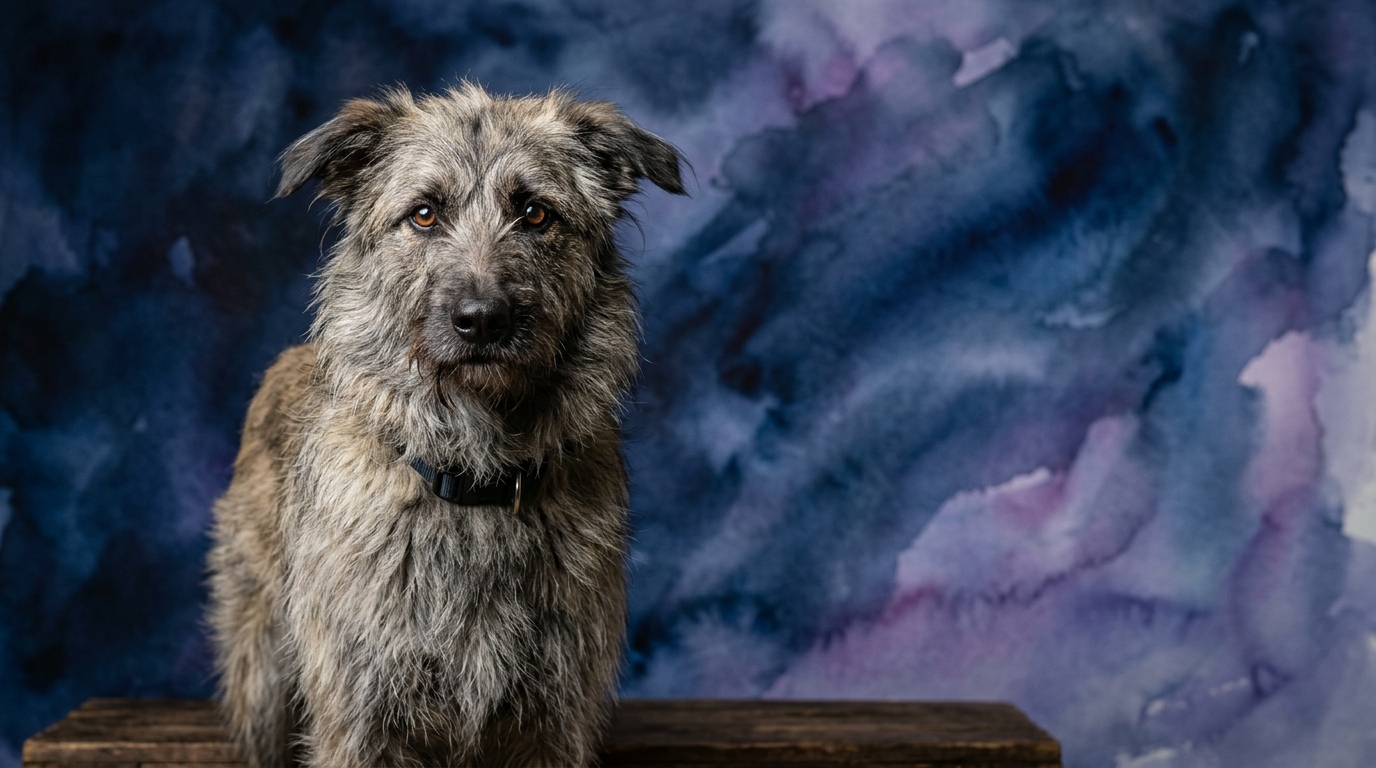
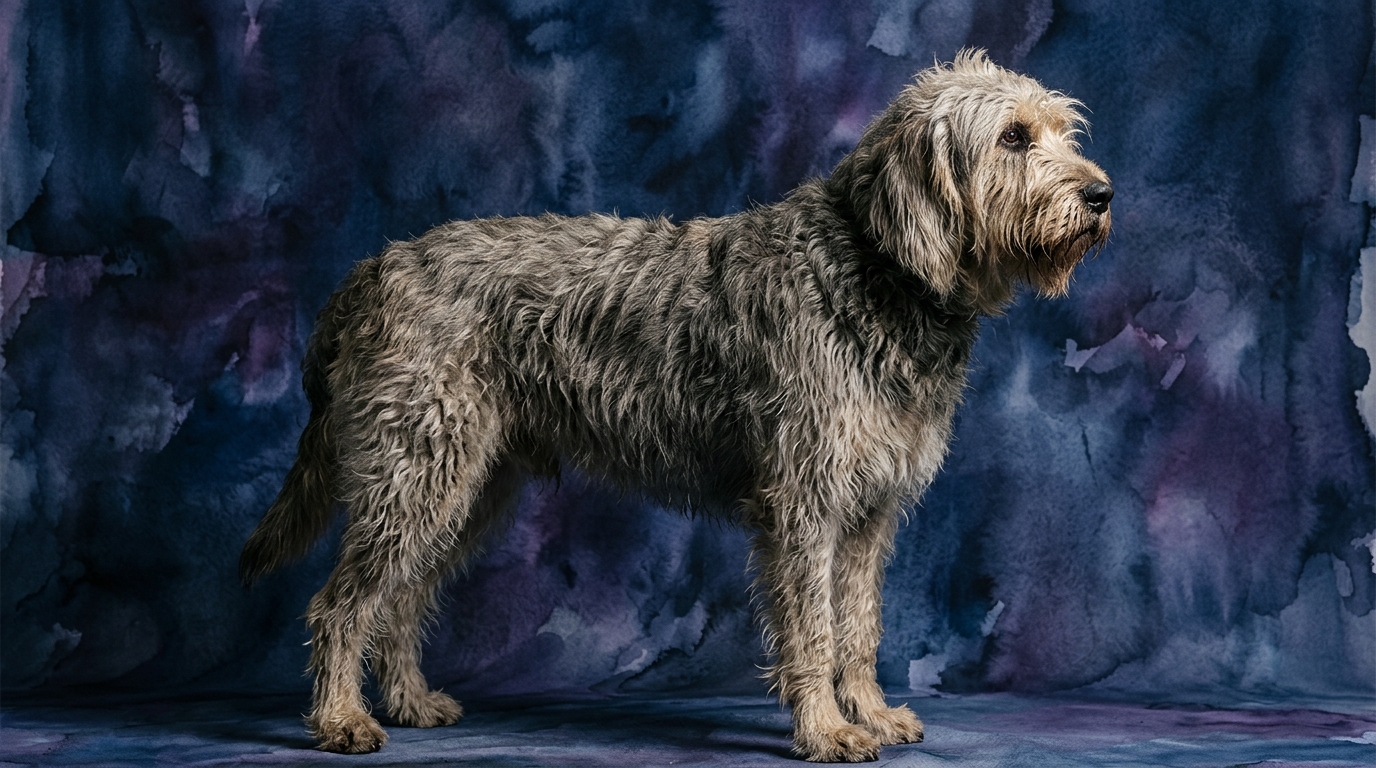
Side-by-Side IQ Profile
**Pyrenean Shepherd (Pyr Shep)**: Originating from the Pyrenees mountains, these agile herders possess a keen intellect finely tuned for managing livestock. Their **Problem Solving (3/5)** centers on real-time tactical decisions, like anticipating flock movements or finding lost sheep in challenging terrain, requiring quick mental adjustments. **Training Speed (3/5)** is characterized by a rapid grasp of commands when engaged, though their sensitive nature and independent streak mean success hinges on a strong, trusting bond and clear communication. Their **Social Intelligence (3/5)** is deeply focused on their human handler and flock, exhibiting a nuanced understanding of cues within their trusted circle, often reserved with strangers. **Instinctive Drive (3/5)** is powerfully expressed through their herding impulse, vigilance, and desire to control movement, making them constantly observant. Finally, their **Memory (3/5)** is excellent for established routines, pasture layouts, and the individual behaviors of their charges, aiding in consistent performance.
**Otterhound**: Hailing from Britain, this shaggy scent hound was bred for hunting otters, a task demanding persistence and a powerful nose. Their **Problem Solving (3/5)** manifests as a sustained focus on deciphering complex scent trails, navigating varied environments to follow a singular olfactory goal, rather than quick, dynamic shifts. **Training Speed (3/5)** indicates a moderate learning pace, but their formidable scent drive can make them highly distractible, requiring consistent, patient, and engaging methods to maintain focus. Their **Social Intelligence (3/5)** is generally jovial and pack-oriented, enjoying company and interacting well within a group, though they might be less attuned to subtle human emotional shifts compared to a herding breed, prioritizing general good cheer. The **Instinctive Drive (3/5)** is overwhelmingly scent-driven, coupled with a love for water and a relentless pursuit of a trail, making them incredibly persistent in their primary purpose. Their **Memory (3/5)** is particularly strong for scent patterns, memorable locations during a hunt, and the general layout of their territory, crucial for successful tracking.
Where the Pyrenean Shepherd Wins Cognitively
The Pyrenean Shepherd demonstrates a cognitive edge in areas requiring quick, adaptive thinking and a deep, nuanced understanding of social dynamics within a defined group. Their problem-solving, while rated 3/5, is geared towards dynamic, real-time tactical adjustments; they excel at reading situations and reacting with precision, whether it's anticipating a sheep's next move or navigating an obstacle course. This breed's sensitive social intelligence, also 3/5, allows for an almost telepathic connection with their primary handler, interpreting subtle body language and vocal inflections that an Otterhound, with its more broad, pack-focused social understanding, might overlook. Their memory is also highly contextual to tasks and relationships, remembering specific commands tied to specific situations and individuals, which translates to a high degree of responsiveness and fine-tuned cooperation in complex tasks.
Where the Otterhound Wins Cognitively
The Otterhound shines in cognitive domains demanding sustained focus, sensory discrimination, and unwavering persistence. Their problem-solving, while also 3/5, is a masterclass in linear, goal-oriented deduction; they are unparalleled at deconstructing and following an intricate scent puzzle over vast distances and varied terrains, a task requiring immense concentration and systematic application of sensory data. This contrasts with the Pyr Shep's more reactive, dynamic problem-solving. The Otterhound's instinctive drive, a 3/5, is a singular, powerful force, enabling them to ignore distractions and persist on a scent trail for hours, an endurance of mental effort that few breeds can match. Their memory, too, is exceptionally tuned to olfactory information, allowing them to recall specific scents and their associated locations with remarkable accuracy, a cognitive strength essential for their original purpose that a herding dog would not prioritize to the same degree.
Which is Easier to Train and Why
Despite both breeds scoring 3/5 in training speed, the Pyrenean Shepherd generally proves easier to train for obedience and complex tasks in a domestic setting. This isn't due to raw learning capacity, but rather their inherent desire to work *with* their handler and their heightened social sensitivity. A Pyr Shep thrives on a strong bond and clear communication, eager to please their chosen person, which translates to a more willing and attentive student. They are quick to pick up new cues and enjoy the mental stimulation of learning, provided the training is engaging and consistent.
The Otterhound, while capable of learning, presents a different training challenge primarily due to their formidable scent drive and independent hound nature. Their nose often takes precedence over human commands, making them prone to distraction, especially outdoors. Training requires immense patience, creativity to make lessons more compelling than a captivating scent, and a deep understanding of positive reinforcement. While they can learn, their independent problem-solving around a scent trail often means they'll "solve" the problem of a command by deciding to follow their nose instead, requiring more consistent effort to override these powerful instincts.
Which Suits Active Owners vs Relaxed Owners
The Pyrenean Shepherd is an ideal match for active owners who relish a highly engaged and mentally stimulating companion. Their herding background means they thrive on purpose and activity, whether it's dog sports like agility, herding trials, or long, vigorous hikes. They require consistent mental and physical exercise to prevent boredom and channel their intense energy and watchful nature productively. An owner who can dedicate time to training, bonding, and providing varied activities will find a Pyr Shep an incredibly responsive and rewarding partner. Their sensitivity also means they do best with owners who are calm, consistent, and understand positive reinforcement.
The Otterhound, while requiring regular exercise, is surprisingly well-suited for owners who appreciate a more relaxed, yet still active, companion. Their exercise needs are significant – they need space to roam, opportunities to swim, and long walks where they can engage their noses – but they are not typically as intensely "on" as a herding dog. After their exercise, they are generally content to lounge, often with a boisterous snore. They suit owners who enjoy outdoor adventures, especially those involving water or long sniff-walks, but who are also happy with a relaxed, albeit large and vocal, presence in the home. They are not a breed for a sedentary lifestyle, but their energy is more "burst and relax" rather than constant, high-alert vigilance.
The Verdict
Choose Pyrenean Shepherd when you desire a highly responsive, sensitive, and agile partner who thrives on intricate tasks, dynamic problem-solving, and a deep, co-dependent bond, and you are prepared to provide consistent mental and physical stimulation to channel their intense herding drive.
Choose Otterhound when you appreciate a jovial, persistent, and independent companion with an unparalleled nose, who excels at sustained sensory problem-solving, and you are willing to embrace their strong scent drive with patient, creative training and provide ample opportunities for outdoor exploration and water activities.
🧠 Find Your Pet's IQ Score
Our Pet IQ Lab assessment covers 25+ tests across 5 cognitive dimensions — personalized to your breed.
Take the Full IQ Test →Frequently Asked Questions
Are Pyrenean Shepherds good with children?
Pyrenean Shepherds can be good with older, respectful children, especially if raised with them. Their sensitive and watchful nature means they may be reserved with boisterous toddlers and require careful socialization to prevent herding instincts from manifesting inappropriately.
Do Otterhounds make good family pets?
Otterhounds are generally good-natured, jovial family pets, known for being tolerant and affectionate with children. However, their large size, boisterous nature, and powerful scent drive mean they require supervision with very young children and consistent training to manage their exuberance.
How much exercise do these breeds need daily?
Both breeds require significant daily exercise. A Pyrenean Shepherd needs at least an hour to two of vigorous activity, including mental stimulation like training or dog sports. An Otterhound needs long walks or opportunities to roam and swim, often an hour or more, to satisfy their strong physical and olfactory needs.