The Cosmic Pet Pet IQ Lab: A Side-by-Side Cognitive Profile
The Cosmic Pet Pet IQ Lab evaluates canine cognition across five crucial dimensions: Problem Solving, Training Speed, Social Intelligence, Instinctive Drive, and Memory. While both the Pyrenean Shepherd and the Plott Hound register a consistent 3 out of 5 across all these categories, their ancient working roles mean these scores manifest in profoundly different ways, offering a fascinating study in specialized canine intellect.
A '3/5' rating signifies a dog with solid cognitive abilities, capable of learning and adapting, but perhaps not demonstrating the lightning-fast acquisition or complex multi-tasking seen in the highest-scoring breeds. For these two breeds, this consistent rating underscores a reliable, purposeful intelligence, honed by generations of specific tasks rather than broad versatility. Understanding their heritage is key to interpreting these shared scores.
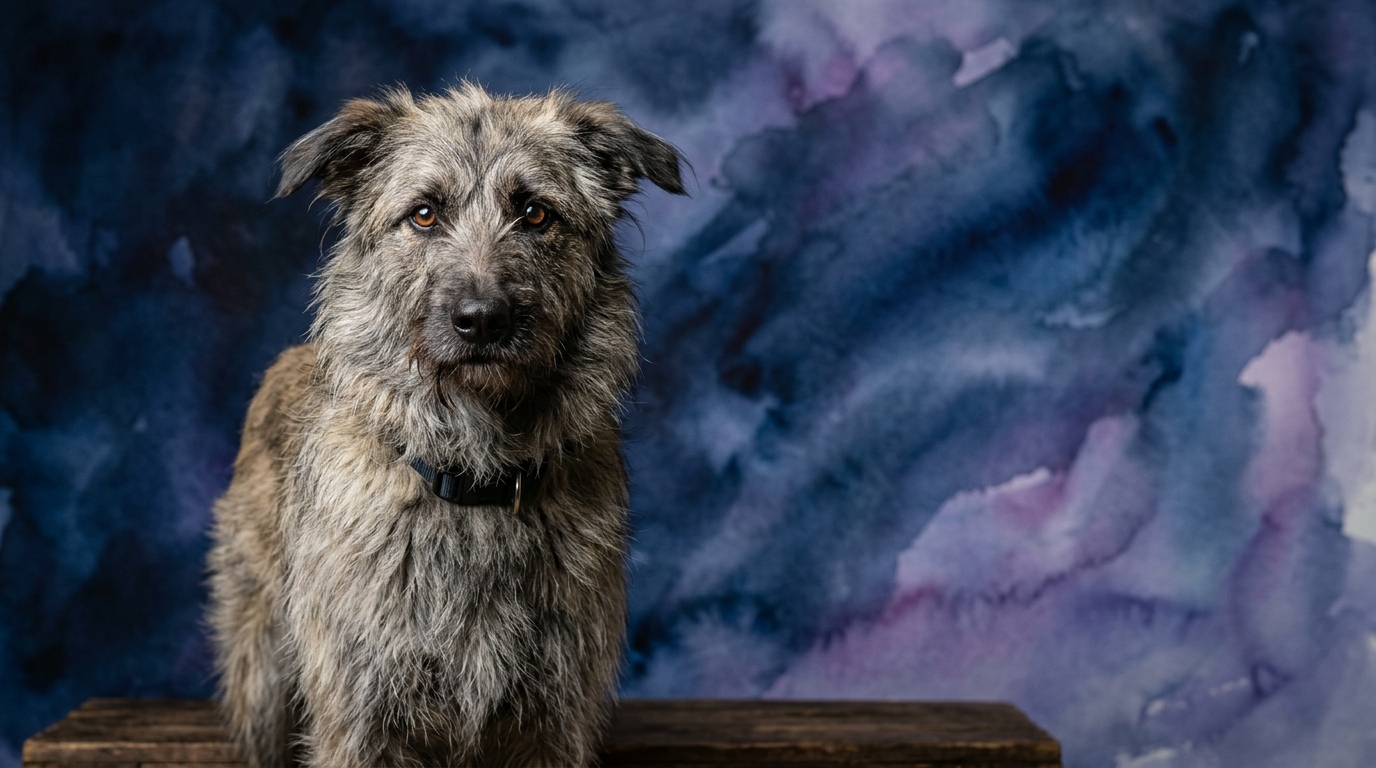
For the Pyrenean Shepherd, a breed deeply rooted in the rugged Pyrenees mountains as a herding dog, a 3/5 in Problem Solving reflects their capacity to independently assess and manage dynamic flock movements, anticipating escape routes or guiding sheep through challenging terrain. Their Training Speed at 3/5 indicates an eagerness to learn commands relevant to their herding duties, though their independent nature means they respond best to clear, consistent direction that respects their judgment. Social Intelligence at 3/5 highlights their nuanced communication with both their flock and handler, understanding subtle cues to maintain order, while often being reserved with strangers. An Instinctive Drive of 3/5 points to their inherent herding impulse, a powerful motivation that requires channeling. Finally, their Memory at 3/5 allows them to retain complex herding patterns, remember individual sheep, and recall specific commands over long periods.
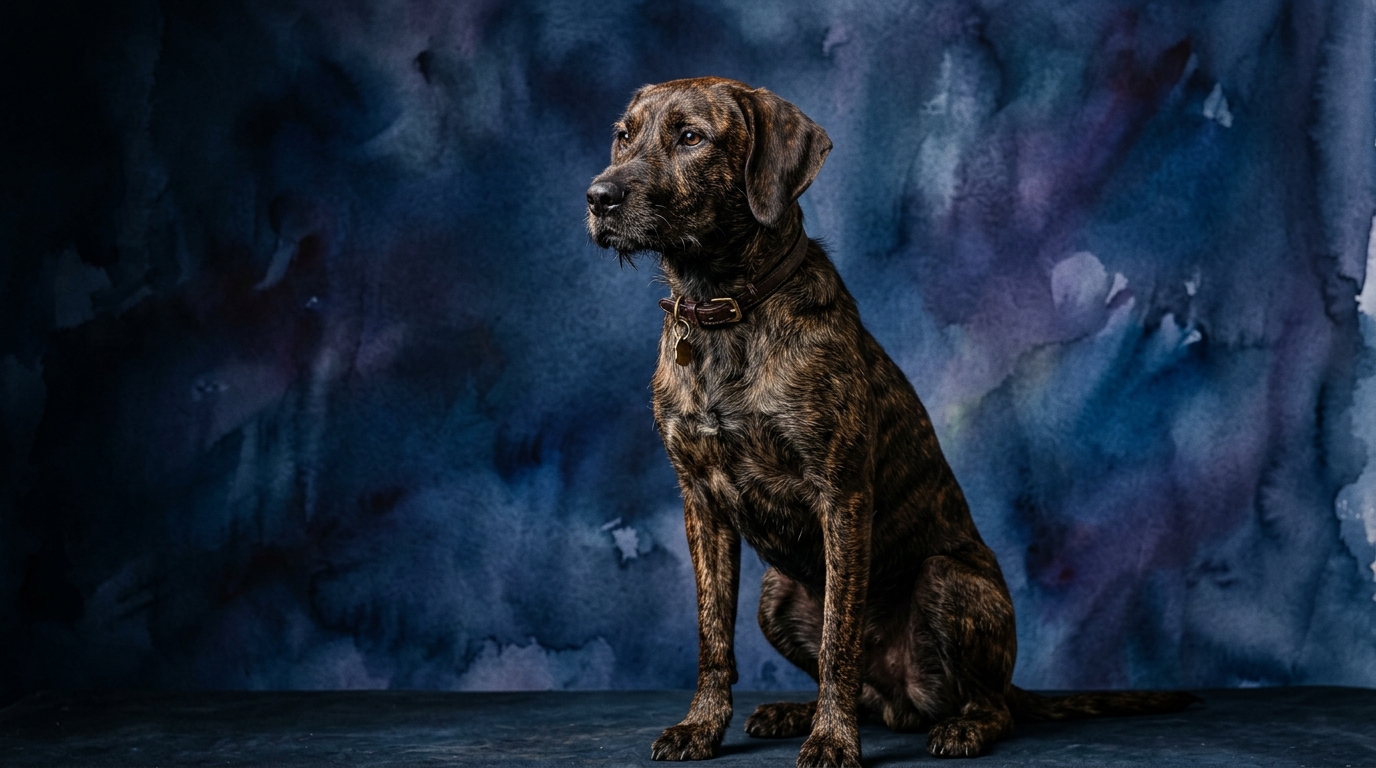
The Plott Hound, developed in the Appalachian Mountains for hunting large game like bear and wild boar, applies its 3/5 scores in a distinctly different manner. Their Problem Solving at 3/5 manifests as tenacious tracking, deciphering complex scent trails, and navigating dense wilderness to locate quarry. A Training Speed of 3/5 means they are capable learners, particularly when tasks align with their hunting instincts, though their single-minded focus on scent can make them seem less biddable in other contexts. Social Intelligence at 3/5 reflects their cooperative nature within a hunting pack, communicating effectively with fellow hounds and their human handler, exhibiting a generally amiable disposition. Their Instinctive Drive at 3/5 is an overwhelming scent and prey drive, an engine of endurance and focus. Their Memory at 3/5 enables them to recall specific scent patterns, remember successful hunting grounds, and retain the unique 'voices' of their pack mates during a chase.
Where the Pyrenean Shepherd Excels Cognitively
The Pyrenean Shepherd's cognitive strengths lie in their adaptive problem-solving within a fluid, ever-changing environment. Their 3/5 Problem Solving isn't just about following commands; it’s about making real-time decisions as a flock disperses or a predator approaches, often anticipating needs before the handler gives an explicit cue. This breed demonstrates a unique agility of thought, quickly processing visual and auditory information to adjust their strategy on the fly, a hallmark of their herding heritage. They excel at tasks requiring quick transitions and an understanding of spatial relationships, such as navigating obstacle courses or complex agility sequences, because their daily work involved similar mental gymnastics.
Furthermore, their 3/5 Social Intelligence is finely tuned to human-canine partnership in a working capacity. They demonstrate a keen ability to read their handler's body language and intent, often acting as a co-pilot rather than just a follower. This makes them particularly adept at sports like competitive obedience or rally, where precise, responsive teamwork is paramount. Their memory, also a 3/5, is excellent for retaining complex sequences of commands and routines, allowing for sophisticated cooperative endeavors.
Where the Plott Hound Excels Cognitively
The Plott Hound's cognitive prowess shines in its unparalleled ability to sustain intense focus on a singular, demanding task: tracking. Their 3/5 Problem Solving is exemplified by their relentless determination to unravel intricate scent puzzles, ignoring distractions and overcoming environmental challenges like rivers or rocky terrain to follow a cold trail. This isn't about quick, reactive decisions, but rather methodical, persistent deduction over long durations and distances. They possess an extraordinary capacity for sensory discrimination, able to differentiate subtle nuances in scent that are imperceptible to humans, a testament to their specialized intelligence.
Their 3/5 Instinctive Drive, channeled into scent work, endows them with incredible endurance and a single-minded dedication that few breeds can match. This drive fuels their independent problem-solving, as they must often work far ahead of their handler to locate quarry. The Plott Hound's memory (3/5) is particularly strong for scent profiles and terrain mapping, allowing them to recall specific trails or navigate familiar hunting grounds with uncanny accuracy. Their social intelligence (3/5) fosters excellent cooperation within a pack, understanding the roles and communications of other hounds during a pursuit, creating a cohesive hunting unit.
Which is Easier to Train and Why
When considering ease of training, the Pyrenean Shepherd generally presents a more straightforward path for the average owner, though not without its nuances. Their 3/5 Training Speed is bolstered by a desire to engage with their handler and a strong work ethic. They tend to be sensitive and responsive to positive reinforcement, quickly grasping new concepts when presented with clear, consistent methods. Their herding background means they are often attuned to human direction and appreciate having a job, which translates into a willingness to learn. However, their independent streak means training must be engaging and varied to prevent boredom or stubbornness.
The Plott Hound, while possessing a 3/5 Training Speed, requires a different approach due to their intense, independent, and scent-driven nature. Their profound instinctive drive means that once a compelling scent is detected, their focus can become singular, making recall or redirection challenging unless highly motivated. Training a Plott Hound demands immense patience, consistency, and the use of high-value rewards to compete with the allure of a captivating scent. While they can learn complex commands, particularly those related to hunting or scent work, their independence means they are less inclined to 'people-please' and more driven by their inherent purpose, making them a more challenging prospect for novice trainers or those seeking a highly biddable companion without a strong understanding of hound mentality.
Which Suits Active Owners vs. Relaxed Owners
Both breeds demand active engagement, but their ideal activities differ. The Pyrenean Shepherd is a high-energy dog requiring significant physical and mental stimulation daily. They thrive with owners who can provide structured activities like herding, agility, flyball, or long, varied hikes that challenge both their body and their quick mind. A relaxed owner will quickly find themselves with a bored, potentially destructive Pyrenean Shepherd.
The Plott Hound also requires an active lifestyle, but their needs are often centered around scent work and endurance. Owners should be prepared for long walks, runs, or ideally, opportunities for scent trailing or tracking. While they can be calm indoors after sufficient exercise, their powerful scent drive means they are not suited to owners who prefer sedentary activities or cannot commit to managing their natural instincts with consistent, purposeful outings.
The Verdict: When to Choose Each
The Verdict
Choose the Pyrenean Shepherd if you are an active, experienced owner seeking a responsive partner for dog sports, herding, or dynamic outdoor adventures who appreciates a dog's quick wit and collaborative spirit.
Opt for the Plott Hound if you are a patient, dedicated owner passionate about scent work, tracking, or hunting, and are prepared to manage a dog with unwavering focus and independent drive.
🧠 Find Your Pet's IQ Score
Our Pet IQ Lab assessment covers 25+ tests across 5 cognitive dimensions — personalized to your breed.
Take the Full IQ Test →Frequently Asked Questions
Do Pyrenean Shepherds and Plott Hounds get along with children?
Pyrenean Shepherds can be reserved but are generally good with respectful children if properly socialized, often taking on a protective role. Plott Hounds are typically amiable and tolerant, often forming strong bonds with children, though supervision is always advised due to their energy levels.
Are these breeds suitable for apartment living?
Neither breed is ideally suited for apartment living due to their high energy requirements and vocal tendencies, especially the Plott Hound's baying. Both need ample space to move and regular access to secure outdoor areas for exercise and mental stimulation.
What are the grooming needs for each breed?
The Pyrenean Shepherd has a medium-length coat that requires regular brushing several times a week to prevent matting, especially the long-haired variety. The Plott Hound has a short, dense coat that is low maintenance, needing only occasional brushing to remove loose hair and maintain coat health.