Side-by-Side IQ Profile: Pyrenean Shepherd vs. Toy Poodle
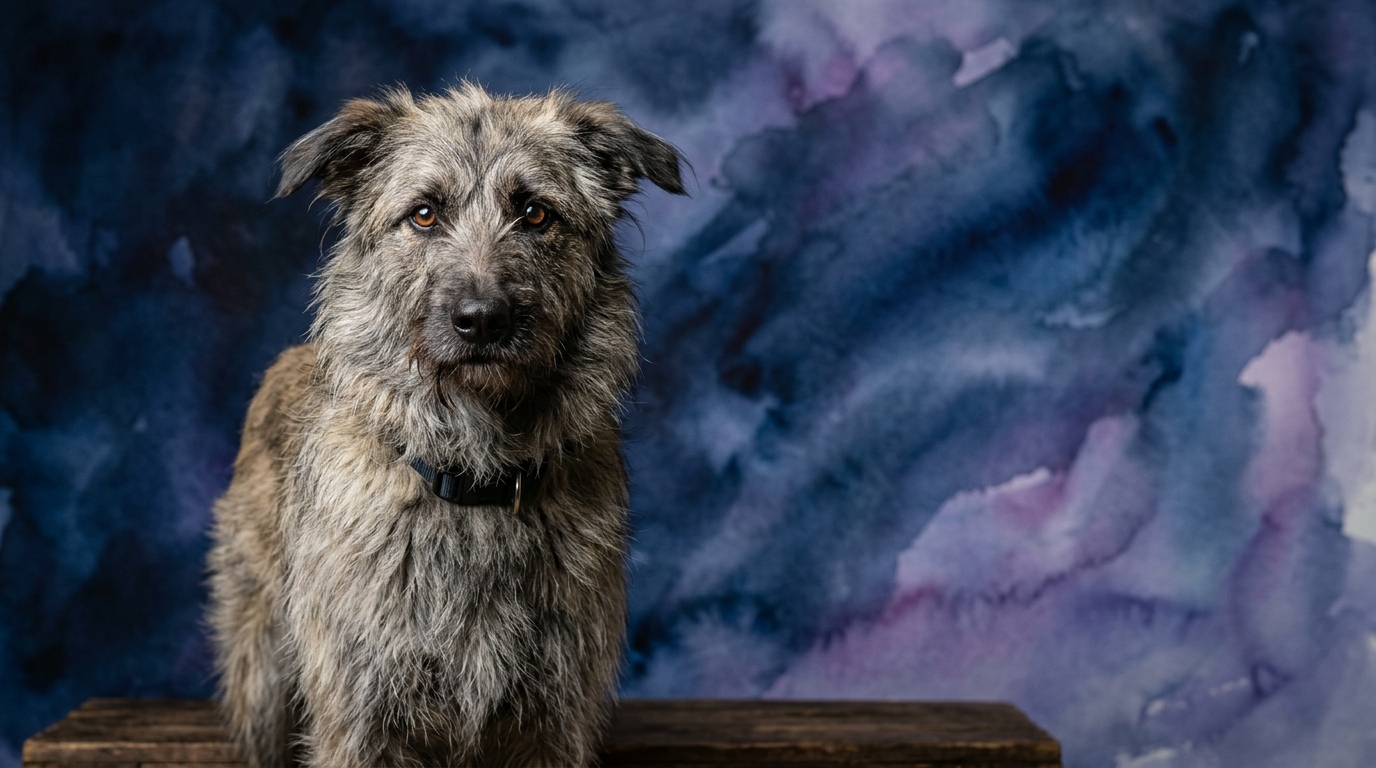
The Pyrenean Shepherd, a herding dog shaped by centuries of independent work, exhibits a balanced cognitive profile. Their Problem Solving is rated 3/5, indicating a solid capacity to navigate complex environments or novel situations, but perhaps not with the immediate flash of insight seen in some breeds. Training Speed at 3/5 suggests they grasp new cues at a steady, deliberate pace, requiring consistent reinforcement rather than rapid-fire learning sessions. Social Intelligence, also 3/5, means they generally understand human intentions and emotional states well enough for cooperation, though they might not always seek deep social connection in the same way some breeds do. Their Instinctive Drive, 3/5, points to a moderate natural inclination for tasks like herding, demonstrating a functional rather than overwhelming urge to perform specific jobs. Finally, Memory at 3/5 implies a reliable ability to recall learned behaviors and past experiences, but without the exceptional retention of more academically-oriented breeds.
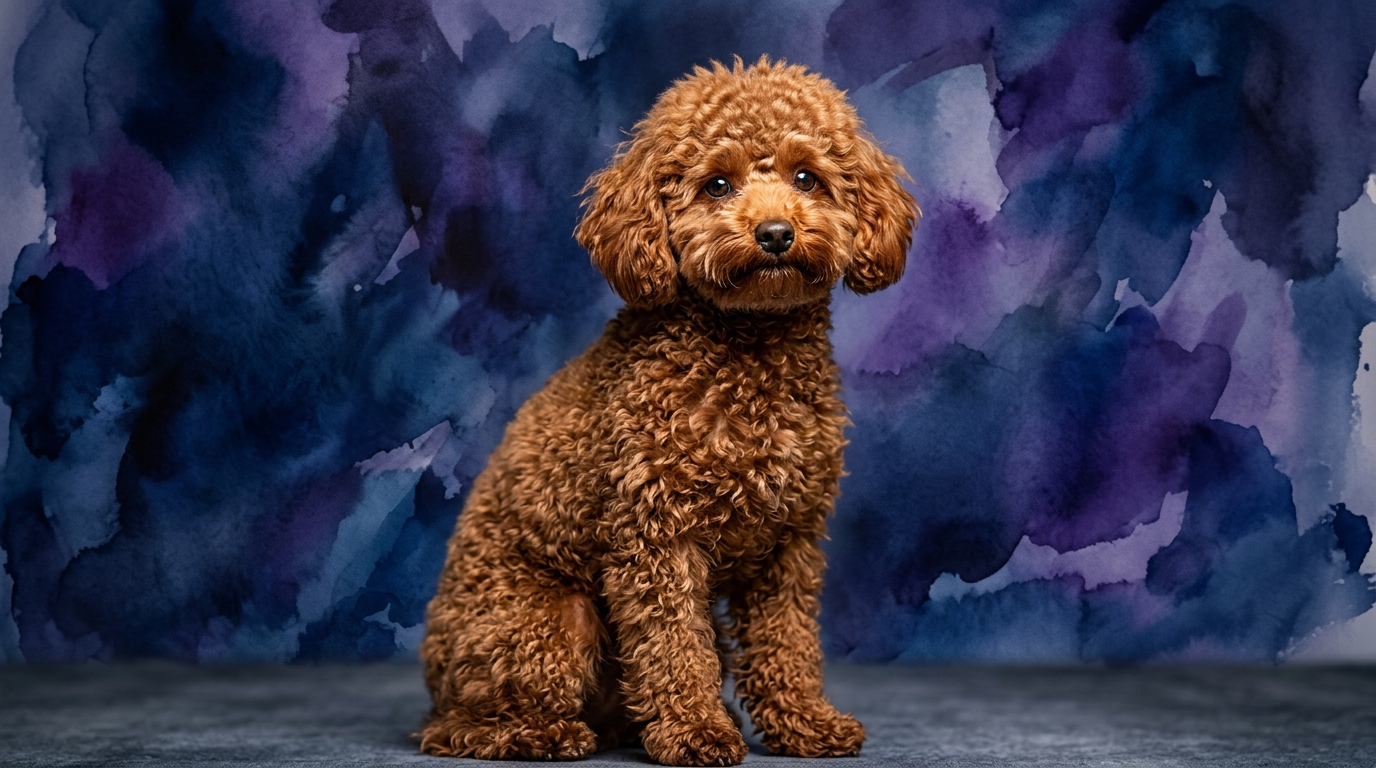
Far from just a pretty face, the Toy Poodle's cognitive abilities are strikingly different, particularly in areas related to learning and retention. Their Problem Solving stands at an impressive 5/5, showcasing an exceptional capacity to quickly assess and resolve new challenges, often finding creative solutions. Training Speed also hits 5/5, indicating they absorb new commands and routines with remarkable swiftness, making them highly responsive to instruction. Curiously, their Social Intelligence is rated 3/5, mirroring the Pyrenean Shepherd; they competently read human cues but might not possess an overwhelming drive for constant social interaction or emotional mirroring compared to some other companion breeds. Similarly, their Instinctive Drive is 3/5, suggesting a moderate, adaptable drive that can be channeled into various activities beyond their original water retrieving role, without being overly specialized. Their Memory, however, is a standout 5/5, demonstrating an exceptional ability to retain vast amounts of information, from complex trick sequences to past interactions, over long periods.
Where the Pyrenean Shepherd Excels Cognitively
While the Toy Poodle shines in specific cognitive areas, the Pyrenean Shepherd's strength lies in its balanced, practical intelligence, particularly suited for independent work and environmental awareness. Their 3/5 Instinctive Drive, while not extreme, is rooted in centuries of herding, giving them a practical, intuitive understanding of movement and control that a Toy Poodle's general drive might not replicate. This translates into a natural aptitude for tasks requiring spatial reasoning and a proactive, rather than reactive, approach to their environment, such as patrolling a perimeter or managing livestock. Their moderate Social Intelligence and problem-solving, combined with this instinct, allow them to make independent decisions based on their surroundings without constant human input, a trait less emphasized in breeds primarily bred for companionship or rapid obedience.
Where the Toy Poodle Excels Cognitively
The Toy Poodle's cognitive superiority is evident in its remarkable capacity for rapid learning and information processing. With a 5/5 rating in both Problem Solving and Training Speed, they demonstrate an unparalleled ability to quickly grasp complex concepts and apply them to novel situations, often showing an almost immediate understanding of new commands. This makes them exceptionally adaptable to diverse training regimens, from advanced obedience to intricate trick training or even canine sports like agility where quick thinking and execution are paramount. Their 5/5 Memory further solidifies this advantage, ensuring that once a lesson is learned, it is deeply ingrained, allowing them to build an extensive repertoire of behaviors and recall them reliably, a stark contrast to the Pyrenean Shepherd's more moderate retention.
Training Aptitude: Which is Easier to Train and Why?
Based on their cognitive profiles, the Toy Poodle is demonstrably easier to train for a wider range of tasks, particularly those involving complex obedience, tricks, and rapid skill acquisition. Their 5/5 Training Speed means they pick up new commands with remarkable swiftness, often requiring fewer repetitions than the Pyrenean Shepherd (3/5). This is complemented by their 5/5 Problem Solving, allowing them to figure out what's expected of them quickly, even in novel situations, and their 5/5 Memory ensures these lessons stick. In contrast, the Pyrenean Shepherd's 3/5 Training Speed suggests a more deliberate learning curve, requiring patience and consistent, positive reinforcement. While capable of learning, they might not offer the immediate 'aha!' moments of a Poodle. Their herding background means they might also exhibit independent decision-making, which, while valuable in their original role, can be perceived as stubbornness in a traditional obedience setting, requiring a trainer to work with, rather than against, their natural drives. A Toy Poodle's adaptability and eagerness to learn for human approval often make the training process smoother and faster for most owners.
Matching Breeds to Owner Lifestyles: Active vs. Relaxed Owners
For active owners seeking a dynamic partner in learning and exploration, the Toy Poodle presents a compelling choice. Their cognitive agility (5/5 Problem Solving) pairs well with physical activity, making them excellent candidates for advanced dog sports like agility, flyball, or even rally obedience, where quick thinking and precise execution are prized. They thrive on mental stimulation as much as physical exercise, making them ideal for owners who enjoy teaching new things and engaging in varied activities. A Pyrenean Shepherd, while also active and requiring substantial exercise due to its herding heritage, suits owners who appreciate a dog with a more independent spirit and a functional drive. They are well-suited for hiking, long walks, or even working roles where their environmental awareness and moderate instinctive drive can be utilized. Relaxed owners might find either breed challenging if they underestimate their exercise and mental stimulation needs, but the Poodle's eagerness to please and trainability might make them slightly more adaptable to a less rigorous routine, provided they still receive adequate mental engagement. The Pyrenean Shepherd's 3/5 Social Intelligence and 3/5 Instinctive Drive suggest they are less overtly demanding of constant human interaction than some breeds, making them suitable for owners who value a loyal but slightly more self-sufficient companion, as long as their physical and mental needs are met through structured activities rather than constant close interaction.
The Verdict
Choose the Pyrenean Shepherd if you appreciate a dog with a balanced, practical intelligence, independent problem-solving skills, and a moderate, functional drive for activity and awareness, suitable for rural living or active outdoor lifestyles.
Choose the Toy Poodle if you seek a highly trainable companion with exceptional learning speed, problem-solving prowess, and memory, excelling in diverse dog sports and thriving on consistent mental challenges and interactive engagement.
🧠 Find Your Pet's IQ Score
Our Pet IQ Lab assessment covers 25+ tests across 5 cognitive dimensions — personalized to your breed.
Take the Full IQ Test →Frequently Asked Questions
Is the Pyrenean Shepherd difficult to train because it's not Coren-ranked?
No, not necessarily difficult, but different. While not Coren-ranked, indicating less emphasis on rapid obedience, their 3/5 training speed means they learn steadily. They may require more patience and consistency than a Toy Poodle, but they are certainly capable of learning a wide array of commands and behaviors.
Can a Toy Poodle participate in herding activities given its 3/5 instinctive drive?
While a Toy Poodle has a moderate instinctive drive (3/5), it's not specifically geared towards herding like a Pyrenean Shepherd's. They might enjoy activities that simulate herding or use their problem-solving skills, but their natural inclination for livestock control isn't as pronounced as a true herding breed's.
Do both breeds require a lot of mental stimulation?
Yes, both breeds benefit significantly from mental stimulation, though the type might differ. The Toy Poodle thrives on learning new tricks and advanced obedience (5/5 problem solving, 5/5 memory), while the Pyrenean Shepherd benefits from tasks that engage their practical problem-solving and environmental awareness (3/5 in these areas, plus herding instinct).