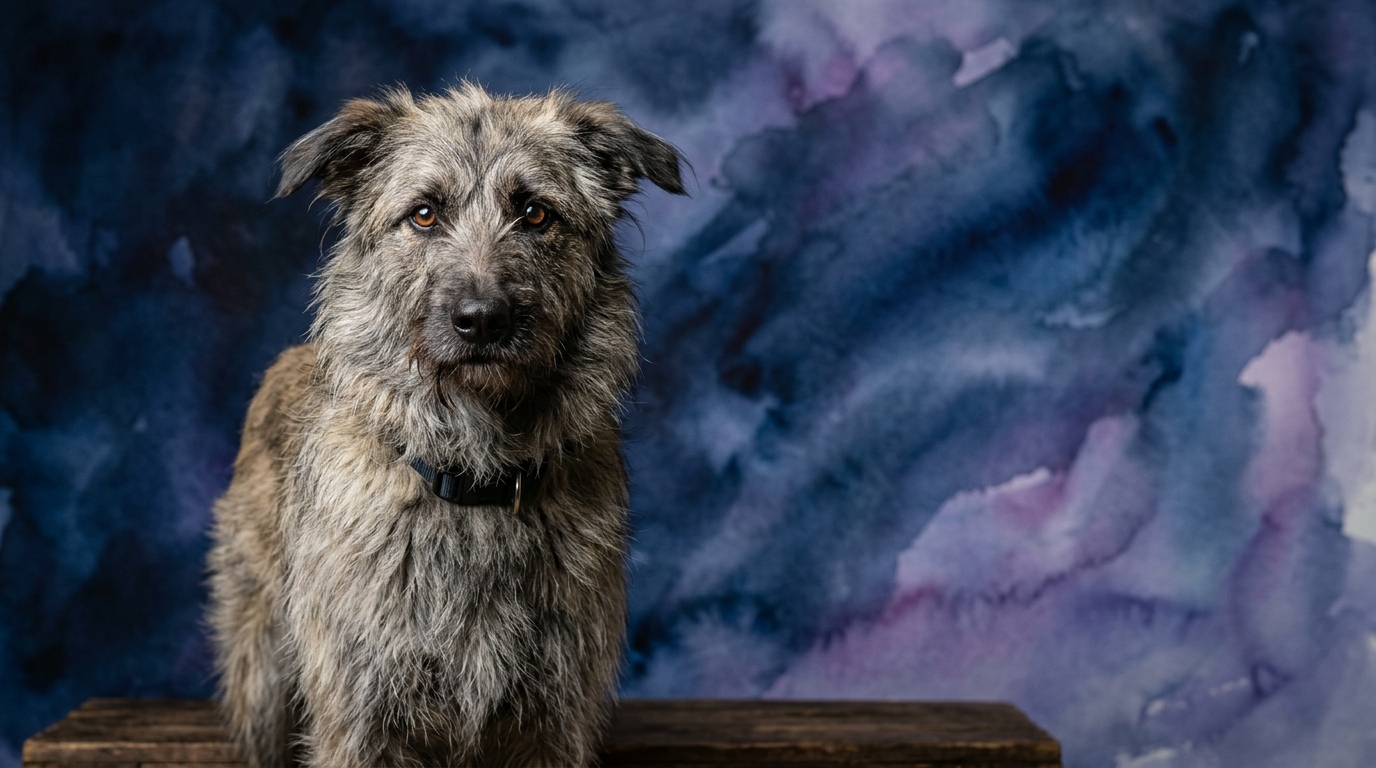
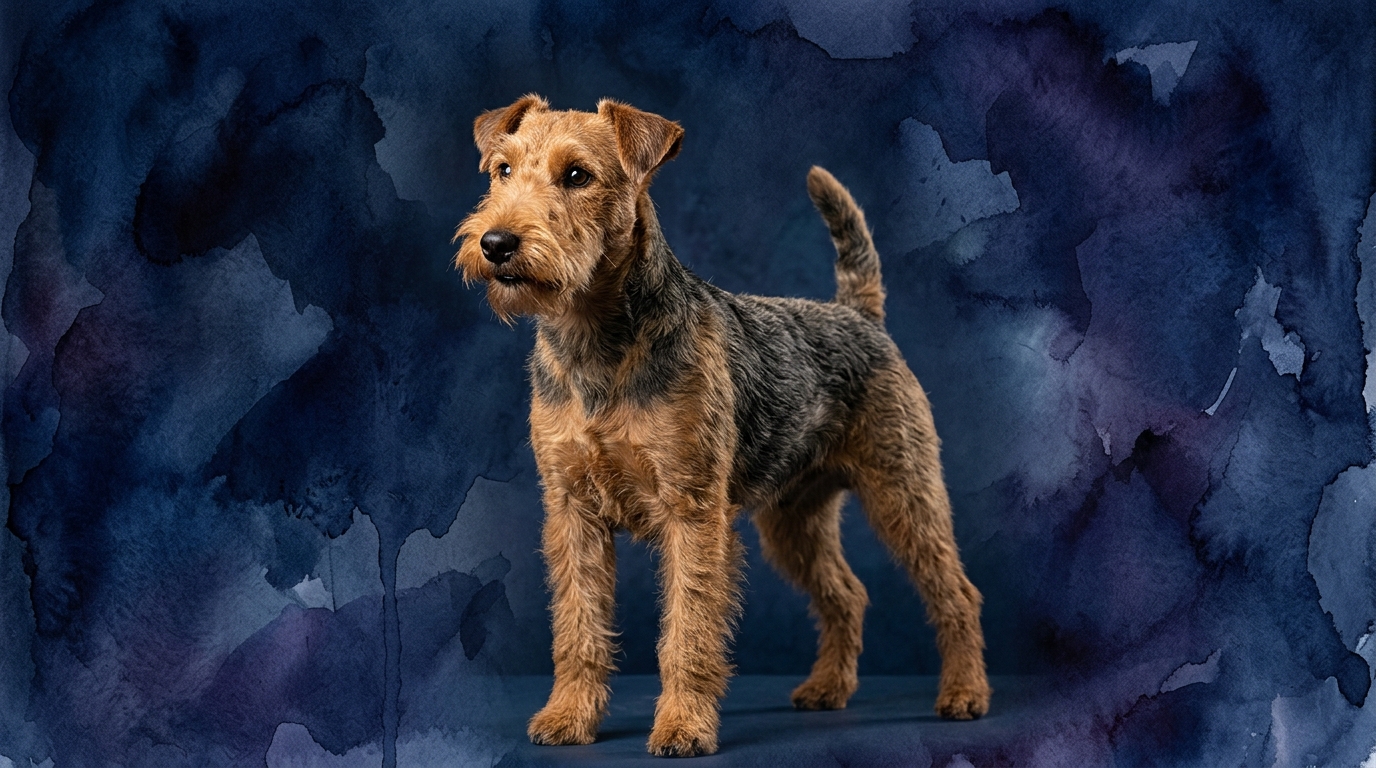
Side-by-Side IQ Profile: Pyrenean Shepherd vs. Welsh Terrier
**Problem Solving (3/5):** For the Pyrenean Shepherd, this score often manifests as strategic thinking in dynamic, open environments, such as anticipating livestock movement or finding efficient paths. They excel at figuring out complex sequences of tasks that involve environmental awareness and adaptation. The Welsh Terrier's 3/5 in problem-solving typically involves tenacity and resourcefulness in confined spaces or when pursuing a goal. They might excel at puzzles requiring manipulation or persistent effort to overcome obstacles, reflecting their historical role in digging and flushing.
**Training Speed (3/5):** Pyrenean Shepherds, with their herding background, often grasp new commands quickly when motivation aligns with their desire to work cooperatively. Their training speed is bolstered by a strong desire to please a trusted handler and engage in structured tasks. Welsh Terriers, while capable of learning at a good pace, often require more creative and engaging training methods. Their 3/5 training speed is influenced by a strong independent streak, meaning they learn best when tasks feel like a game or challenge, rather than rote instruction.
**Social Intelligence (3/5):** For a Pyrenean Shepherd, a 3/5 in social intelligence translates to a keen awareness of their human family's moods and intentions, and a cautious but observant approach to strangers. They often form deep, intuitive bonds with their primary caregivers, understanding subtle cues. The Welsh Terrier's social intelligence at 3/5 is often expressed through a lively, sometimes mischievous engagement with their inner circle, coupled with a confident, sometimes aloof, stance towards newcomers. They read social situations well but prefer to dictate the terms of interaction.
**Instinctive Drive (3/5):** The Pyrenean Shepherd's 3/5 instinctive drive is deeply rooted in their herding heritage, manifesting as a strong desire to gather, control, and protect. This drive can be channeled into various activities, from actual herding to agility or obedience, providing a clear purpose. A Welsh Terrier's 3/5 instinctive drive is primarily a prey drive, expressed through a powerful urge to chase, dig, and explore. This drive is a powerful motivator for independent action, making them persistent in their pursuits and sometimes challenging to recall from a 'hunt.'
**Memory (3/5):** Pyrenean Shepherds possess a solid 3/5 memory, particularly for routines, spatial layouts, and the specific cues associated with their work or daily life. They remember complex sequences of commands and the locations of various objects or boundaries. Welsh Terriers also demonstrate a 3/5 memory, often recalling past experiences, learned tricks, and the locations of interesting smells or hidden items with impressive accuracy. Their memory serves their investigative nature, helping them navigate and exploit their environment.
Where the Pyrenean Shepherd Wins Cognitively
Despite identical raw scores, the Pyrenean Shepherd's cognitive strengths shine in scenarios demanding adaptable, cooperative problem-solving over varied terrains. Their herding lineage primes them for tasks requiring foresight and the ability to manage multiple moving parts, whether it's guiding a flock or navigating an intricate agility course with precision. A Pyrenean Shepherd's 3/5 Problem Solving isn't just about finding a solution; it's about finding the *optimal* solution within a dynamic, often unpredictable context, frequently involving collaboration with a human partner. This also extends to their Social Intelligence; their understanding of human directives is often more nuanced, allowing them to anticipate needs rather than just reacting to explicit commands. For instance, a Pyr Shep might instinctively block a child from wandering too far from the group, demonstrating an application of their instinctive drive and social awareness that a terrier might not prioritize in the same way. Their memory excels at retaining complex sequences and environmental details vital for intricate tasks, allowing them to execute multi-step plans reliably and adapt them as circumstances change, making them highly effective in roles requiring strategic foresight.
Where the Welsh Terrier Wins Cognitively
The Welsh Terrier, while matching the Pyrenean Shepherd in raw scores, demonstrates cognitive triumphs in areas requiring singular focus, tenacious pursuit, and independent decision-making. Their 3/5 Problem Solving manifests as exceptional resourcefulness when faced with a contained challenge, such as figuring out how to retrieve a toy from a tight space, bypass a barrier to reach an intriguing scent, or outsmart a puzzle feeder. This is directly linked to their Instinctive Drive, which, while also 3/5, is geared towards independent hunting and exploration rather than cooperative herding. A Welsh Terrier's cognitive 'win' lies in their unparalleled determination to complete a self-assigned task, often requiring sustained effort and a certain disregard for alternative suggestions once a goal is fixed. Their memory is particularly sharp for locations of interest and previously successful tactics for overcoming obstacles, making them persistent and effective investigators of their environment. For an owner seeking a dog who can independently 'figure things out' with a strong will and a drive for personal conquest, the Welsh Terrier's specific cognitive architecture offers a unique advantage in navigating challenges on their own terms.
Which Is Easier to Train and Why
Determining which breed is 'easier' to train hinges on an owner's definition of ease and their training style, given both breeds score 3/5 in Training Speed. The Pyrenean Shepherd, with its herding background, generally leans towards a more eager-to-please disposition and a natural inclination for cooperative work. Their 3/5 Social Intelligence and Instinctive Drive are often channeled into tasks that involve working *with* a human, making them highly responsive to positive reinforcement and structure. They thrive on clear direction and a sense of purpose, quickly associating actions with desired outcomes. Conversely, the Welsh Terrier's 3/5 Training Speed is often tempered by its strong independent streak and deep-seated prey drive. Training a Welsh Terrier frequently requires more creativity, patience, and making the learning process feel like a fun challenge or a game. While they are fully capable of learning, their inherent drive to make their own decisions means they might question commands or prioritize an interesting scent over a recall. Therefore, for an owner who values a dog that readily accepts instruction and works as a team, the Pyrenean Shepherd might feel 'easier,' whereas the Welsh Terrier demands an owner who enjoys engaging a clever, independent spirit.
Which Suits Active Owners vs. Relaxed Owners
Both the Pyrenean Shepherd and Welsh Terrier are best suited for active owners, though the nature of that activity differs significantly. The Pyrenean Shepherd, with its Herding group lineage and balanced 3/5 scores across all dimensions, thrives on purposeful activity that engages both body and mind. This includes long hikes, agility, obedience, or even actual herding work, where their Problem Solving and Instinctive Drive can be fully expressed in a cooperative context. They need consistent mental and physical stimulation to prevent boredom and channel their energy productively. A relaxed owner might find a Pyr Shep's need for engagement overwhelming, potentially leading to unwanted behaviors. The Welsh Terrier, while smaller, also demands an active lifestyle, but one that caters to its Terrier instincts. Their 3/5 Instinctive Drive requires outlets for chasing, digging, and exploring. They excel at earthdog trials, long walks with plenty of sniffing opportunities, or vigorous play sessions. While they might tolerate a quiet evening, a lack of regular, stimulating activity will leave them restless and potentially destructive. Neither breed is a good fit for truly relaxed, sedentary owners; both require owners committed to providing consistent engagement that aligns with their historical roles.
The Verdict
Choose the Pyrenean Shepherd if you seek a highly engaged, cooperative partner for dynamic activities like agility or herding, valuing a dog that intuitively works alongside you and responds eagerly to direction.
Opt for the Welsh Terrier if you appreciate a spirited, independent companion who thrives on challenging puzzles, tenacious exploration, and engaging in activities that satisfy a strong, focused drive.
🧠 Find Your Pet's IQ Score
Our Pet IQ Lab assessment covers 25+ tests across 5 cognitive dimensions — personalized to your breed.
Take the Full IQ Test →Frequently Asked Questions
Do Pyrenean Shepherds and Welsh Terriers learn at the same pace?
While both breeds score 3/5 in Training Speed, their learning styles differ. Pyrenean Shepherds often excel with cooperative, structured training, while Welsh Terriers learn best through engaging, game-like challenges that appeal to their independent nature.
Which breed is better for a family with children, considering their social intelligence?
Both breeds score 3/5 in Social Intelligence, meaning they can integrate well into families, but with different nuances. The Pyrenean Shepherd's social awareness often translates to a protective, observant nature around family, while the Welsh Terrier is typically more boisterous and confident, requiring early socialization with children to ensure respectful interactions.
How do their instinctive drives impact daily life for an owner?
The Pyrenean Shepherd's herding drive (3/5) means they might try to 'gather' family members or other pets, requiring outlets like herding games or structured walks. The Welsh Terrier's prey drive (3/5) means a strong urge to chase small animals and dig, necessitating secure yards and consistent leash training to manage these natural tendencies.