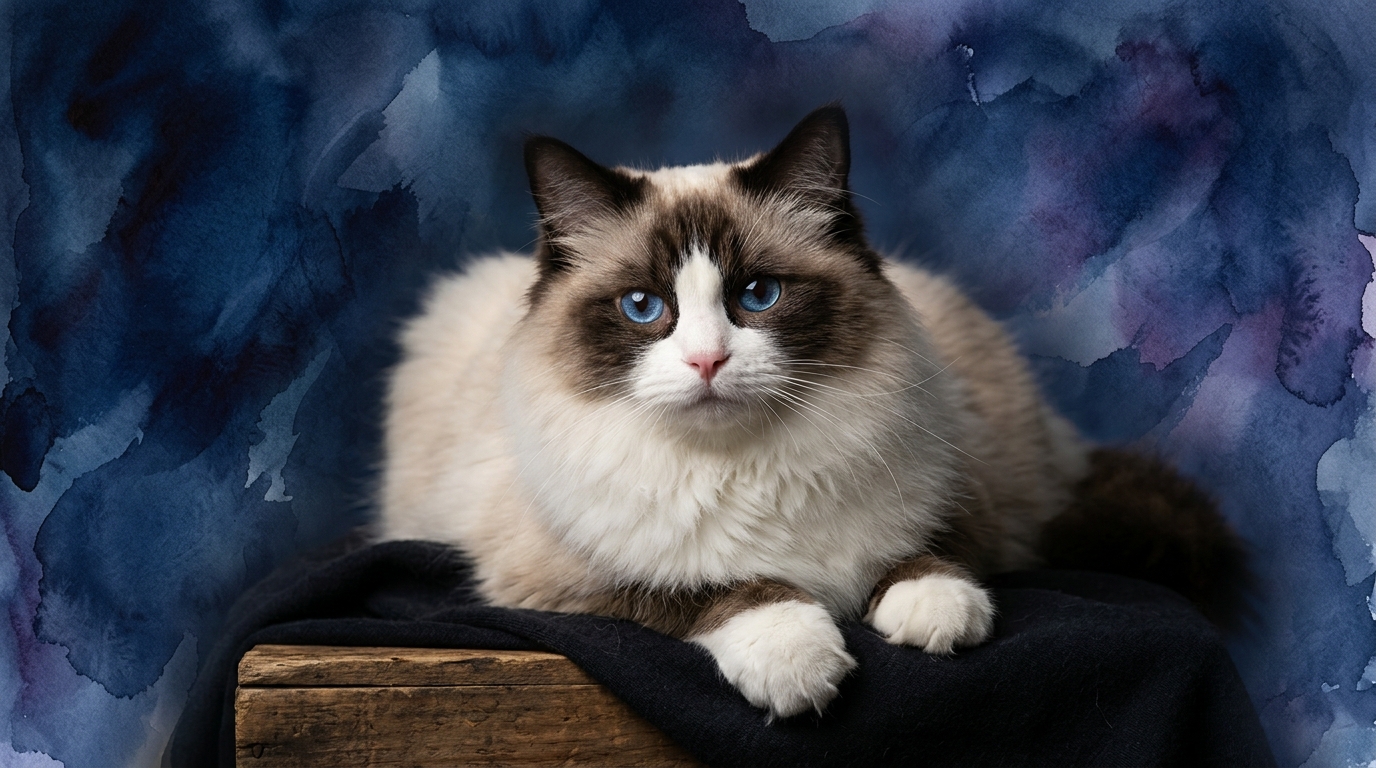
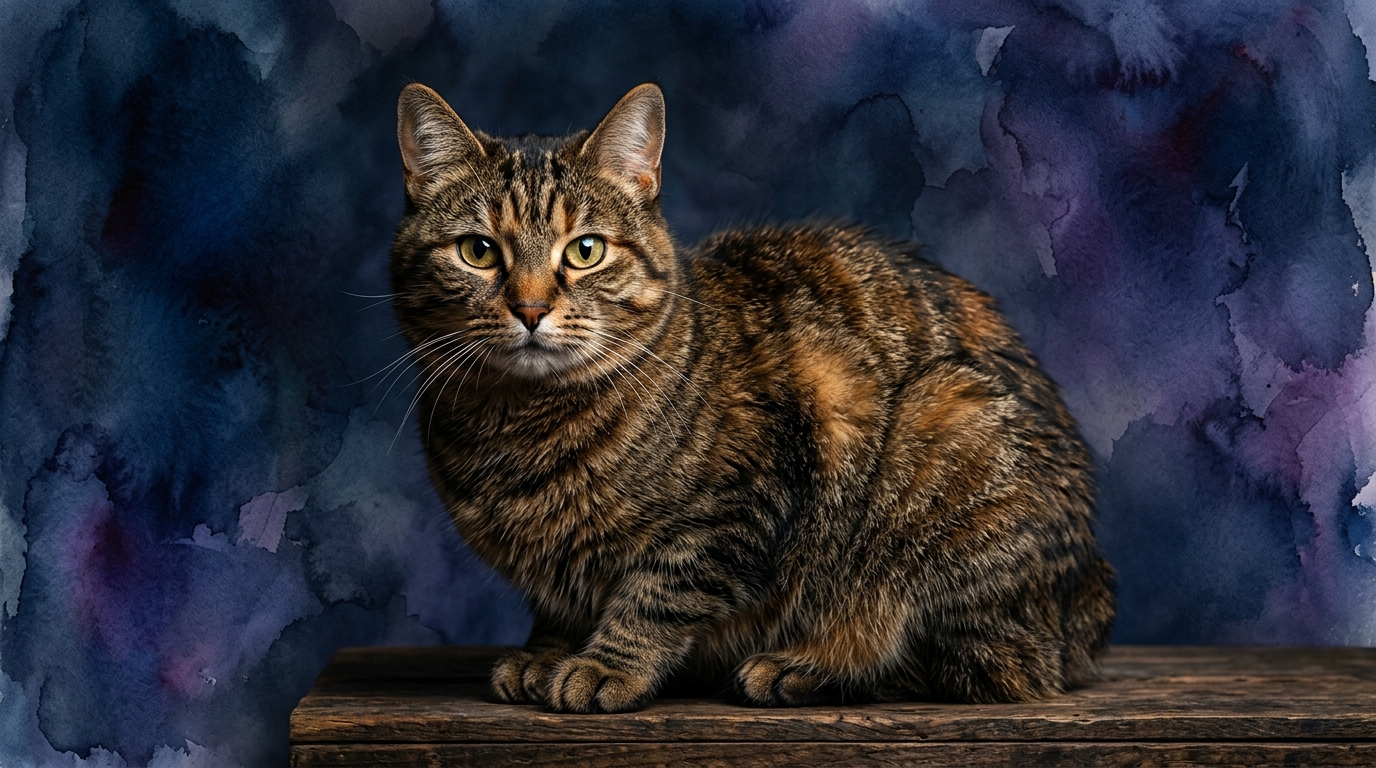
Side-by-Side IQ Profile: Ragdoll vs. Manx
Our Cosmic Pet Pet IQ Lab evaluates feline cognition across five critical dimensions. The Ragdoll scores 3/5 in Problem Solving and Training Speed, indicating moderate abilities in navigating challenges and learning routines. Their Social Intelligence is an impressive 5/5, reflecting exceptional attunement to human cues and emotions. A lower Instinctive Drive at 2/5 means less focus on primal urges, while Memory is 3/5, signifying typical recall.
In contrast, the Manx shares a 3/5 in Problem Solving, Training Speed, and Memory with the Ragdoll. However, its Social Intelligence is 3/5, suggesting strong bonds but less nuanced human attunement. The Manx's Instinctive Drive is higher at 3/5, pointing to a more robust natural inclination for exploration and predatory play. These profiles reveal distinct cognitive priorities despite some shared scores.
Where Ragdoll Wins Cognitively
The Ragdoll's cognitive strength lies in its superior Social Intelligence (5/5 vs. Manx's 3/5). This translates into a profound capacity for understanding human intentions, moods, and subtle body language, making them exceptionally attuned companions. They often anticipate needs or offer comfort without explicit prompting, demonstrating remarkable interspecies communication. Their lower Instinctive Drive (2/5) further enhances this social focus, as they are less distracted by environmental stimuli that trigger primal urges. This allows their cognitive resources to be primarily directed towards social engagement, making them more present and responsive in interactions.
Where Manx Wins Cognitively
The Manx cat excels cognitively in its robust Instinctive Drive, rated 3/5 compared to the Ragdoll's 2/5. This higher drive signifies a pronounced natural inclination for exploration, hunting behaviors, and self-directed engagement with their environment. Manx cats are often more curious, investigating new spaces and engaging in predatory play. This strong drive suggests a cognitive framework keenly attuned to environmental stimuli, fostering resourcefulness and self-sufficiency. Their cognitive satisfaction often stems from independent discovery and interacting with their world through physical engagement, rather than solely human interaction.
Which is Easier to Train and Why
While both breeds score 3/5 in Training Speed, the Ragdoll holds an advantage due to its exceptional Social Intelligence (5/5). They are inherently more motivated to please their human companions, adept at interpreting cues, and thrive on positive reinforcement including social praise. Their lower Instinctive Drive (2/5) means fewer distractions from environmental stimuli, leading to more focused attention during training sessions.
The Manx, with its 3/5 Social Intelligence and 3/5 Instinctive Drive, is trainable but may require a different approach. Their attention can be more easily diverted by intriguing scents or movements. Training motivation might lean more towards tangible rewards like treats or play that incorporates their natural hunting instincts. While both learn, the Ragdoll's intrinsic desire for social harmony often translates into a smoother, more compliant training experience.
Which Suits Active Owners vs. Relaxed Owners
The Ragdoll, with its high Social Intelligence (5/5) and low Instinctive Drive (2/5), is ideal for relaxed owners who cherish consistent, affectionate interaction and a calm home. They thrive on being near their humans, finding cognitive satisfaction in social connection and predictable routines, requiring less intense physical stimulation. Owners seeking a tranquil, deeply bonded pet who is highly attuned to their presence will find a Ragdoll a perfect match, as they are less prone to seeking independent mischief.
Conversely, the Manx, with its robust Instinctive Drive (3/5) and solid Social Intelligence (3/5), suits more active owners. These cats possess natural curiosity and a desire for hands-on engagement with their surroundings. They benefit from regular interactive play that taps into their hunting instincts, such as wand toys or puzzle feeders. Owners who appreciate a cat with an independent spirit, a zest for home adventures, and are prepared to provide stimulating engagement will find the Manx a rewarding companion.
The Verdict
Choose a Ragdoll if you prioritize a deeply socially intelligent cat that thrives on constant human companionship, anticipates your moods, and prefers a calm, predictable environment, making them an ideal, affectionate companion.
Opt for a Manx if you appreciate a cat with a stronger independent streak, a more pronounced instinctive drive for exploration and play, and are prepared to engage them with stimulating activities that satisfy their natural curiosity.
🧠 Find Your Pet's IQ Score
Our Pet IQ Lab assessment covers 25+ tests across 5 cognitive dimensions — personalized to your breed.
Take the Full IQ Test →Frequently Asked Questions
Do Ragdolls get bored easily without constant play due to their lower instinctive drive?
Ragdolls, with their lower instinctive drive, are less prone to boredom stemming from a lack of intense physical activity compared to some other breeds. Their cognitive fulfillment often comes from social interaction and being part of the family routine, so consistent human presence and gentle interaction are usually sufficient to keep them content.
Can a Manx be as affectionate as a Ragdoll, despite their lower social intelligence score?
While a Manx's social intelligence score is lower than a Ragdoll's, they are still capable of forming deep, affectionate bonds with their owners. Their expressions of affection might be more independent or involve interactive play rather than constant physical closeness, but they certainly cherish their human companions and can be very loving.
Are Manx cats more prone to destructive behaviors due to their higher instinctive drive?
A higher instinctive drive in Manx cats means they have a greater natural urge to explore and engage with their environment, which can sometimes manifest as unwanted behaviors if not properly channeled. Providing ample interactive toys, scratching posts, and engaging play sessions can help satisfy these natural urges and prevent destructive tendencies.