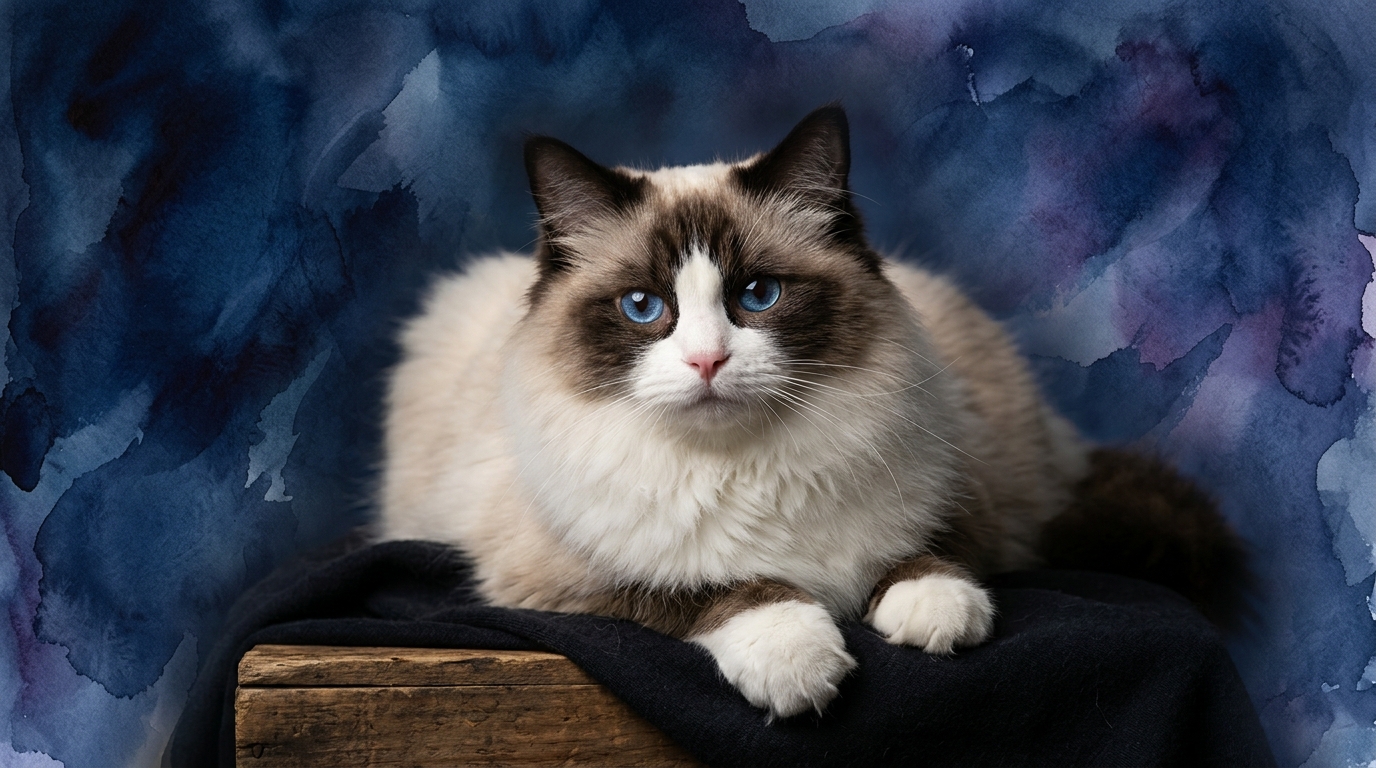
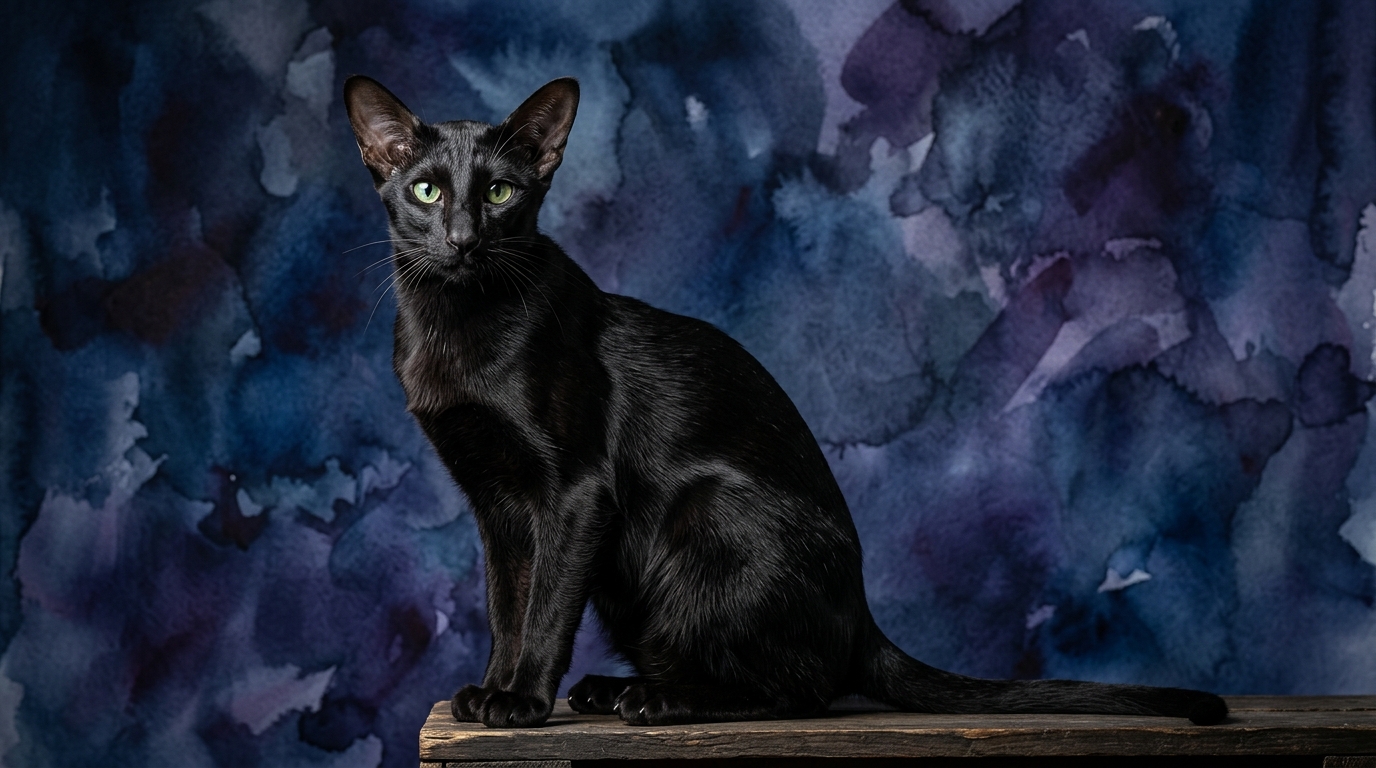
Side-by-Side IQ Profile
The Cosmic Pet Pet IQ Lab provides a structured framework for evaluating feline cognitive abilities across five key dimensions. Let's delve into how Ragdolls and Oriental Shorthairs measure up in each category, offering a specific look at their mental aptitudes.
For the Ragdoll:
Problem Solving (3/5): Ragdolls exhibit a moderate capacity for problem-solving, capable of navigating simple barriers to reach a desired item or understanding basic cause-and-effect. Complex multi-step puzzles, however, typically exceed their usual cognitive range.
Training Speed (3/5): This breed learns new commands and routines at a moderate pace. Consistent, positive reinforcement allows them to master basic tricks and adapt to leash training, with their cooperative nature often making the process enjoyable.
Social Intelligence (5/5): Ragdolls possess exceptional social intelligence, readily interpreting human cues and demonstrating a profound desire for companionship. They integrate deeply into family dynamics, often seeking out interaction and providing a comforting presence.
Instinctive Drive (2/5): Their intrinsic motivation for hunting, exploration, or territorial marking is relatively low. Ragdolls generally prioritize comfort and social interaction over intense predatory play or extensive environmental investigation.
Memory (3/5): Ragdolls maintain a moderate memory, recalling routines, familiar faces, and basic commands. They retain positive associations with people and experiences, contributing to their affectionate temperament.
For the Oriental Shorthair:
Problem Solving (3/5): Oriental Shorthairs show moderate problem-solving abilities, often manipulating objects to achieve goals or figuring out how to access desired areas. Their curious nature frequently leads to solutions through active trial and error.
Training Speed (3/5): Learning new behaviors and commands occurs at a moderate speed for Oriental Shorthairs. Their engaged personality responds well to consistent, reward-based training, though their independent streak may require creative persuasive techniques.
Social Intelligence (3/5): This breed demonstrates moderate social understanding, forming strong bonds with chosen humans and discerning moods. While appreciating interaction, they may not exhibit the constant need for close physical proximity seen in some other breeds.
Instinctive Drive (3/5): Oriental Shorthairs exhibit a moderate instinctive drive, manifested as a keen interest in hunting games, exploring new environments, and asserting their territory. This fuels their playful energy and active engagement with surroundings.
Memory (3/5): Their memory is moderate, enabling recall of preferred humans, routines, and locations of favored items. They retain learned behaviors and associate actions with consequences over a reasonable duration.
Where Ragdoll Wins Cognitively
The Ragdoll's most significant cognitive advantage lies in its unparalleled Social Intelligence, scoring a perfect 5/5 compared to the Oriental Shorthair's 3/5. This manifests as an exceptional ability to interpret human body language, vocal tones, and emotional states, allowing them to form incredibly deep, empathetic bonds. A Ragdoll frequently seeks out physical closeness and actively participates in family life, often acting as a comforting presence during times of stress, a direct result of their profound social awareness and desire for connection. Their cognitive processing is highly attuned to human interaction, making them incredibly responsive and intuitive companions who seem to anticipate their owner's needs or moods.
Where Oriental Shorthair Wins Cognitively
The Oriental Shorthair exhibits a slight cognitive edge in Instinctive Drive, rated at 3/5 against the Ragdoll's 2/5. This higher drive translates into a more pronounced natural curiosity, a stronger urge to explore their environment, and a greater engagement in predatory play. An Oriental Shorthair is more likely to actively hunt “prey” (toys), investigate every nook and cranny of a new space, and exhibit sustained interest in interactive games that mimic hunting scenarios. This cognitive inclination suggests a breed that thrives on mental stimulation derived from active engagement with its surroundings and a desire to “figure things out” through physical interaction and exploration.
Which Is Easier to Train and Why
Both breeds share a Training Speed score of 3/5, suggesting a moderate learning curve for new commands. However, the Ragdoll's superior Social Intelligence (5/5) can make them appear easier to train in specific contexts. Ragdolls are highly motivated by human approval and affection; their desire to please their owners means they respond exceptionally well to positive reinforcement through praise and petting, often eager to perform for attention. This social receptiveness can translate into a cooperative training partner, especially for behaviors that involve interaction. Conversely, while the Oriental Shorthair also learns at a moderate pace, their lower Social Intelligence (3/5) and higher Instinctive Drive (3/5) mean they might require more varied motivators, such as puzzle toys or engaging play, to maintain focus. Their curiosity might lead them to explore the training environment rather than solely focusing on the trainer, making consistent, reward-based methods crucial to channel their natural inquisitiveness into desired behaviors.
Which Suits Active Owners vs. Relaxed Owners
For active owners, the Oriental Shorthair presents a compelling choice. Their moderate Instinctive Drive (3/5) and keen curiosity mean they thrive on interactive play, exploration, and mental challenges. Owners who enjoy engaging their cat with puzzle feeders, regular play sessions, and even harness training for outdoor adventures will find the Oriental Shorthair a willing and energetic participant. Their moderate Social Intelligence means they appreciate interaction but may also enjoy independent exploration, making them suitable for owners who can provide consistent engagement without requiring constant physical closeness.
Conversely, the Ragdoll is an ideal companion for relaxed owners seeking a deeply affectionate and low-key feline presence. Their exceptional Social Intelligence (5/5) signifies a profound need for human companionship and a tendency to integrate seamlessly into a calm household routine, often preferring to lounge nearby. Their lower Instinctive Drive (2/5) means they are less prone to intense bursts of exploratory energy or demanding play, making them content with gentle interaction, cuddles, and observing household activities from a comfortable perch.
The Verdict
Select a Ragdoll if your primary desire is a deeply empathetic companion who actively seeks out human connection and thrives on close, affectionate interaction within a relaxed home environment.
Opt for an Oriental Shorthair if you seek an inquisitive and energetic feline partner who enjoys interactive play, actively explores its surroundings, and appreciates engaging mental challenges.
🧠 Find Your Pet's IQ Score
Our Pet IQ Lab assessment covers 25+ tests across 5 cognitive dimensions — personalized to your breed.
Take the Full IQ Test →Frequently Asked Questions
Do Ragdolls or Oriental Shorthairs learn tricks faster?
Both breeds have a Training Speed of 3/5, indicating a moderate learning pace. Ragdolls might seem more compliant due to their high social intelligence and desire to please, while Oriental Shorthairs might require more varied, play-based motivators to keep them engaged.
Which breed is more likely to get into mischief by opening cabinets?
While both have moderate problem-solving skills (3/5), the Oriental Shorthair's higher Instinctive Drive (3/5) and innate curiosity might make them more inclined to explore and manipulate their environment, potentially leading to more “mischievous” investigations of cabinets or drawers.
How do their social needs differ for owners who work long hours?
A Ragdoll's 5/5 Social Intelligence means they deeply crave human companionship and might struggle more with extended periods of solitude. An Oriental Shorthair, with 3/5 social intelligence, still enjoys interaction but may be more content with independent play and exploration during an owner's absence, especially if provided with engaging toys.