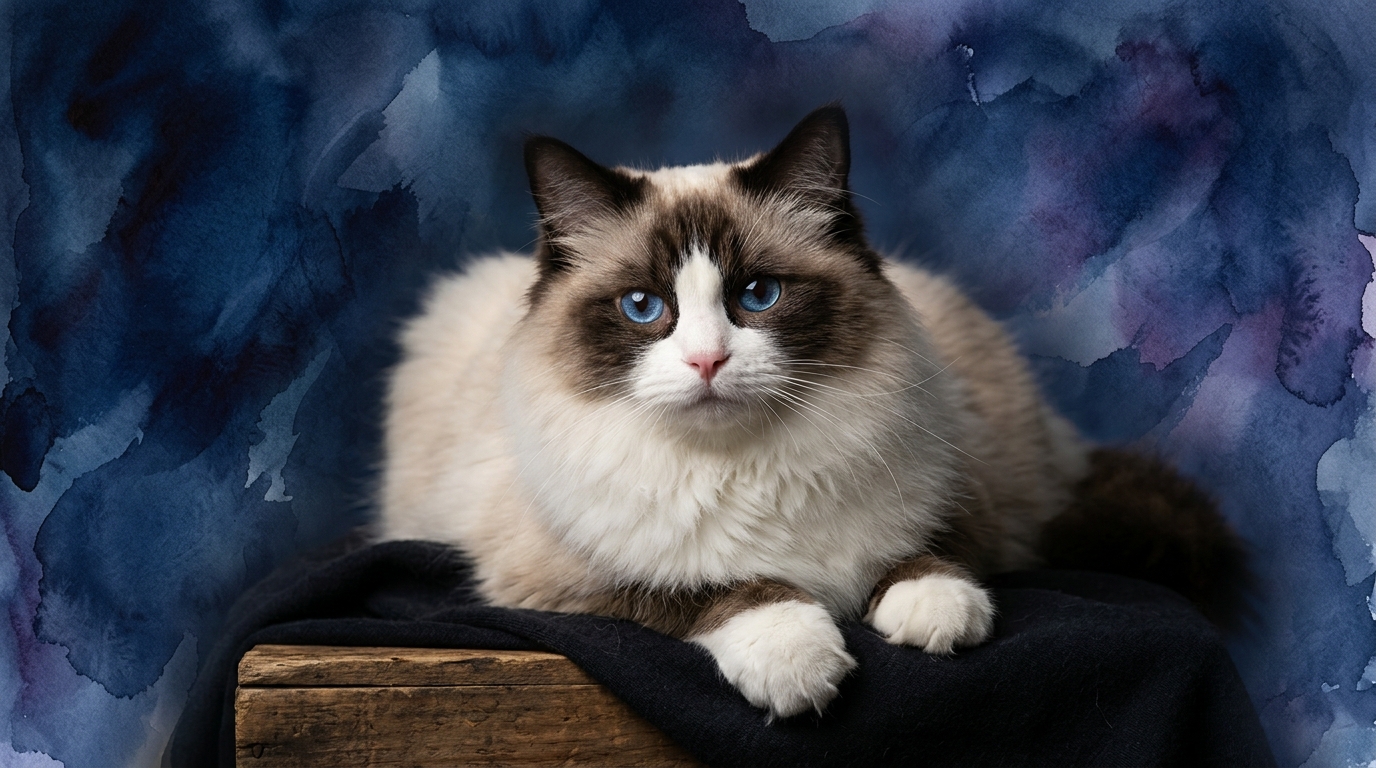
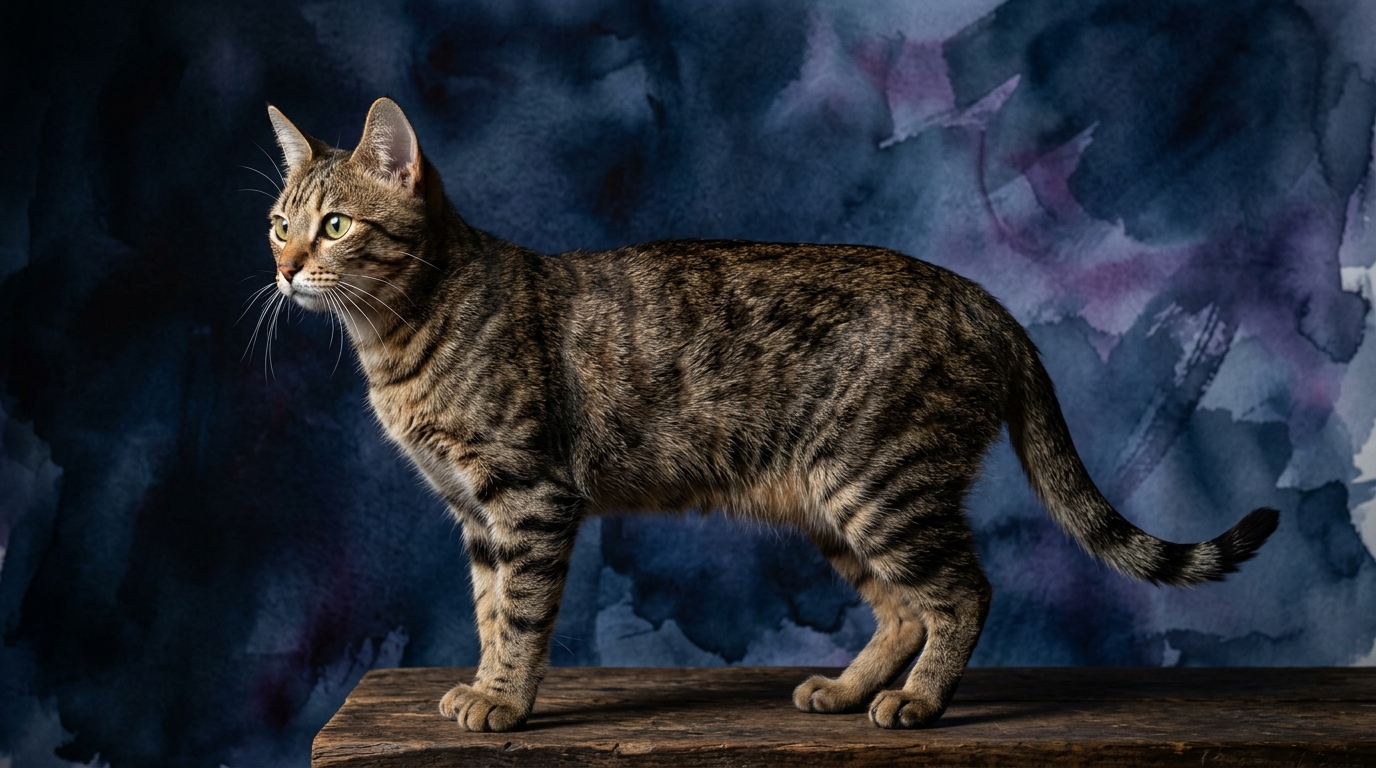
Side-by-Side IQ Profile: Ragdoll vs. Sokoke
The Ragdoll, a breed celebrated for its docile nature, presents a cognitive profile emphasizing connection. Our IQ metrics show a Problem Solving score of 3/5, indicating an average capacity for navigating novel situations or figuring out puzzles. Its Training Speed is also 3/5, suggesting a readiness to learn with consistent, positive reinforcement. Where the Ragdoll truly shines is in Social Intelligence, scoring an exceptional 5/5. This reflects a profound ability to form deep bonds, understand human emotional cues, and actively seek out interaction. Its Instinctive Drive is a modest 2/5, meaning it typically has a lower prey drive and less inclination towards independent exploration, preferring comfort and companionship. Memory stands at 3/5, allowing it to recall routines, preferred humans, and learned behaviors effectively.
In contrast, the Sokoke, a natural breed originating from Kenya, exhibits a more balanced and perhaps more independent cognitive makeup. Its Problem Solving score is 3/5, on par with the Ragdoll, demonstrating a solid ability to adapt to new environments and solve practical challenges. Similarly, its Training Speed is 3/5, implying an average responsiveness to training, potentially motivated by play or environmental enrichment. The Sokoke's Social Intelligence is 3/5, indicating it enjoys companionship but often with a more independent flair than the Ragdoll; it appreciates interaction without necessarily being as clingy. A key differentiator is its Instinctive Drive, rated at 3/5. This suggests a more active, curious cat with a natural inclination for hunting-like play and exploring its surroundings. Its Memory score is 3/5, reflecting a reliable capacity to remember its territory, routines, and the people within its social circle.
Where the Ragdoll Wins Cognitively
The Ragdoll's standout cognitive strength lies unequivocally in its social intelligence, rated at a remarkable 5/5. This isn't just about enjoying human presence; it signifies a sophisticated capacity to perceive and respond to human emotions and intentions. A Ragdoll might notice subtle shifts in your mood, offering comforting presence or soliciting interaction precisely when it senses you need it. This deep attunement allows for incredibly nuanced communication, where a glance or a gentle nudge can convey complex desires or understanding.
This exceptional social acumen translates into a cat that often integrates seamlessly into family life, not just as a pet, but as a genuine companion. Their ability to form strong, lasting bonds means they are highly motivated by social rewards and positive human interaction. For owners seeking a cat that feels like an extension of their family, capable of engaging in a two-way emotional dialogue, the Ragdoll's cognitive predisposition for profound social connection makes it a unique and fulfilling choice.
Where the Sokoke Wins Cognitively
The Sokoke's cognitive advantages manifest primarily in its balanced blend of problem-solving and instinctive drive. While its problem-solving (3/5) matches the Ragdoll's, its higher instinctive drive (3/5 vs. Ragdoll's 2/5) suggests a cat that is more innately curious and driven to interact with its environment. This isn't just about physical activity; it implies a cognitive engagement with its surroundings, a natural inclination to explore, investigate, and perhaps even manipulate objects or situations to satisfy its curiosity.
This elevated instinctive drive can translate into a more self-sufficient and adaptable cat. A Sokoke might be more adept at entertaining itself with interactive toys, figuring out how to access interesting spaces, or engaging in complex play scenarios that mimic hunting. Their cognitive strength lies in a robust, independent engagement with the world, making them excellent candidates for owners who appreciate a cat with a strong sense of self and an innate drive to explore and interact dynamically with their territory.
Which is Easier to Train and Why?
When considering ease of training, both the Ragdoll and Sokoke share an average Training Speed score of 3/5, meaning neither is inherently quicker to pick up new commands. However, the *approach* to training and the *types* of training they excel at differ due to their divergent social intelligence and instinctive drives. The Ragdoll, with its 5/5 social intelligence, often responds exceptionally well to training that leverages its desire for connection and approval. Positive reinforcement, especially when delivered with warmth and affection, is highly effective, as the Ragdoll values the social reward of pleasing its human.
Conversely, the Sokoke, with its 3/5 social intelligence and 3/5 instinctive drive, might be more motivated by training that taps into its natural curiosity and playful instincts. While it appreciates interaction, it might respond best to reward-based training involving food puzzles, interactive toys, or activities that simulate hunting. For instance, teaching a Sokoke to fetch might be more successful if the reward is a vigorous play session, whereas a Ragdoll might perform for a gentle stroke and verbal praise, demonstrating their different cognitive motivators.
Which Suits Active Owners vs. Relaxed Owners?
For relaxed owners seeking a calm, deeply affectionate companion, the Ragdoll is an ideal match. Its high social intelligence and low instinctive drive mean it thrives on companionship and often prefers quiet, indoor environments. These cats are content to lounge nearby, participate in gentle play, and offer comforting presence, making them perfect for those who enjoy a serene home life and value a pet that is deeply integrated into their daily rhythms without demanding constant activity or environmental stimulation.
Active owners, or those who appreciate a cat with a more independent and explorative spirit, might find the Sokoke more engaging. Its balanced social intelligence and average instinctive drive suggest a cat that enjoys play, exploration, and mental challenges. While they enjoy human interaction, they also possess a greater capacity for self-entertainment and may thrive in environments with more opportunities for climbing, puzzle toys, or supervised outdoor access, appealing to owners who lead a more dynamic lifestyle and wish for a cat that can keep pace.
The Verdict
Choose the Ragdoll if your primary desire is a deeply affectionate, highly socially intelligent companion who will integrate into a relaxed, companion-focused home life.
Opt for the Sokoke if you appreciate a cat with a robust, independent spirit, a moderate drive for exploration, and a balanced social presence that thrives on interactive play and environmental engagement.
🧠 Find Your Pet's IQ Score
Our Pet IQ Lab assessment covers 25+ tests across 5 cognitive dimensions — personalized to your breed.
Take the Full IQ Test →Frequently Asked Questions
Do Ragdolls enjoy playing games?
Yes, Ragdolls enjoy playing games, especially those that involve interaction with their humans. Due to their high social intelligence, they often prefer games that foster connection, such as gentle chasing of a wand toy or soft fetching, rather than highly independent hunting simulations. Their lower instinctive drive means they are less likely to engage in intense, prolonged play sessions on their own.
Are Sokokes good with other pets?
Sokokes, with their average social intelligence and balanced instinctive drive, can be good with other pets, particularly if introduced properly. Their natural curiosity and adaptability often allow them to integrate well into multi-pet households. However, their higher instinctive drive compared to a Ragdoll means they might engage in more active, chase-oriented play with other animals, which can be a good fit for similarly energetic companions.
How do their problem-solving skills differ in daily life?
Both breeds share a 3/5 problem-solving score, meaning their practical intelligence for tasks like navigating their home or understanding routines is similar. A Ragdoll might use its social intelligence to 'solve' problems by soliciting human help, whereas a Sokoke might rely more on its curiosity and instinctive drive to figure things out independently, such as opening a cupboard or reaching a high shelf.