
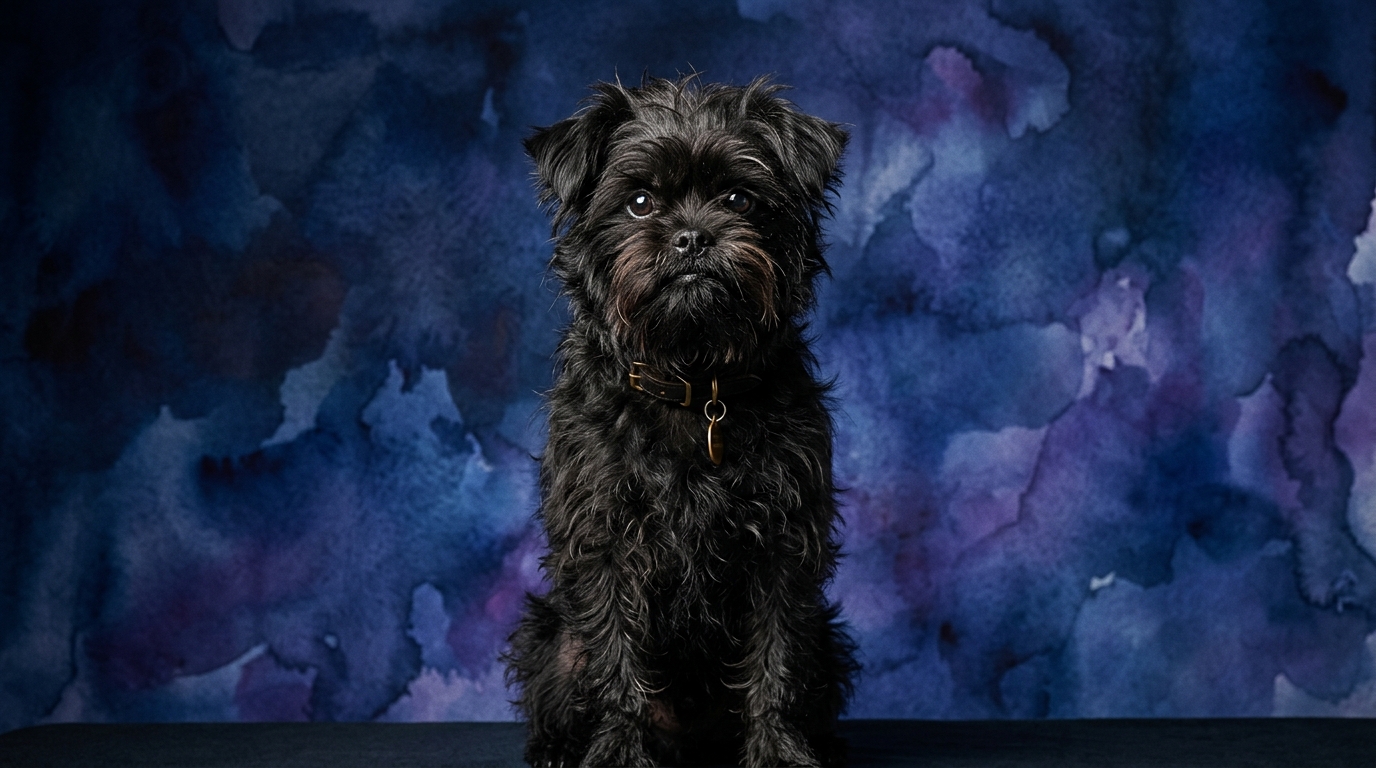
Side-by-Side IQ Profile: Interpreting the 3/5 Scores
A score of 3/5 across all cognitive dimensions signifies a balanced, capable intellect for both the Rat Terrier and the Affenpinscher. These breeds are not at the extremes of canine cognition but possess a robust, functional intelligence well-suited to their historical roles and modern companionship, indicating they can learn effectively, adapt, and engage, though perhaps not with the lightning speed or complex abstraction of higher-scoring breeds. The key to understanding their intelligence lies in how these capacities manifest within their unique breed contexts.
For the Rat Terrier, a 3/5 in problem-solving often manifests as resourcefulness in practical, often physical, scenarios, excelling at figuring out how to navigate obstacles, locate hidden objects, or manipulate simple mechanisms, reflecting its background as an independent working dog. Its 3/5 training speed means it learns new commands and routines at a respectable pace, receptive to consistent instruction, especially when tasks align with its natural drives for activity and purpose. Social intelligence at 3/5 typically involves understanding cues within its immediate family unit, expressed through loyalty and protective instincts, allowing them to read human emotions adequately and form strong bonds. An instinctive drive of 3/5 translates to an active prey drive, a desire to explore, dig, and chase, fueling their engagement with the world and providing a strong intrinsic motivator. Finally, a 3/5 memory indicates a solid recall for routines, learned commands, and significant events or people, contributing to their reliability and ability to form lasting habits.
The Affenpinscher's 3/5 in problem-solving often translates to cleverness in navigating their human environment, figuring out how to get attention, open cabinets, or manipulate toys for maximum entertainment, showcasing a more domestically focused ingenuity tied to social outcomes. Its 3/5 training speed indicates it learns new tasks and behaviors at a steady rate, responsive to positive reinforcement and often motivated by a desire to please, though a mischievous streak can lead to selective hearing. Social intelligence at 3/5 signifies a strong capacity for intricate human-canine social bonding, adept at picking up on subtle human moods, anticipating needs, and engaging in reciprocal social play, making them highly attuned companions. An instinctive drive of 3/5 suggests a moderate but present expression of their toy breed heritage, often manifesting as a desire for companionship, playfulness, and sometimes territoriality, with primary drives revolving around interaction and comfort. With a 3/5 memory, Affenpinschers have a dependable recall for their human family, daily routines, and learned behaviors, enabling them to establish consistent habits and form deep, enduring relationships.
Where the Rat Terrier Wins Cognitively
Despite identical scores, the Rat Terrier's heritage as an active hunter imbues its cognitive processes with a distinct practical edge. Its problem-solving, rated 3/5, often involves a more physical and independent approach compared to the Affenpinscher, excelling at spatially mapping a complex outdoor environment, remembering the precise location of a burrow entrance or a scent trail over varied terrain, demonstrating robust spatial memory and navigational intelligence. Their instinctive drive, also 3/5, fuels a tenacious focus on a task, allowing them to persist through distractions when pursuing a perceived “prey” or objective, showcasing a focused determination that may not be as pronounced in a companion breed. This translates into a cognitive advantage in scenarios requiring sustained, self-directed investigation and physical resourcefulness.
Where the Affenpinscher Wins Cognitively
The Affenpinscher, while also scoring 3/5, often demonstrates a nuanced cognitive strength rooted in its companion role. Its social intelligence, rated 3/5, shines in its capacity for intricate human interaction, often displaying a sophisticated understanding of subtle human emotional cues and social dynamics within the home. An Affenpinscher might more readily discern changes in a family member's mood or respond to non-verbal requests, exhibiting a finer-tuned empathetic intelligence. Their problem-solving, though also 3/5, often focuses on social manipulation—figuring out how to solicit attention, initiate play, or gain access to desired comforts, demonstrating a cleverness primarily aimed at optimizing their human relationships. This breed's memory, also 3/5, is particularly adept at recalling intricate social routines and the specific preferences of individual family members, contributing to their role as a deeply integrated household member.
Which is Easier to Train and Why
Both breeds hold a 3/5 rating for training speed, implying a similar capacity for learning commands. However, the *ease* of training can differ based on their underlying motivations and behavioral tendencies. The Rat Terrier, with its moderate instinctive drive, often responds well to training that incorporates movement, scent work, or a clear “job” to do. Their independent nature, a hallmark of many terriers, means they might require more consistent reinforcement and creative approaches to maintain focus, especially if the task doesn't immediately appeal to their innate drives. Their problem-solving, focused on practical outcomes, means they learn best when the purpose of a command is clear and rewarding.
The Affenpinscher, while equally capable of learning, often thrives on training that strengthens the bond with their owner and provides mental engagement through interaction. Their social intelligence and desire for companionship make them responsive to positive reinforcement and praise, often eager to please. However, their playful, sometimes mischievous nature, born from their toy breed characteristics, can lead to occasional stubbornness or a preference for self-amusement over strict adherence to commands. Training success with the Affenpinscher often hinges on making the process enjoyable and reinforcing their social connection, rather than relying solely on task-based rewards. Therefore, while both learn at a similar pace, the Affenpinscher might feel “easier” for owners who prioritize relationship-based training and enjoy a dog that seeks human approval, whereas the Rat Terrier might be more rewarding for those who appreciate a dog that learns quickly for a clear purpose or game.
Which Suits Active Owners vs. Relaxed Owners
The choice between these two breeds depends significantly on an owner's lifestyle and their preferred level of engagement, even with similar cognitive scores. The Rat Terrier, despite its moderate 3/5 instinctive drive, possesses a strong need for physical activity and mental stimulation that aligns with its working heritage. An active owner who enjoys regular outdoor adventures, dog sports like agility, or engaging in scent work will find a Rat Terrier a willing and capable companion. Their problem-solving and memory benefit from environments that offer novelty and opportunities for exploration, making them well-suited for owners who can provide consistent, varied outlets for their energy and intellect.
Conversely, the Affenpinscher, with its similar 3/5 instinctive drive, expresses its energy more through bursts of playful interaction and a strong desire for companionship. While they enjoy walks and playtime, their primary cognitive needs are often met through close social engagement and participation in household activities. A more relaxed owner who enjoys indoor games, lap time, and teaching tricks within the comfort of their home might find the Affenpinscher a perfect fit. Their social intelligence thrives on consistent human interaction, making them ideal for owners who are present and willing to include their dog in daily life, providing mental stimulation through connection rather than extensive physical exertion.
The Verdict
Choose the Rat Terrier if you are an active owner seeking a resourceful, independent companion for outdoor activities, dog sports, or engaging in tasks that leverage their tenacious problem-solving and robust physical energy.
Choose the Affenpinscher if you prefer a charming, socially attuned companion who thrives on close human interaction, indoor play, and mental stimulation derived from being an integral, mischievous part of the family.
🧠 Find Your Pet's IQ Score
Our Pet IQ Lab assessment covers 25+ tests across 5 cognitive dimensions — personalized to your breed.
Take the Full IQ Test →Frequently Asked Questions
Do identical IQ scores mean these breeds are exactly the same in terms of intelligence?
No, identical scores of 3/5 indicate a similar capacity for intelligence across dimensions, but how that intelligence manifests differs significantly based on breed type and historical role. The Rat Terrier applies its intellect to practical tasks, while the Affenpinscher often uses its cleverness in social contexts.
Can a Rat Terrier live happily in an apartment like an Affenpinscher?
A Rat Terrier can adapt to apartment living if its significant needs for daily exercise and mental stimulation are consistently met through outdoor activities, training, and engaging play, which often requires more dedicated effort than for an Affenpinscher.
Are these breeds good with children, given their similar social intelligence scores?
Both breeds, with their 3/5 social intelligence, can be good with children, but their interactions differ. Rat Terriers may be more tolerant of boisterous play but need boundaries, while Affenpinschers, though affectionate, can be sensitive to rough handling and often prefer older, more respectful children due to their smaller size.