
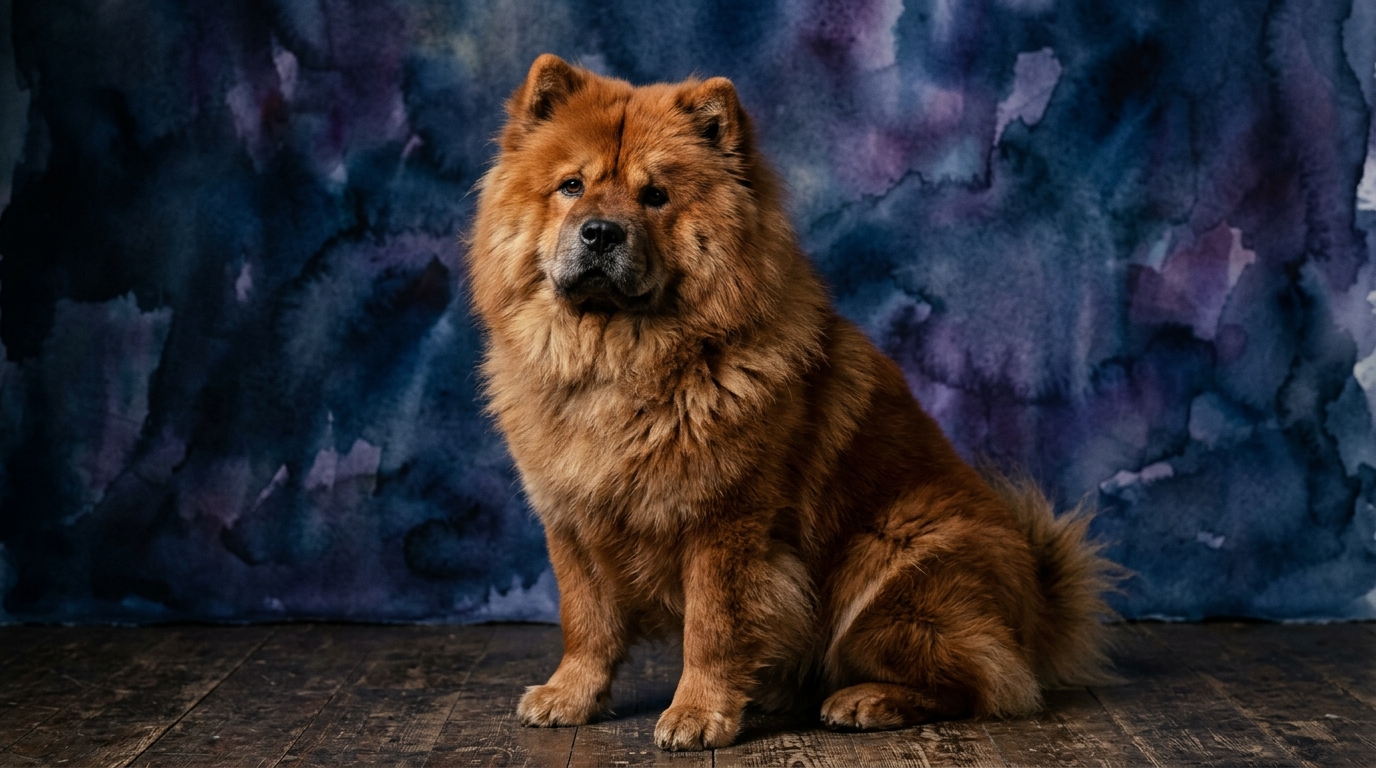
IQ Profile: Rat Terrier vs. Chow Chow
In The Cosmic Pet Pet IQ Lab, both the Rat Terrier and Chow Chow share a consistent score of 3/5 across five key cognitive dimensions, indicating competent but not exceptional abilities in each area. However, the *application* and *manifestation* of these scores differ significantly between the breeds, reflecting their unique histories and temperaments. Understanding these nuances is crucial for any prospective owner.
For the Rat Terrier, Problem Solving (3/5) indicates they are capable of navigating environmental challenges and figuring out basic puzzles, often with a trial-and-error approach driven by their keen curiosity. Training Speed (3/5) suggests they pick up new commands at a moderate pace, requiring consistent but not excessive repetition to solidify learning. Social Intelligence (3/5) means they generally understand human cues and can form strong bonds, though their independent terrier spirit can sometimes lead to selective listening. Instinctive Drive (3/5) points to a moderate prey drive, characteristic of their vermin-hunting origins, which translates to a keen interest in movement and scent. Memory (3/5) shows they reliably retain learned behaviors and routines over time, making them consistent once a skill is mastered.
The Chow Chow also scores 3/5 in Problem Solving, indicating they possess the capacity for independent thought and can assess situations, though their inclination might be to solve things on their own terms rather than seeking immediate human direction. Their Training Speed (3/5) suggests they learn new information at a steady rate, but their innate independence—reflected in their Coren ranking of #76 for obedience—can make compliance seem slower than their actual learning ability. Social Intelligence (3/5) means they grasp human intentions but often choose to engage selectively, forming deep bonds with their inner circle while remaining reserved and discerning with others. Instinctive Drive (3/5) highlights a strong guarding and territorial instinct, rather than a high prey drive, leading to a watchful and protective demeanor. Memory (3/5) shows they possess a solid capacity for retaining established routines, boundaries, and social interactions within their trusted environment.
Where the Rat Terrier Excels Cognitively
The Rat Terrier's cognitive strengths are deeply rooted in their working heritage, manifesting as an agile and persistent intellect. Their 3/5 score in Problem Solving is often expressed through their quick adaptability to novel situations and their ability to devise solutions to immediate physical challenges, like navigating complex obstacle courses or figuring out how to retrieve a hidden toy. This isn't just about raw brainpower; it's about a combination of curiosity and physical dexterity that allows them to interact with their environment in a highly engaged way. Their moderate Instinctive Drive also means they can maintain focus on a task, especially if it involves chasing or manipulating objects, making them excellent candidates for dog sports like agility or earthdog trials where quick decision-making and sustained effort are paramount. Their eagerness to engage, a facet of their Social Intelligence, means they often *appear* to be quicker learners because they are more outwardly responsive and collaborative in training scenarios.
Where the Chow Chow Shines Cognitively
The Chow Chow's cognitive prowess, while more understated, is equally potent. Their 3/5 score in Problem Solving is best observed in their independent decision-making and their astute understanding of social hierarchies and boundaries. They are not typically dogs that will eagerly seek out puzzles to solve for human entertainment; instead, they apply their cognitive skills to assess situations and act in ways that align with their own perceived best interest or the protection of their home and family. Their strong Memory (3/5) allows them to establish and adhere to complex household routines and social rules with unwavering consistency, making them reliable guardians once they understand their role. This breed's Social Intelligence, while reserved, is profound within its chosen inner circle, allowing them to detect subtle shifts in human mood and react with quiet empathy or protective vigilance, demonstrating a nuanced understanding of their environment and its inhabitants. Their intellect is more about measured assessment and calculated action than boisterous enthusiasm.
Training Dynamics: Rat Terrier vs. Chow Chow
When it comes to training, both breeds score 3/5 in Training Speed, yet their behavioral differences create distinct experiences. The Rat Terrier, with its moderate Social Intelligence and eagerness to engage, typically approaches training with a cooperative spirit. They absorb commands at a steady pace and, while they might have moments of typical terrier stubbornness or distraction due to their moderate Instinctive Drive, their general desire to please and participate makes them responsive learners. They thrive on positive reinforcement and consistent, engaging sessions that tap into their natural curiosity and problem-solving skills. Their moderate Memory ensures that once a command is learned, it tends to stick, making them relatively straightforward to teach a wide repertoire of behaviors and tricks.
The Chow Chow, despite the same 3/5 Training Speed and Memory scores, presents a different training challenge due to its inherent independence and more selective social engagement. They *do* learn, and once they commit a command to memory, they remember it, but their willingness to *perform* is often conditional. Their low Coren ranking (#76) reflects this perceived uncooperativeness; they may understand exactly what you want but choose not to comply if they don't see the value or if the request conflicts with their own judgment. Training a Chow Chow requires immense patience, consistency, and a deep understanding of their motivations. Harsh methods are counterproductive, leading to resistance. Instead, building a strong, respectful bond and making training a rewarding experience on *their* terms is essential. They respond best to an owner who can earn their trust and convince them that compliance is a mutually beneficial endeavor, often by appealing to their strong routine and boundary-oriented memory.
Lifestyle Fit: Active Owners vs. Relaxed Owners
For active owners seeking a canine partner for adventures and mental stimulation, the Rat Terrier is an excellent match. Their combined scores of 3/5 in Problem Solving, Training Speed, and Instinctive Drive mean they thrive when given outlets for their energy and intelligence. They excel in activities like agility, flyball, or long hikes where their quick reactions and sustained focus can be utilized. An owner who enjoys consistent training sessions, puzzle toys, and outdoor exploration will find a highly engaged and enthusiastic companion. Their moderate social intelligence makes them adaptable to various social settings, enjoying interactions with people and other dogs after proper socialization.
Conversely, the Chow Chow is better suited for more relaxed owners who appreciate a dignified, independent companion. While they still require consistent, moderate exercise to maintain physical health, their cognitive strengths are less about high-energy performance and more about calm observation and independent assessment. Owners who value a loyal, watchful presence and are content with a less overtly demonstrative dog will find the Chow Chow rewarding. Their independent nature means they are not typically demanding of constant attention, but they do require an owner who respects their boundaries and understands their unique communication style. Mental stimulation for a Chow Chow might involve quiet observation from a secure vantage point, scent games, or consistent reinforcement of established routines rather than high-octane brain games. They thrive in a stable, predictable environment with a strong, confident leader.
The Verdict: When to Choose Each Breed
Choosing between a Rat Terrier and a Chow Chow ultimately comes down to an owner's lifestyle, training philosophy, and desired canine companionship.
The Rat Terrier is an ideal choice for individuals or families seeking an active, cooperative, and intellectually engaged companion who thrives on consistent interaction, varied activities, and a structured training regimen. They are best for owners who appreciate a spirited dog eager to participate in daily life and who can provide ample mental and physical challenges.
The Verdict
Choose the Rat Terrier if you desire a dynamic, cooperative companion eager for mental and physical challenges, and you are prepared for consistent, engaging training and activities.
Opt for the Chow Chow if you appreciate a dignified, independent, and watchful companion, and you are willing to invest patience and respect into building a relationship based on mutual understanding rather than immediate obedience.
🧠 Find Your Pet's IQ Score
Our Pet IQ Lab assessment covers 25+ tests across 5 cognitive dimensions — personalized to your breed.
Take the Full IQ Test →Frequently Asked Questions
Are Rat Terriers good for first-time dog owners?
Yes, Rat Terriers can be suitable for first-time dog owners, provided they are prepared for a dog with moderate energy and an active mind. Their eagerness to please and moderate training speed make them responsive, but they do require consistent training and socialization from a young age to channel their terrier instincts effectively.
Do Chow Chows get along with other pets?
Chow Chows can coexist with other pets, especially if raised with them from a young age, but their strong guarding instincts and selective social intelligence mean they are not universally tolerant. Careful, early socialization and supervised introductions are crucial, and they often do best as the only dog or with a very confident, non-challenging companion.
How much daily exercise does each breed need?
Rat Terriers require a minimum of 45-60 minutes of vigorous exercise daily, including walks, playtime, and mental stimulation. Chow Chows need moderate daily exercise, typically 30-45 minutes of walking or controlled outdoor activity, as their dense coat makes them prone to overheating and their energy levels are generally lower.