Side-by-Side Cognitive Profiles: Rhodesian Ridgeback vs. PBGV
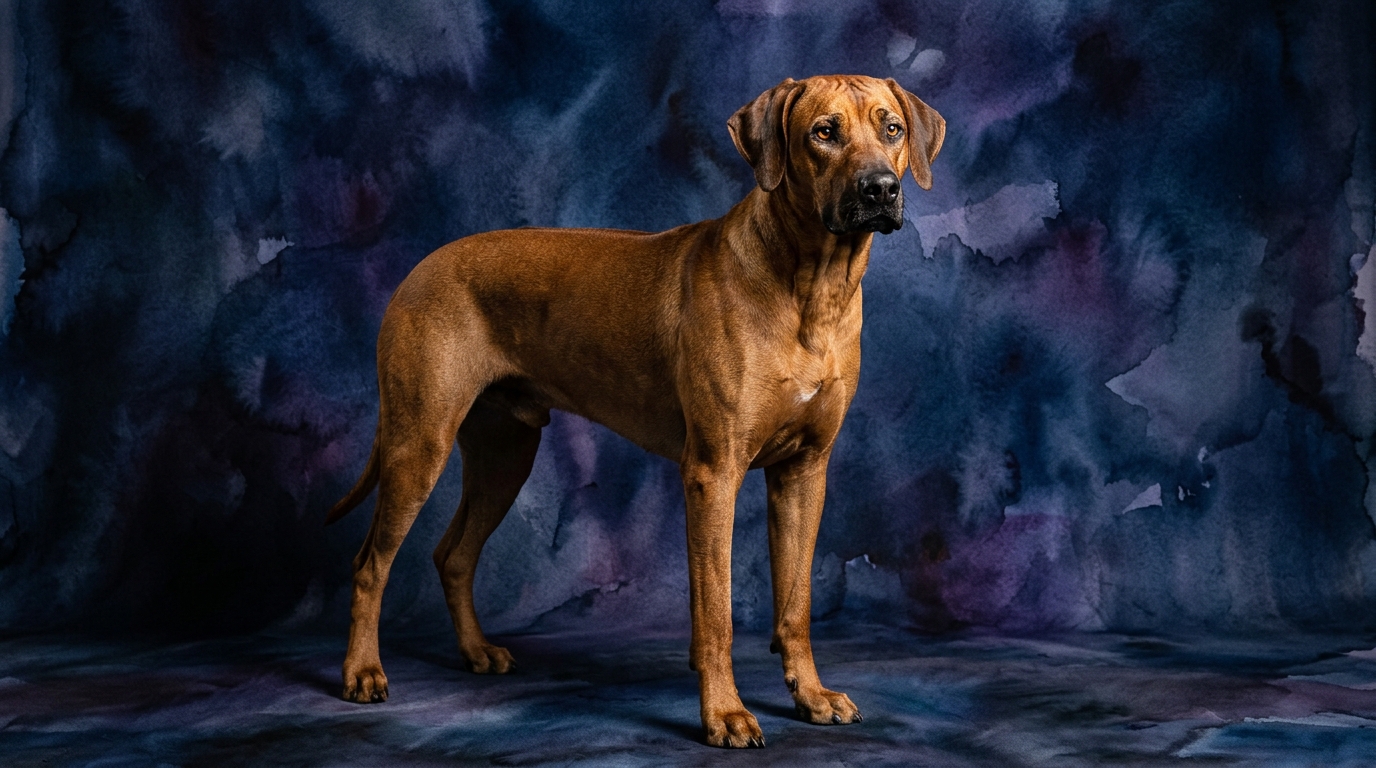
The Rhodesian Ridgeback, a dignified and powerful hound, holds a Coren rank of #52, reflecting a respectable level of working and obedience intelligence. Their Problem Solving ability, rated at 3/5, manifests in their historical role as strategic hunters and guardians, requiring them to assess situations and act decisively, often independently, when tracking large game or protecting their family. Training Speed, also 3/5, indicates they are capable learners but possess an independent streak that demands consistent, fair, and engaging methods to prevent boredom or defiance. Social Intelligence, at 3/5, highlights their deep loyalty to their inner circle and a discerning nature towards strangers, suggesting a capacity to read human cues within their trusted environment while maintaining a watchful demeanor. Their Instinctive Drive, 3/5, is powerfully geared towards prey pursuit and territorial defense, necessitating outlets for these primal urges. Finally, their Memory, rated 3/5, allows them to retain complex commands, understand routines, and recall past experiences, which is crucial for their protective and hunting roles.
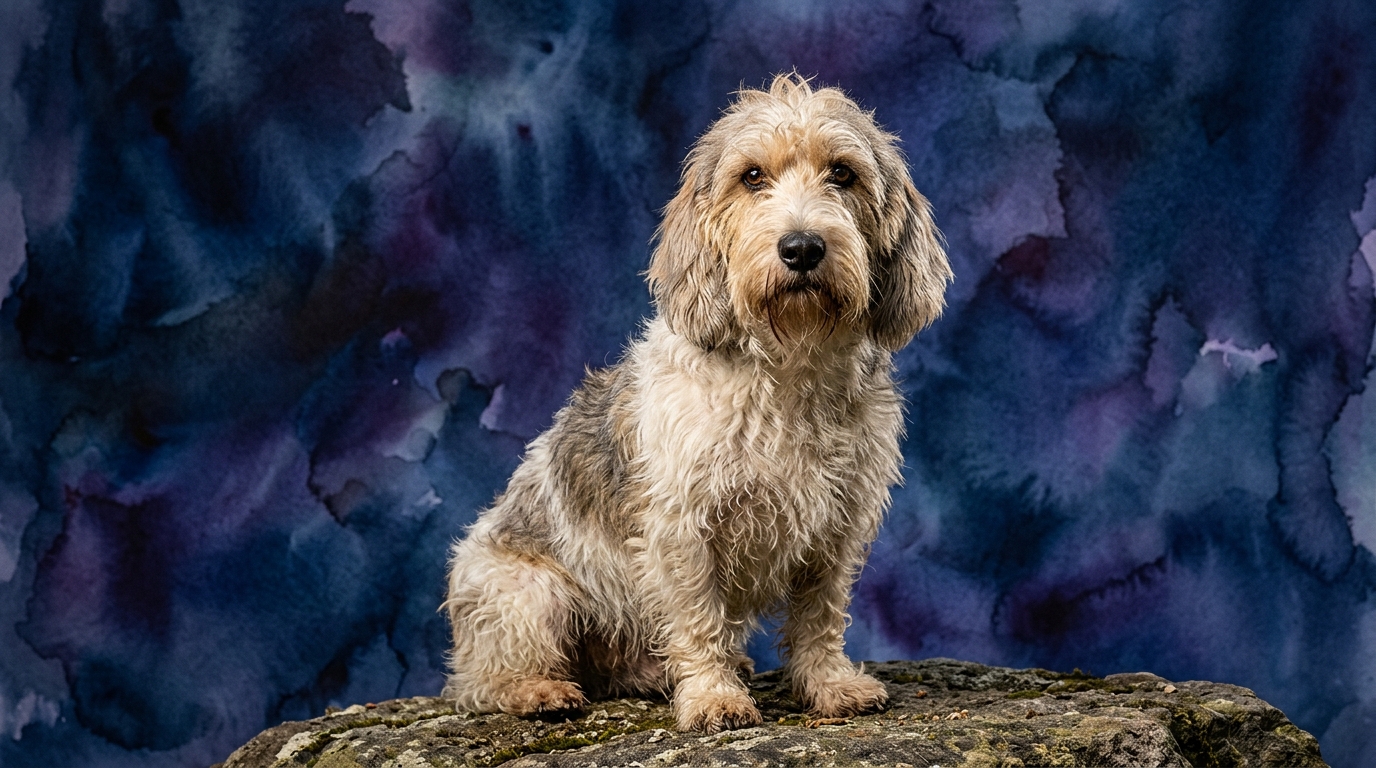
The Petit Basset Griffon Vendéen (PBGV), though not featured on Coren's list, exhibits a distinct cognitive profile shaped by its badger and rabbit hunting heritage. Their Problem Solving capacity, also 3/5, is primarily expressed through their extraordinary tenacity and resourcefulness in navigating complex terrain and deciphering intricate scent trails, requiring them to overcome obstacles with persistence and ingenuity. A Training Speed of 3/5 suggests they are certainly trainable, but their boundless enthusiasm and powerful olfactory distractions mean that keeping their focus requires patience, humor, and a highly motivating approach. Their Social Intelligence, also 3/5, shines through their gregarious and outgoing personality, allowing them to form strong bonds with family members and readily engage with new people and other dogs, thriving on social interaction. The PBGV's Instinctive Drive, rated 3/5, is overwhelmingly dominated by their scenting prowess, compelling them to follow a captivating odor with single-minded determination. Their Memory, also 3/5, is particularly adept at recalling specific scent patterns and the locations of interesting smells, alongside retaining familiar faces and routines within their lively domestic life.
Where the Rhodesian Ridgeback Wins Cognitively
When we delve into specific cognitive strengths, the Rhodesian Ridgeback often demonstrates an edge in strategic, independent problem-solving linked to complex decision-making under pressure. Their historical role demanded not just tracking, but also the ability to 'hold' dangerous game, which required a nuanced understanding of risk assessment and environmental awareness. This translates into a capacity for thoughtful observation and a deliberate approach to new situations, often evaluating before reacting. While their social intelligence is rated 3/5 like the PBGV, the Ridgeback's specific manifestation leans towards a discerning loyalty and protective intuition. They excel at recognizing subtle shifts in their environment or in human demeanor that might signal a perceived threat, making them adept at discerning friend from potential foe, a more complex social cognitive task than simply being gregarious. Their memory, while rated similarly, might be more geared towards recalling complex spatial layouts of their territory and the learned behaviors required for protection, rather than purely scent-based recall.
Where the Petit Basset Griffon Vendéen Wins Cognitively
Conversely, the Petit Basset Griffon Vendéen truly shines in areas demanding relentless focus on a sensory task and adaptable navigation. Their problem-solving, also 3/5, is a masterclass in persistence, where they will systematically work through a scent puzzle with an almost singular determination, often requiring them to overcome physical barriers or follow an elusive trail over varied terrain. This kind of cognitive fortitude, unwavering in the face of distraction (unless it's a *better* scent!), is a distinct strength. Their social intelligence, while sharing the 3/5 rating, manifests as an open and highly adaptable sociality. PBGVs are generally more readily accepting of new people and situations, demonstrating a quickness to integrate into diverse social dynamics, which can be a cognitive advantage in rapidly changing environments. This contrasts with the Ridgeback's more reserved approach. Furthermore, their memory, while equally rated, is likely superior in its capacity to store and recall a vast library of scent information, allowing them to differentiate subtle nuances in odors and remember the exact path of a previous trail, a testament to their specialized olfactory cognition.
Training Ease: Rhodesian Ridgeback vs. PBGV
Determining which breed is 'easier' to train is less about raw intellectual capacity and more about their inherent motivations and drives, both rated 3/5 for training speed. The Rhodesian Ridgeback, despite its capacity for learning, often presents a challenge due to its strong independent streak and self-assured nature. They are not dogs that blindly obey; rather, they need to understand the 'why' behind a command and require a trainer who is consistent, confident, and uses positive reinforcement to build a cooperative relationship. Their guarding instincts mean early and extensive socialization is paramount to ensure their discernment doesn't become over-protectiveness. Without proper mental engagement and a clear leadership structure, their problem-solving skills might be applied to finding ways around rules. The Petit Basset Griffon Vendéen, while equally capable of learning, faces a different set of training hurdles. Their powerful instinctive drive for scent work means they are incredibly prone to distraction by appealing odors. Off-leash recall can be a monumental task, as a captivating scent trail will almost always supersede a human voice. Their charming stubbornness, sometimes referred to as 'selective hearing,' also means owners need to be exceptionally patient, creative, and consistent, using high-value rewards to maintain their attention. While neither is inherently 'easy' in the way some highly biddable breeds are, the Ridgeback's challenge stems from independence, while the PBGV's comes from an overwhelming focus on their nose.
Matching Breeds to Lifestyles: Active vs. Relaxed Owners
Both the Rhodesian Ridgeback and the Petit Basset Griffon Vendéen are breeds that thrive with active engagement, making them less suitable for genuinely 'relaxed' or sedentary owners. The Rhodesian Ridgeback requires substantial physical exercise, not just a quick walk around the block, but opportunities to run, explore, and engage their powerful bodies. Beyond physical activity, their sharp minds and discerning social intelligence demand mental stimulation through training, puzzle toys, and varied experiences. Owners must be prepared for a dog that needs to be an integral part of their active lifestyle, whether hiking, jogging, or participating in dog sports. Their reserved nature with strangers and strong protective instincts mean they need ongoing socialization to ensure they are well-adjusted and confident, not fearful or aggressive. The Petit Basset Griffon Vendéen, despite its smaller stature, is an equally energetic and robust dog. They require daily vigorous exercise, but their activities often revolve around scent work. Owners who enjoy long walks, hikes, or engaging in scent-based games will find a wonderful companion. Their strong instinctive drive means they will be constantly sniffing and exploring, making them a joy for owners who appreciate a dog's natural curiosity and desire to investigate the world through its nose. While their social intelligence makes them more readily adaptable to new people, their energy levels and need for mental engagement through 'nose work' means they are far from a couch potato. Neither breed is content to be merely a decorative presence; both need owners who are committed to providing consistent physical and mental outlets.
The Verdict
Choose a Rhodesian Ridgeback if you are an active, experienced owner seeking a powerful, discerning companion and guardian, prepared to dedicate significant time to consistent training, early socialization, and robust physical and mental exercise.
Opt for a Petit Basset Griffon Vendéen if you're an active owner with a sense of humor, patient with a scent-driven, sometimes stubborn hound, and eager to engage in daily adventures and scent work with an effervescent, social companion.
🧠 Find Your Pet's IQ Score
Our Pet IQ Lab assessment covers 25+ tests across 5 cognitive dimensions — personalized to your breed.
Take the Full IQ Test →Frequently Asked Questions
Are Rhodesian Ridgebacks prone to stubbornness?
Yes, Rhodesian Ridgebacks often display a strong-willed and independent nature, which can be perceived as stubbornness during training. They respond best to consistent, positive reinforcement and thrive when they understand the purpose behind a command, rather than merely obeying without question.
Do Petit Basset Griffon Vendéens bark frequently?
Petit Basset Griffon Vendéens are known for being vocal, using a variety of barks and howls, especially when excited, bored, or when they've picked up an interesting scent. Their expressive nature means owners should be prepared for a somewhat noisy companion.
Which breed is generally better with children?
Both breeds can be good with children when properly socialized and raised together, but their approaches differ. Ridgebacks are often tolerant and protective of 'their' children, while PBGVs are typically more boisterous and playful with kids. Supervision is always recommended with any dog and child interaction.