Side-by-Side IQ Profile: Hound vs. Herding Cognition
At The Cosmic Pet Pet IQ Lab, both the Rhodesian Ridgeback and the Polish Lowland Sheepdog (PON) register a consistent 3 out of 5 across all five measured cognitive dimensions: Problem Solving, Training Speed, Social Intelligence, Instinctive Drive, and Memory. While these identical scores might suggest similar internal workings, their breed groups—Hound and Herding respectively—reveal vastly different applications and manifestations of these abilities. Understanding these distinctions requires looking beyond the numbers to their ancestral roles and inherent predispositions.
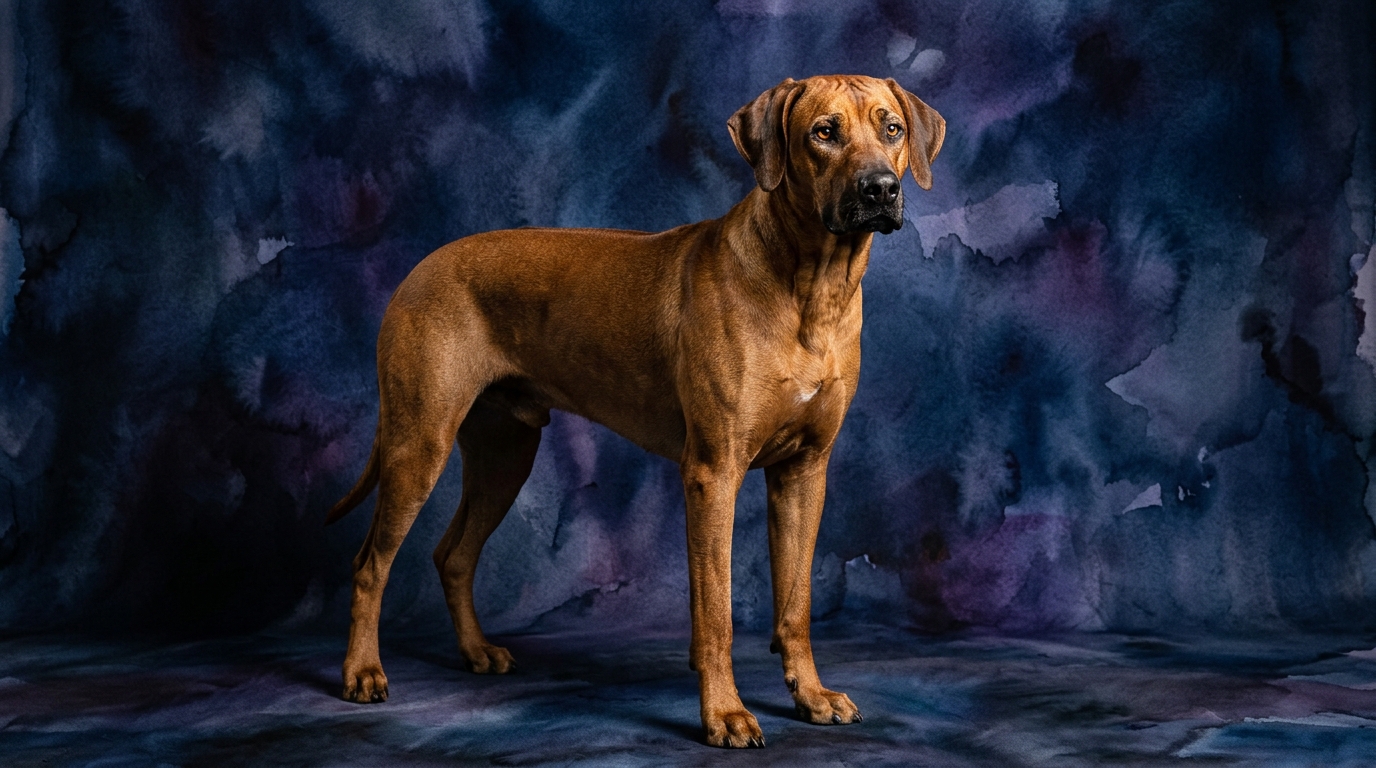
For the Rhodesian Ridgeback, a Hound breed ranked #52 by Coren, its 3/5 in Problem Solving often manifests as independent, persistent strategizing to overcome obstacles during a hunt, such as navigating complex terrain or outsmarting elusive prey. Training Speed at 3/5 reflects their capacity to learn commands, yet also their self-reliant nature, which means they might weigh the immediate benefit of compliance. Their Social Intelligence (3/5) is typically expressed as a deep loyalty to their family unit, discerning subtle cues from their pack members, and a reserved wariness towards strangers. The Instinctive Drive (3/5) is robust, centered on a powerful prey drive, tracking prowess, and protective instincts. Memory (3/5) for a Ridgeback is often tied to recalling scent trails, hunting routes, and past experiences with remarkable accuracy.
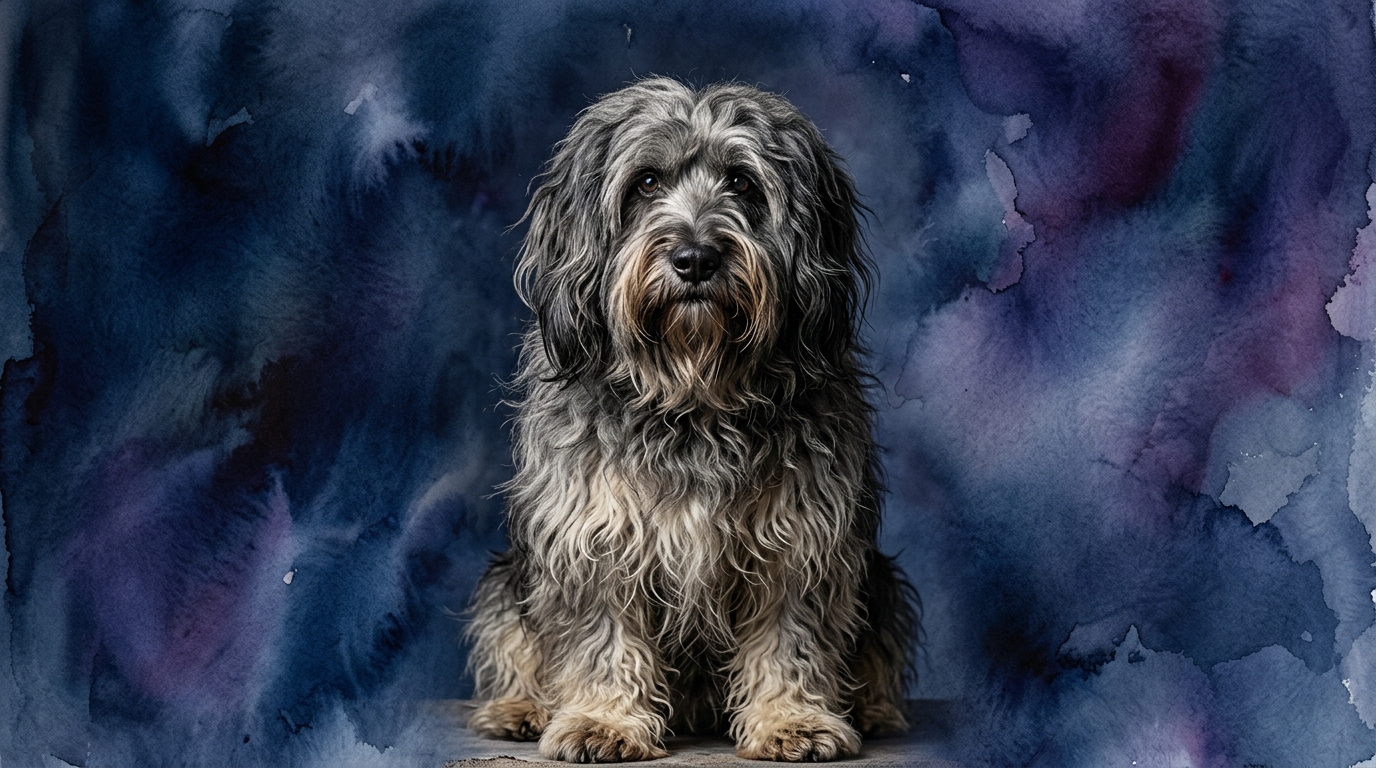
The Polish Lowland Sheepdog, a Herding breed, also scores 3/5 across the board, but their cognitive expressions are tailored to their pastoral heritage. Their 3/5 in Problem Solving frequently involves dynamic decision-making in managing livestock, such as anticipating flock movements or strategizing to gather strays, often requiring quick, adaptive thinking. Training Speed (3/5) for a PON indicates a readiness to learn and respond to handler cues, reflecting their cooperative nature, though their strong herding instincts can sometimes present a challenge if not channeled. Social Intelligence (3/5) is often characterized by a keen sensitivity to human emotions and a desire to maintain harmony within their family 'flock,' making them attentive companions. Their Instinctive Drive (3/5) is rooted in a strong desire to gather, control, and protect, directing their energy towards organization and supervision. Memory (3/5) in a PON is typically excellent for routines, commands, and the individual behaviors of their human and animal charges, crucial for effective herding.
Where the Rhodesian Ridgeback Wins Cognitively
The Rhodesian Ridgeback's cognitive strengths shine in areas demanding self-sufficiency and focused persistence. Their problem-solving, while rated 3/5, is geared towards independent action and overcoming physical challenges without constant human direction. For instance, a Ridgeback excels at intricate scent work, using their memory and instinctive drive to follow complex trails for extended periods, a task requiring deep concentration and self-motivation. They demonstrate a unique form of social intelligence in assessing potential threats, often making independent judgments about safety for their family rather than waiting for explicit commands. This breed's specific cognitive advantage lies in its capacity for prolonged, self-directed engagement with a task, particularly when it involves navigating the environment or pursuing a goal independently.
Where the Polish Lowland Sheepdog Wins Cognitively
The Polish Lowland Sheepdog's cognitive advantages are most apparent in scenarios requiring nuanced communication, rapid adaptation within a group context, and a strong collaborative drive. While also rated 3/5 for problem-solving, a PON's approach often involves interpreting subtle human signals and adjusting their behavior to manage dynamic situations, such as maneuvering a flock of sheep or anticipating a handler's next move during an agility course. Their social intelligence, at 3/5, is often expressed through an exceptional ability to read human body language and emotional states, making them highly attuned partners. The PON's specific cognitive strength lies in their innate ability to coordinate and respond effectively within a social structure, demonstrating a quickness to learn and adapt to cooperative tasks that require immediate feedback and adjustment.
Training Dynamics: Independence vs. Cooperation
When considering ease of training, the core behavioral differences between these breeds become evident, even with identical 3/5 scores for Training Speed. The Rhodesian Ridgeback, with its hound heritage, possesses a strong independent streak. They can learn quickly, but their willingness to perform a command often hinges on their perception of its value or their own current inclination. Training a Ridgeback requires immense consistency, patience, and methods that make them feel like an active participant rather than a subordinate. They are not inherently driven to please in the same way some other breeds are; instead, their cooperation is earned through mutual respect and clear, fair leadership. If a Ridgeback's powerful instinctive drive for tracking or guarding is engaged, it can sometimes override immediate obedience to a command, requiring extensive impulse control work.
The Polish Lowland Sheepdog, conversely, generally exhibits a more cooperative and eager-to-please temperament, typical of many herding breeds. Their 3/5 in Training Speed means they pick up commands readily and often enjoy the mental stimulation of learning. However, their strong herding instinct means they may try to 'herd' children, other pets, or even moving cars if not properly channeled. Training a PON involves harnessing this drive and redirecting it into appropriate activities like herding trials, agility, or obedience. While they are generally more responsive to traditional positive reinforcement, owners must be prepared to manage their innate desire to control movement, which can manifest as nipping at heels or circling. Both breeds benefit from early socialization and consistent training, but the Ridgeback demands respect for its autonomy, while the PON requires outlets for its inherent drive to manage and organize.
Matching Canine Cognition to Lifestyle
The cognitive profiles of the Rhodesian Ridgeback and the Polish Lowland Sheepdog lend themselves to different owner lifestyles. An active owner seeking a partner for endurance activities, such as long-distance running, hiking rugged trails, or participating in scent work and tracking, would find the Rhodesian Ridgeback a formidable companion. Their independent problem-solving and sustained instinctive drive make them excellent partners for challenging outdoor adventures where they can utilize their keen senses and physical prowess. Owners who appreciate a dog with a strong, self-assured personality and are prepared to engage with their dog on an equal footing, fostering a relationship built on trust and mutual respect, will thrive with a Ridgeback. They are not content to simply be 'pets'; they seek to be integral, contributing members of the family unit, often taking on a protective role.
For relaxed owners, neither breed is truly 'relaxed' in the traditional sense, as both possess significant energy and cognitive needs. However, an owner who enjoys interactive play, puzzle toys, and structured training sessions that challenge a dog's cooperative problem-solving and social engagement might lean towards the Polish Lowland Sheepdog. PONs excel in activities like agility, obedience, and rally, where their responsiveness and desire to work alongside their handler are highly valued. While they need regular exercise, their cognitive needs often revolve around mental stimulation and interactive tasks rather than purely physical endurance. Owners who appreciate a sensitive, attentive companion and are willing to provide consistent mental engagement and manage a strong herding instinct will find a rewarding relationship with a PON. They thrive on being part of family activities and can adapt well to indoor living if their mental and physical exercise requirements are met through structured play and training.
The Verdict
Choose a Rhodesian Ridgeback if you are an experienced owner seeking an independent, robust companion for outdoor adventures and appreciate a dog with a strong, protective personality and a deep sense of self-reliance.
Opt for a Polish Lowland Sheepdog if you desire an intelligent, cooperative partner for interactive training, canine sports, and appreciate a sensitive, attentive companion who thrives on mental engagement and being part of family activities.
🧠 Find Your Pet's IQ Score
Our Pet IQ Lab assessment covers 25+ tests across 5 cognitive dimensions — personalized to your breed.
Take the Full IQ Test →Frequently Asked Questions
Are Rhodesian Ridgebacks stubborn?
Rhodesian Ridgebacks can exhibit a strong will and independent thought, often perceived as stubbornness. This stems from their history as self-sufficient hunters, requiring owners to use consistent, positive reinforcement and make training engaging to earn their cooperation.
Do Polish Lowland Sheepdogs need a lot of exercise?
Polish Lowland Sheepdogs require regular physical exercise and significant mental stimulation to prevent boredom. Daily walks, playtime, and activities like agility or obedience training help satisfy their herding instincts and keep them mentally content.
Which breed is better with children?
Both breeds can be good with children when properly socialized from a young age and raised with respectful interactions. Ridgebacks are often protective of their family, while PONs, with their herding instincts, may try to 'herd' children, requiring supervision and training to redirect this behavior.