Side-by-Side IQ Profile: Unpacking Cognitive Dimensions
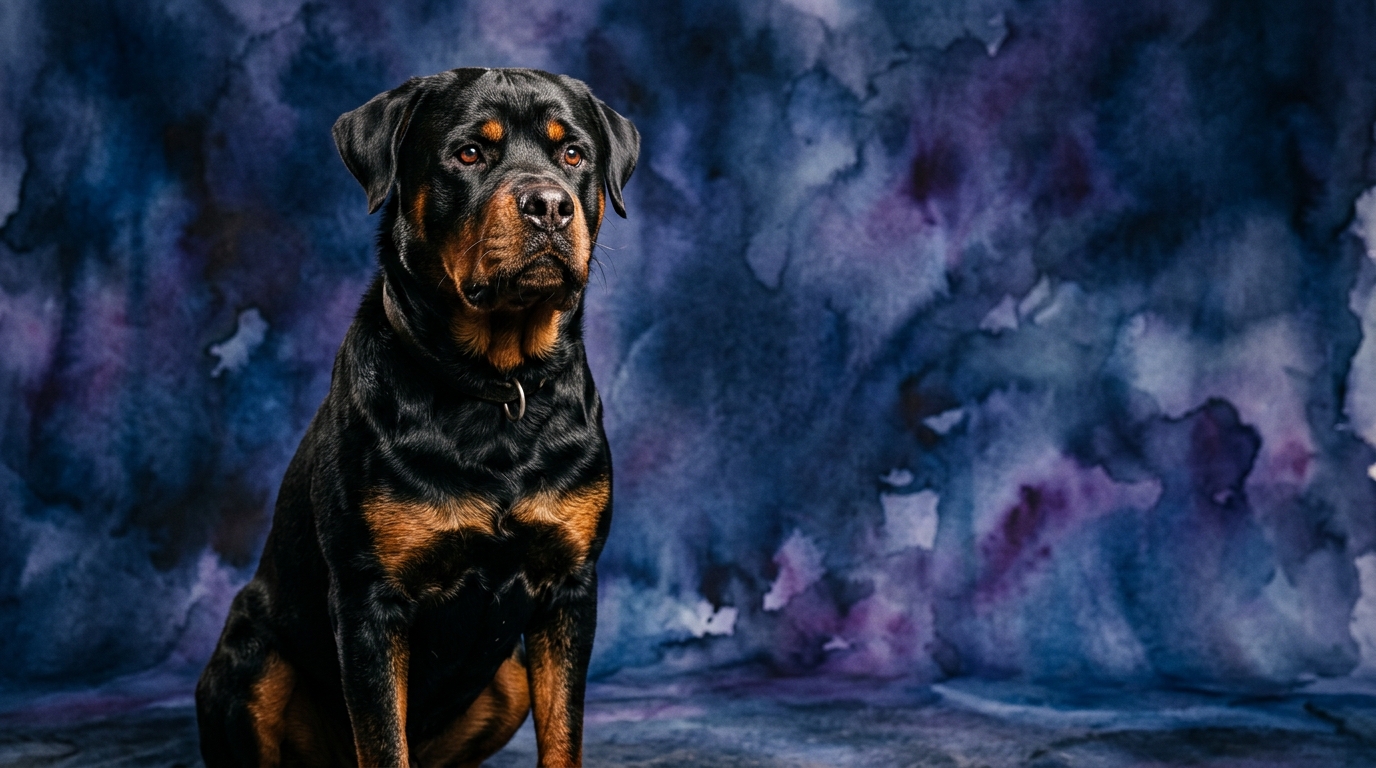
The Cosmic Pet Pet IQ Lab provides a structured lens to examine canine cognition across five critical dimensions, revealing the nuanced intellectual strengths of each breed. For the Rottweiler, ranked #9 by Coren, its profile signals a highly engaged and capable learner. Its Problem Solving score of 5/5 indicates an exceptional capacity to navigate complex situations and devise solutions independently. Training Speed, rated 4/5, highlights a rapid assimilation of commands and concepts, while a Social Intelligence of 4/5 suggests a keen awareness of human cues and social dynamics. An Instinctive Drive of 5/5 points to a powerful internal motivation, often channeled into task-oriented behaviors, complemented by a Memory score of 5/5, ensuring long-term retention of learned behaviors and experiences.
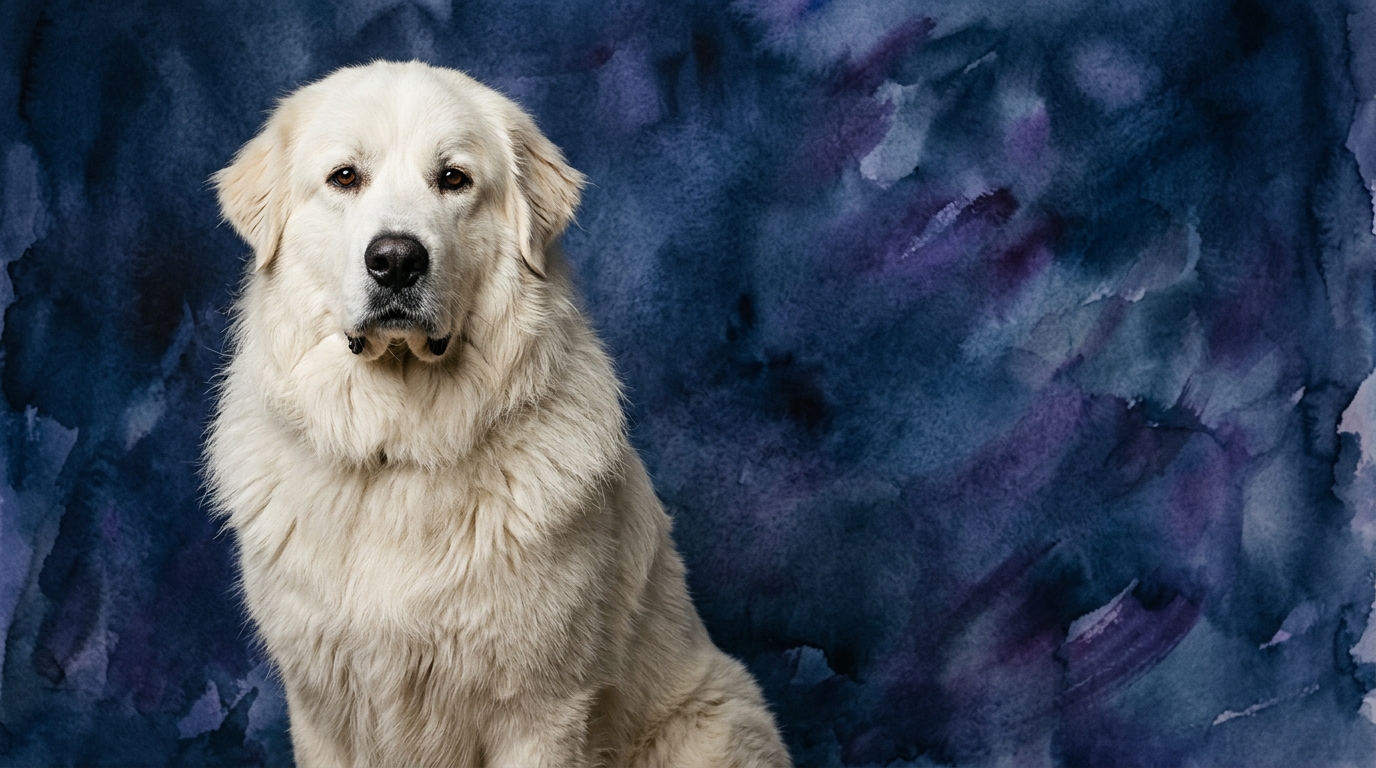
In contrast, the Great Pyrenees, with a Coren ranking of #64, presents a cognitive profile optimized for a different purpose: independent guardianship. Its Problem Solving is rated 3/5, indicating a more deliberate or perhaps less human-directed approach to novel challenges. A Training Speed of 3/5 reflects a need for patience and consistent, clear instruction, often requiring more repetition than a Rottweiler. Social Intelligence at 3/5 suggests a reserved nature, where interactions are often observed and evaluated before engagement. The Instinctive Drive, also 3/5, points to a strong internal motivation for its core guarding duties, which might not always align with human-imposed tasks, and its Memory at 3/5 suggests learning requires more reinforcement to solidify over time.
Where the Rottweiler Wins Cognitively
The Rottweiler's cognitive prowess shines brightest in environments demanding direct human collaboration and rapid, precise execution. Their 5/5 Problem Solving means they are adept at tasks requiring sequential thought, like navigating complex obstacle courses or understanding multi-step commands. This translates into a dog that can quickly assess novel situations and adapt its behavior to achieve a desired outcome, often with minimal human intervention once a goal is understood.
Furthermore, their high Training Speed (4/5) combined with a perfect 5/5 Memory makes them exceptional candidates for advanced obedience, protection work, and specialized service roles. A Rottweiler can not only learn new commands swiftly but also retain them with remarkable consistency, even after extended periods. This cognitive combination allows them to generalize learned behaviors across different contexts and apply past experiences to new challenges effectively, making them highly responsive partners in structured activities.
Where the Great Pyrenees Wins Cognitively
While the Great Pyrenees may not excel in human-directed obedience at the Rottweiler's pace, its cognitive strengths lie in areas of independent judgment and environmental awareness—traits crucial for its historical role as a livestock guardian. Their 3/5 Instinctive Drive, though lower on a general scale, is profoundly specific: an innate motivation to patrol, observe, and protect. This isn't a drive to please humans through learned tasks, but a deep-seated impulse to assess their territory and its inhabitants, making autonomous decisions about perceived threats.
Their 3/5 Problem Solving, rather than indicating a lack of capacity, reflects a cognitive style that prioritizes independent assessment over immediate compliance. A Great Pyrenees excels at long-term, low-intensity vigilance, discerning subtle changes in their environment, and making nuanced judgments about who or what belongs. This requires a form of practical intelligence focused on sustained, self-directed monitoring and a selective application of their faculties, often without direct human instruction, showcasing a powerful, if different, cognitive superiority in their specialized domain.
Which is Easier to Train and Why
Based on their respective IQ profiles, the Rottweiler is unequivocally the easier breed to train for typical companion dog roles. Their 4/5 Training Speed indicates a natural eagerness to learn and a quick grasp of new concepts, often requiring fewer repetitions to master a command. This is compounded by their 5/5 Memory, ensuring that once a behavior is learned, it is retained robustly, making for reliable recall and consistent performance.
Conversely, the Great Pyrenees, with a 3/5 Training Speed, demands a more patient and understanding approach. Their independent nature, rooted in centuries of autonomous guarding, means they often evaluate the necessity of a command before complying. Training a Great Pyrenees requires understanding that their "drive" is not primarily to please, but to fulfill their perceived role, making consistency, positive reinforcement, and clear communication paramount to success, rather than expecting rapid mastery.
Which Suits Active Owners vs. Relaxed Owners
For owners seeking an active, engaged companion who thrives on structured activities and mental challenges, the Rottweiler is the more fitting choice. Their high Problem Solving, Training Speed, and Instinctive Drive mean they excel in dog sports like obedience, agility, and protection work, requiring an owner who can consistently provide outlets for their robust physical and mental energy. They enjoy having a "job" and will flourish with consistent training and active participation in family life.
The Great Pyrenees, with its more reserved cognitive profile, aligns better with relaxed owners who appreciate an independent companion and a more watchful presence. While they require space to patrol and regular, moderate exercise, their mental stimulation often comes from overseeing their territory rather than performing complex tasks on command. Owners who prefer a dog that makes its own judgments and offers a quiet, steadfast companionship, rather than constant interaction, will find the Great Pyrenees a suitable match.
The Verdict
Choose the Rottweiler if you are an engaged, active owner prepared to channel their exceptional problem-solving abilities and strong drive into consistent training and structured activities. They are ideal for those seeking a highly responsive, loyal partner in various canine endeavors.
Opt for the Great Pyrenees if you value an independent, watchful companion whose cognitive strengths lie in autonomous judgment and territorial oversight, and you are prepared for a training journey that respects their deliberate, self-reliant nature. They suit owners who appreciate a calm, steady presence.
🧠 Find Your Pet's IQ Score
Our Pet IQ Lab assessment covers 25+ tests across 5 cognitive dimensions — personalized to your breed.
Take the Full IQ Test →Frequently Asked Questions
Does a Great Pyrenees' lower IQ score mean it cannot be trained?
Not at all. The Great Pyrenees' cognitive profile reflects a different type of intelligence, geared towards independent decision-making in guarding roles. While their Training Speed is 3/5, they are trainable, but require immense patience, positive reinforcement, and an understanding of their inherent independence. Success involves making training relevant to their natural instincts.
How does the Rottweiler's high Instinctive Drive manifest in daily life?
A Rottweiler's 5/5 Instinctive Drive typically manifests as a strong desire for purpose and activity. This drive can be channeled into protective instincts, retrieving, or excelling in dog sports. Without appropriate outlets, this drive can lead to boredom or destructive behaviors, emphasizing the need for consistent mental and physical engagement from their owners.
Can a Great Pyrenees live in an urban environment despite its guarding instincts?
While their instinctive drive for territorial oversight is strong, a Great Pyrenees can adapt to urban life with proper management. This includes secure containment, early and extensive socialization to various sights and sounds, and regular, leashed exercise. Owners must understand their need for a perceived "job" and a quiet space, even if that job is simply observing the household from a vantage point.