
A Tale of Two Brains: Side-by-Side IQ Profile
The Rottweiler, a breed with ancient Roman roots as a drover dog, exhibits a cognitive profile tailored for demanding work and protection, ranking at Coren #9. Their Problem Solving is 5/5, reflecting exceptional capacity for analytical thought and strategic decision-making in complex scenarios, from herding to protection. Training Speed stands at 4/5, indicating a rapid grasp of new commands and an eagerness to learn, often requiring minimal repetition. Social Intelligence, at 4/5, highlights their nuanced understanding of human cues, family dynamics, and pack hierarchy. An Instinctive Drive of 5/5 underscores their profound internal motivation for specific tasks, coupled with a Memory score of 5/5, allowing for long-term retention of intricate commands and routines.
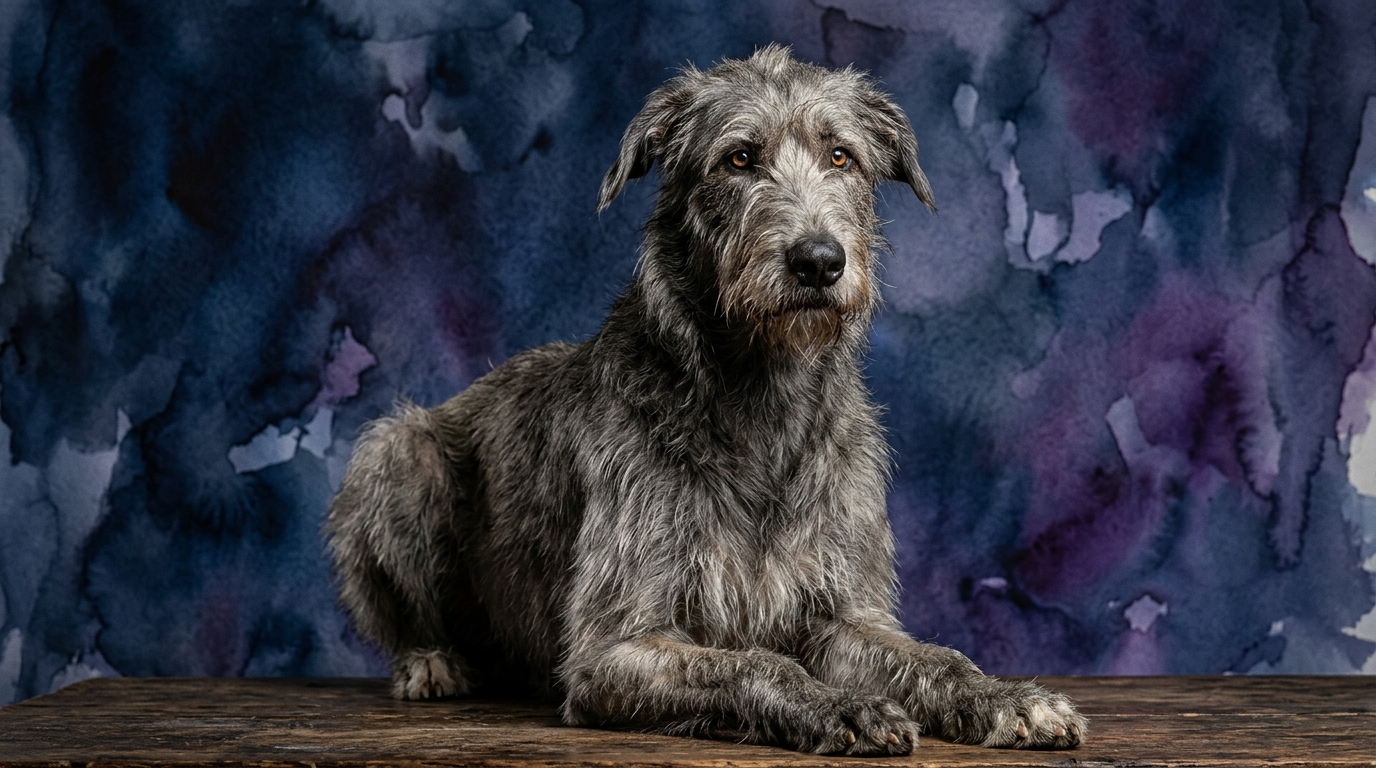
In stark contrast, the Irish Wolfhound, a majestic sighthound historically bred for hunting large game, presents a distinct cognitive blueprint, unranked by Coren. Their Problem Solving is 3/5, indicating a more direct, less analytical approach to challenges, relying on instinct and observation. Training Speed, also 3/5, suggests they require more patience and consistency, taking moderate repetition to integrate new commands, reflecting a less inherent drive for obedience. Social Intelligence at 3/5 means they are generally gentle and observant, forming strong bonds but often expressing affection subtly and with independence. Their Instinctive Drive, 3/5, is primarily channeled towards sighthound visual tracking and pursuit, and their Memory, at 3/5, is sufficient for routines but less for intricate detailed information.
Rottweiler's Cognitive Edge: Purpose-Driven Acuity
The Rottweiler's cognitive strengths shine particularly in areas demanding structured thought and intricate task execution. Their 5/5 Problem Solving means they excel at tasks requiring sequential steps, decision trees, or adapting to variable conditions to achieve a goal. For example, a Rottweiler can be taught to navigate complex obstacle courses, identify specific items by scent, or perform multi-stage service dog tasks with remarkable precision, often anticipating the next step. This analytical prowess extends beyond simple obedience, allowing them to understand the 'why' behind commands, making them highly effective in roles requiring independent judgment within defined parameters.
Furthermore, their superior Memory (5/5) coupled with a high Training Speed (4/5) allows them to accumulate a vast repertoire of commands and learned behaviors retained over long periods. This means less refresher training is needed, and they can build upon existing knowledge to learn even more complex skills. Their robust Instinctive Drive (5/5) means they are internally motivated to perform tasks, often finding satisfaction in completing a job well, which fuels their cognitive engagement and willingness to learn. This combination makes them exceptionally adept at absorbing and executing detailed instructions, suitable for roles demanding high cognitive load and consistent performance.
Irish Wolfhound's Unique Cognitive Strengths: Observant Independence
While not overtly task-oriented, the Irish Wolfhound possesses unique cognitive strengths rooted in its sighthound heritage. Their 3/5 Problem Solving, while not geared for complex puzzles, excels in real-time environmental assessment and rapid, instinctive decision-making. They demonstrate exceptional ability to scan vast distances, identify subtle movements, and make instantaneous judgments about potential prey or interesting stimuli, a skill honed over centuries of hunting. This visual processing intelligence allows them to interpret their surroundings with a quiet, observant precision, often noticing details others miss and reacting with sudden purpose.
Their Social Intelligence, rated 3/5, manifests as a calm, empathetic presence rather than an overt eagerness to please. Irish Wolfhounds often form deep, quiet bonds with their families, understanding moods and subtle cues without needing constant interaction or validation. This allows them to be incredibly perceptive companions, offering comfort through their serene presence. Their Memory (3/5) is excellent for remembering people, places, and routines, contributing to their generally placid and predictable demeanor within their familiar environment. This blend of observational acuity, quiet empathy, and environmental awareness defines their distinct cognitive landscape, emphasizing thoughtful independence.
Training Dynamics: Rottweiler's Eagerness vs. Wolfhound's Independence
When it comes to ease of training, the Rottweiler presents a more straightforward experience for most owners. Their 4/5 Training Speed means they pick up new commands quickly, often with just a few repetitions, and their 5/5 Memory ensures these commands are retained. A Rottweiler’s strong Instinctive Drive and desire to work mean they often view training as a fulfilling activity, eager to engage and please their handler. They thrive on structure, consistency, and clear expectations, channeling their problem-solving abilities into understanding what is required of them. Teaching a Rottweiler a new trick often feels like a collaborative effort.
The Irish Wolfhound, conversely, presents a more nuanced training journey. Their 3/5 Training Speed indicates that while capable of learning, they require more patience, repetition, and creative motivation. As sighthounds, their inherent drive is less about obedience for its own sake and more about immediate environmental or internal motivations. They might understand a command perfectly but choose to respond only if they perceive sufficient incentive or if it doesn't conflict with a more compelling sensory input. Their independent nature demands a trainer who understands sighthound psychology and employs consistent positive reinforcement.
Lifestyle Harmony: Matching Canine Cognition to Owner Pace
For active owners seeking a canine partner for consistent engagement and purpose, the Rottweiler is an exceptional match. Their high Problem Solving and Instinctive Drive mean they flourish when given regular mental and physical challenges. Owners who enjoy extensive obedience training, dog sports like agility or protection work, or who need a reliable working dog will find the Rottweiler's cognitive make-up incredibly rewarding. They require an owner who can provide clear leadership, consistent training, and ample opportunities to utilize their considerable intellect and physical stamina. A Rottweiler without sufficient mental stimulation can become bored, highlighting the need for an active, hands-on owner.
The Irish Wolfhound, on the other hand, aligns beautifully with more relaxed owners who appreciate a calm, majestic presence. While they certainly need daily bursts of exercise in a secure area to satisfy their sighthound instincts, their cognitive profile leans towards observation and quiet companionship rather than constant activity. Owners who enjoy a serene home environment, appreciate a dog that is content to lounge nearby, and are prepared for their impressive size without needing a constant playmate will find the Irish Wolfhound a perfect fit. Their independence means they don't demand constant attention, making them suitable for individuals valuing a companion present without overwhelming cognitive demands.
The Verdict
Choose a Rottweiler if you are an active, experienced owner ready to provide consistent training, mental challenges, and a clear purpose for a highly capable and eager working dog.
Opt for an Irish Wolfhound if you are a relaxed owner seeking a gentle, observant giant who thrives on quiet companionship and requires understanding of their independent sighthound nature.
🧠 Find Your Pet's IQ Score
Our Pet IQ Lab assessment covers 25+ tests across 5 cognitive dimensions — personalized to your breed.
Take the Full IQ Test →Frequently Asked Questions
Is the Irish Wolfhound difficult to live with due to its size?
The Irish Wolfhound's immense size requires specific accommodations, including ample living space and a large, securely fenced yard for their exercise. Despite their stature, they are generally calm indoors, preferring to lounge, but their presence necessitates careful consideration of furniture and door clearances.
Can an Irish Wolfhound be trained for protection or guarding like a Rottweiler?
While an Irish Wolfhound's size can be a deterrent, their cognitive profile is not geared for protection or guarding in the same structured way as a Rottweiler. Their instinctive drive is for pursuit, not territorial defense, and their social intelligence leads to a more gentle, observational nature rather than active guarding.
How much mental stimulation does a Rottweiler truly need?
A Rottweiler requires significant daily mental stimulation, akin to solving puzzles or learning new skills, to thrive. This can involve advanced obedience, interactive toys, scent work, or participation in dog sports, ensuring their high problem-solving and memory capabilities are consistently engaged.