
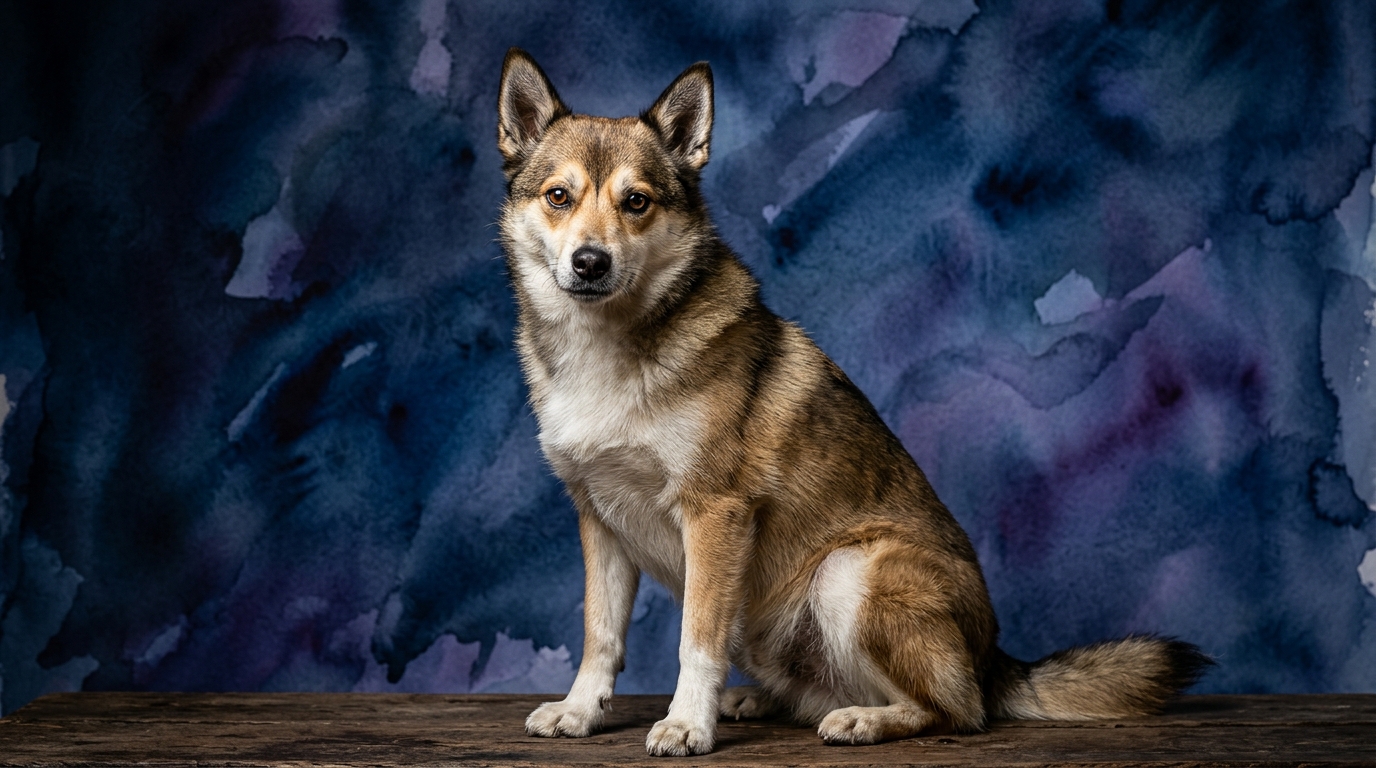
Side-by-Side Cognitive Profiles
The Rottweiler, a Working group dog, boasts an impressive Coren rank of #9, reflecting its proficiency in obedience and working intelligence. Its Pet IQ Lab scores are: Problem Solving 5/5, Training Speed 4/5, Social Intelligence 4/5, Instinctive Drive 5/5, and Memory 5/5. This profile indicates a breed with exceptional capacity for understanding complex tasks, learning quickly, and forming strong, responsive bonds with humans, all underpinned by powerful innate motivations.
Conversely, the Norwegian Lundehund, a Non-Sporting breed, is not Coren-ranked, signaling a different kind of cognitive specialization. Its Pet IQ Lab scores are: Problem Solving 3/5, Training Speed 3/5, Social Intelligence 3/5, Instinctive Drive 3/5, and Memory 3/5. These scores suggest a cognitive makeup geared more towards independent action and specialized survival skills rather than the collaborative, human-directed intelligence found in many traditional working breeds.
Where the Rottweiler Excels Cognitively
The Rottweiler's cognitive strengths are deeply rooted in its history as a drover and guardian. Its 5/5 Problem Solving means it doesn't just execute commands; it comprehends the underlying purpose, allowing for sound judgment in dynamic situations, such as assessing a perceived threat or navigating a complex search pattern. This is powerfully supported by its 5/5 Instinctive Drive, providing an unwavering motivation to protect, herd, or perform tasks, translating into incredible focus and determination during training and real-world application. Their 5/5 Memory ensures that lessons learned are retained long-term, building a reliable foundation for advanced training and consistent behavior, making them highly predictable once trained. Furthermore, a 4/5 in Social Intelligence allows them to deeply interpret human intentions and cues, facilitating a profound working partnership rather than mere obedience, making them highly responsive companions.
Where the Norwegian Lundehund Demonstrates Unique Cognitive Strengths
While not achieving high scores in traditional working intelligence metrics, the Norwegian Lundehund possesses a unique cognitive landscape perfectly adapted to its specialized past. Their 3/5 Problem Solving, though numerically lower, reflects an independent problem-solving style crucial for navigating treacherous cliff faces alone to hunt puffins. This isn't about following human directions but about autonomous environmental assessment and innovative physical solutions, like their incredible joint flexibility allowing them to contort in tight spaces. Their 3/5 Instinctive Drive is channeled into persistent exploration and an innate curiosity, making them adept at independent foraging or uncovering hidden objects rather than collaborative tasks. This breed's cognitive strengths lie in resilience, self-reliance, and an unparalleled physical adaptability, aspects not fully captured by standard IQ metrics but invaluable for their specific niche. Their cognitive profile suggests a dog that thinks for itself, often in creative, unexpected ways.
Training Aptitude: Rottweiler vs. Lundehund
The Rottweiler is unequivocally easier to train, primarily due to its 4/5 Training Speed and 5/5 Problem Solving. They possess a strong desire to work collaboratively with humans, quickly grasping new concepts and associating actions with consequences. A Rottweiler often requires fewer repetitions to master a command, and their keen Memory (5/5) ensures retention. For instance, teaching a Rottweiler a multi-step retrieve involves them not only learning each step but understanding the overall goal, allowing for more fluid execution. Their social intelligence also makes them highly attuned to their handler's desires, enhancing trainability.
In contrast, the Norwegian Lundehund's 3/5 Training Speed and independent Problem Solving mean training requires more patience and creative motivation. Their historical role demanded self-sufficiency rather than strict adherence to human commands, leading to a tendency to evaluate requests and sometimes choose their own path. While they are certainly trainable, their learning style is less about eager compliance and more about thoughtful, sometimes stubborn, consideration, requiring a handler who appreciates their unique independence. Training a Lundehund often involves making tasks feel like a game or an exploration, appealing to their instinctive drives rather than relying solely on traditional obedience methods.
Ideal Owners: Active vs. Relaxed Lifestyles
The Rottweiler clearly suits active owners who are prepared to provide consistent mental and physical engagement. Their 5/5 Instinctive Drive necessitates outlets for their energy and purpose, whether through advanced obedience, protection work, or demanding sports like agility. A Rottweiler thrives on structure, challenges, and a close working partnership, making them ideal for individuals or families committed to daily training sessions and vigorous exercise. A relaxed owner might find themselves overwhelmed by the Rottweiler's inherent drive and need for a job, potentially leading to boredom-induced behaviors like destructive chewing or excessive barking.
The Norwegian Lundehund, while agile and requiring regular exercise, can suit a slightly more relaxed owner who appreciates independence. Their activity often manifests as bursts of playful energy or dedicated solo exploration rather than a constant need for directed activity. They enjoy walks and puzzle toys but may not demand the same level of rigorous, structured engagement as a Rottweiler, making them a good fit for owners who enjoy independent companions and are prepared for a dog with a unique, sometimes quirky, personality. Their physical dexterity and curiosity mean they will find ways to entertain themselves, which can be a double-edged sword if not managed with secure environments.
The Verdict
Choose the Rottweiler if you seek a dedicated, highly trainable partner for demanding activities, protection, or advanced obedience, and are prepared to meet their significant cognitive and physical needs.
Opt for the Norwegian Lundehund if you appreciate a unique, independent companion with a quirky personality, and are comfortable with a dog that values self-reliance over constant human direction.
🧠 Find Your Pet's IQ Score
Our Pet IQ Lab assessment covers 25+ tests across 5 cognitive dimensions — personalized to your breed.
Take the Full IQ Test →Frequently Asked Questions
Does a high Coren rank mean a dog is smarter overall?
The Coren rank primarily measures a breed's obedience and working intelligence, reflecting their ability to learn and execute human commands. It doesn't encompass all forms of intelligence, such as independent problem-solving or social cognition specific to a breed's unique survival needs, which the Lundehund exemplifies.
Can a Norwegian Lundehund be trained for complex tasks despite its 3/5 training speed?
Yes, Lundehunds are trainable, but their independent nature means it requires more patience, consistency, and motivation tailored to their unique drives. They excel when tasks align with their natural curiosity and desire for exploration rather than strict, repetitive obedience, often responding better to positive reinforcement and engaging games.
How does the Rottweiler's 5/5 Instinctive Drive impact its behavior?
This strong drive means Rottweilers possess an innate motivation for guarding, herding, and protection, translating into focus, determination, and a need for purpose. Owners must channel this drive constructively through consistent training, mentally stimulating activities, and appropriate engagement to ensure balanced and well-adjusted behavior.