
Side-by-Side Cognitive Profiles
At The Cosmic Pet Pet IQ Lab, we analyze canine intelligence across five critical dimensions to paint a nuanced picture of each breed's cognitive strengths. For the Rottweiler, our data reveals a formidable mental architecture optimized for complex tasks and close collaboration. Their Problem Solving is rated an exceptional 5/5, indicating an innate capacity to analyze novel situations and devise effective solutions, from intricate obedience sequences to unexpected environmental challenges. Training Speed stands at 4/5, reflecting their rapid assimilation of new commands and concepts, often requiring fewer repetitions than many other breeds. Social Intelligence, also at 4/5, showcases their acute awareness of human cues, intentions, and emotional states, fostering a deep, responsive bond. An Instinctive Drive of 5/5 highlights their profound internal motivation for work, protection, and task completion, a powerful engine behind their actions. Finally, a Memory score of 5/5 ensures they retain learned behaviors, social experiences, and environmental layouts with remarkable fidelity, contributing to their consistency and reliability.
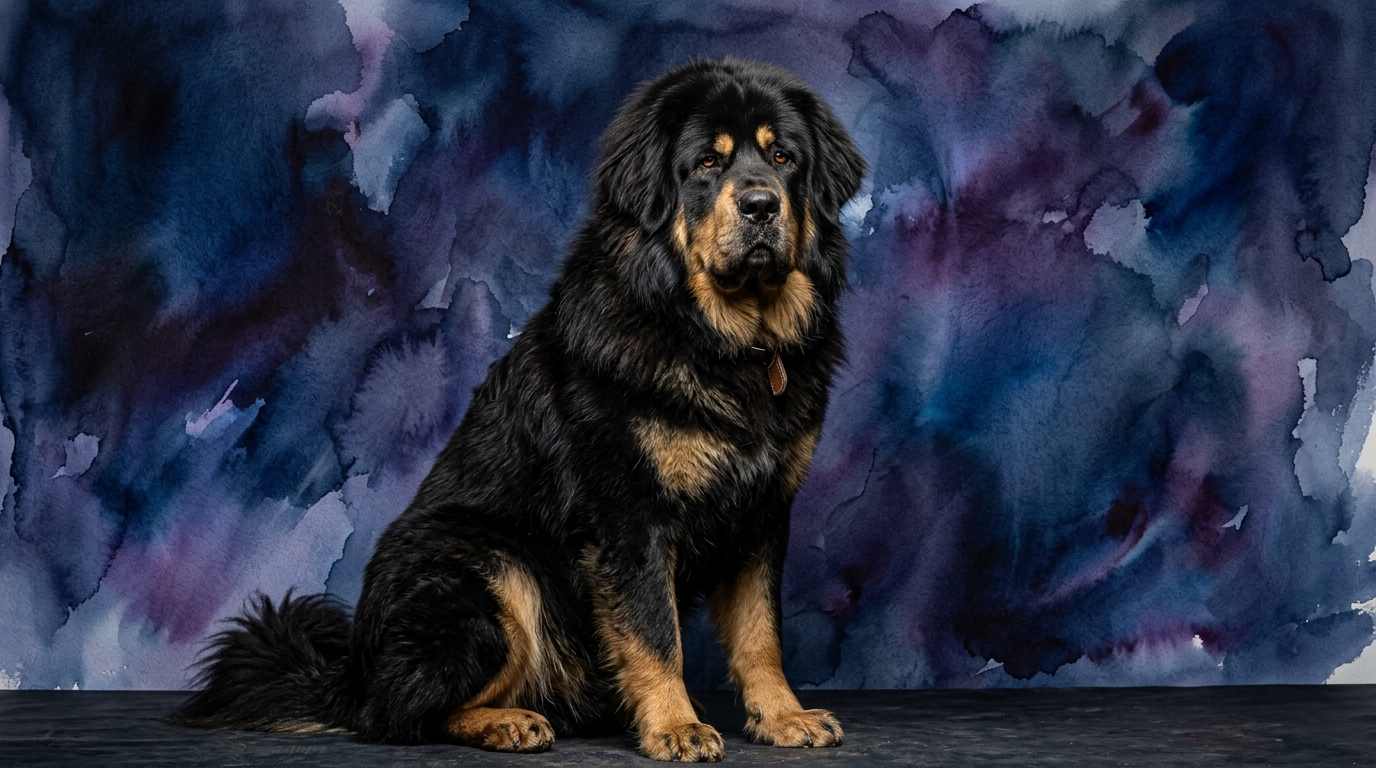
The Tibetan Mastiff presents a different, yet equally compelling, cognitive blueprint, one forged by centuries of solitary guardianship in challenging environments. Their Problem Solving capacity is rated 3/5, suggesting a preference for established patterns and a more measured approach to new dilemmas, rather than rapid improvisation. Training Speed, also at 3/5, indicates they can learn, but often at their own pace and with a strong independent streak, requiring patience and consistent, clear methodology. Their Social Intelligence scores 3/5, reflecting a selective and discerning social engagement, often reserved for their immediate family while maintaining a more aloof demeanor towards strangers. An Instinctive Drive of 3/5 points to a more self-contained motivation, driven by their inherent protective nature rather than an overt eagerness to please or constant need for active tasks. Lastly, their Memory, rated 3/5, suggests they retain crucial information pertinent to their territory and family, but might not recall every minor interaction or command with the same precision as a Rottweiler, prioritizing enduring threats over fleeting details.
Where the Rottweiler Excels Cognitively
The Rottweiler's cognitive strengths make them particularly adept in roles demanding quick thinking, precise execution, and strong partnership. Their 5/5 Problem Solving means they can swiftly adapt to changing scenarios, whether navigating an agility course or deciphering a complex multi-step command sequence. This isn't just about following instructions; it's about understanding the underlying goal and adjusting their approach if the initial attempt fails. For instance, a Rottweiler might quickly figure out how to open a gate with an unfamiliar latch after a few attempts, whereas a breed with lower problem-solving might repeatedly try the same ineffective method.
Their combined 4/5 Training Speed and 5/5 Memory create a highly trainable and reliable companion. They grasp new concepts with impressive speed, allowing for the rapid acquisition of extensive repertoires of commands and skills, from advanced obedience to specialized scent work. This quick uptake means less frustration for the owner and a more engaged learning process for the dog. The Rottweiler’s 4/5 Social Intelligence further amplifies their cognitive edge in human-dog teams; they are exceptionally attuned to their handler's subtle body language and vocal inflections, allowing for a seamless, almost telepathic communication during training and daily life. This sensitivity translates into a dog that not only follows commands but often anticipates them, making them superb candidates for competitive obedience, protection sports, and service work where precision and responsiveness are paramount.
Where the Tibetan Mastiff's Cognition Shines
While the Tibetan Mastiff’s scores might suggest a less adaptable intellect in a broad sense, their cognitive profile is perfectly tailored for their ancient role as independent guardians. Their 3/5 Problem Solving isn't a deficit; it reflects a deliberate, often cautious approach, prioritizing observation and assessment over impulsive action. In a guarding context, this means they are less likely to be tricked by novel distractions and more likely to stick to established vigilance protocols, providing a consistent, unwavering presence. They are not seeking to solve every puzzle presented, but rather to maintain the status quo and protect their domain with unwavering focus.
The Tibetan Mastiff's 3/5 Social Intelligence and 3/5 Instinctive Drive contribute to a powerful sense of self-reliance and discernment. Unlike breeds eager for constant human direction, the Tibetan Mastiff operates with an inherent understanding of its protective duties, often making independent judgments about threats without needing explicit commands. This translates into a dog that is not easily swayed by strangers or external influences, maintaining a stoic watch. Their memory, while rated 3/5, is highly functional for their purpose; they reliably remember their territory, its boundaries, and the individuals belonging to their 'flock,' focusing on critical, long-term security information rather than fleeting social interactions. This unique cognitive blend allows them to excel in roles requiring immense presence, steadfastness, and autonomous decision-making in protecting livestock or property, often in isolation.
Training Dynamics: Which is Easier and Why?
When it comes to ease of training, the Rottweiler significantly outpaces the Tibetan Mastiff, a difference rooted in their distinct cognitive profiles and historical purposes. The Rottweiler's 4/5 Training Speed and 5/5 Problem Solving mean they quickly grasp new concepts and enjoy the mental engagement of learning. Their high Social Intelligence (4/5) makes them highly receptive to human direction and praise, eager to collaborate and understand what is expected of them. A Rottweiler typically thrives on structured training sessions, viewing them as opportunities for interaction and mental stimulation, often performing with enthusiasm and precision.
In contrast, the Tibetan Mastiff's 3/5 for both Training Speed and Problem Solving, coupled with a lower Social Intelligence, makes them a far more challenging breed to train in conventional obedience. They are independent thinkers, bred to make their own decisions in guarding situations rather than constantly seeking human approval. This manifests as a strong will and a tendency to evaluate the necessity of a command before complying. Training a Tibetan Mastiff requires immense patience, consistency, and a deep understanding of their independent nature; it's less about 'teaching' and more about 'convincing' or 'guiding' a formidable, self-assured animal. They will learn, but often on their own terms, making rapid progress or intricate obedience a rare feat.
Matching Breeds to Lifestyles: Active vs. Relaxed Owners
The cognitive and behavioral differences between these two breeds dictate vastly different ideal living situations and owner personalities. The Rottweiler, with its 5/5 Instinctive Drive and high Problem Solving and Memory, thrives with active, engaged owners who can channel their considerable mental and physical energies. They require consistent mental stimulation through training, puzzle toys, and varied activities, coupled with regular, vigorous exercise. Owners who enjoy dog sports, advanced obedience, or even just consistent, structured daily routines will find a Rottweiler to be an incredibly rewarding and responsive partner. Their desire to work and strong social intelligence mean they want to be an integral part of their human's life, requiring significant time commitment and interaction.
The Tibetan Mastiff, on the other hand, suits owners who appreciate a more independent, self-possessed companion and are prepared for a different kind of commitment. While their Instinctive Drive is 3/5, suggesting less frenetic energy, their sheer size and protective instincts demand an owner who is calm, confident, and utterly consistent. They are not typically a breed for 'relaxed' owners in the sense of minimal effort, but rather for owners who appreciate a dog that is not constantly seeking engagement. They are content to observe and guard, but require ample space, secure fencing, and an owner capable of managing a powerful, sometimes aloof, guardian. Their lower social intelligence and training speed mean they respond best to owners who understand and respect their independent nature, providing clear boundaries without demanding constant, enthusiastic compliance or extensive, high-energy activities. This breed is for those who value a majestic, self-sufficient presence over a highly biddable partner.
The Verdict: When to Choose Each
The Verdict
Choose a Rottweiler if you seek a highly trainable, versatile, and deeply engaged canine partner for active pursuits, competitive sports, or dedicated service work. Their eager-to-please nature and sharp intellect make them ideal for owners committed to consistent training and mental stimulation.
Opt for a Tibetan Mastiff if you are an experienced owner seeking a majestic, independent guardian who values steadfast loyalty and a calm, self-reliant presence over constant interaction or biddability. Be prepared for a significant commitment to management and understanding their unique, ancient temperament.
🧠 Find Your Pet's IQ Score
Our Pet IQ Lab assessment covers 25+ tests across 5 cognitive dimensions — personalized to your breed.
Take the Full IQ Test →Frequently Asked Questions
Is the Tibetan Mastiff difficult to train?
Yes, the Tibetan Mastiff is generally considered more challenging to train than many breeds due to their strong independence and discerning nature, reflected in their 3/5 Training Speed. They require immense patience, consistency, and a profound understanding of their unique motivations, often responding best to guidance rather than strict commands.
Which breed is better for a first-time dog owner?
Neither breed is typically recommended for first-time dog owners due to their size, strength, and specific behavioral needs. However, the Rottweiler's higher trainability and social intelligence might make them a more manageable challenge for a dedicated novice with professional guidance, compared to the highly independent Tibetan Mastiff.
Do Rottweilers require a lot of mental stimulation?
Absolutely. With a 5/5 Problem Solving and 5/5 Memory, Rottweilers thrive on mental challenges and consistent engagement. They need regular training, puzzle toys, and varied activities to prevent boredom and channel their considerable cognitive abilities productively, leading to a well-adjusted and happy companion.