
Side-by-Side IQ Profile: A Nuanced Look
When examining the cognitive profiles of the Russian Toy and the American Eskimo Dog, it's intriguing to find identical scores across all five dimensions. Both breeds are rated 3/5 for Problem Solving, Training Speed, Social Intelligence, Instinctive Drive, and Memory. This parity, however, doesn't imply identical cognitive manifestations; rather, it invites a deeper look into how these capacities are expressed through each breed's unique temperament and historical purpose.
The **Russian Toy**, a breed from the Toy group, applies its cognitive skills in ways tailored to its companion role. Its **Problem Solving (3/5)** often manifests as cleverness in navigating indoor environments, such as figuring out how to reach a forbidden treat or subtly manipulating owners for attention; their resourcefulness is typically refined for domestic challenges. Their **Training Speed (3/5)** indicates they pick up basic commands at a moderate pace, particularly when motivation involves positive reinforcement like praise or small food rewards, with their agility aiding trick training, though consistency is key to manage an occasional independent streak. **Social Intelligence (3/5)** for the Russian Toy is focused on bonding deeply with their primary human companions, displaying a keen ability to read moods and respond with comfort or playful antics, making their social acumen about intimate human-dog relationships rather than broad pack dynamics. Despite their delicate appearance, their **Instinctive Drive (3/5)** retains a moderate prey drive, often seen in enthusiastic chasing of small toys or insects, typically channeled into playful interaction and alert barking, serving their historical role as companion alarms. Finally, their **Memory (3/5)** is good for routines, learned commands, and familiar people, quickly recalling past training sessions or favorite nap spots, supporting their adaptability within a consistent home environment.
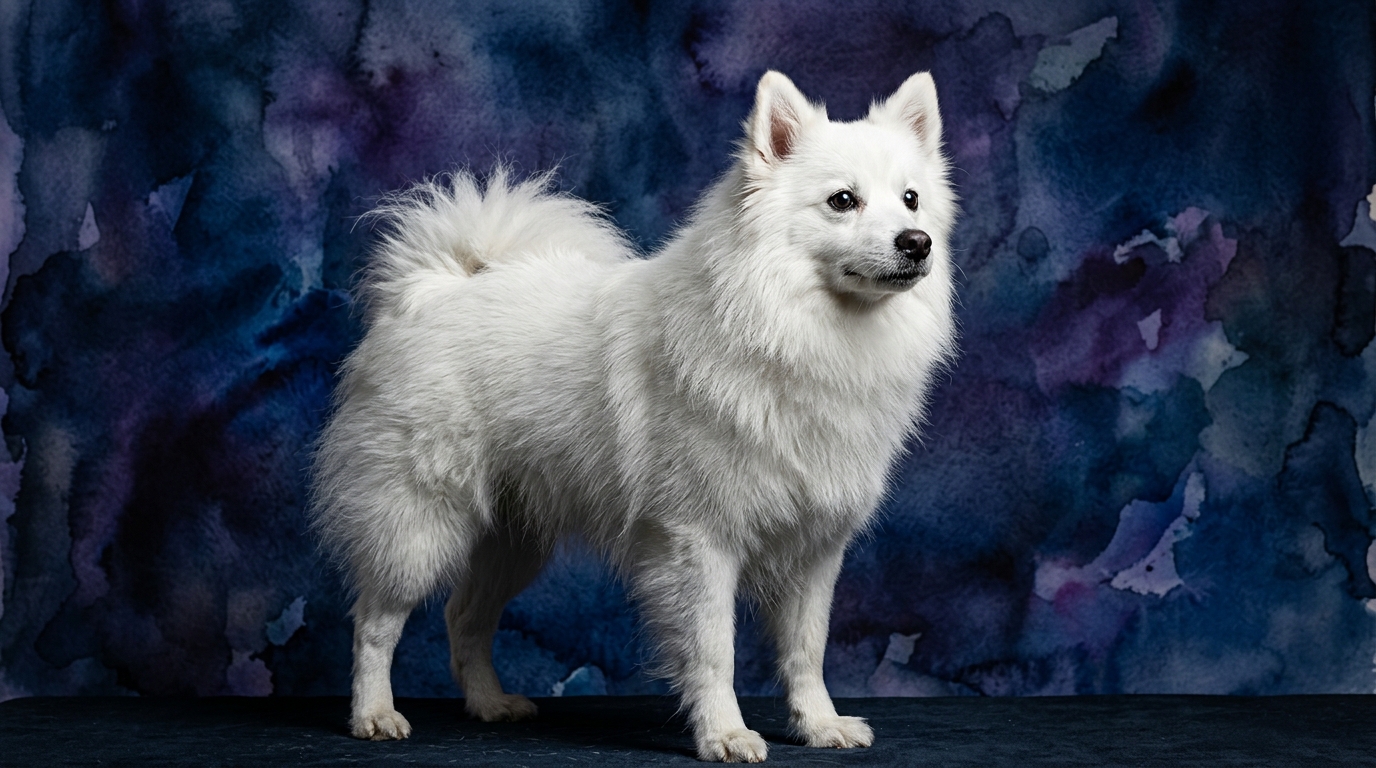
The **American Eskimo Dog**, from the Non-Sporting group, expresses its cognitive abilities with a slightly different emphasis, reflecting its heritage as a versatile farm dog and performer. Their **Problem Solving (3/5)** often applies to tasks requiring a degree of strategy, such as figuring out puzzle toys or devising ways to get past minor obstacles in their environment; their cleverness manifests as an ability to learn from experience and adapt to new situations. In terms of **Training Speed (3/5)**, these dogs absorb new commands and routines at a steady pace, frequently excelling in obedience and trick training due to their eagerness to please and moderate focus, with their training speed supported by a desire for engagement and a cooperative nature, though they can be distracted by their surroundings. **Social Intelligence (3/5)** is notably present, allowing them to form strong bonds with family members and often navigate interactions with strangers and other animals with a degree of discernment, adept at understanding social cues. As descendants of working dogs, their **Instinctive Drive (3/5)** maintains a moderate desire for companionship and activity, often expressed through a wish to 'work' alongside their owners, whether performing tricks or participating in dog sports; they also possess keen watchfulness and vocalness, echoing their historical guardian role. Their **Memory (3/5)** is solid for commands, learned behaviors, and the people and places they encounter regularly, enabling them to retain complex sequences and recall past experiences effectively, aiding in their consistency in training and navigation of familiar environments.
Where the Russian Toy Wins Cognitively
While both breeds share a 3/5 rating across all cognitive dimensions, the Russian Toy's specific application of these skills often shines in contexts demanding intimate, focused interaction. Their problem-solving, rated at 3/5, frequently manifests as inventive strategies for navigating complex home environments, such as finding creative routes to a favorite sunbeam or subtly influencing their owner for attention. This ingenuity, combined with their 3/5 social intelligence, allows them to forge remarkably deep, almost telepathic bonds with their primary human, often anticipating needs and offering comfort with uncanny accuracy. Their memory, also 3/5, is particularly adept at recalling personal routines and specific human behaviors, making them extraordinarily predictable and comforting companions for those seeking a highly attuned emotional connection.
Where the American Eskimo Dog Wins Cognitively
The American Eskimo Dog, also scoring 3/5 across the board, demonstrates its cognitive strengths in areas requiring adaptability and a broader engagement with the world. Their problem-solving (3/5) often extends to more structured tasks, like mastering complex agility courses or figuring out multi-step puzzle toys, showcasing a methodical approach to challenges. Their social intelligence (3/5) is particularly pronounced in their ability to integrate seamlessly into a variety of family dynamics, often acting as a bridge between different family members and being generally more welcoming to new acquaintances once properly introduced. Furthermore, their 3/5 instinctive drive, rooted in their companion and working heritage, makes them eager participants in activities that require cooperative effort and a sustained focus, excelling in roles that demand a consistent application of learned skills.
Which Is Easier to Train and Why
When evaluating ease of training, both breeds present unique considerations despite their identical 3/5 Training Speed scores. The American Eskimo Dog generally proves to be a more straightforward training candidate for a wider range of owners. Their inherent desire to please, coupled with their background as performance and companion dogs, means they often approach training sessions with enthusiasm and a cooperative spirit. While they can be vocal and occasionally distracted by their surroundings, their consistent memory and social intelligence, both 3/5, allow them to quickly internalize commands and respond reliably to their handler's cues. They thrive on engagement and positive reinforcement, often viewing training as a fun, interactive activity.
In contrast, the Russian Toy, while equally capable of learning at a 3/5 pace, can present a different set of training nuances. Their strong bond with a single individual can sometimes make them less receptive to training from other family members. Their sensitivity means that harsh corrections are counterproductive, requiring a patient, purely positive reinforcement approach. While they are quick to pick up tricks and routines, their small stature and companion-focused nature mean their problem-solving might be directed more towards domestic comfort than structured obedience, requiring an owner to make training highly engaging and personally rewarding for them to achieve consistent results.
Active Owners vs. Relaxed Owners: Cognitive Compatibility
The choice between these two breeds, based on an owner's activity level, hinges on how their similar 3/5 instinctive drives and problem-solving skills are best utilized. For relaxed owners who appreciate quiet companionship with bursts of playful interaction, the Russian Toy is often an ideal fit. While they possess a 3/5 instinctive drive, it typically manifests as a desire for indoor play, chasing toys, or engaging in short, stimulating walks. Their problem-solving (3/5) is often directed towards mastering their home environment and interacting cleverly with their human, making them content with mental enrichment through puzzle toys or learning new tricks within the comfort of their home.
Conversely, active owners who enjoy outdoor adventures and structured activities will find the American Eskimo Dog a more compatible companion. Their 3/5 instinctive drive is geared towards more sustained engagement and activity, thriving on regular exercise like brisk walks, hiking, or participating in dog sports such as agility or obedience. Their 3/5 problem-solving and memory skills are well-suited to learning complex sequences and navigating new environments, making them eager partners in a variety of active pursuits that leverage their cognitive capacities in dynamic settings.
The Verdict
Choose the Russian Toy if you seek an intensely bonded, sensitive companion who thrives on close emotional connection and domestic ingenuity, appreciating their nuanced problem-solving within a home environment.
Opt for the American Eskimo Dog if you desire an engaged, versatile partner for activities and family life, who will appreciate their cooperative nature and adaptable problem-solving in varied social and physical settings.
🧠 Find Your Pet's IQ Score
Our Pet IQ Lab assessment covers 25+ tests across 5 cognitive dimensions — personalized to your breed.
Take the Full IQ Test →Frequently Asked Questions
Are Russian Toys good with children?
Their delicate size and sensitive nature mean they are generally better suited to homes with older, considerate children who understand how to interact gently with a small dog. Close supervision is always recommended to ensure positive interactions for both the dog and child.
Do American Eskimo Dogs bark a lot?
Eskies are known for their vocal nature, often using barking to alert their owners to new sights or sounds, a trait stemming from their watch dog heritage. Consistent training and early socialization can help manage this tendency, teaching them appropriate times to vocalize.
How much exercise does a Russian Toy need?
Russian Toys require moderate exercise, typically satisfied with a couple of short daily walks and indoor play sessions to keep them mentally and physically stimulated. Their small size makes them well-suited for apartment living, provided their needs for mental enrichment are met.