
The Cosmic Pet IQ Profile: Russian Toy vs. Schipperke
At The Cosmic Pet's IQ Lab, we dissect canine cognition across five key dimensions, offering a nuanced view of what makes each breed tick. The Russian Toy, a breed of delicate charm, presents a balanced cognitive profile, scoring a consistent 3 out of 5 across all measured dimensions. Its problem-solving ability, rated 3/5, indicates a capacity to navigate moderately complex tasks, such as figuring out basic treat puzzles or understanding simple environmental changes, though it might seek human guidance for truly novel challenges. Training speed, also at 3/5, suggests that consistent, positive reinforcement methods yield steady progress, with the Russian Toy absorbing commands and routines at a comfortable pace rather than with lightning-fast acquisition. Social intelligence, scoring 3/5, means these companions are adept at reading their primary human's moods and intentions, forming strong, empathetic bonds, but they might approach unfamiliar people or situations with a degree of cautious observation. Their instinctive drive, rated 3/5, typically manifests as a moderate curiosity for chasing small objects or enjoying playful interactions, without an overwhelming predatory focus. Finally, a memory score of 3/5 implies the Russian Toy retains learned commands and routines effectively over time, though intricate sequences might require periodic refreshers to stay sharp.
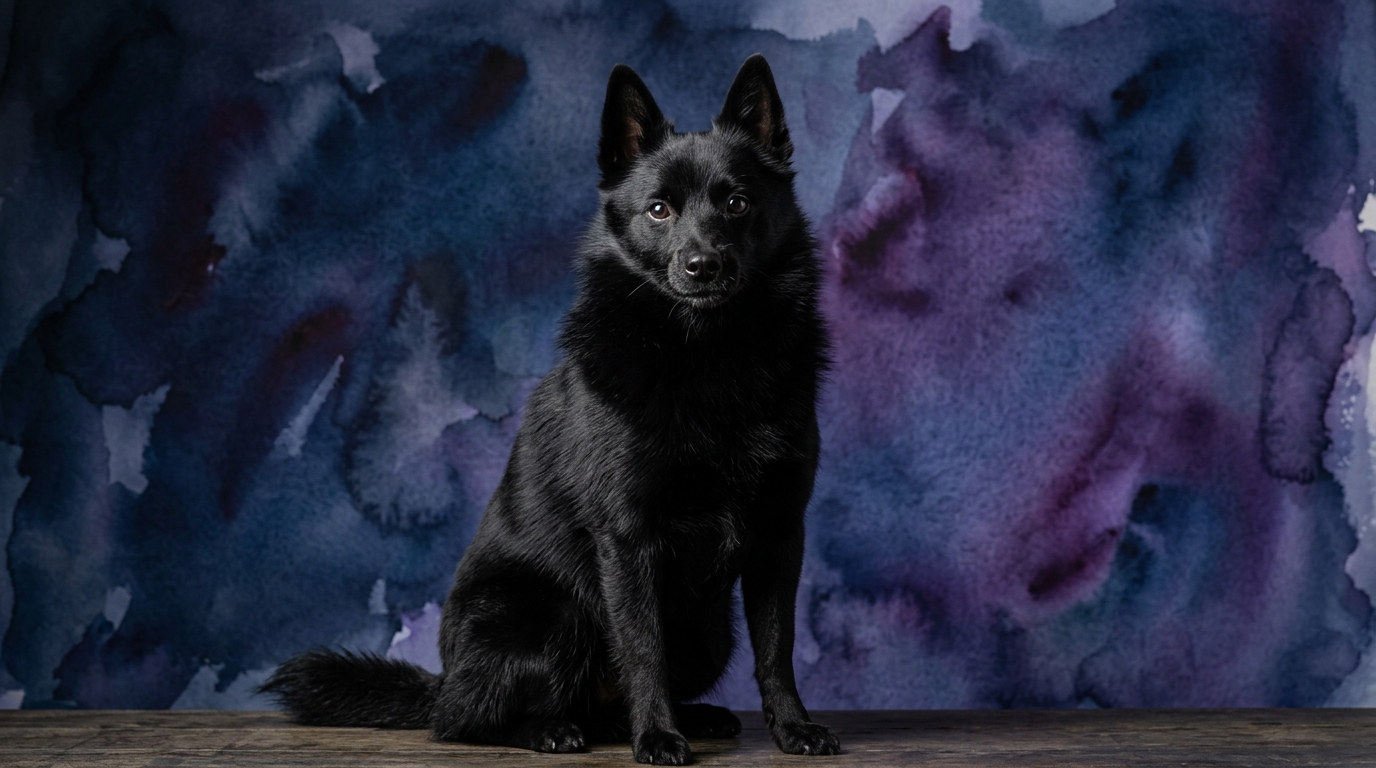
In stark contrast, the Schipperke, often described as a 'little black devil' for its mischievous spirit, showcases a strikingly different cognitive landscape, particularly in areas of raw intellectual horsepower and learning efficiency. Its problem-solving ability rockets to a perfect 5/5, signifying a dog that not only figures out complex puzzles but often devises its own creative solutions to obstacles, whether it's opening cabinets or outsmarting a gate latch. This breed's training speed also earns a top score of 5/5, indicating an exceptional aptitude for rapid learning; Schipperkes can grasp new commands and complex sequences with remarkable quickness, making them eager participants in advanced obedience or dog sports. Social intelligence, at 3/5, mirrors the Russian Toy's capacity for understanding human cues within its core family unit, but it often comes with a strong independent streak and a selective approach to strangers, reflecting its historical role as a vigilant companion. Instictive drive, like the Russian Toy, scores 3/5, manifesting primarily as a keen watchdog sensibility and a drive to 'manage' its environment, rather than a strong prey drive for hunting. Crucially, the Schipperke's memory is rated 5/5, meaning once a lesson is learned or an experience etched, it tends to stick, enabling the recall of vast repertoires of commands and experiences over extended periods.
Where the Russian Toy Shines Cognitively
While the Schipperke boasts higher scores in raw problem-solving and training speed, the Russian Toy’s balanced cognitive profile offers distinct advantages for certain lifestyles and owner preferences. Its moderate problem-solving (3/5) means it's less prone to the 'overthinking' that can lead to creative mischief in more intellectually driven breeds; you're less likely to find a Russian Toy meticulously planning an escape from its enclosure or systematically dismantling household items out of boredom. This makes them a more predictable and often less demanding intellectual companion for those seeking a tranquil home environment.
Furthermore, the Russian Toy's consistent 3/5 across all dimensions translates into a generally adaptable and less intensely driven cognitive approach. Its moderate social intelligence and instinctive drive mean it's typically more content to be a devoted companion without the strong need to 'manage' its surroundings or constantly seek out mental challenges. This cognitive gentleness can be a significant win for owners who prefer a dog that is less inclined to challenge boundaries, less demanding of constant mental engagement, and more overtly focused on affectionate companionship without the underlying currents of a fiercely independent mind.
Where the Schipperke Excels Cognitively
The Schipperke's cognitive strengths are undeniably impressive, particularly in its capacity for rapid learning and complex thought. Its perfect 5/5 in problem-solving means it approaches the world as a series of intellectual puzzles, constantly analyzing situations and finding ingenious ways to achieve its goals. This breed isn't just learning; it's actively thinking, adapting, and often outsmarting its environment. This high aptitude makes them exceptional candidates for advanced training, agility, and even specialized tasks where quick, independent thinking is required, such as detecting changes in their surroundings.
The Schipperke's 5/5 training speed and 5/5 memory are a powerful combination, allowing it to master a vast array of commands and tricks with minimal repetition and retain that knowledge for years. This makes them incredibly rewarding for owners who enjoy pushing the boundaries of canine learning and engaging in mentally stimulating activities. Their cognitive prowess means they thrive on challenges, rapidly picking up new skills and remembering intricate routines, making them formidable competitors in dog sports and a joy for those who appreciate a truly sharp-witted companion capable of complex interactions.
Training: Russian Toy's Steady Progress vs. Schipperke's Rapid Grasp
When it comes to training, the core difference lies in their learning curves and motivations. The Russian Toy, with a training speed of 3/5, responds best to patient, consistent, and positive reinforcement. They learn steadily, building on previous lessons, and tend to be eager to please their human, which aids in their progression. Behavioral differences might include a slightly shorter attention span for repetitive drills, meaning shorter, more frequent training sessions are often more effective. They are less likely to attempt to 'negotiate' commands or display stubbornness rooted in intellectual challenge, instead responding to clear, kind direction.
The Schipperke, conversely, boasts a 5/5 training speed, meaning it can grasp new concepts and commands with astonishing rapidity. This breed thrives on mental engagement and can become bored quickly if training is repetitive or lacks challenge. Their problem-solving (5/5) means they might test boundaries or 'suss out' what they can get away with, requiring an owner with a firm yet fair hand and a consistent approach to expectations. While they learn fast, their independence and high cognitive ability can sometimes translate into a 'what's in it for me?' attitude, making motivation through varied rewards and engaging games crucial. A Schipperke's quick wit means they might learn undesirable behaviors just as quickly as desirable ones if not properly guided.
Matching Canine Intellect to Lifestyle: Active vs. Relaxed Owners
The cognitive profiles of these two breeds naturally align with different owner lifestyles. For the active owner who enjoys mental challenges, dog sports, or simply a dog that can keep pace with their own quick thinking, the Schipperke is an ideal match. Its high problem-solving and training speed mean it requires significant mental stimulation to prevent boredom and potential mischief. Owners who enjoy teaching complex tricks, participating in agility, or providing puzzle toys that genuinely challenge a dog's intellect will find the Schipperke a rewarding, engaged partner. This breed suits an owner who is prepared to spend time daily on structured mental and physical activities, channeling its sharp mind productively.
Conversely, the Russian Toy, with its balanced 3/5 scores across the board, is better suited for a more relaxed or first-time dog owner who appreciates a gentle, adaptable companion. While still curious and capable of learning, the Russian Toy doesn't demand the intense mental workouts that a Schipperke thrives on. They are content with regular walks, interactive playtime, and plenty of cuddle time, and their moderate instinctive drive means they are generally less prone to independent 'projects' around the house. They fit seamlessly into homes where companionship is prioritized over intense training regimes, offering a warm and present intellectual engagement without the constant need for complex challenges.
The Verdict
Choose the Russian Toy if you seek a devoted, adaptable companion with a gentle cognitive presence, less prone to mischief and content with moderate mental engagement and consistent, patient training.
Opt for the Schipperke if you desire a sharp-witted, highly trainable partner who thrives on complex mental challenges, dog sports, and an owner who appreciates and can channel its formidable intellect and independent spirit.
🧠 Find Your Pet's IQ Score
Our Pet IQ Lab assessment covers 25+ tests across 5 cognitive dimensions — personalized to your breed.
Take the Full IQ Test →Frequently Asked Questions
Are Russian Toys good for apartment living?
Yes, Russian Toys are generally well-suited for apartment living due to their small size and moderate energy levels. Their relatively lower instinctive drive and problem-solving scores mean they don't demand vast spaces or constant complex mental challenges, making them content with indoor activities and regular, shorter walks.
Do Schipperkes need a lot of exercise?
Schipperkes require a moderate amount of physical exercise, but crucially, they need significant mental stimulation. Their high problem-solving and training speed mean daily walks should be combined with puzzle toys, training sessions, or engaging games to prevent boredom and potential destructive behaviors, satisfying their active minds.
How do their social behaviors differ with strangers?
Both breeds score 3/5 in social intelligence, meaning they read human cues well within their family. However, Russian Toys tend to be reserved but generally polite with strangers, warming up given time. Schipperkes, true to their watchdog nature, can be more aloof or even wary of unfamiliar individuals, often assessing them critically before accepting their presence.